


Georgian Nursery Chair
A georgian nursery chair is a low, sturdy seat made for children, offering a charming glimpse into domestic history.
Georgian Nursery Chair
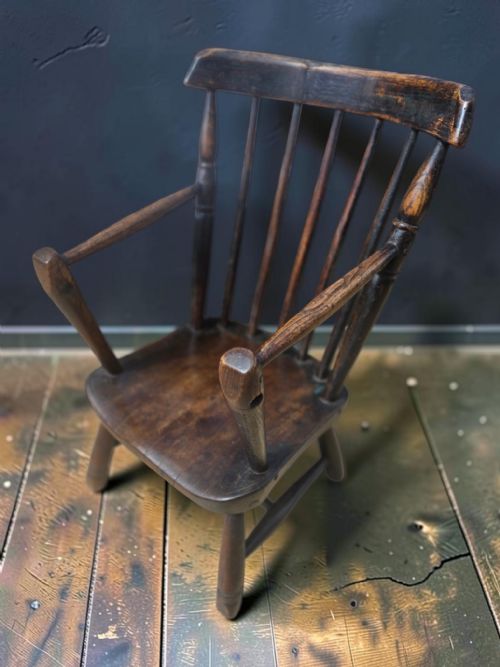
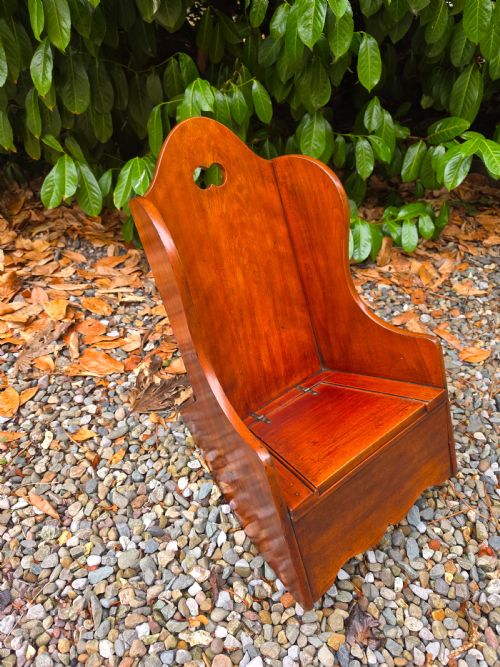
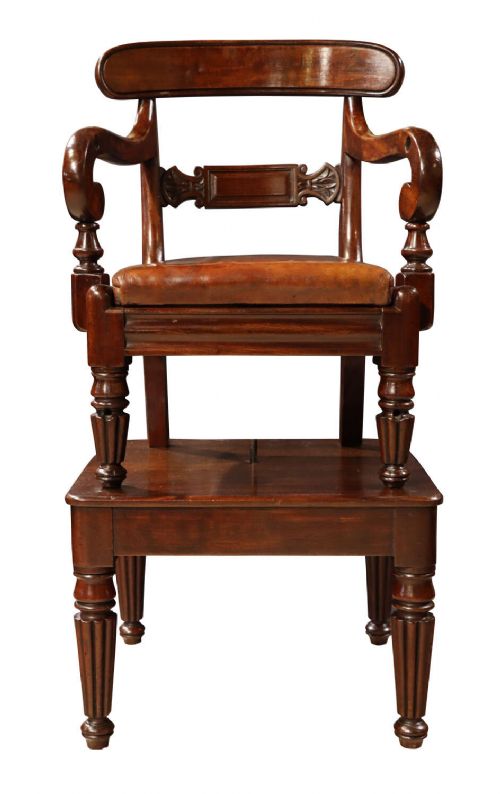
A georgian nursery chair encompasses small-scale seating designed specifically for young children during the eighteenth and nineteenth centuries. Buyers encounter various forms on this page, ranging from simple elm windsors to refined mahogany high chairs.
Materials and construction
Cabinetmakers and country joiners utilised native timbers such as elm, ash, and yew for provincial windsor frames, employing traditional steam-bending and spindle-turning techniques. Finer urban examples relied on mahogany and walnut, often featuring caned seats or delicate brass fittings.
Structural integrity was paramount for children's furniture, leading craftsmen to incorporate sturdy stretchers, such as crinoline stretchers, into the underframes of Windsor chairs. Surfaces were frequently polished to a warm sheen, highlighting the natural grain of fruitwood and oak.
Children of the past enjoyed miniature versions of adult comfort, complete with tiny rocking horses and pint-sized pots tucked beneath their seats.
Distinctions in craftsmanship
Quality rests in the proportion and selection of timber, where superior examples exhibit carefully matched grains and uncompromised structural frames. Provincial pieces display the charming hand-carved quirks of regional craft, while formal urban chairs show precise joinery and refined mahogany turning.
Originality of surface and hardware distinguishes finer specimens from heavily restored ones. Untouched patination on woods like yew and fruitwood elevates a piece, whereas replaced spindles or altered stands shift a chair toward the simpler end of the range.
The Georgian Nursery Chair Glossary
- Windsor chair
- A wooden chair constructed with a solid wooden seat into which the back and legs are separately bored. These sturdy chairs often incorporate steam-bent hoops and shaped elm seats.
- Crinoline stretcher
- A curved hoop-shaped stretcher connecting the legs of a Windsor chair to provide extra stability. It acts as a distinctive brace near the base.
- High chair
- A raised child's chair designed to sit level with an adult dining table. Some examples are metamorphic, allowing them to convert into low play chairs or onto separate wheeled stands.
- Potty rocker
- A low rocking chair fitted with a concealed aperture or compartment beneath the seat for a chamber pot. They combine infant utility with traditional rocking movement.
- Bergere
- An upholstered armchair with enclosed cane work sides and back. In children's variants, this technique provides a light yet supportive enclosure.
Georgian Nursery Chair: Frequently Asked Questions
What is a georgian nursery chair used for?
These pieces served practical daily roles in domestic nurseries, providing safe seating for feeding, resting, or play. They were built stoutly to withstand active use by children.
Today, collectors appreciate them primarily for decorative display, though their robust construction means they remain entirely functional for gentle domestic use.
How do I identify a genuine period piece?
Look closely at the timber patination, tool marks, and construction joints, which should show appropriate age and wear. Hand-cut joinery and traditional fixings indicate older manufacture.
Compare the proportions to standard adult furniture of the same era, keeping in mind that regional country pieces often feature simpler designs than urban workshop items.
Are high chairs and rocking chairs rare?
Survival rates for children's furniture are generally lower than for adult pieces due to heavy household wear. However, certain regional windsor and metamorphic high chairs appear regularly.
Unusual configurations, such as chairs fitted onto original wooden stands or incorporating potty compartments, attract particular interest from collectors.
How do I care for antique wood furniture?
Keep wooden pieces away from direct heat sources and strong sunlight to prevent the timber from drying out or splitting. Maintain a stable indoor climate.
Apply a traditional beeswax polish sparingly and buff with a soft cloth to preserve the natural lustre of mahogany, elm, or yew without damaging the finish.