


Vintage Carved Oak Chairs
These vintage carved oak chairs bring robust timber work and historical revivals straight into modern dining rooms and hallways.
Vintage Carved Oak Chairs
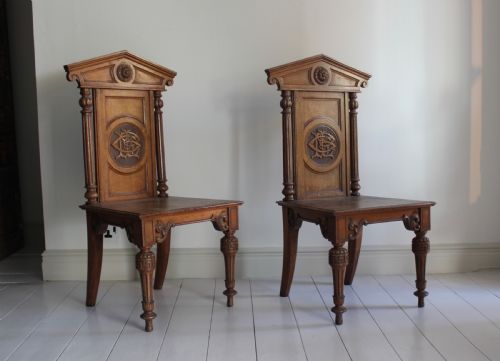
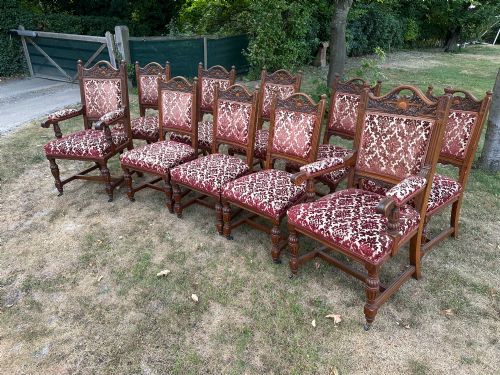
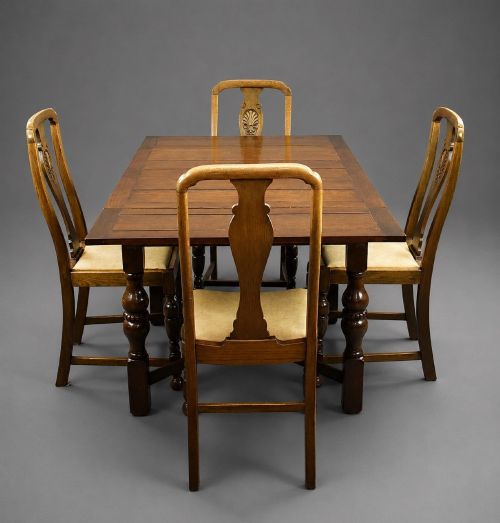
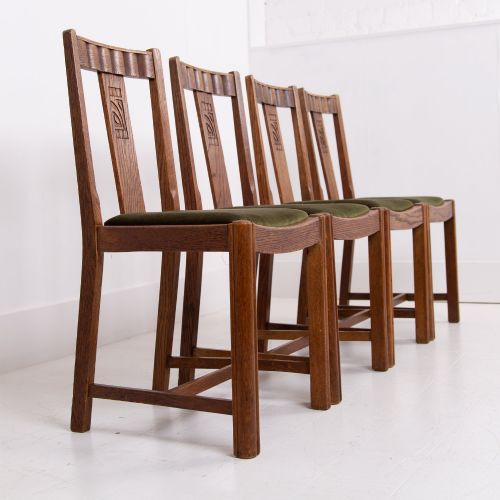
Vintage carved oak chairs span dining sets, armchairs, and hall seating produced from the late nineteenth century through the 1930s. Buyers searching for vintage carved oak chairs frequently encounter revival styles such as Jacobean, Gothic, and Arts and Crafts pieces originating from British and European workshops.
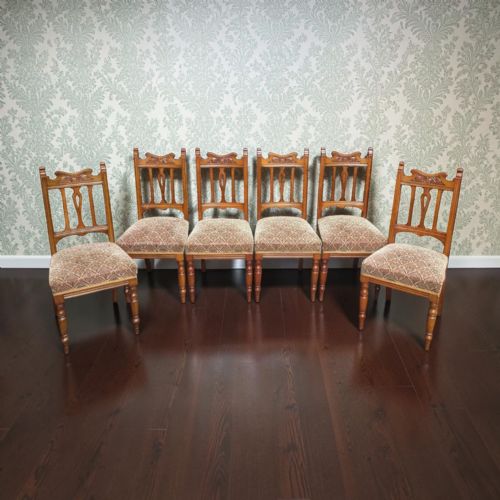
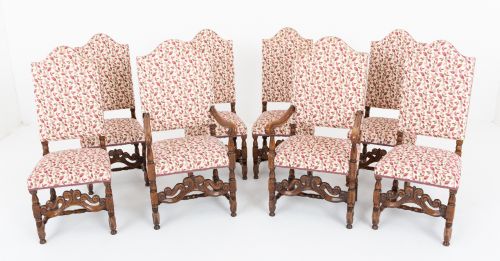
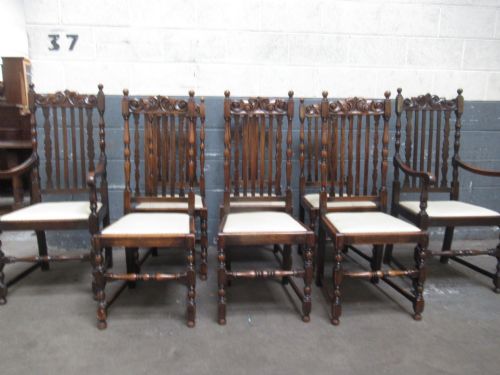
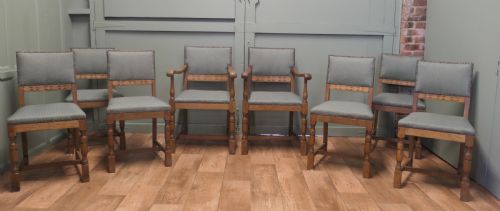
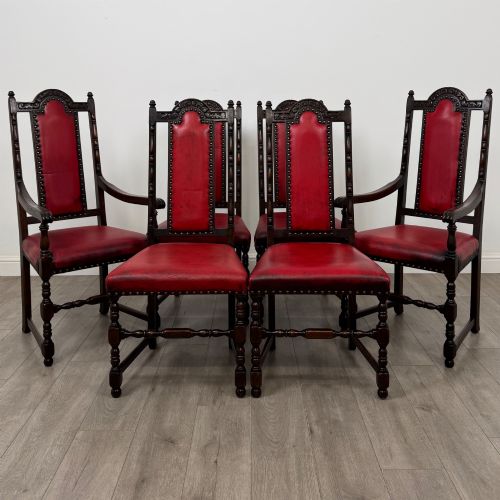
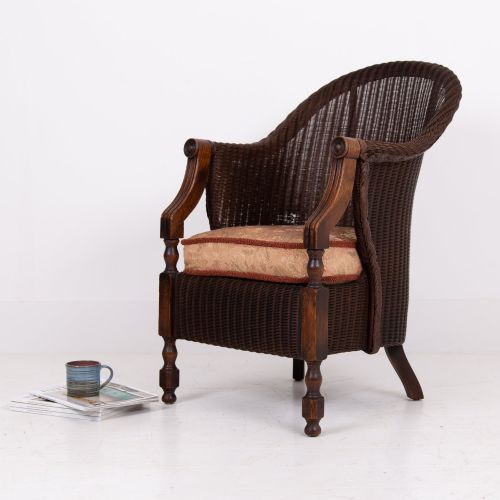
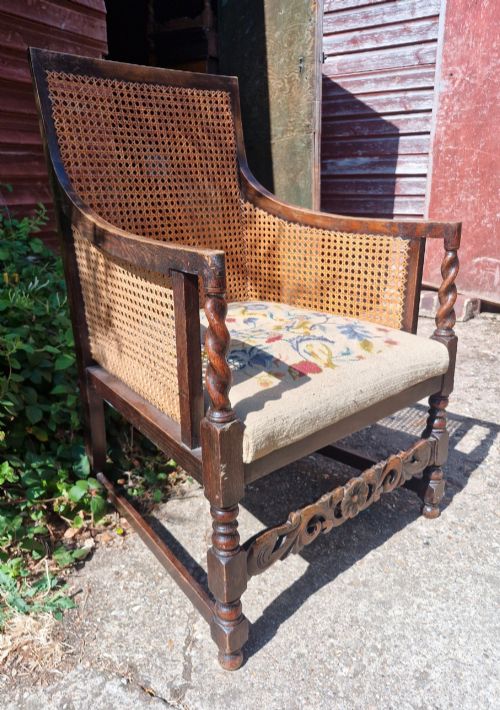
The selection ranges from single hall chairs to matched sets of six or eight dining chairs featuring elaborate relief work. Common forms include high back chairs, Glastonbury armchairs, and barley twist designs utilising solid timber frames.
Materials and construction methods
Makers utilised solid oak alongside supportive elements of elm, brass, and metal hardware to build durable frames. Seats frequently incorporate woven cane, leather, velvet, or fabric upholstery inserted into the wooden structure.
Joinery techniques rely on traditional mortise and tenon joints combined with turned components like bobbin and barley twist supports. Carved ornamentation is hand-chiseled directly into the solid timber panels and crest rails.
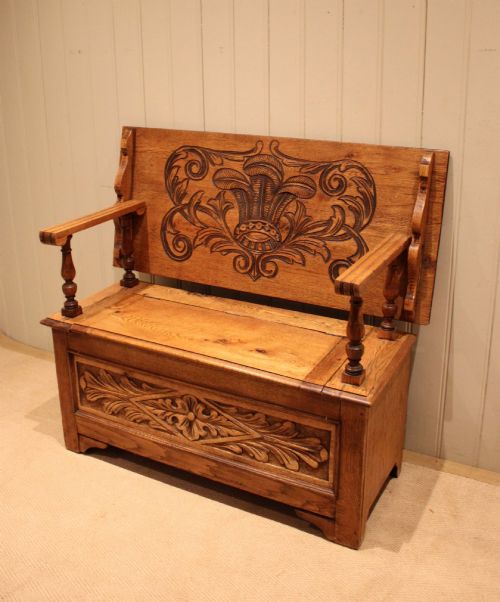
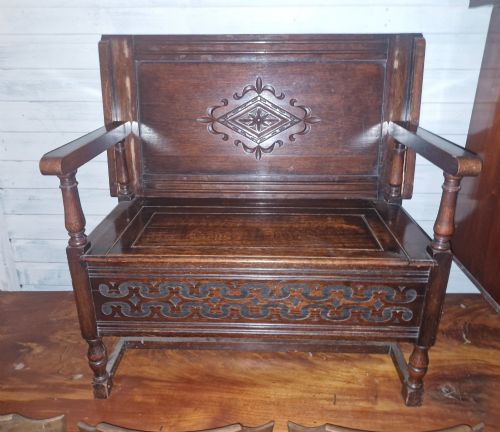
Seating forms range from Windsor armchairs and monks benches to large dining sets and compact gossip chairs.
Assessing construction and design standards
Quality depends on the depth and crispness of the hand carving and the selection of figured oak timber. Superior examples exhibit tight joinery, substantial weight, and well-preserved original surface finishes rather than heavy modern modifications.
The integrity of secondary materials, such as undamaged cane work or properly secured leather and fabric upholstery, influences the overall standard. Sets that retain a uniform appearance across multiple matching chairs command greater consistency in execution.
The Vintage Carved Oak Chairs Glossary
- Bergere
- An upholstered armchair with an enclosed wooden frame typically featuring cane panel work on the back and sides. This French style gained popularity in various revival forms.
- Glastonbury chair
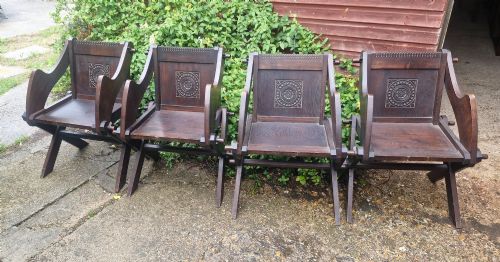
- A type of low-back armchair with a folding X-frame base and sloping armrests. It is frequently associated with Gothic Revival designs.
- Barley twist
- A decorative turning technique resembling a spiral rope shape applied to chair legs and stretchers. This motif appears widely in Jacobean revival pieces.
- Smoker's bow
- A sturdy wooden armchair with a curved continuous back rail supported by turned spindles. These low-back Windsor variants were common in country houses.
- Draw leaf
- An extendable table mechanism often paired with dining chairs in the listings. It allows surface area to expand via sliding leaves beneath the main top.
Vintage Carved Oak Chairs: Frequently Asked Questions
How do I clean carved oak?
Dust the carved crevices regularly with a soft dry brush to prevent dirt accumulation. Apply a quality beeswax periodically to nourish the timber and maintain a natural sheen.
Avoid using silicone-based polishes or wet cloths that can damage the antique finish. Gentle care preserves the original patina on the carved surfaces.
What is a Glastonbury chair?
A Glastonbury chair is a distinctive low-back armchair featuring an X-frame construction and flat sloping arms. Originating from ecclesiastical designs, they often include trefoil cutouts.
These pieces were revived during the Gothic and Arts and Crafts movements. They provide compact seating with a distinct medieval architectural profile.
Are these chairs suitable for daily dining?
Solid oak construction provides exceptional structural strength suitable for regular daily use. Dining chairs and carvers built in the nineteenth and early twentieth centuries are engineered for longevity.
Ensure joints remain tight and check upholstered seats for stability. Most vintage examples handle everyday dining comfortably when properly maintained.
How do I identify Jacobean revival?
Jacobean revival furniture mimics seventeenth-century styles with prominent geometric mouldings and heavy turned legs. Look for barley twist supports and deep strapwork carving on the backrests.
Victorian and Edwardian cabinetmakers produced these pieces to evoke earlier historical eras. The timber is typically darker oak with substantial proportions.
Can I mix different oak chair styles?
Combining various styles like Arts and Crafts dining chairs with a plain oak captain's chair creates an eclectic interior look. Maintaining a consistent wood tone unifies disparate periods.
Pairing a solid oak refectory table with mismatched side chairs adds character to a dining space. The shared material bridges stylistic differences successfully.