

Antique Style Oak Seating
Antique style oak seating brings heavy timber character and traditional craftsmanship into modern interiors.
Antique Style Oak Seating
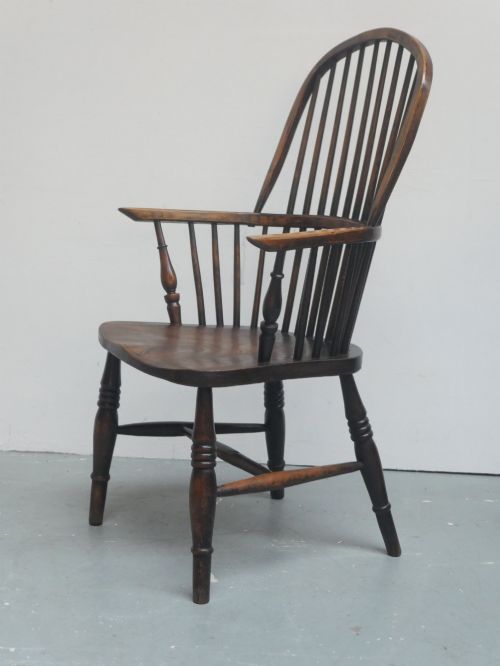
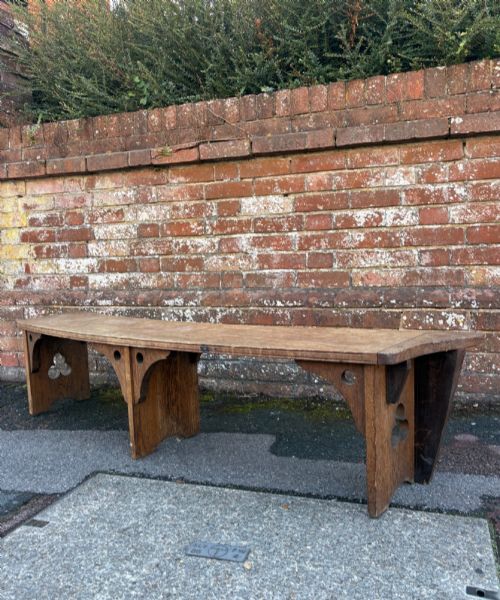
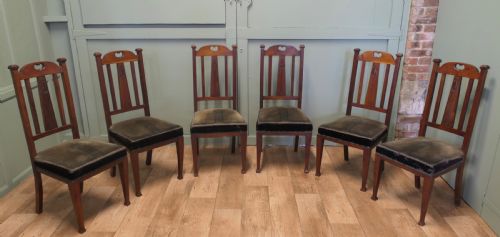
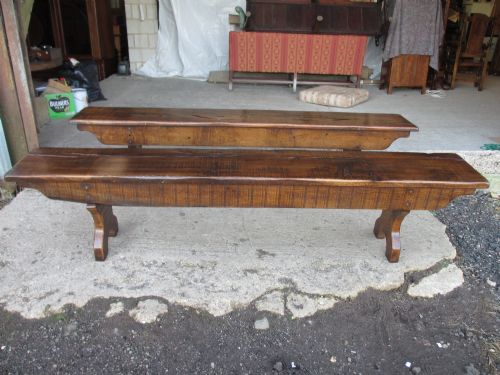
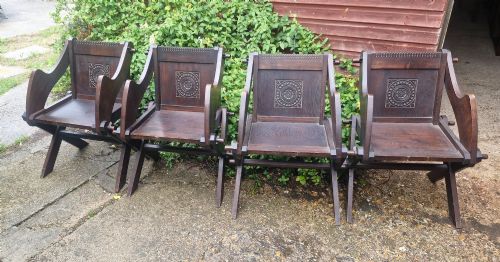
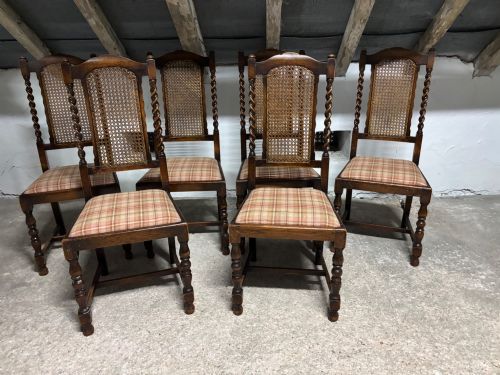
Antique style oak seating encompasses a broad range of forms designed for domestic utility and architectural presence, including dining chairs, armchairs, benches, settles, and stools. Pieces emerge from various decades spanning the eighteenth, nineteenth, and early twentieth centuries, reflecting enduring historical revivals rather than a single uninterrupted era of production. Buyers searching for antique style oak seating encounter domestic furniture rooted in traditional woodworking forms like the panel-backed Windsor chair, ladderback chair, and sturdy joint stool.
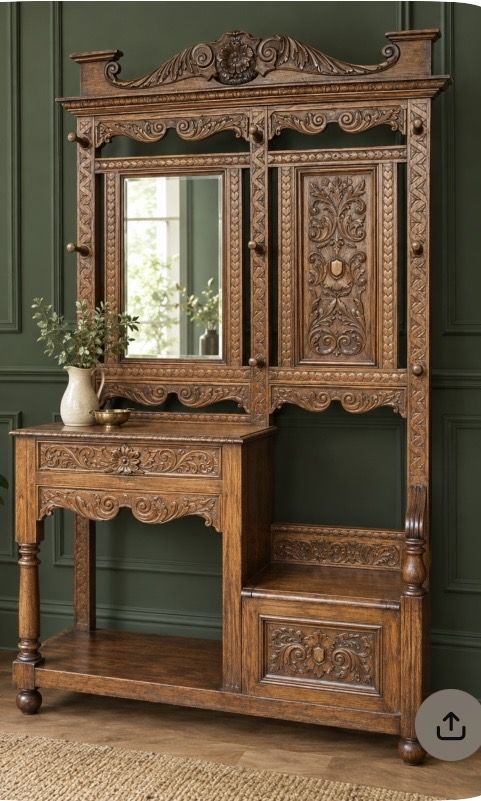
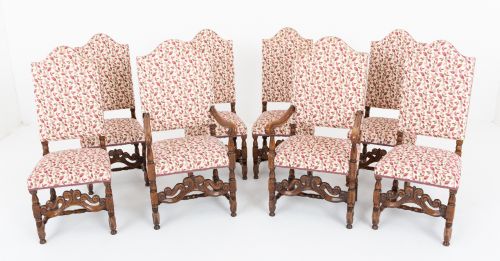
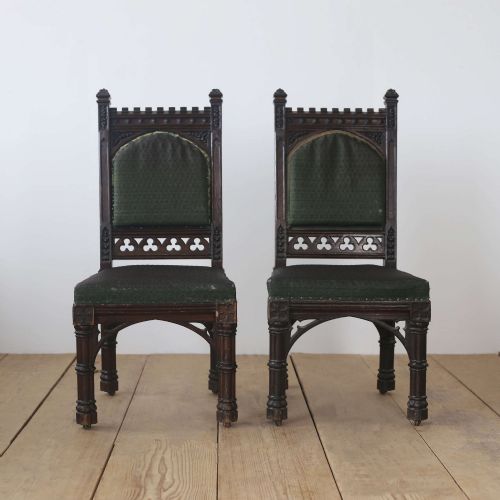
The aesthetic vocabulary draws heavily on historical revivals, with Jacobean, Carolean, Gothic, and Arts and Crafts movements dominating the selection. Dining chairs often appear in sets of four, six, or eight, while hall benches and settles provide substantial hallway or fireside furnishing. Makers replicate earlier seventeenth and eighteenth-century vernacular styles using solid oak timbers, producing seating with distinct regional English character or continental European influence.
Materials and Construction
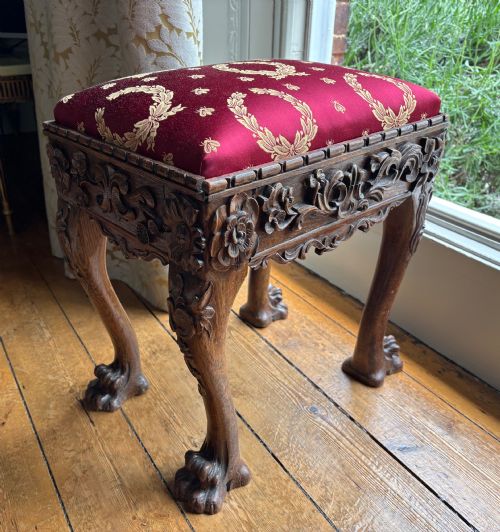
Solid oak serves as the primary structural material across these pieces, supplemented by secondary timbers and supporting elements. Makers utilise traditional joinery techniques such as mortise and tenon joints to construct robust chair frames, benches, and stools that withstand decades of use. Surfaces frequently display carved decorative motifs, panelled backs, and turned supports including barley-sugar legs.
Seating surfaces incorporate diverse tactile materials that complement the heavy timber frames, notably woven rush, cane, leather, fabric, and velvet upholstery. Brass hardware, studwork, and heraldic crests appear on specific revival pieces, adding decorative contrast to the warm grain of the oak.
Listings feature oak seating spanning the eighteenth, nineteenth, and early twentieth centuries, incorporating rush, leather, and fabric upholstery.
Craftsmanship and Proportion
Quality in antique style oak seating rests upon the integrity of the timber selection and the precision of the joinery. Superior pieces display dense, figured oak grain with hand-carved details that exhibit depth and confidence, whereas lesser examples rely on mechanical routing or soft secondary woods. The weight and rigidity of a joint stool or dining chair reveal whether the maker prioritised structural longevity.
Proportion and stylistic consistency dictate the visual success of revival furniture. Finer examples maintain authentic historical scale and balanced decorative restraint, while mass-produced commercial variations sometimes feel heavy-handed or disproportionate in their revival ornamentation.
Liberty Morris And Co·Shapland And Petter·Bruce James Talbert·Gillows
The Antique Style Oak Seating Glossary
- Settle
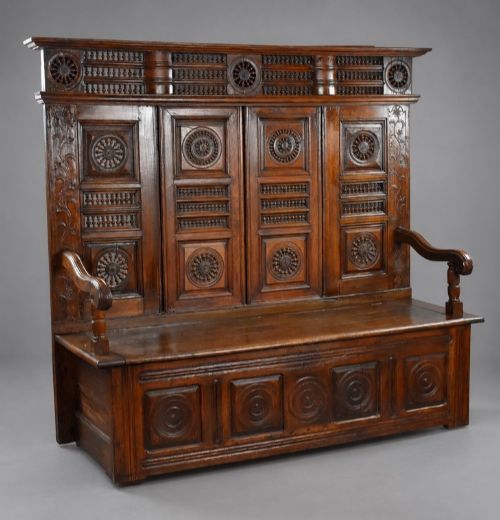
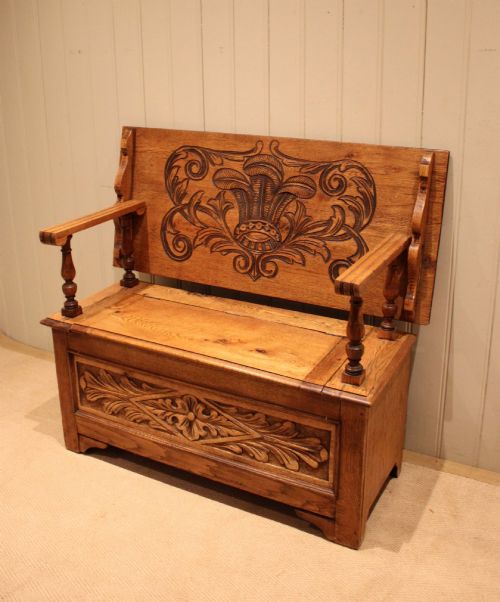
- A wooden bench with a high back, solid arms, and often a storage compartment beneath the seat. These pieces provide draught-proof seating near hearths in traditional interiors.
- Joint Stool
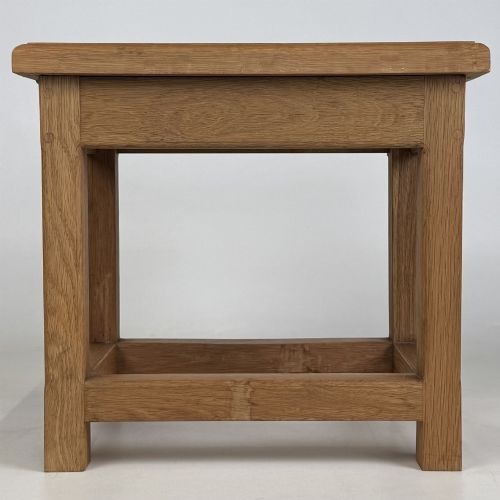
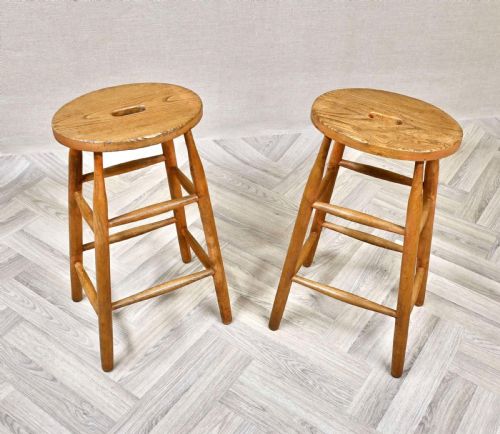
- A sturdy wooden stool constructed with mortise and tenon joints rather than turned legs driven into a seat. They represent early domestic seating forms built for durability.
- Rush Seat
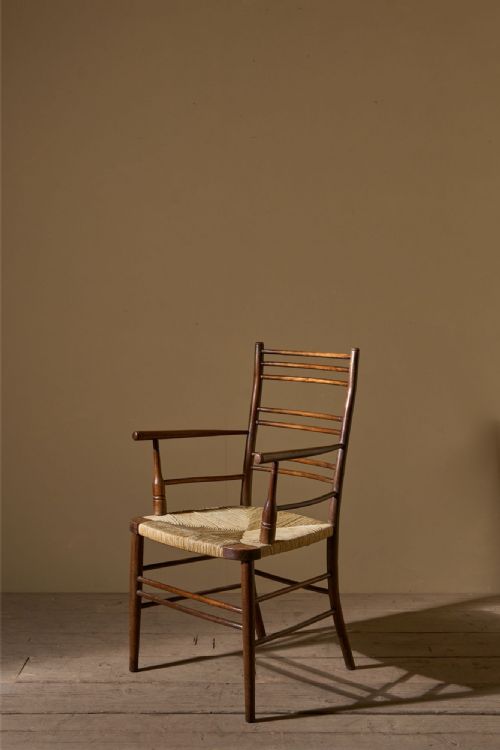
- A seating surface woven from dried marsh reeds around a wooden frame. This technique creates a resilient, textured pad common on country and Arts and Crafts chairs.
- Bergere
- An enclosed upholstered armchair with a wooden frame and woven cane sides or back. The style originates in seventeenth-century France and reappears in later revival suites.
Antique Style Oak Seating: Frequently Asked Questions
How do I identify a settle?
A settle functions as an enclosed wooden bench featuring a high panelled back and solid armrests designed to block draughts in older homes. Many examples include a hinged seat lifting to reveal a storage box underneath.
These pieces typically anchor hallways or large living spaces, offering substantial seating capacity alongside historical architectural presence.
What is an oak joint stool?
A joint stool is a rigid wooden seat constructed using pegged mortise and tenon joinery by professional carpenters rather than local turners. The term derives from the jointed timber frame.
These versatile items served various household functions, from stepping stones to side tables, alongside standard seating.
How do I care for antique oak?
Antique oak benefits from minimal intervention, requiring only occasional dusting with a dry or barely damp cloth. Natural beeswax feeds the wood and preserves the surface sheen without sealing the grain.
Avoid placing oak seating near direct heat sources or in fluctuating humidity to prevent timber splitting or joint shrinkage.
What defines Arts and Crafts seating?
Arts and Crafts seating emphasises visible construction, honest materials, and functional simplicity over excessive surface ornament. Pieces frequently highlight plain English oak frames paired with rush or leather seats.
Designers in this movement rejected industrial mass production in favour of handcrafted integrity and traditional woodworking techniques.