
Vintage Bronze Paperweight
When you search for a vintage bronze paperweight, you find small animalier sculptures, desk accessories and cold-painted figures designed to anchor papers.
Vintage Bronze Paperweight
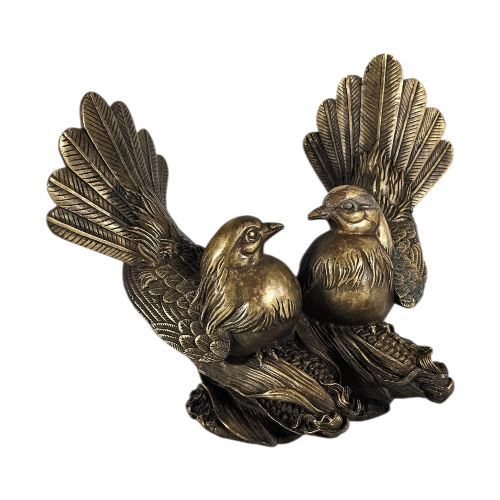
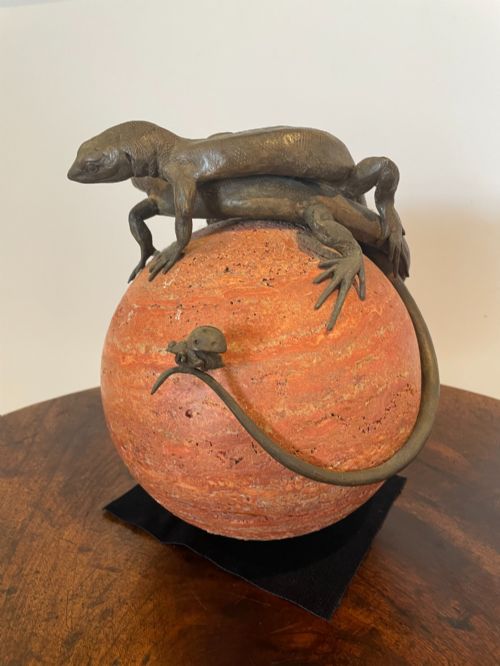
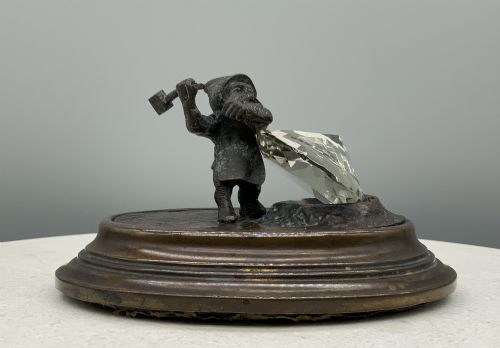
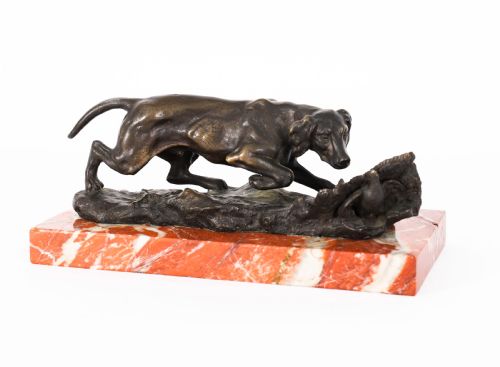
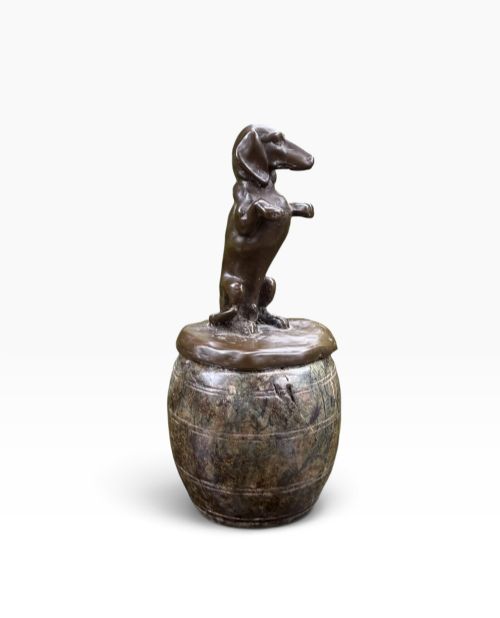
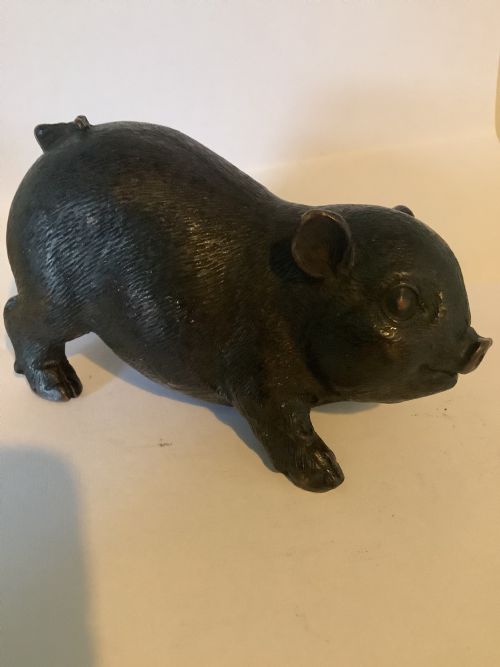
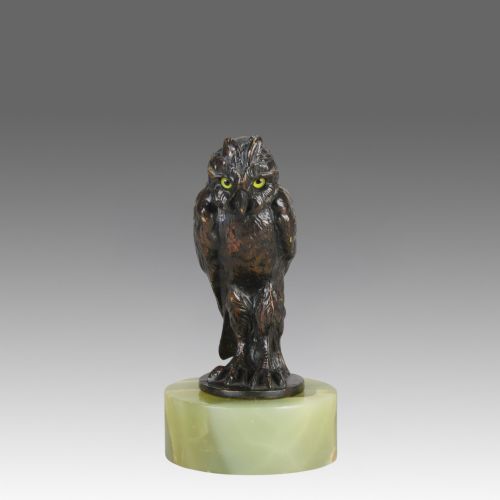
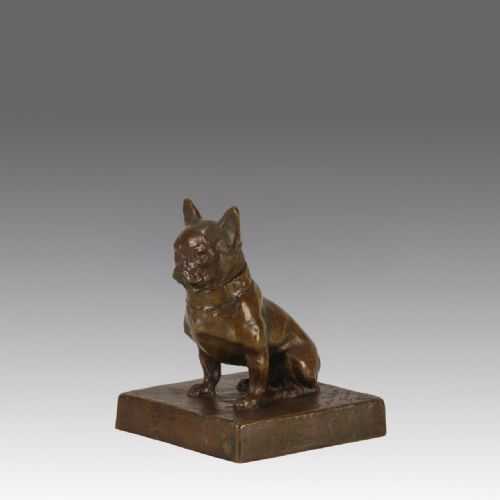
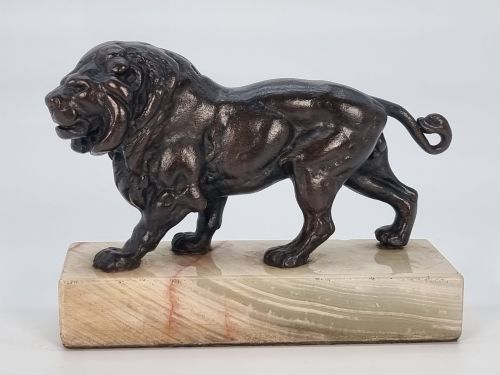
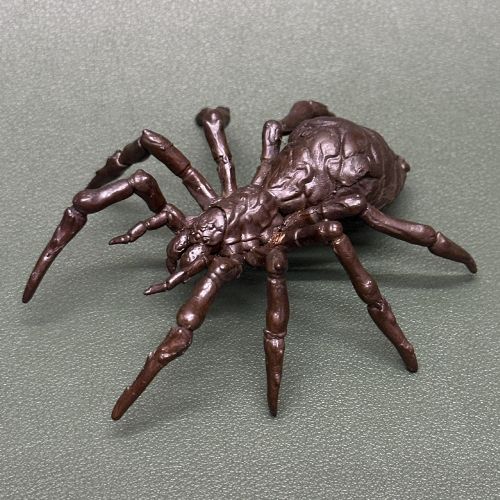
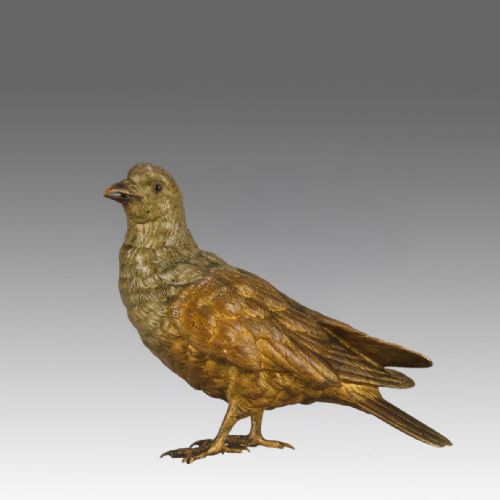
A vintage bronze paperweight typically takes the form of a small animal sculpture, desk accessory or architectural model cast during the nineteenth and early twentieth centuries. The selection on this page centres on domestic dogs, wild animals and birds, often mounted upon heavy marble or onyx plinths to provide the necessary weight for holding documents.
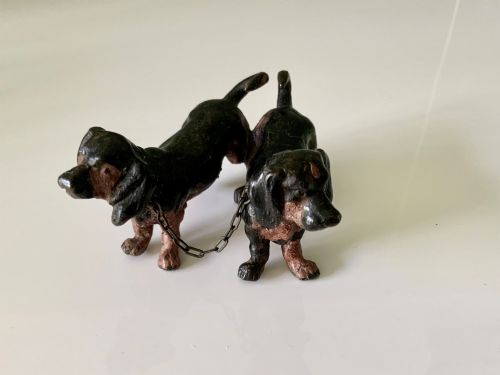
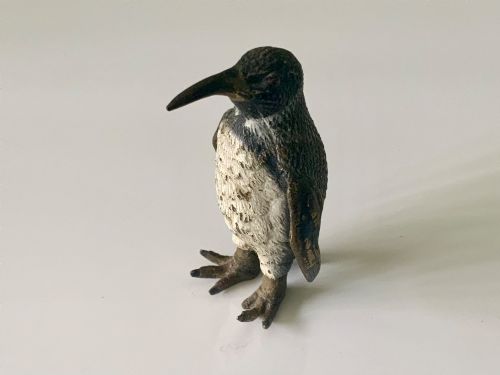
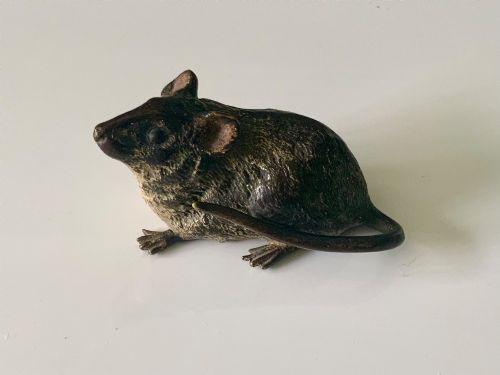
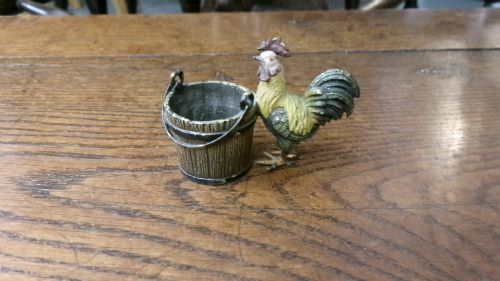
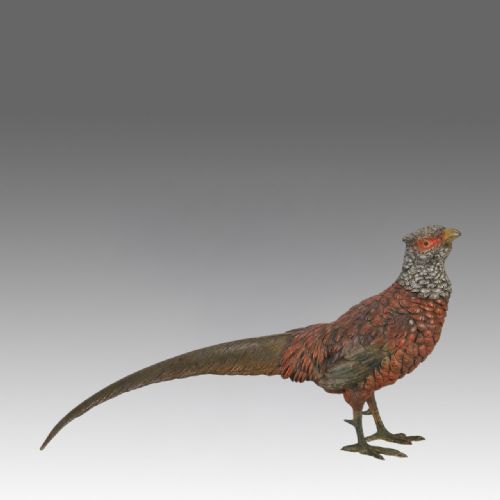
Makers across Austria, France and Asia produced these functional ornaments in various styles, ranging from realistic nineteenth-century French animalier studies to whimsical Austrian cold-painted figures. Pieces frequently depict hounds, birds and mice, reflecting a Victorian and Edwardian taste for naturalism combined with desk utility.
How they were made
Foundries cast these objects using traditional methods, often finishing the metal with a dark patina, a gilt layer or polychrome enamel paint. Cold-painted bronze, a speciality of Viennese workshops, involved applying non-fired paints to the cast metal surface, a technique requiring steady application to adhere to the bronze underneath.
Many heavier desk examples incorporate natural stone bases such as green onyx or veined marble, secured to the metal sculpture via threaded bolts or pins. The combination of dense cast metal and stone created a stable object suited to nineteenth-century office desks.
Listings feature periods spanning from the Victorian era through the 1950s, using materials including cast iron, onyx and patinated bronze.
What varies in quality
The integration between the bronze figure and its stone base also indicates the standard of manufacture, where tighter joints and well-chosen mineral plinths elevate the piece. Signed works and foundry marks provide additional context regarding the origin and workshop skill involved in the production.
Carl Kauba·Franz Bergman·Antoine Louis Barye·Barbedienne
The Vintage Bronze Paperweight Glossary
- Animalier
- A nineteenth-century artistic style and movement focused on the realistic depiction of animals, particularly dogs, lions and horses. Sculptors in this tradition studied anatomy closely to capture movement and posture.
- Cold-painted bronze
- A manufacturing method where bronze figures received layers of oil-based paint applied without heat after casting. This technique gained popularity in Vienna during the late nineteenth century.
- Geschützt
- A German term meaning protected or registered, frequently stamped on Austrian metalwork to indicate a registered design. It appears on various small desk objects and animal bronzes from the period.
- Okimono
- A Japanese term for a decorative object or置物 designed for display on a shelf or desk. These small sculptures often depict animals or figures with high levels of naturalistic detail.
- Patination
- The chemical or natural process that alters the surface colour of bronze over time through oxidation or intentional treatments. A patinated finish protects the metal and defines the shadows of the sculpture.
Vintage Bronze Paperweight: Frequently Asked Questions
What is a cold-painted bronze?
A cold-painted bronze is a metal sculpture finished with air-dried oil or enamel paints rather than fired ceramic glazes. This method allowed workshops to achieve high levels of multicoloured detail on small animal figures.
Collectors look for pieces where the original paint layer remains intact and vibrant across the textured metal surface. Over time, handling can cause this pigment to flake, making undisturbed examples more desirable.
How do I use a bronze paperweight?
These pieces function primarily as desk weights to prevent loose correspondence and documents from scattering in a draft. Their solid metal construction and heavy stone bases provide the necessary mass for daily office use.
To protect your desk surface, check the underside of the stone plinth or metal base for felt or leather padding. Placing them on soft surfaces prevents scratching on wooden table tops.
How can I tell the period?
Dating relies on stylistic clues, casting techniques, foundry stamps and the type of stone base used. Nineteenth-century pieces often feature detailed animalier anatomy and heavy marble plinths, whereas later twentieth-century items may show Art Deco streamlining.
Examining the patina and wear patterns also helps determine age. Older bronzes develop a natural handling sheen and darker oxidation in recessed areas that modern reproductions struggle to replicate.
Why are some mounted on marble?
Mounting a bronze figure on a marble or onyx base added both visual contrast and essential weight to the desk accessory. Stone plinths gave smaller animal castings a more substantial presence for holding papers.
Different quarries provided various colours of stone, ranging from green onyx to dark veined marble. The choice of stone often reflects the prevailing interior tastes of the Victorian and Edwardian eras.