
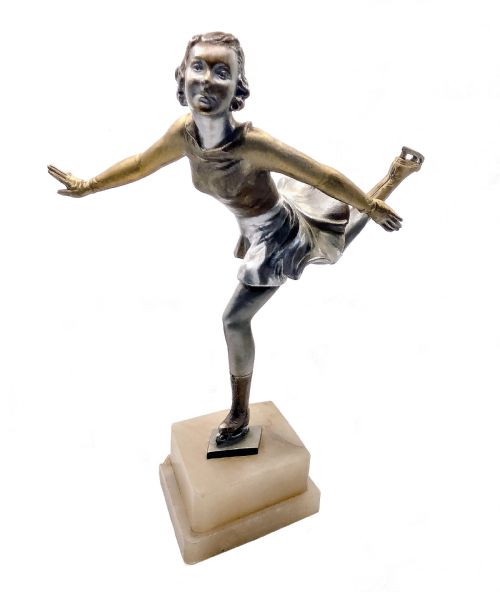


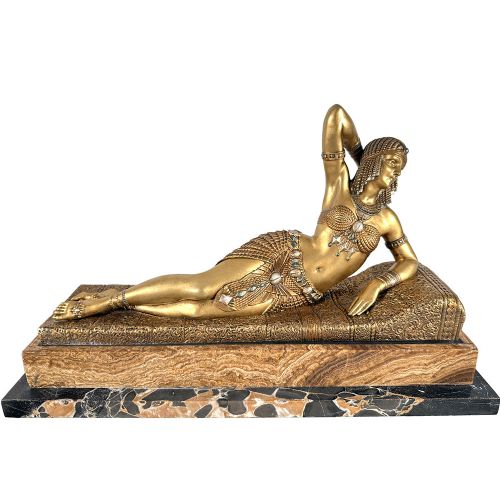


Onyx Base Bronze Figure
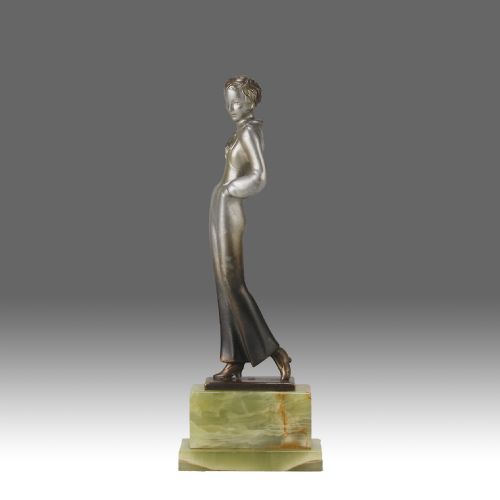
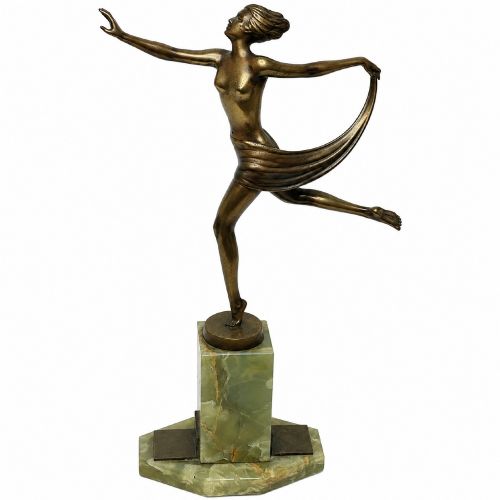
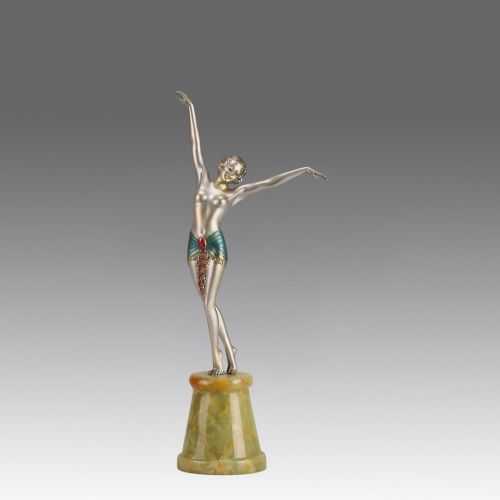
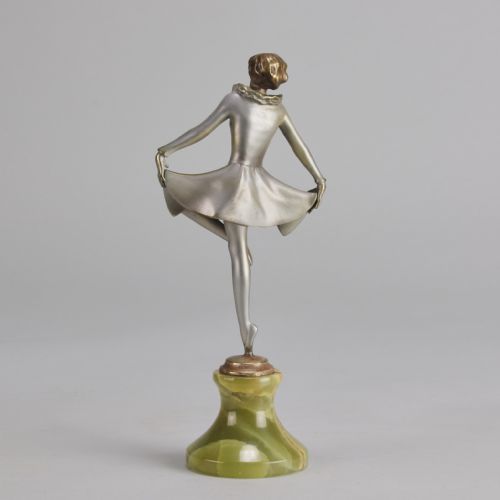
These onyx base bronze figure pieces combine cast metalwork with polished stone supports, prized for their sculptural forms.
Onyx Base Bronze Figure
When searching for an onyx base bronze figure, buyers encounter sculptures and figurines created primarily during the early twentieth century and the nineteenth century. These objects include dancers, animal studies, and mythological subjects cast in bronze, silvered bronze, gilt bronze, and spelter.
The majority of pieces date from the Art Deco period, alongside French Neo-Grec and French Victorian examples. Forms range from standalone figures on stone plinths to candelabra and table lighters mounted upon onyx or marble bases.
Originating largely from European studios, these works capture movement and human form through detailed metal casting. The combination of heavy stone plinths provides stable foundations for slender figures.
How they were made
Surfaces were frequently finished with cold-painting techniques to add colour to garments and flesh tones. Figures were then securely fastened to polished onyx, green onyx, or marble bases, using threaded rods or pins fitted through the stone.
Listings feature periods spanning from the Victorian era through the Art Deco movement of the 1920s and 1930s.
What varies in quality
Quality is determined by the crispness of the metal casting and the subtlety of the surface finishing. Finer works display meticulously chased details in the bronze, whereas alternative metal castings like spelter often exhibit softer contours.
The choice of stone support also contributes to the overall standard of the piece. Selected onyx and marble bases with rich natural graining and precise geometric or polished cuts elevate the presentation of the cast figure above standard production pieces.
Josef Lorenzl·Demetre Chiparus·Pierre Le Faguays·Claire Colinet·Bruno Zach·Ignacio Gallo·Paul Philippe
The Onyx Base Bronze Figure Glossary
- Bronze
- An alloy of copper and tin utilised for durable metal casting. This material allows for intricate detail and patination.
- Onyx
- A banded variety of chalcedony gemstone used as a heavy, polished mounting plinth. Its natural stratification provides distinctive patterns.
- Spelter
- A zinc-based alloy commonly employed as a cost-effective alternative to bronze in figural casting. It requires surface plating or painting to simulate heavier metals.
- Cold-painted
- A method where enamel or oil paint is applied to a metal object without subsequent high-temperature firing. This technique produces vibrant polychrome surfaces on dancers and animal studies.
- Chryselephantine
- A term describing sculptures combining carved ivory with bronze elements. This construction method was popular among Art Deco figure makers.
Onyx Base Bronze Figure: Frequently Asked Questions
How do I clean an onyx base bronze figure?
Dust the metal surface gently with a soft, dry brush to prevent accumulation in crevices. Avoid harsh chemical cleaners that might strip cold-painted finishes or discolour the stone.
Wipe the onyx base using a slightly damp cloth and dry it immediately with a soft lint-free towel. Moisture should be kept away from any exposed joints where the metal meets the stone.
Are these figures made of solid bronze?
Many examples are cast in solid bronze, though some figures utilise hollow casting to reduce weight and material costs. Alternative metal alloys such as spelter also appear frequently within this category.
Examination of the underside or mounting points often reveals the metal composition. Patination and weight further help differentiate solid bronze from plated alternatives.
How can I tell Art Deco pieces apart from Victorian ones?
Art Deco pieces typically feature stylised geometric lines, aerodynamic forms, and depictions of modern dancers or animals. These works frequently date from the early twentieth century and rely on sleek silhouettes.
Victorian and Neo-Grec examples display classical drapery, ornate detailing, and architectural references. They tend to reflect earlier nineteenth-century revivalist aesthetics in both the figures and the accompanying candelabra or clock garnitures.
Why are figures mounted on stone bases?
Stone plinths provide essential physical stability for top-heavy or dynamic figural compositions. Without a heavy foundation, slender figures with outstretched arms would easily topple.
Onyx and marble bases also establish a visual boundary between the sculpture and the display surface. The polished stone complements the metallic tones of the bronze.