




Vintage Bronze Nude Figure
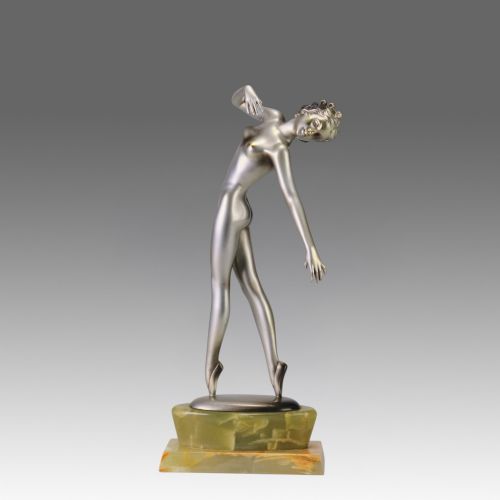
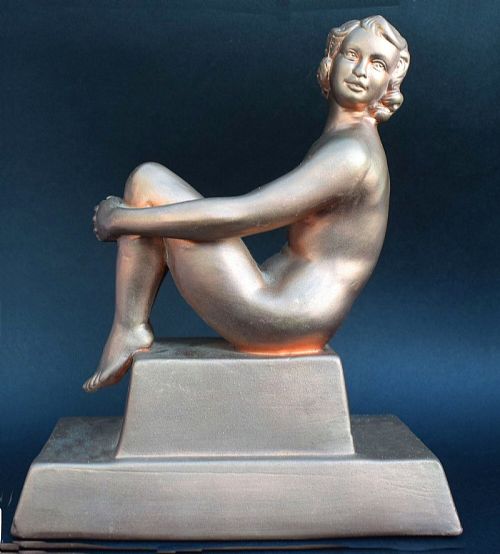
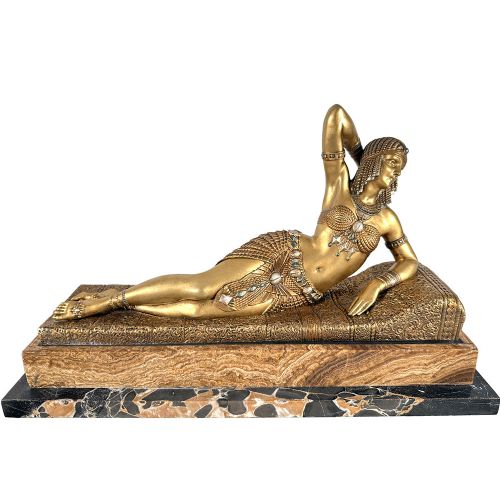
A vintage bronze nude figure captures the human form through metal casting, offering collectors a striking piece of sculptural history for display.
Vintage Bronze Nude Figure
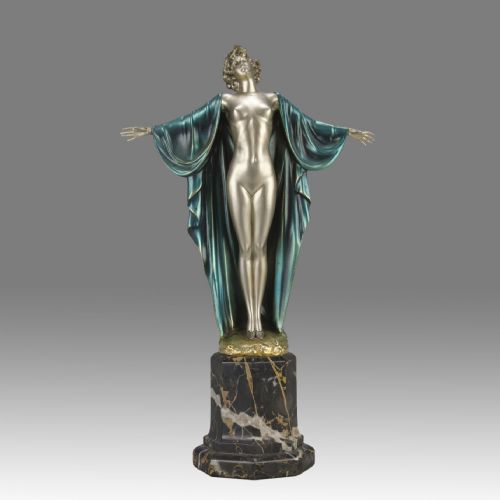
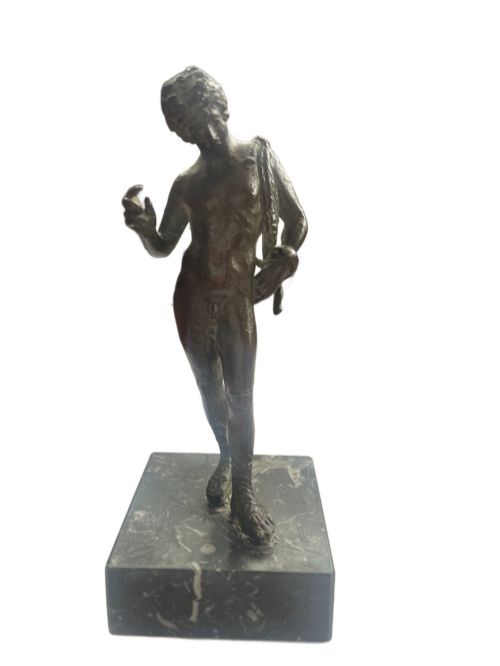
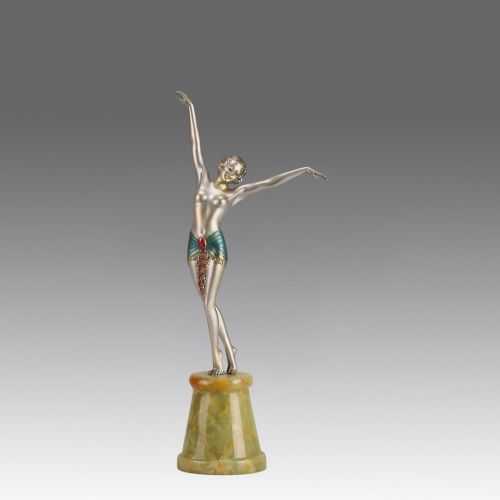
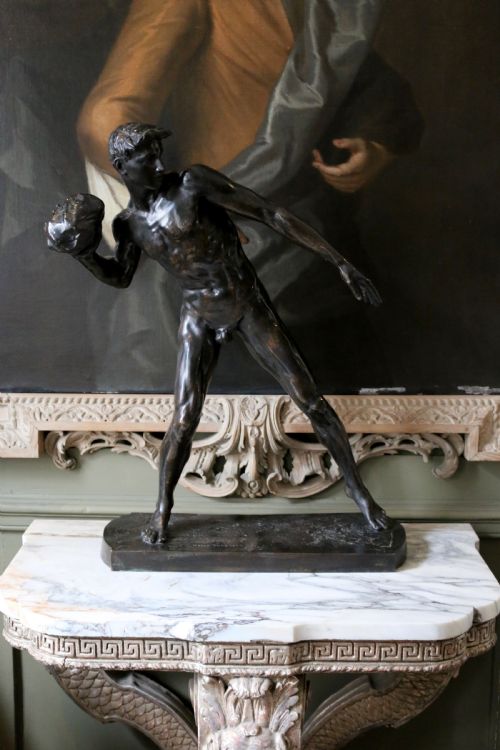
A vintage bronze nude figure encompasses sculptural works spanning the nineteenth century through the art deco period. Buyers encounter diverse forms, ranging from classical mythological subjects to stylised dancers and functional items such as lamps and bookends.
The selection frequently highlights works created during the nineteen-twenties and nineteen-thirties, reflecting broader shifts towards modernism and classical revival. Examples appear mounted on stone bases including marble and onyx, while alternative materials such as spelter and patinated metal also emerge within the listings.
Materials and casting techniques
Casting relies predominantly on bronze, supplemented by variations like silvered bronze, gilt bronze, and cold-painted finishes applied directly to the metal surface. Spelter and patinated metal serve as alternative metallic mediums across various period pieces.
Many sculptures incorporate sturdy mineral plinths, combining bronze figures with bases made of marble, onyx, or alabaster to provide structural support and aesthetic contrast.
Even mythological figures and frogs occasionally find themselves dressed up for an art deco evening out.
Assessing quality in period bronzes
Quality rests upon the crispness of the casting and the precision of the chiselling work executed after the metal cools from the mould. Superior examples retain fine anatomical details and clean facial expressions without losing definition in the drapery or hair.
The sophistication of the surface finish and patination dictates the visual depth of the piece. Masterful patination enhances the contours of the nude form, whereas inferior applications obscure subtle modelling and texture.
Ferdinand Preiss·Josef Lorenzl·Sibylle May·Demetre Chiparus·Maurice Guiraud Riviere·Pierre Le Faguays·Paul de Boulogne·Ugo Cipriani·C Neuhaus·Bruno Zach·Gustav Adolf Daumiller·Mario Korbel
The Vintage Bronze Nude Figure Glossary
- Patination
- The chemical treatment or natural ageing process that colours the surface of bronze. This layer protects the metal and highlights the sculptural details.
- Grand Tour
- A nineteenth-century tradition where travellers collected classical souvenir bronzes in Italy. These reductions mimic famous antique sculptures.
- Cold-painted
- A technique where paint is applied to cold bronze without subsequent firing. This method requires careful preservation to prevent flaking over time.
- Spelter
- An alloy of zinc and lead often used as a cheaper alternative to bronze. It frequently receives a bronze-coloured coating to mimic genuine metal.
- Lost-wax casting
- A traditional method where a wax model is melted out and replaced with molten metal. This process allows for intricate undercuts and fine details.
Vintage Bronze Nude Figure: Frequently Asked Questions
What is the difference between bronze and spelter?
Bronze is a durable alloy primarily composed of copper and tin, prized for its strength and ability to hold fine casting details. Spelter utilises a softer zinc-based alloy that feels lighter and less resilient.
Inspecting the underside or areas of wear often reveals the underlying grey colour of spelter beneath the surface finish. Genuine bronze maintains its metallic integrity and weight throughout the sculpture.
Where were most art deco figures made?
France and Austria served as primary production centres for art deco metal sculptures during the nineteen-twenties and nineteen-thirties. Foundries in Paris and Vienna produced works for renowned sculptors and commercial studios alike.
British workshops and creators also contributed distinctive items, particularly functional pieces like lamps and bookends incorporating metal figures. Continental European foundries remain the source of the majority of signed cabinet bronzes.
How can I tell if a figure is art deco?
Art deco pieces exhibit stylised geometry, aerodynamic lines, and depictions of modern leisure such as athletic poses and contemporary dancing. The aesthetic moves away from Victorian naturalism towards sleek, simplified human forms.
Materials frequently include contrasting marble bases and metallic finishes like silvering or cold-painted enamel. Costuming and hairstyles on female figures typically reflect the fashion of the interwar period.