



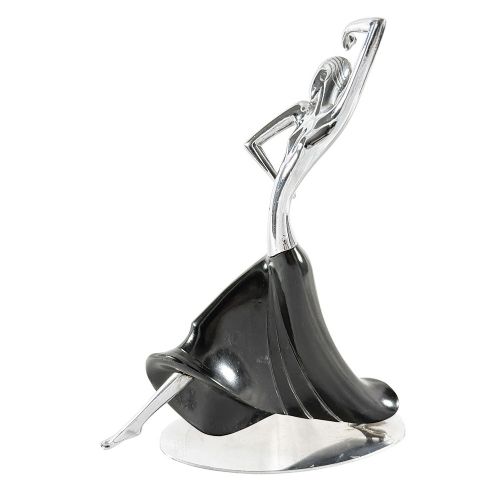



Art Deco Metallic Figurine
An art deco metallic figurine captures the energetic modernity and sleek geometry of the interwar years, offering a stylish focal point for any room.
Art Deco Metallic Figurine
When you search for an art deco metallic figurine, you encounter sculptural works that celebrate human figures, dancers, athletes, and animals through the distinct aesthetic lens of the interwar period. These objects capture motion and stylised form, originating largely from French workshops during the nineteen-twenties and nineteen-thirties.
The pieces on this page appear primarily as standalone sculptures, desk accessories, and figural ornaments mounted on stone bases. They range from small novelty items to substantial male and female figures embodying the dynamism of the era.
Materials and methods
Makers utilised a variety of metals, notably spelter, bronze, nickel bronze, chrome plate, painted metal, and aluminium, to achieve differing surface finishes and weights. These metallic elements were cast and often combined with bases of natural stone such as onyx and marble.
Surface treatments included patination and applied paint to accentuate the contours of dancers, athletes, and animals. The pairing of cast metal with polished stone creates a distinct architectural contrast typical of the period.
Art Deco Metallic Figurine Retail Price Guide 2026
Typical asking prices for art deco metallic figurine among the pieces listed under this phrase on Sellingantiques today, from the lower quarter to the upper quarter. They describe what is for sale here now, not the wider market.
Listings feature items dated across the years nineteen twenty and nineteen thirty, spanning the height of the Art Deco movement.
Judging quality
The choice and integration of the base material also influence the piece, with dense marbles and well-figured onyx providing a more substantial foundation than simpler mounts.
Frederique Cederlund-Ozanne·L.Gerfaux·Josef Lorenzl·Michel Decoux
The Art Deco Metallic Figurine Glossary
- Spelter
- A zinc alloy commonly utilised as a less expensive alternative to bronze for figural casting during the period. It accepts patination and paint readily to simulate richer metals.
- Onyx
- A banded variety of chalcedony quartz frequently used as a heavy contrasting base for metal figures. Its natural striations provide visual depth beneath the sculpture.
- Patinated metal
- Metal treated with chemical solutions to produce a coloured surface film or antique finish. This process highlights the sculptural details.
- Nickel bronze
- An alloy containing nickel that offers a bright, corrosion-resistant silvery finish. It was favoured for its sleek metallic sheen.
Art Deco Metallic Figurine: Frequently Asked Questions
What materials were used for an art deco metallic figurine?
Makers employed a range of metals including spelter, bronze, nickel bronze, chrome plate, and aluminium. These were frequently paired with bases made of onyx or marble to add weight and stability.
The choice of metal often determined the surface finish, allowing for patinated, painted, or highly polished appearances that suited the modern aesthetic of the era.
How do I identify a piece from this period?
Authentic pieces display the characteristic geometric lines, stylised human forms, and dynamic postures associated with the nineteen-twenties and nineteen-thirties. Look for signatures or foundry marks inscribed directly into the metal or the stone base.
Examining the materials, such as spelter or nickel bronze mounted on onyx, helps confirm the manufacturing era and regional origin, often French.
Where were these sculptures placed originally?
These decorative objects served primarily as interior ornaments for mantelpieces, sideboards, and executive desks. Many functioned as desk accessories or novelty items intended to showcase modern taste.
Their substantial stone bases allowed them to stand securely in domestic and professional settings alike as focal points of interior design.
How should I clean my metal figurine?
Dust the surface gently with a soft, dry cloth to prevent the accumulation of debris in the crevices of the casting. Avoid abrasive cleaners or chemical solvents that might strip the original patination or paint.
Take care when handling pieces mounted on onyx or marble, as natural stone can be porous and sensitive to moisture.