

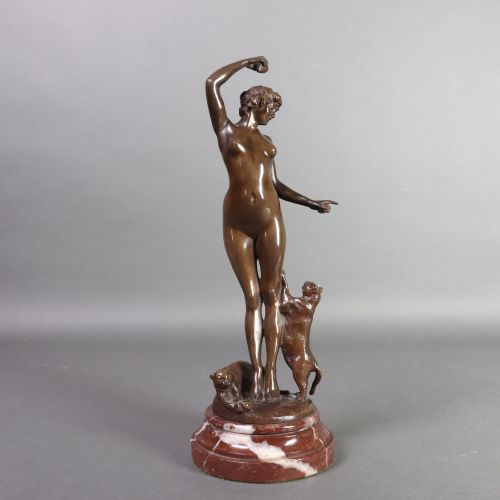
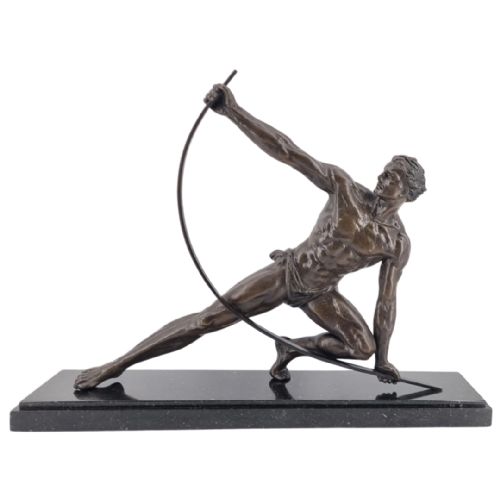
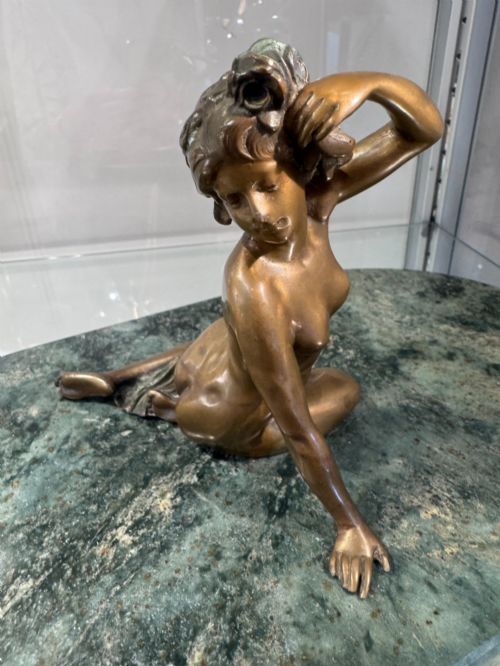
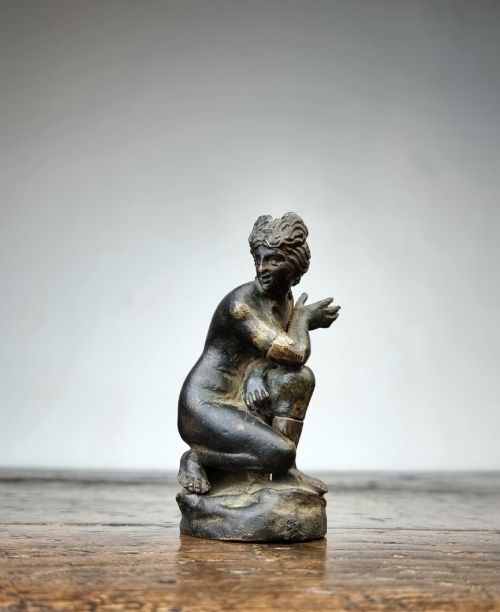



Antique Metal Nude Figurine
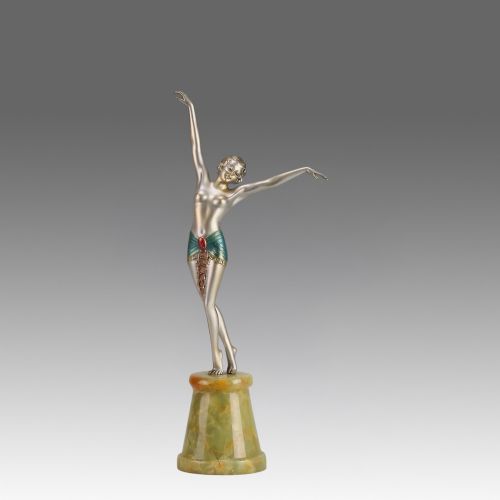
An antique metal nude figurine brings tactile form and classical weight to a room, ranging from small mythological bronzes to striking Art Deco dancers.
Antique Metal Nude Figurine
When you search for an antique metal nude figurine, you encounter a remarkably varied selection of sculptures, statuettes, and table lamps spanning several centuries. The forms range from classical mythological figures to stylised dancers capturing the dynamism of the early twentieth century.
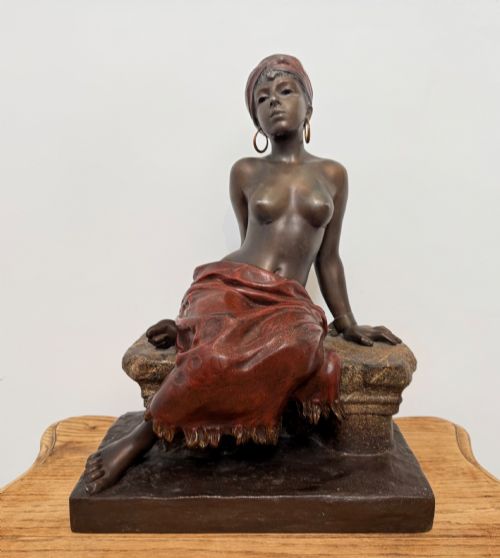
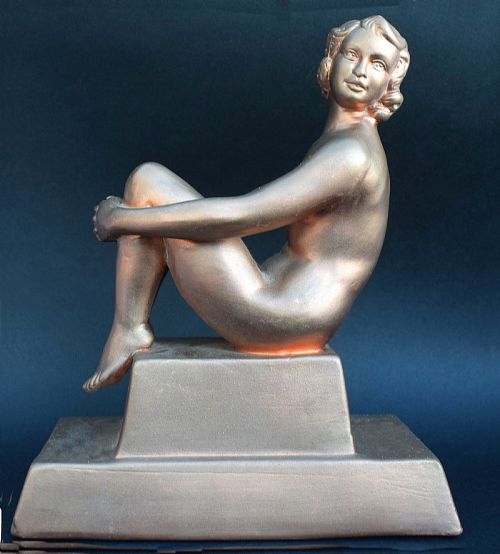
The versions you are most likely to meet on this page lean heavily towards the late nineteenth and early twentieth centuries. Art Deco examples share space with Victorian Grand Tour bronzes, Neoclassical subjects, and earlier seventeenth-century interpretations of the human form.
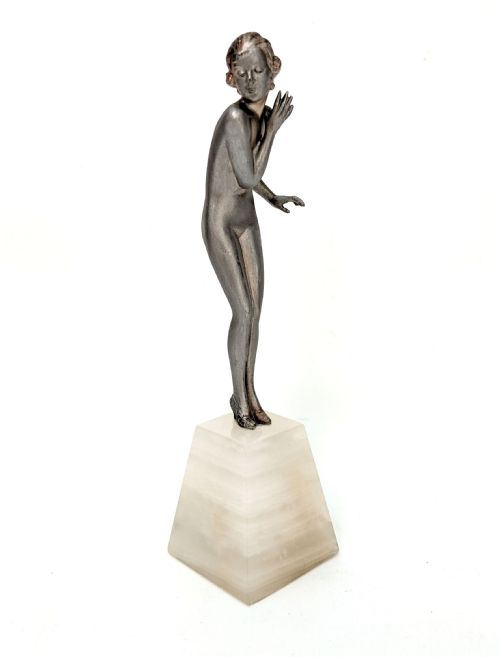
Materials shift across these eras, moving from traditional cast bronze and silvered bronze to patinated metal and spelter. Bases of marble or onyx frequently anchor the figures, adding weight and contrasting textures to the metalwork above.
Methods and materials in metal sculpture
Foundries created these figures primarily through metal casting, employing techniques that allowed for intricate detailing in the hair, drapery, and musculature. Many pieces received additional surface treatment, such as cold-painting or chemical patination, to produce rich tones across the metal.
Makers mounted finished metal figures onto sturdy plinths, frequently utilising natural stone such as marble or onyx to provide stability and visual contrast. Enamel accents also appear on select pieces, adding flashes of colour to the patinated surfaces.
Antique Metal Nude Figurine Retail Price Guide 2026
Typical asking prices for metal nude figurine among the pieces listed under this phrase on Sellingantiques today, from the lower quarter to the upper quarter. They describe what is for sale here now, not the wider market.
Early twentieth-century dancers often balance perilously on tiny marble toes.
Distinguishing quality in figurative metalwork
The finesse of the casting and the crispness of the chasing separate finer examples from standard production pieces. Superior works retain sharp anatomical definition and delicate surface textures where the metalworker has refined the raw casting.
The choice and execution of the patina or cold-painted finish dictate much of the visual impact. A carefully applied patina deepens the expression of the form, whereas flat or heavy-handed surface treatments obscure the underlying modelling.
E Villanis·Josef Lorenzl·Pierre Le Faguays·Jean Jacques Pradier
The Antique Metal Nude Figurine Glossary
- Patination
- The process of applying chemical treatments to metal surfaces to produce distinct colours and aged tones. This finish protects the metal while enhancing the sculptural contours.
- Spelter
- A zinc alloy commonly used as a less expensive alternative to bronze for decorative figures. It accepts patination well, often mimicking the appearance of heavier bronze.
- Cold-painted
- A method where paint is applied to a metal object without subsequent firing or heat treatment. This technique appears frequently on early twentieth-century decorative dancers.
- Grand Tour
- A nineteenth-century cultural tradition where travellers collected small bronzes and classical replicas in Europe. These pieces typically depict mythological figures and ancient athletes.
- Lost-wax casting
- A traditional method where a wax model is melted out of a mould to leave a cavity for molten metal. This process allows for high fidelity and intricate detail in the final sculpture.
Antique Metal Nude Figurine: Frequently Asked Questions
What is the difference between bronze and spelter?
Bronze is a durable copper alloy valued for its strength, weight, and capacity to hold fine detail. Spelter is a softer, zinc-based metal that was widely utilised for decorative figures.
Spelter figures are lighter than bronze and often display a distinct greyish metal underneath worn spots on the surface. Makers frequently patinated spelter to resemble bronze.
Where should I place a metal figure?
Position your piece on a stable surface away from direct sunlight and high humidity. Wooden mantelpieces, side tables, and dedicated display shelves provide secure placement.
Ensure the surrounding environment remains stable to protect any integrated marble or onyx bases from thermal shock.
How can I tell Art Deco from earlier styles?
Art Deco figures, dating around the 1920s and 1930s, favour geometric lines, stylised movement, and modern materials like silvered bronze. They frequently depict athletic dancers or figures with sleek, angular silhouettes.
Earlier nineteenth-century and Grand Tour pieces lean towards classical realism, naturalistic proportions, and traditional mythological themes rooted in antiquity.