



Vintage Brass Porter
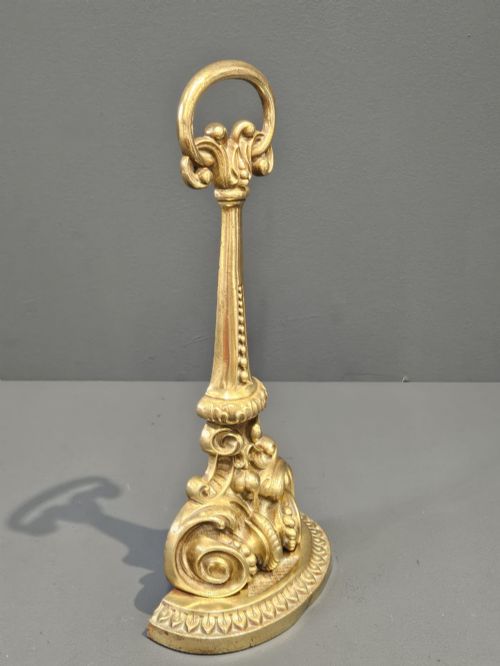
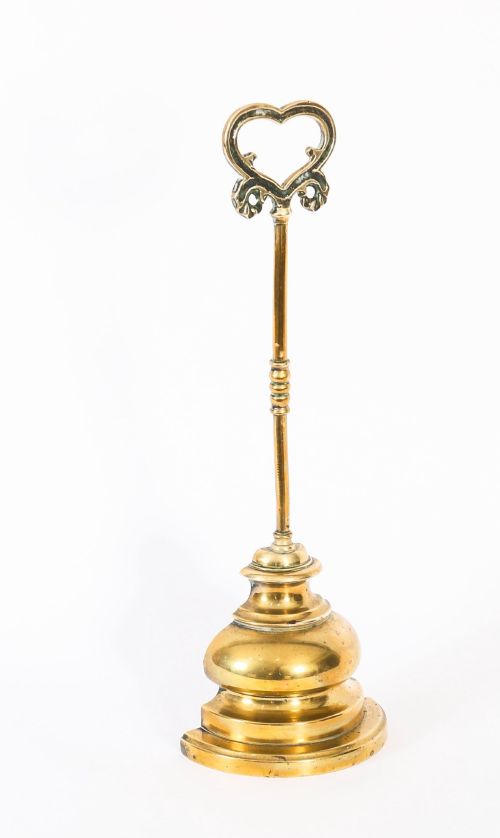
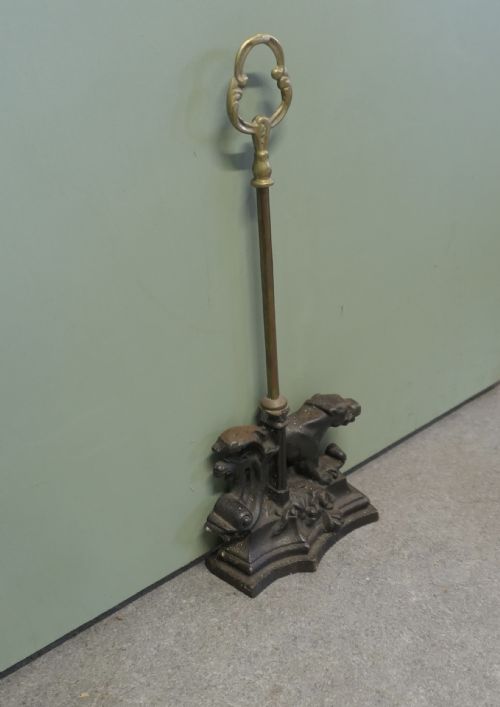
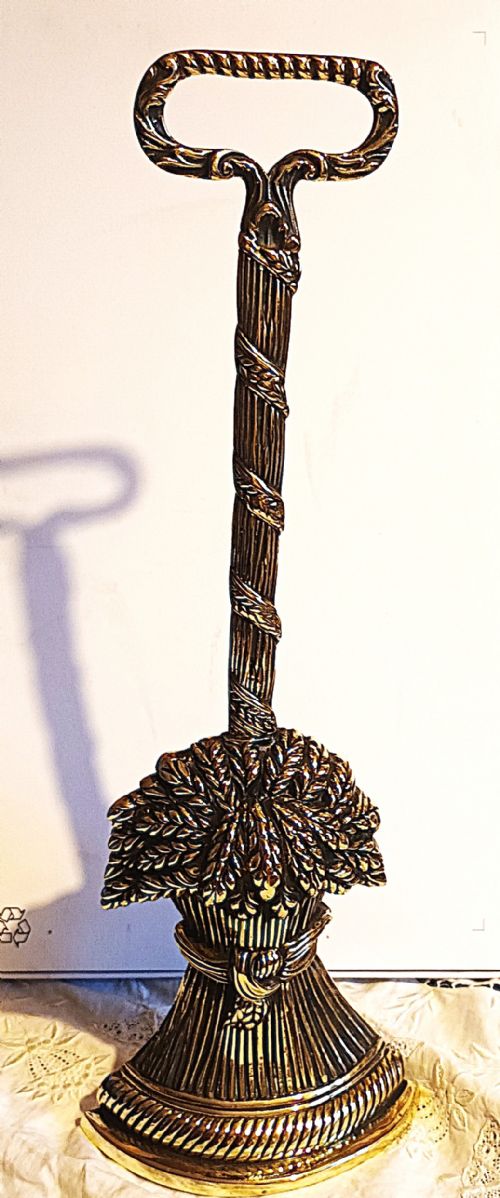
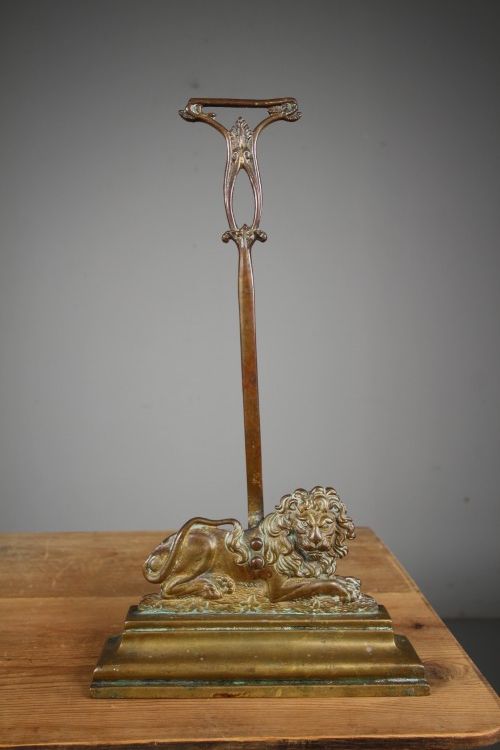
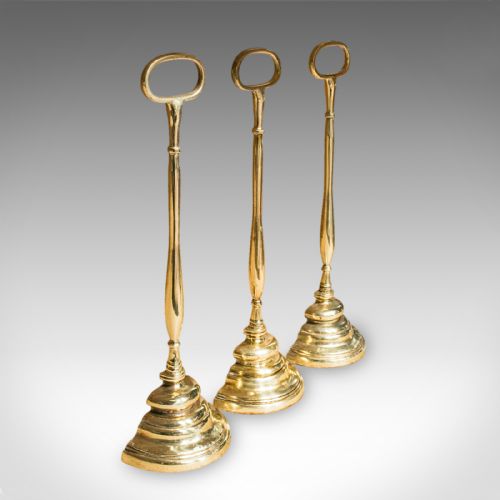
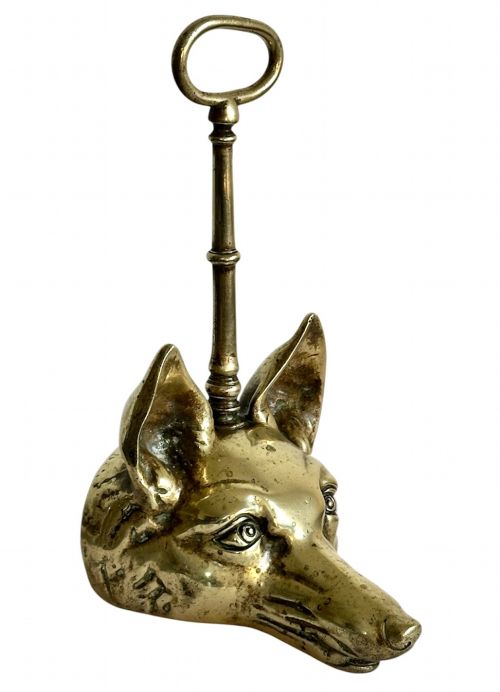
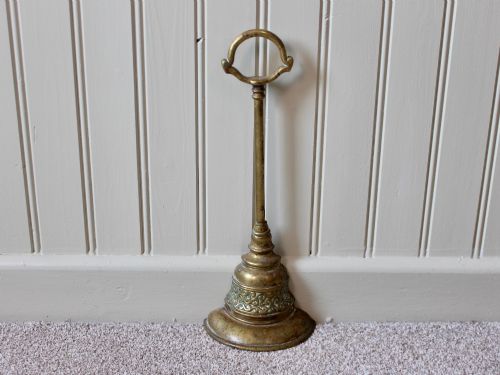
These vintage brass porter pieces are heavy metal doorstops and traditional porters designed to hold heavy doors open with style.
Vintage Brass Porter
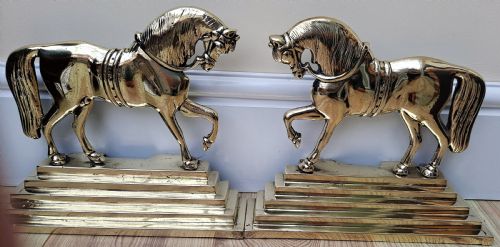
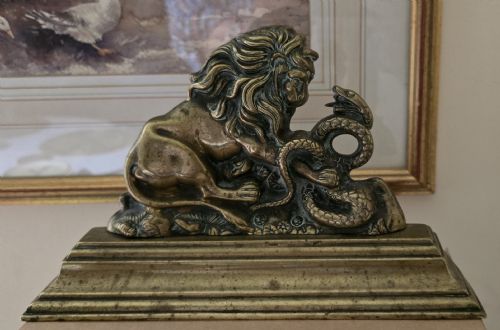
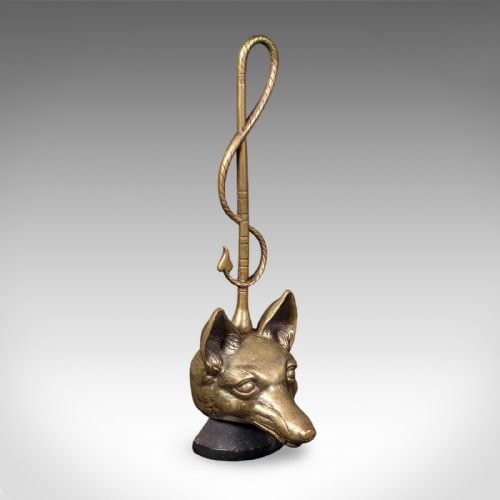
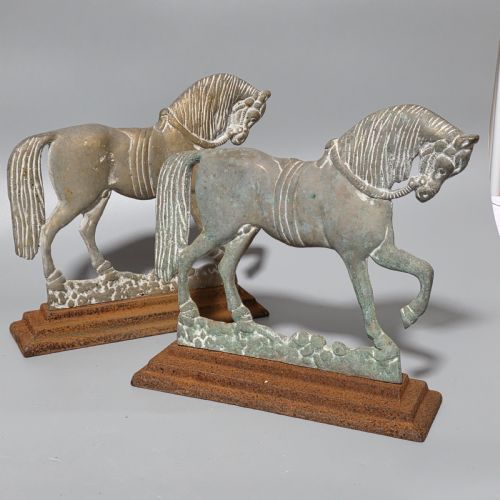
The selection ranges from classic figural doorstops depicting lions, horses, and dogs to chimney horses and decorative cherubs. Alongside metal door porters, the listings include leather armchairs designed for hallway porters and key cabinets.
Victorian and nineteenth-century examples dominate the offerings, usually cast in heavy brass or iron to provide the necessary weight for keeping doors stationary. English country house aesthetics heavily influence the forms available.
How they were made
Combinations of brass, cast iron, wood, and lead provide the essential heft needed for functional door furniture. Some upholstered porter armchairs incorporate hand-dyed brown leather over sturdy frames.
Listings combine solid brass and cast iron materials with Regency, Victorian, and Edwardian design periods.
What varies in quality
The definition and crispness of the cast ornamentation distinguish finer examples from standard production pieces. Detailed rendering in animal motifs and figural subjects marks superior foundry work.
Substantial weight and the use of solid cast brass rather than lighter composite metals determine the structural integrity and longevity of each porter. Maker attribution, such as work by Tonks, elevates the standing of an individual piece.
Tonks·William Tonks
The Vintage Brass Porter Glossary
- Door porter
- A heavy weight designed to hold a door open, often synonymous with a doorstop. These portable objects rely on mass to secure heavy doors in drafty halls.
- Chimney horse
- A traditional term for a specific form of brass door porter often associated with Georgian and Regency periods. They frequently incorporate shaped handles for easy lifting.
- Cast brass
- Molten brass poured into a mould to form solid decorative objects. This method allows for repeated production of detailed figural designs.
- Porters armchair
- A high-backed upholstered chair originally designed for hall porters to block drafts in large houses. They often feature enclosed hoods or wings.
- Foundry mark
- A stamp or signature identifying the workshop or maker responsible for casting the metal object. Names like Tonks appear on better documented examples.
Vintage Brass Porter: Frequently Asked Questions
What is a brass porter?
A brass porter is a heavy metal object used primarily as a doorstop to keep interior doors open against drafts. The term also applies to large hooded armchairs designed for hall attendants in historic houses.
Most items found under this heading date from the nineteenth century and combine utility with decorative figural casting.
How heavy are these doorstops?
These pieces are cast in solid brass, bronze, and iron, giving them significant mass to hold heavy doors securely in place. The substantial weight prevents them from sliding when pushed by moving doors.
Collectors should handle them with care due to their heavy metal construction.
Where were they used?
Porters and doorstops were utilised throughout large English country houses and town residences to manage heavy doors and block hallway drafts. Porters armchairs specifically sat near grand entrance halls to shelter staff.
Today they function as practical door holders or decorative accent pieces in residential rooms.
How do I date a brass porter?
Dating relies on stylistic clues, casting techniques, and historical motifs associated with Georgian, Victorian, and Edwardian periods. Nineteenth-century examples often feature naturalistic animal forms or classical cherubs.
Maker marks or foundry stamps can sometimes narrow down the exact decade of production.