




Vintage Brass Plant Container
A vintage brass plant container brings tactile warmth and historic character to any room, housing greenery in solid metal cast or hammered to last.
Vintage Brass Plant Container
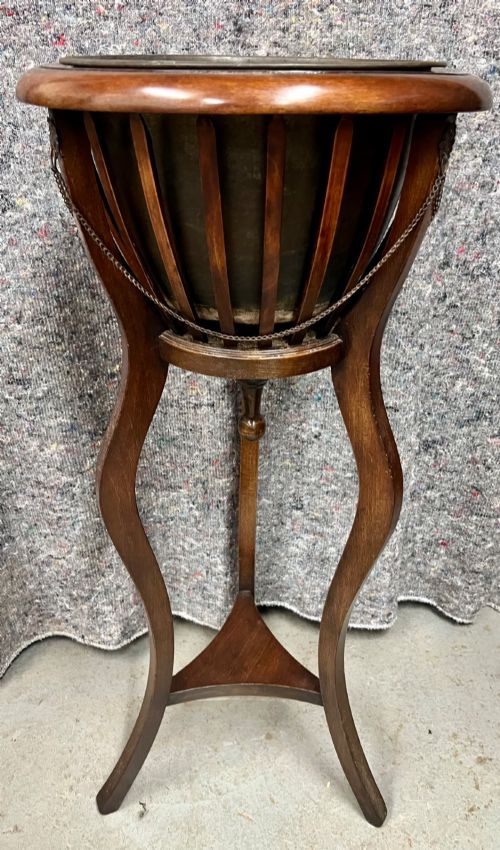
A vintage brass plant container encompasses practical vessels designed to hold potted plants, spanning forms such as jardinières, coal buckets, and plant stands. You will most frequently encounter nineteenth-century and early twentieth-century examples shaped by Victorian, Edwardian, and Art Nouveau aesthetics.
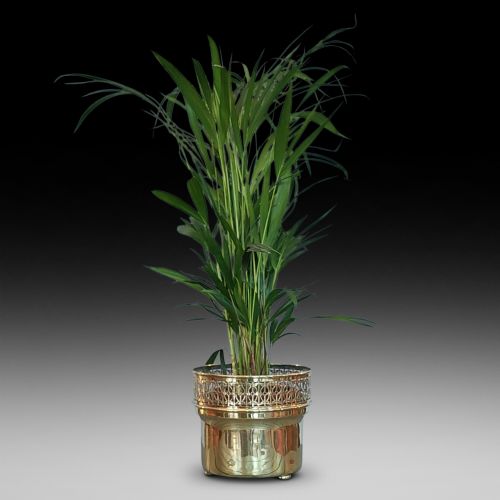
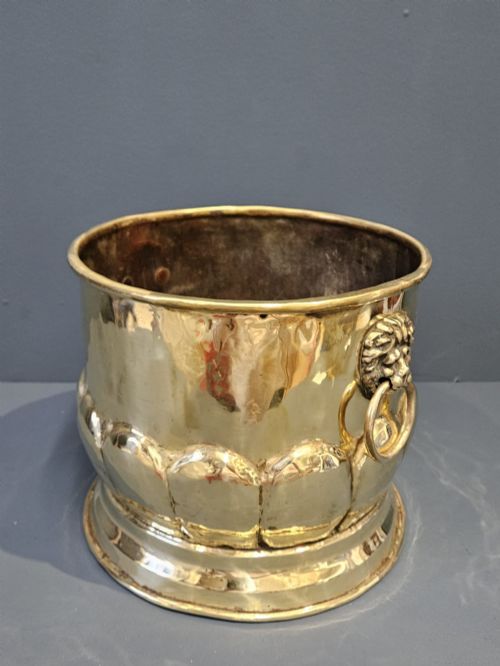
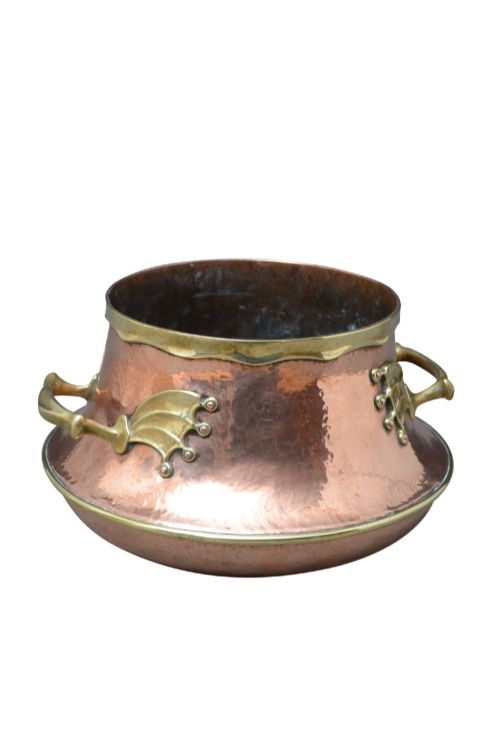
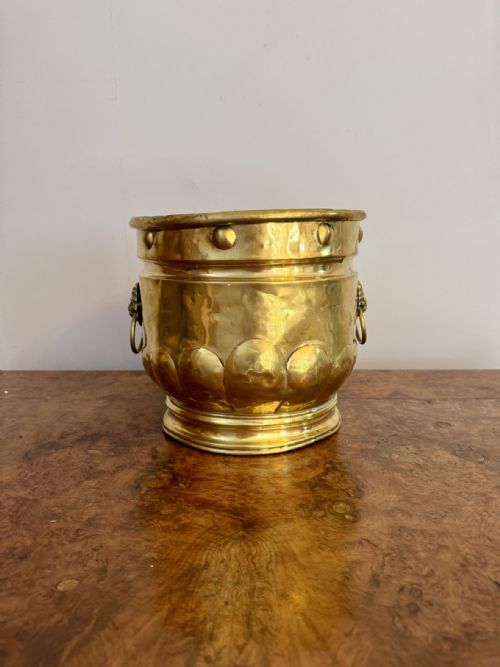
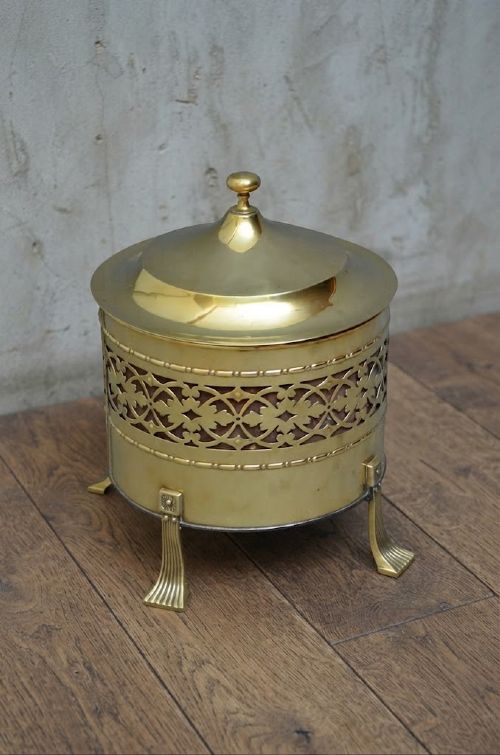
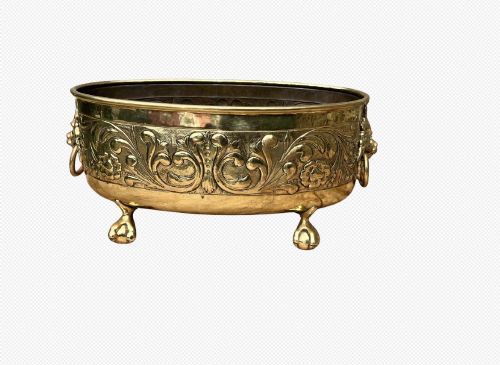
The evidence shows these containers appearing in various configurations, from simple polished brass cylinders to footed cauldrons and handled vessels. Many feature decorative details like lion mask handles, animal heads, and fretwork designs that reflect the stylistic preferences of their period.
How they were made
Makers shaped these containers primarily from sheet brass and copper, sometimes combining metals or incorporating iron and mahogany elements. Surface decoration was achieved through repoussé work, where designs were hammered from the reverse side to create raised relief.
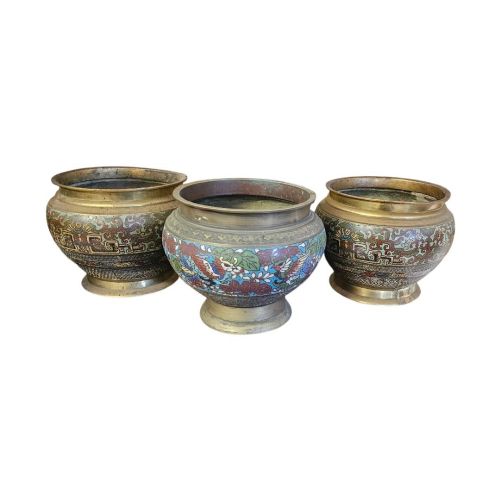
Techniques also included champlevé enamel work on bronze and delicate fretwork piercing on metal sheets. Handles and feet were frequently cast separately and attached securely to the main body of the vessel.
Vintage Brass Plant Container Retail Price Guide 2026
Typical asking prices for vintage brass plant container among the pieces listed under this phrase on Sellingantiques today, from the lower quarter to the upper quarter. They describe what is for sale here now, not the wider market.
Several containers keep a watchful eye on your ferns through fierce lion mask handles and animal head motifs.
What varies in quality
The standard of a container depends on the heaviness of the metal gauge and the crispness of the surface ornamentation. Finer examples display deep, deliberate repoussé work and securely fitted cast handles rather than lightweight stamped construction.
Design complexity also marks the distinction between standard production items and ambitious decorative pieces. Vessels featuring integrated enamel work or distinct stylistic motifs like Art Nouveau whiplash lines demand greater artisan skill.
J Sankey and Sons
The Vintage Brass Plant Container Glossary
- Jardiniere
- An ornamental pot or stand for holding plants or flowers. These vessels form the majority of the metal plant containers found in this selection.
- Repoussé
- A metalworking technique in which a malleable metal is ornamented by hammering from the reverse side. This creates a raised design on the front.
- Champlevé
- An enamelling technique where troughs or cells are carved into the metal surface and filled with enamel before firing. It appears on bronze and brass decorative objects.
- Arts and Crafts
- A design movement valuing traditional craftsmanship and simple forms over mass production. Pieces from this era often show hand-hammered surfaces and honest construction.
Vintage Brass Plant Container: Frequently Asked Questions
What is a jardiniere?
A jardiniere is simply a large ornamental pot designed to hold a growing plant. The term derives from the French word for gardener.
In period interiors, these vessels sat on tables, floors, or dedicated plant stands to bring greenery indoors. They often included waterproof liners or served as cachepots to catch drainage water.
How do I clean brass safely?
Cleaning depends entirely on the finish you prefer and the age of the piece. Many collectors choose to leave a dark, aged patina untouched.
If you decide to polish, use a mild cream cleaner designed for brass and rub gently with a soft cloth. Avoid harsh abrasive pads that can scratch the original metal surface or remove hand-hammered details.
Were these always used for plants?
Not exclusively, as metal vessels of this size served multiple domestic purposes. Some containers functioned as coal buckets beside the fireplace.
Handles and sturdy construction made them versatile enough to carry heavy fuel or act as general household vessels before finding a permanent role holding indoor foliage.
How do I date an old planter?
Dating relies on observing construction methods, material choices, and prevailing decorative styles. Victorian pieces often display Gothic revival motifs or heavy cast brass.
Art Nouveau and Edwardian examples tend to feature flowing natural lines, lighter fretwork, or specific maker marks stamped on the base.