






Antique Brass Coal Bucket Planter
An antique brass coal bucket planter brings heavy hearth utility and warm metal tones into modern rooms.
Antique Brass Coal Bucket Planter
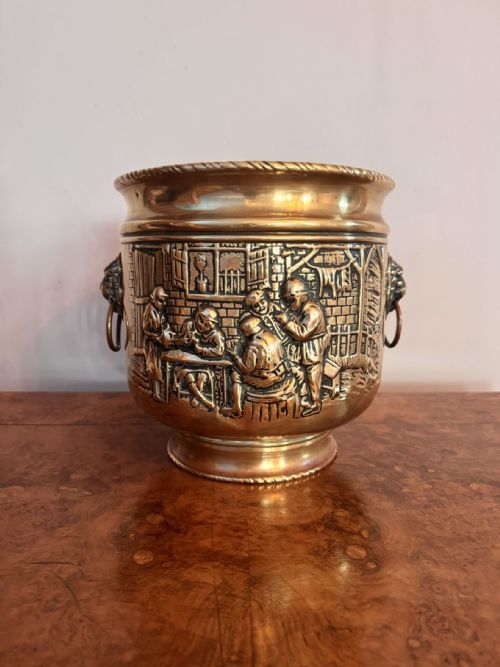
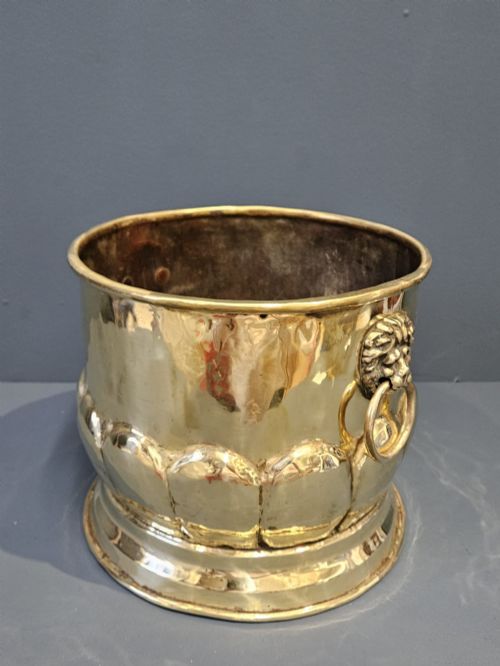
An antique brass coal bucket planter spans utilitarian fireside vessels and decorative indoor plant holders shaped from sturdy metal and timber.
Victorian and Edwardian examples dominate the selections here, alongside pieces originating across the nineteenth century and into the early twentieth century.
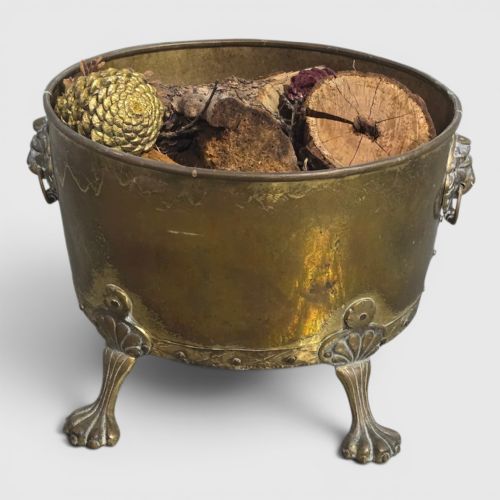
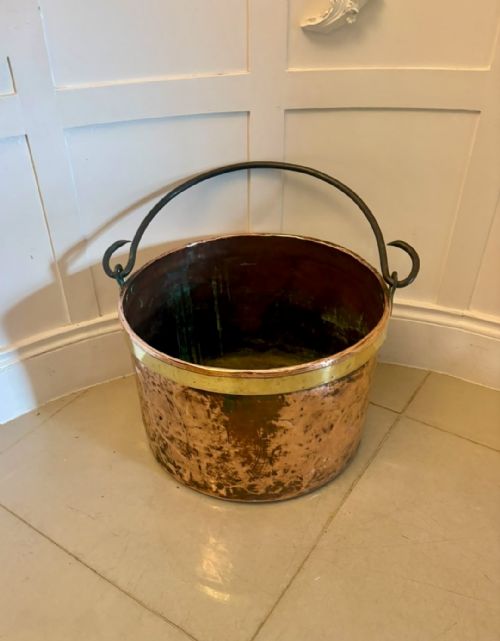
Forms shift fluidly between log bins, peat buckets, cauldrons, and boat-shaped jardinieres that double as fuel stores.
Materials and construction
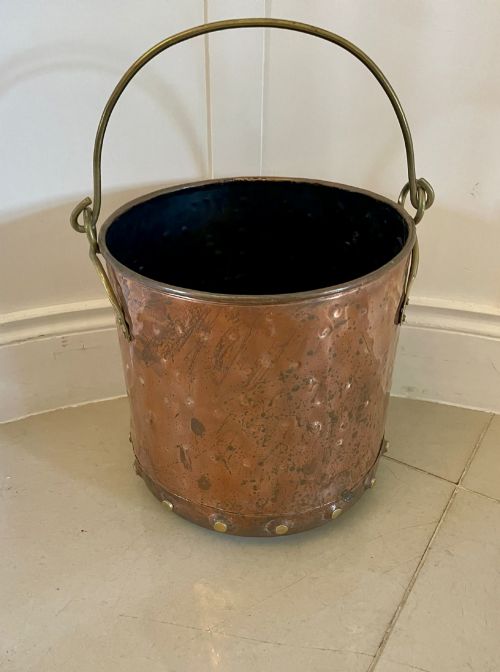
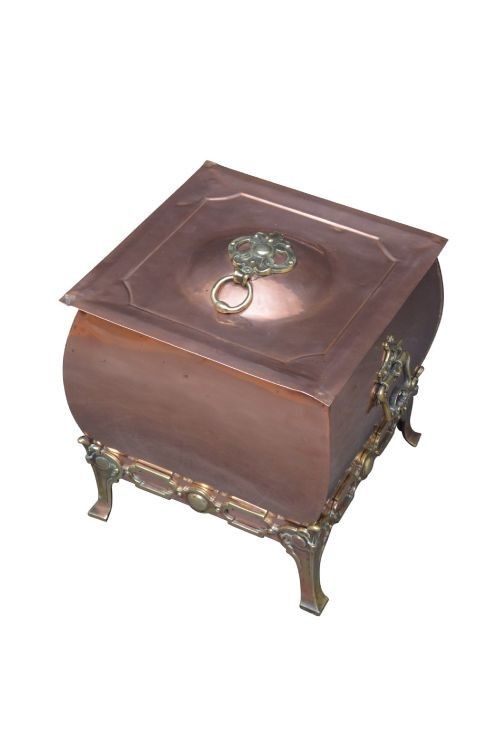
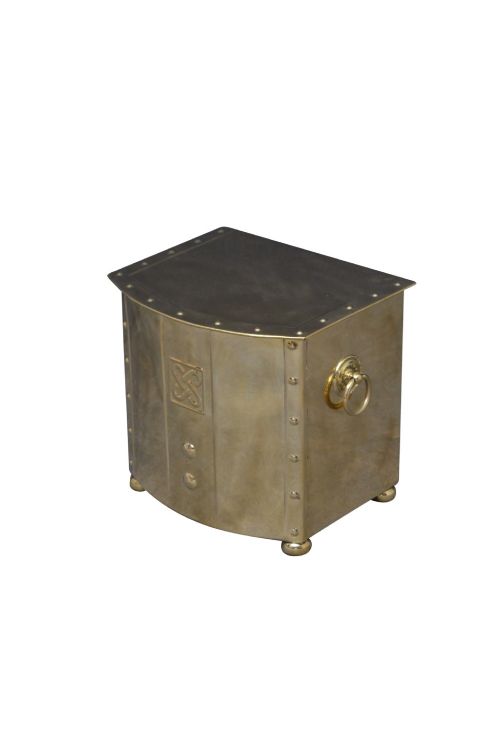
Smiths hammered sheet brass and copper into deep vessels, often joining plates with visible metal rivets or mounting them over internal zinc liners.
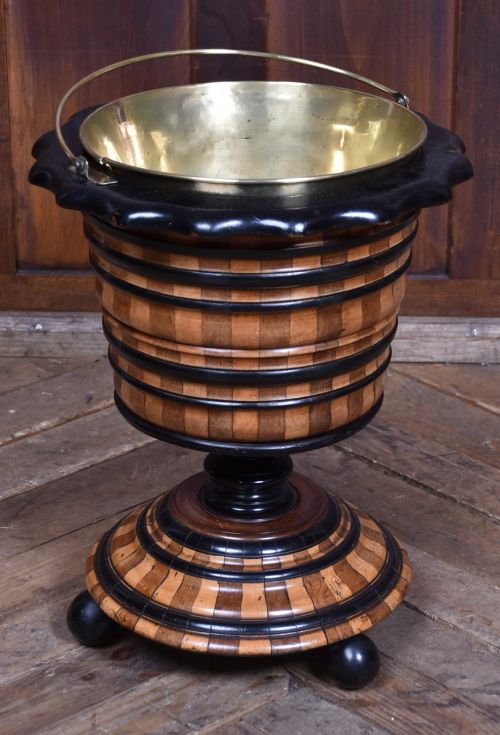
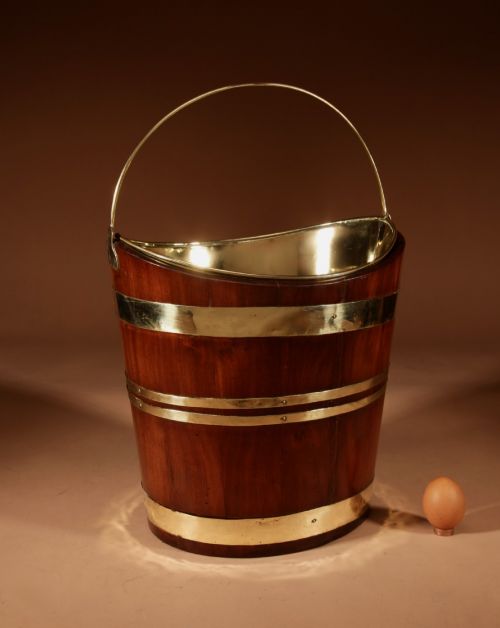
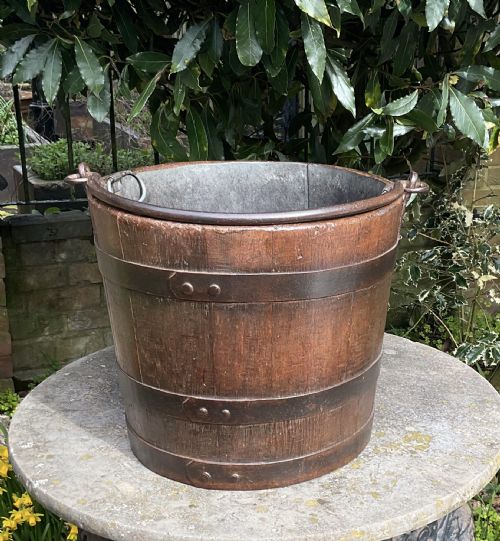
Coopers constructed wooden alternatives from staves of mahogany, oak, and ebonised wood, bound tightly with heavy brass bands and swing handles.
Antique Brass Coal Bucket Planter Retail Price Guide 2026
Typical asking prices for brass coal bucket planter among the pieces listed under this phrase on Sellingantiques today, from the lower quarter to the upper quarter. They describe what is for sale here now, not the wider market.
Build and finish
Subtle variances lie in the crispness of hand-beaten surfaces, the weight of the base metal, and the integrity of the riveted seams.
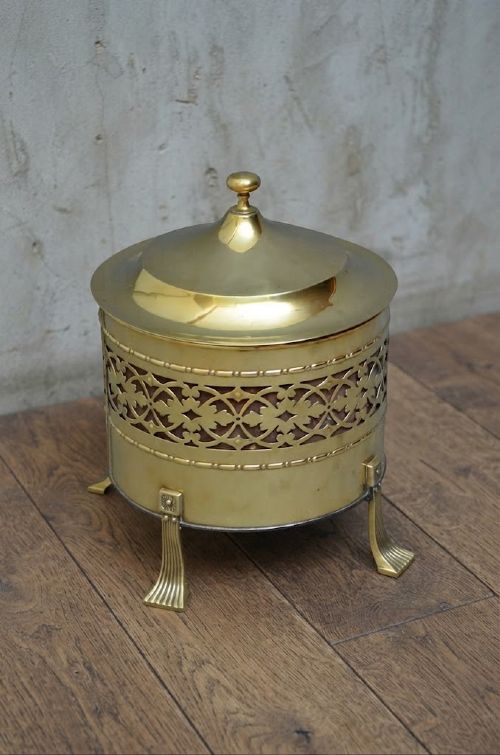
Finishes range from plain polished sheet metal to intricate fretwork designs and dinanderie work that alter the visual weight of the object.
Henry Loveridge·Petrus Ramus
The Antique Brass Coal Bucket Planter Glossary
- Coopered
- Built from wooden staves fitted together and held by metal hoops, much like a traditional cask or barrel. This technique provides structural strength for holding dense loads of fuel.
- Dinanderie
- Ornamental brass or copper ware produced by hammering and etching sheet metal. The term covers vessels originating from traditional metalworking centres.
- Jardiniere
- An ornamental pot or stand for holding plants and flowers. These vessels often double as decorative containers for logs and coal beside the hearth.
- Teestoof
- A traditional Dutch foot warmer or small stove designed to hold embers. These pieces frequently feature pierced metal lids and brass liners.
- Swing handle
- A movable arched metal handle attached to pivot pins on opposite sides of a bucket. This allows the vessel to be lifted and tilted with ease.
Antique Brass Coal Bucket Planter: Frequently Asked Questions
Can I use these as indoor planters?
Many examples include internal metal liners designed to contain moisture and soil safely away from the outer body.
Check whether the specific vessel retains its original liner before direct planting.
How do I clean antique brass?
Gentle dusting and occasional wiping with a soft cloth preserve the aged surface patina built up over decades.
Avoid harsh abrasive cleaners that strip away the historic finish.
What is the difference between a log bin and a coal bucket?
Log bins generally provide open space for stacking dry timber, while coal buckets often include swing handles and secure liners for carrying loose fuel.
Many antique vessels served both roles interchangeably depending on household needs.
How do I date a coopered wooden bucket?
Examine the wood species, such as mahogany or oak, alongside the construction of the brass bands and handle fixings.
Victorian and Edwardian workshop methods leave distinct tool marks on the internal staves.