


Vintage Brass Mantel Candlesticks
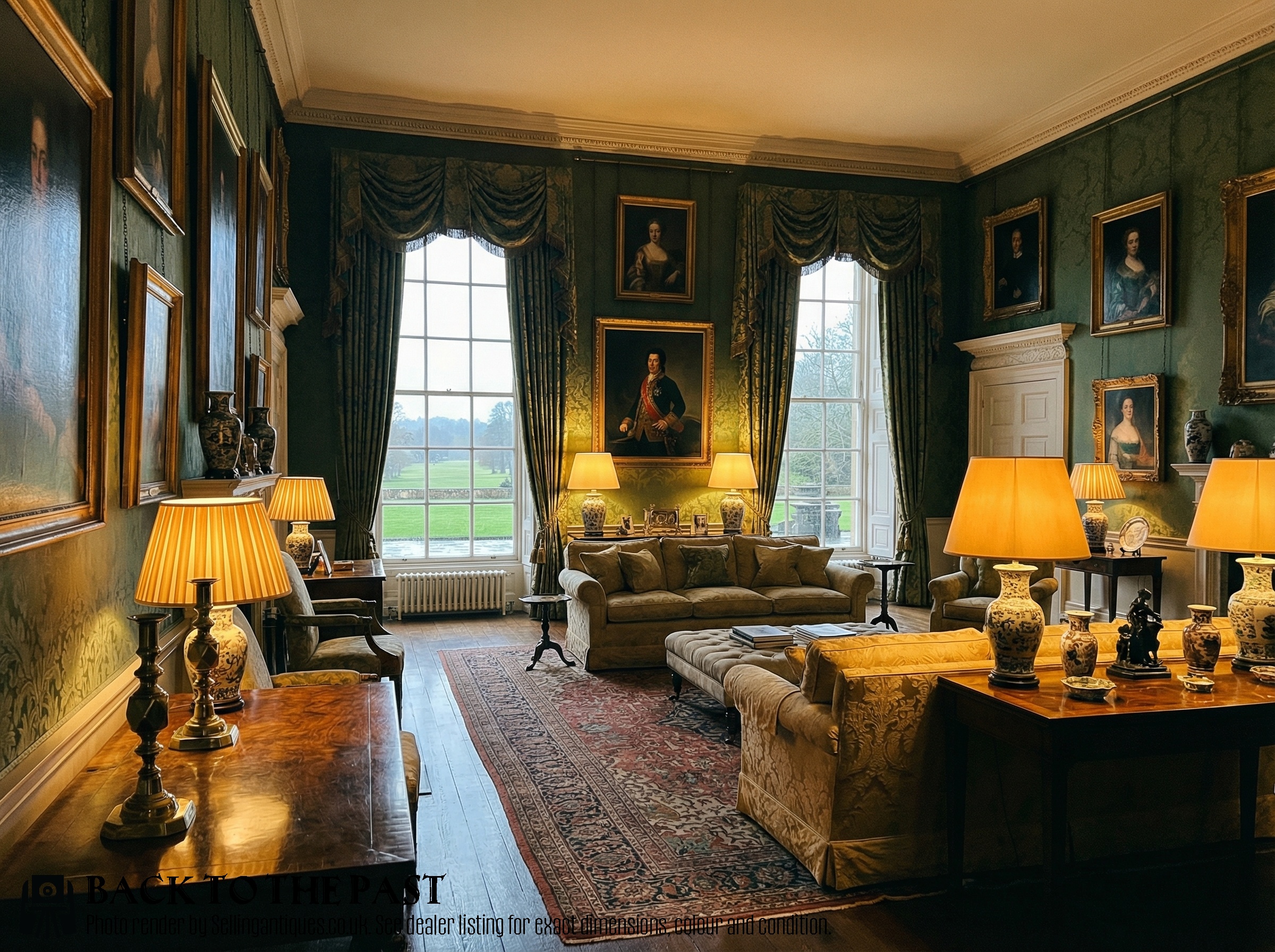
These vintage brass mantel candlesticks bring steady weight and warm metal gleam to a fireplace, offering a practical anchor for a room.
Vintage Brass Mantel Candlesticks
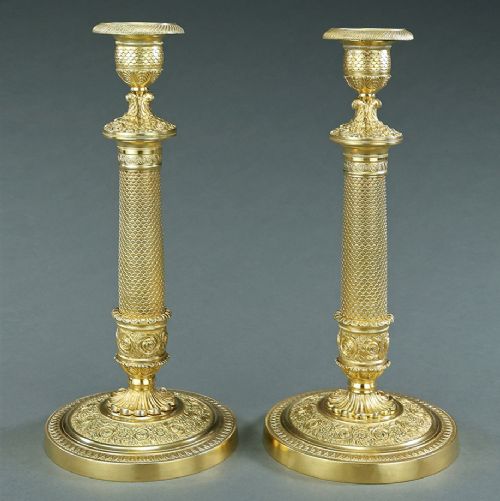
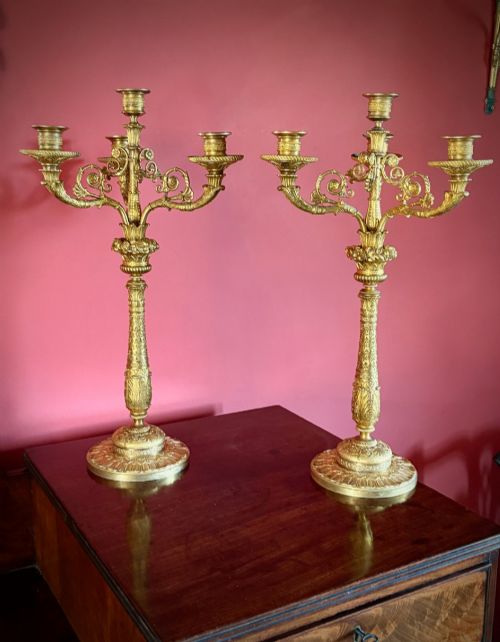
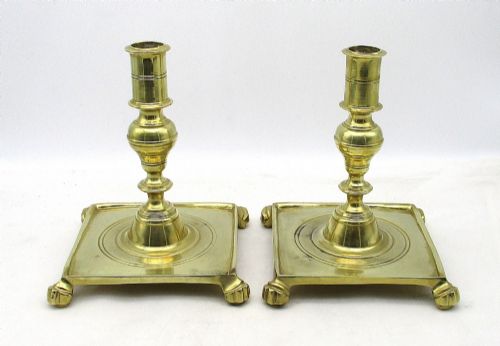
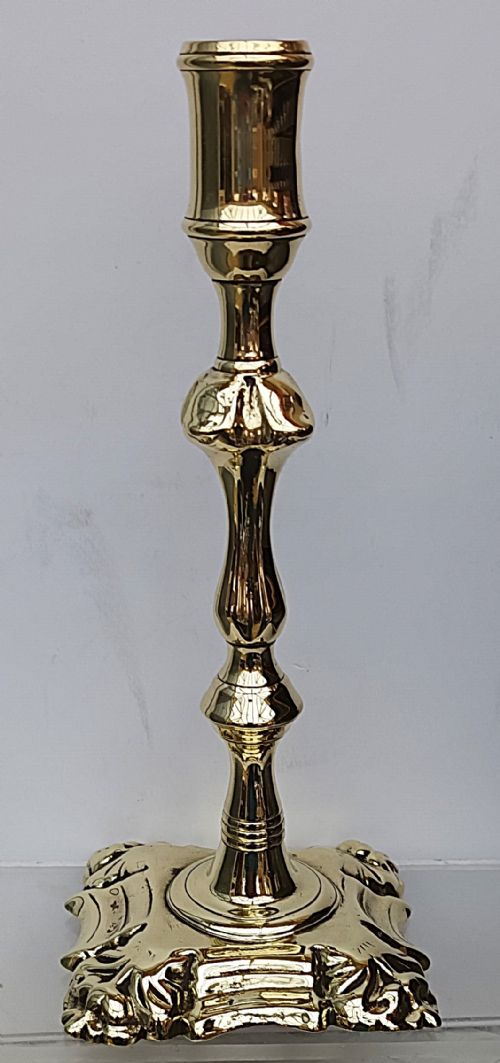
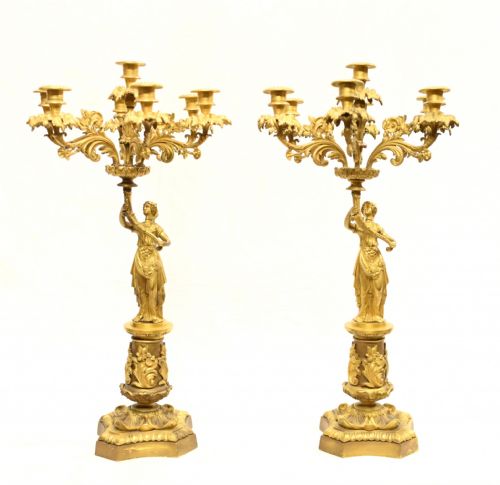
When you search for vintage brass mantel candlesticks, you encounter weighted holders designed to sit upon a mantelpiece, often appearing in symmetrical pairs to balance a fireplace display. These pieces range from simple English brass examples to ornate French revival designs adorned with branches and sconces.
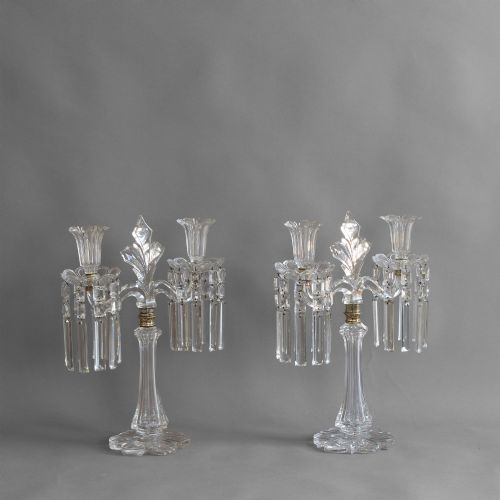
The selections on this page span several distinct periods, including Victorian, Edwardian, and Georgian eras, alongside French Rococo and Neoclassical styles. Most examples date from the nineteenth and early twentieth centuries, featuring standard single-stem candlesticks alongside multi-armed candelabras and pairs set with hanging glass drops.
How they were made
The foundational material across these listings is brass, frequently accompanied by gilt bronze, ormolu, and patinated bronze. Workshops utilised casting techniques to shape the heavy metal components, turning columns and bases to achieve solid proportions.
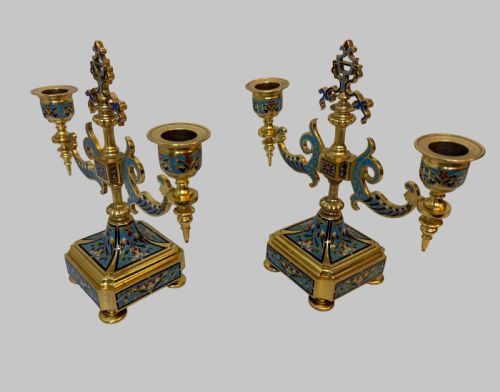
Secondary elements introduce contrasting textures through the inclusion of marble plinths, glass, cut glass, and crystal lustre drops. Selected pieces also incorporate champlevé enamel detailing alongside gilded finishes to enhance the decorative surface.
Listings feature brass, gilt bronze, ormolu, and patinated bronze, often paired with marble and cut glass elements across Victorian, Edwardian, and Georgian periods.
What varies in quality
The distinction between standard production and the top of the range rests on the crispness of the casting and the depth of the chasing on the metal surface. Superior examples display sharply defined ornamentation without softness in the foliage or figural details.
Weight and stability also separate the tiers, as heavier castings utilise thicker gauge metal that resists bending at the stem and base. Furthermore, the integration of secondary materials like marble bases or matched crystal drops indicates greater ambition in the original workshop.
The Vintage Brass Mantel Candlesticks Glossary
- Ormolu
- A gilded bronze technique used extensively in French decorative metalwork. It produces a rich golden finish that does not tarnish easily.
- Lustre
- A candlestick or candelabra fitted with glass pendants or drops. These hanging elements refract candlelight to increase illumination.
- Champlevé
- An enamelwork technique where troughs are gouged into the metal surface and filled with vitreous paste before firing. This creates colourful patterned designs across the bronze body.
- Candelabra
- A branched candleholder carrying multiple lights on separate arms. They provide a grander silhouette than single stem candlesticks.
- Patinated bronze
- Metal treated with chemical solutions to darken or colour the surface. This ageing process accentuates the relief details of the casting.
Vintage Brass Mantel Candlesticks: Frequently Asked Questions
Are these candlesticks safe to use with real candles?
Most of these pieces accommodate standard taper candles securely within their metal sockets. Checking the diameter of the cup ensures the candle sits upright before lighting.
Protective measures beneath the base help catch stray wax drips and protect antique mantel surfaces from heat damage during prolonged burning.
How do I clean antique brass safely?
Gentle dusting with a soft, dry cloth preserves the existing patina accumulated over the decades. Avoid abrasive commercial polishes that strip away historical surface character.
If cleaning is necessary, mild soapy water applied sparingly removes accumulated soot and grime without harming the underlying metal or gilt finish.
How do I distinguish Victorian from Georgian pieces?
Georgian examples often exhibit simpler, heavier geometric proportions with stepped square or round bases. Their construction reflects earlier eighteenth-century utilitarian domestic requirements.
Victorian and later styles frequently display heavier ornamentation influenced by French revival aesthetics. They incorporate elaborate cast foliage, figural elements, and mixed materials such as marble or champlevé.