

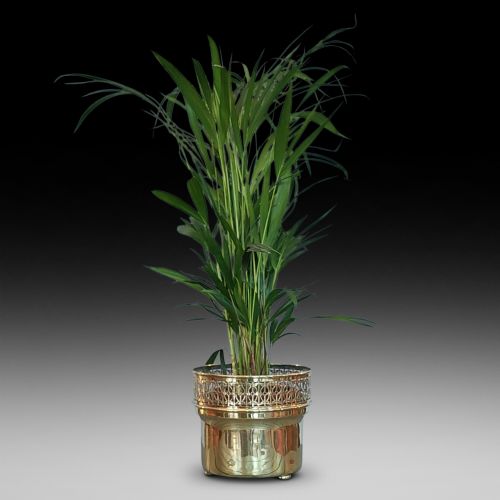
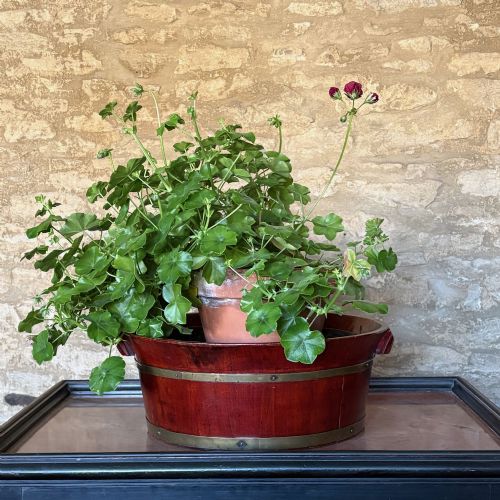
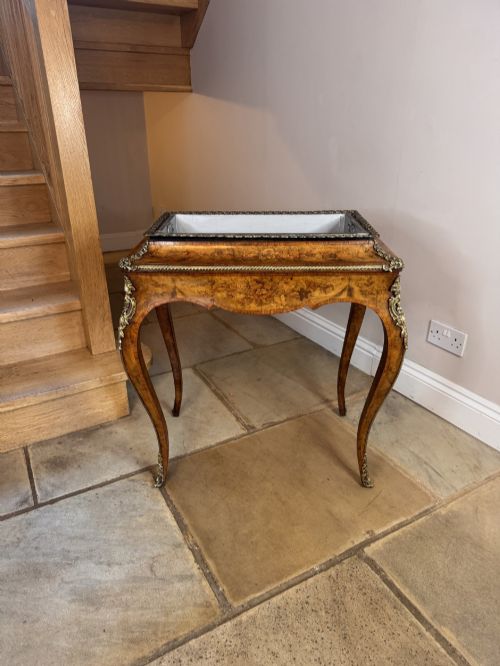

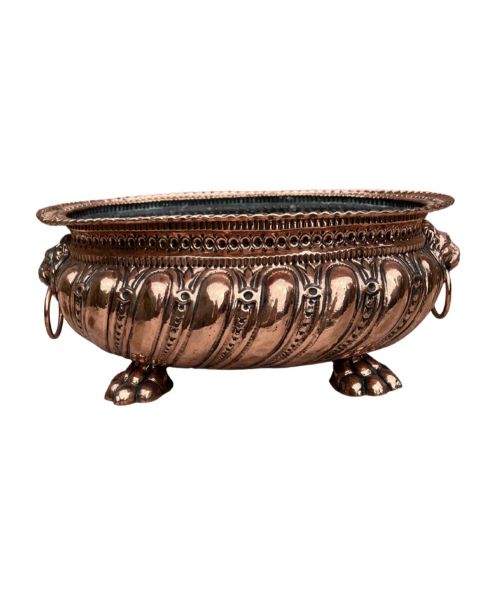

Vintage Brass Jardiniere
A vintage brass jardiniere brings sculptural metalwork and greenery together, offering a traditional centrepiece for domestic interiors.
Vintage Brass Jardiniere
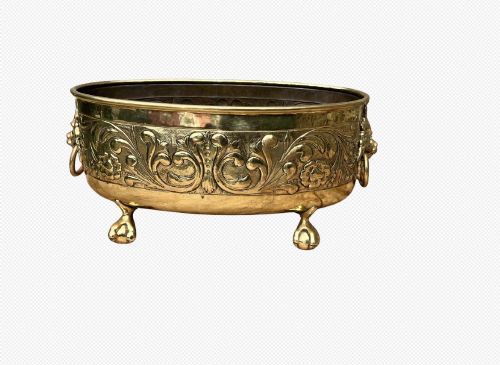
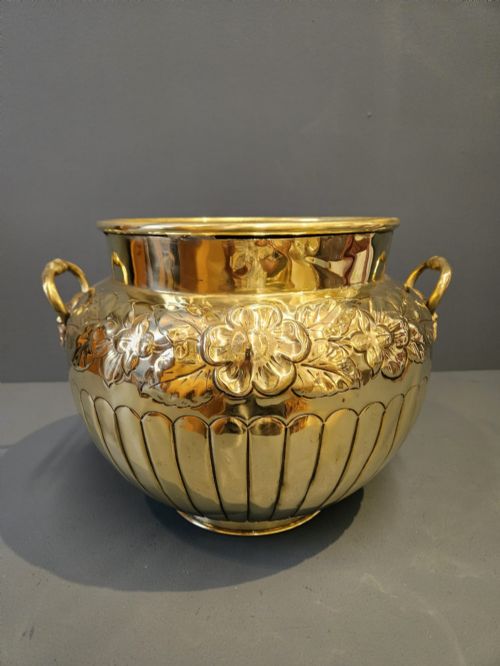
A vintage brass jardiniere is a decorative vessel designed to hold potted plants, flowers or greenery inside the home. Buyers searching this phrase encounter a variety of forms, from cylindrical vessels to footed bowls and floor-standing planters.
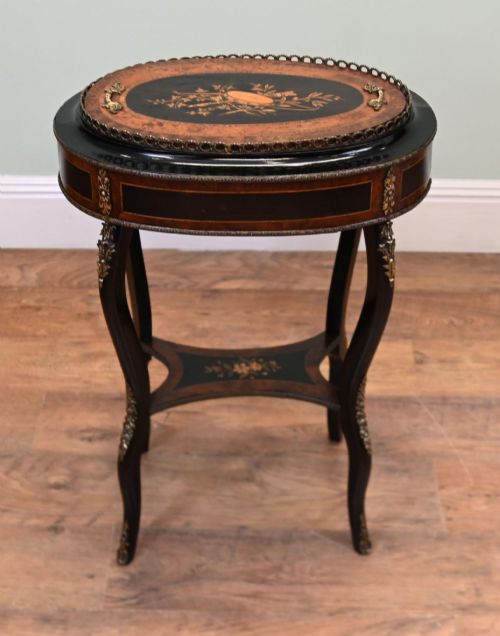
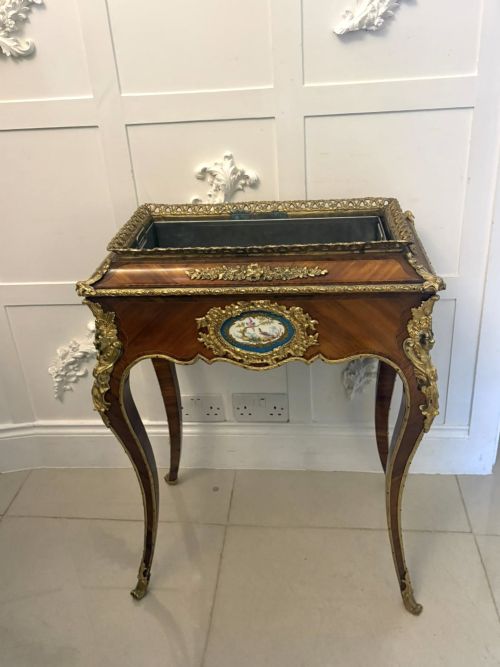
The pieces listed on this page span the Victorian and Edwardian eras, alongside later examples from the 1920s and 1930s. Alongside standalone vessels, the selection includes plant stands and table combinations utilising materials such as mahogany, oak and marble.
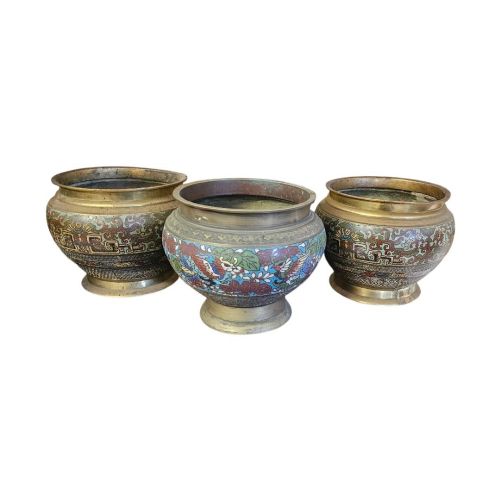
Origins vary across the inventory, with Dutch, French and English examples appearing alongside Asian revival pieces. Buyers will find both polished brass and mixed-metal creations incorporating copper accents and cast ornamentation.
Materials and construction methods
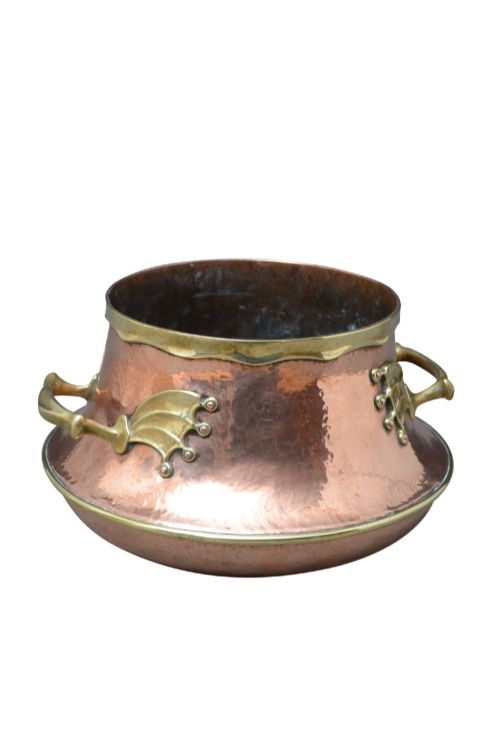
Makers utilised brass and copper as primary sheet metals, often combining them with wooden frames made from mahogany, walnut, satinwood or oak. Metal components were shaped through hammering, pressing and piercing to create decorative surface patterns.
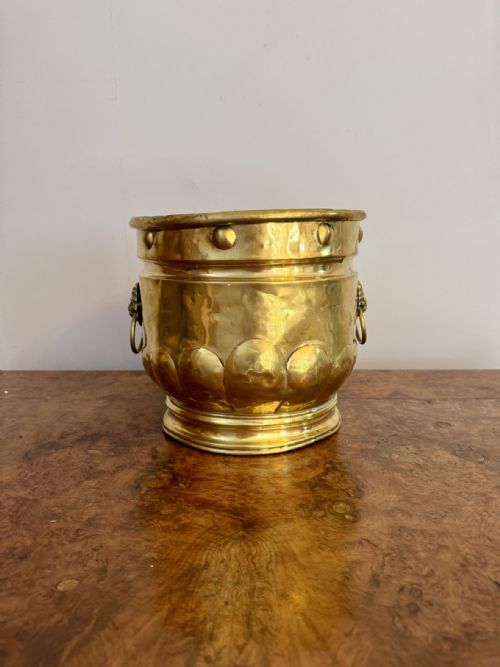
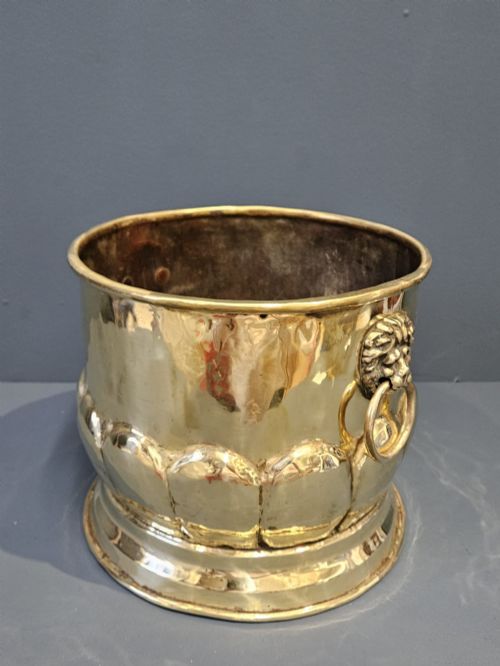
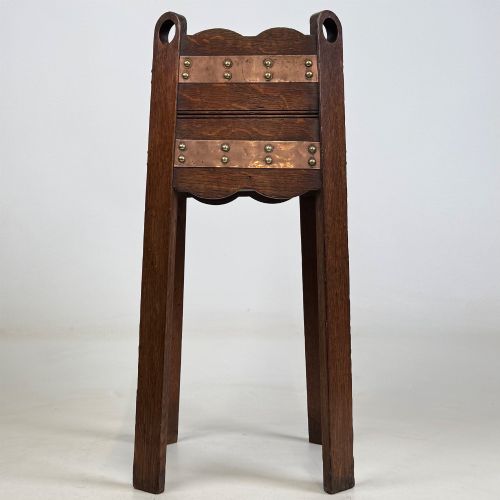
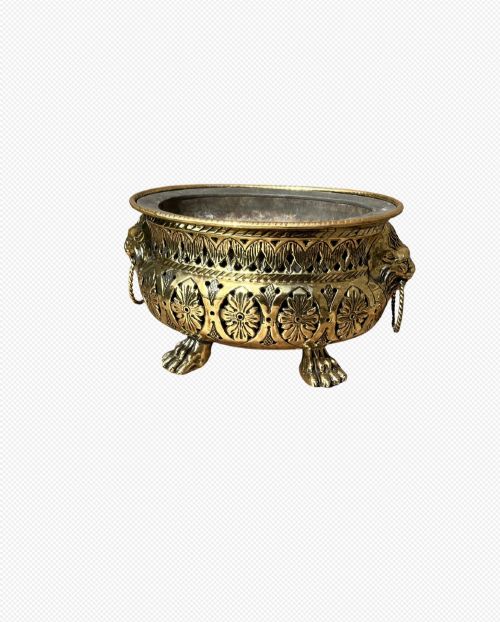
Cast elements such as lions mask handles, crests and original stands added structural weight and decorative detail to the vessels. Wooden stands and tables incorporated coopered construction, inlay and brass banding to support the weight of wet soil and plants.
Vintage Brass Jardiniere Retail Price Guide 2026
Typical asking prices for vintage brass jardiniere among the pieces listed under this phrase on Sellingantiques today, from the lower quarter to the upper quarter. They describe what is for sale here now, not the wider market.
Some copper vessels doubling as plant holders spent past lives as log buckets or Gladstone bags.
Distinctions in craftsmanship
Quality rests in the heaviness of the gauge metal and the crispness of surface decoration, such as hand-hammered texturing or intricate pierced fretwork. Superior examples retain their original matching stands, liners or mounted brass handles without replacement parts.
Finer pieces display considered proportions and refined joining techniques, particularly where brass meets timber in coopered planters or fitted tables. The integration of cast heraldic motifs or figural handles elevates the decorative ambition of the vessel.
J Sankey and Sons
The Vintage Brass Jardiniere Glossary
- Jardiniere
- A large ornamental pot or vessel designed to hold plants or flowers indoors. They appear in metal, ceramic and wood.
- Dinanderie
- An umbrella term for medieval and later European brass and copper wares, particularly embossed or cast domestic vessels. The technique originates from the Belgian town of Dinant.
- Cellarette
- A lockable container or fitted box used for holding wine bottles, frequently adapted or repurposed as a planter. They often feature internal divisions or brass banding.
- Pierced
- Metalwork that has been cut through to create openwork decorative patterns or friezes. This technique allows light through the vessel wall.
- Coopered
- Woodwork constructed from vertical staves bound together with metal hoops, traditionally used for buckets and barrels. This method ensures waterproof integrity for wooden plant holders.
Vintage Brass Jardiniere: Frequently Asked Questions
What is a vintage brass jardiniere used for?
These vessels were originally manufactured to house potted palms, ferns and floral displays inside Victorian and Edwardian reception rooms. They protected tabletops and floors from water spillage while adding a decorative metallic accent to domestic spaces.
Today, owners utilise them for holding indoor house plants, dried arrangements or as standalone decorative objects on side tables and plant stands.
How do I distinguish Victorian from Edwardian examples?
Victorian vessels frequently display heavier cast ornamentation, Gothic or classical motifs, and robust pierced brass galleries. They often feature rich patination and applied heraldic crests or lion mask handles.
Edwardian pieces tend to show lighter construction, sometimes incorporating inlaid mahogany or oak stands with softer, more restrained lines reflecting Arts and Crafts or early twentieth-century tastes.
Can I plant directly into the metal vessel?
Many antique vessels lack internal waterproof liners, meaning damp soil can accelerate internal corrosion and tarnish the brass or copper over time. It is generally advisable to place a separate plastic pot or saucer inside the jardiniere.
Using a removable inner container protects the original metal base from moisture damage and makes watering and plant maintenance much simpler.
What is the difference between a jardiniere and a plant stand?
A jardiniere is strictly the pot or vessel itself, whereas a plant stand refers to the elevated wooden or metal table designed to support it. Many surviving examples combine both elements as a single integrated furniture piece.
Listings may present them together as a matched set or offer floor-standing variations that elevate the botanical display to eye level.