






Vintage Brass Hinged Cabinet
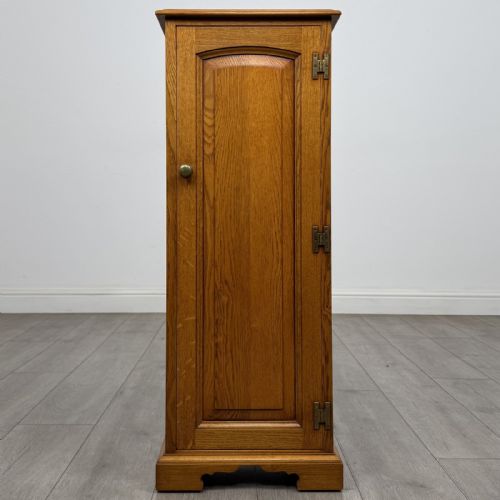
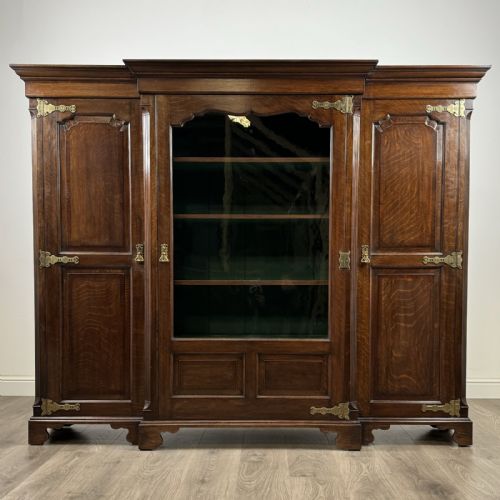
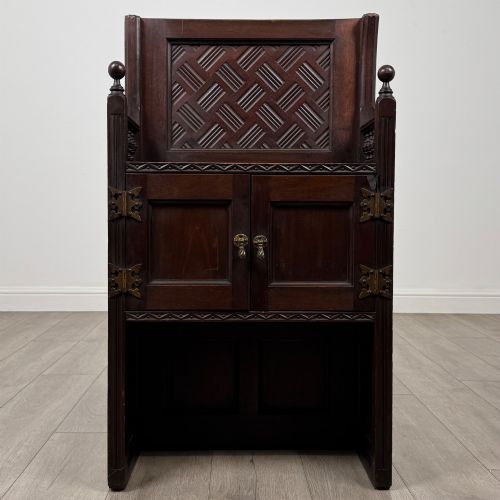
A vintage brass hinged cabinet brings functional storage to a room through visible metalwork and traditional timber construction.
Vintage Brass Hinged Cabinet
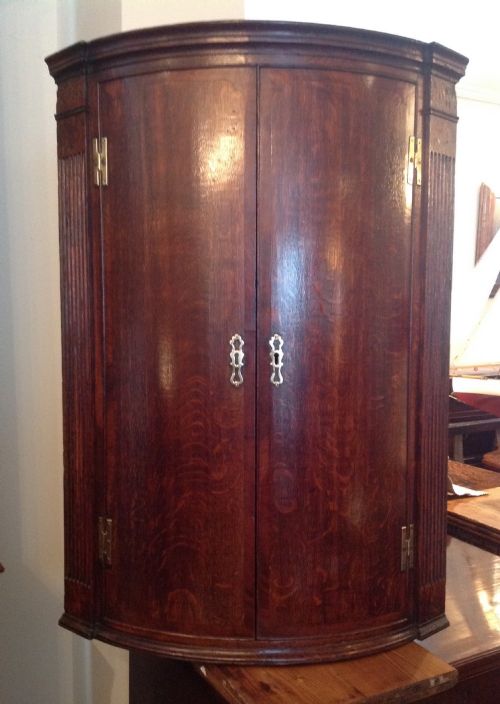
A vintage brass hinged cabinet encompasses wall-hanging corner cupboards, floor-standing cocktail cabinets, and sideboards secured with metal hardware. These storage pieces span Georgian, Victorian, Edwardian, and 1930s periods, reflecting centuries of cabinet-making traditions.
The examples available here range from eighteenth-century oak corner cupboards to 1920s and 1930s burr walnut and mahogany drinks cabinets. Buyers will also encounter architectural elements such as brass door hinges and cabinet hardware.
Timber varieties shape the appearance of these pieces significantly. Oak, mahogany, burr walnut, walnut, and pine provide the primary carcases, often paired with glass panels or painted finishes.
Materials and construction
Cabinet makers utilised solid timbers like oak and mahogany alongside decorative veneers such as burr walnut and flame mahogany to build the carcases. These woods were joined using traditional woodworking techniques suited to hanging cupboards and standing cabinets.
Brass formed the hinges, handles, and finials that secured the doors and added decorative contrast to the timber surfaces. Paint and glass were also employed on specific Georgian and twentieth-century variants.
Vintage Brass Hinged Cabinet Retail Price Guide 2026
Typical asking prices for vintage brass hinged cabinet among the pieces listed under this phrase on Sellingantiques today, from the lower quarter to the upper quarter. They describe what is for sale here now, not the wider market.
Brass hinges occasionally outlive the timber doors they once swung, finding new life as standalone collector's items.
Assessing quality
The refinement of the timber selection determines the visual hierarchy among these cabinets. Highly figured burr walnut and flame mahogany veneers distinguish finer twentieth-century cocktail cabinets from simpler utility pieces.
The execution of the brass hardware and the precision of the joinery further separate standard items from superior examples. Original brass finial hinges and well-fitted doors indicate higher craftsmanship.
The Vintage Brass Hinged Cabinet Glossary
- Bowfront
- A convex curved cabinet front that projects outward from the corners. This shape appears frequently on eighteenth-century and Georgian corner cupboards.
- Cocktail cabinet
- A specialised piece designed for storing drinks and glassware, popular during the 1920s and 1930s in burr walnut and mahogany. These often feature drop-front work spaces.
- Finial
- A decorative terminal ornament found on the ends of brass door hinges. Victorian hardware often incorporates these detailed cast elements.
- Hanging cupboard
- A wall-mounted storage unit designed to fit into room corners or flat walls. Oak examples from the Georgian period utilise this space-saving form.
Vintage Brass Hinged Cabinet: Frequently Asked Questions
How do I date a wooden corner cupboard?
Dating relies on timber choice, construction methods, and stylistic details such as panel configurations. Georgian and eighteenth-century pieces typically show different joinery and wood patination compared to later 1930s iterations.
Hardware also provides clues, as brass hinges and locks evolved in manufacturing style over the centuries.
What is the difference between a cocktail cabinet and a corner cupboard?
A cocktail cabinet is typically a freestanding floor unit designed for entertaining, often featuring specialised interior fittings for bottles and glasses. They frequently date to the 1920s and 1930s in burr walnut or mahogany.
Corner cupboards are primarily designed to utilise unused room angles, hanging on walls or standing on the floor, with origins stretching back to the Georgian era in oak.
Where should I place a hanging corner cabinet?
These cabinets suit intersections of walls where standard rectangular furniture would jut into walking space. They maximise vertical storage in dining rooms, hallways, or kitchens.
Ensure the wall structure can support the weight of solid timber carcases, particularly heavier oak or mahogany versions.
What woods were commonly used for these cabinets?
Makers relied on durable native and exotic timbers depending on the period. Oak and pine served well for earlier Georgian and eighteenth-century storage.
By the Edwardian period and the 1930s, mahogany and burr walnut became favoured for their rich grain patterns and suitability for decorative veneers.