
Vintage Brass Hearth Accessories
These vintage brass hearth accessories bring warmth and character to a fireplace, offering both practical utility and period style.
Vintage Brass Hearth Accessories
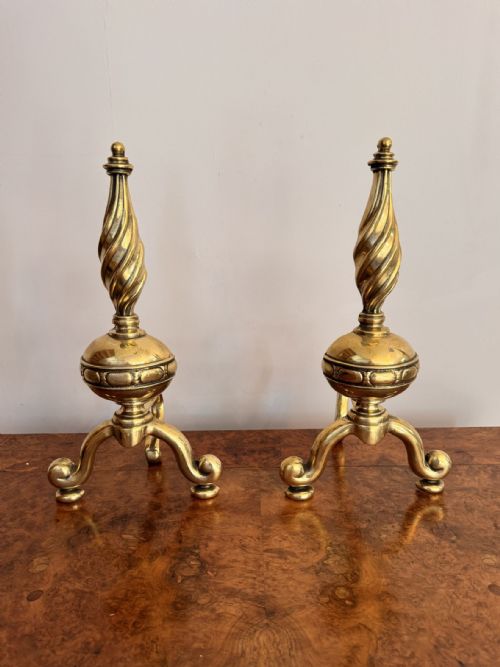
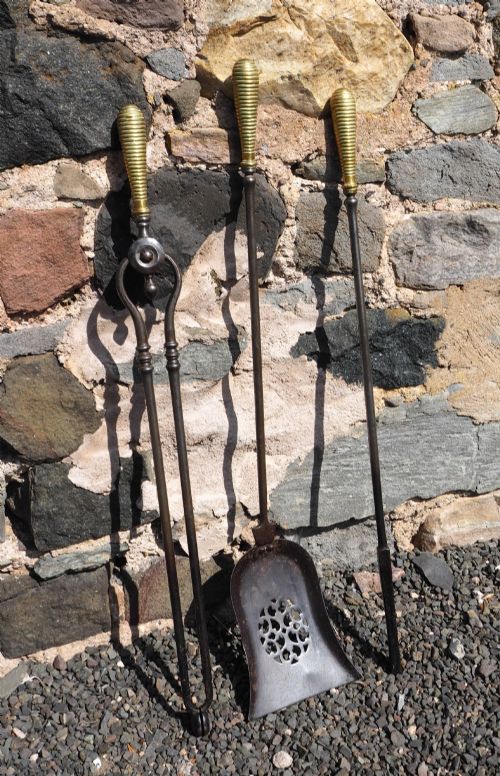
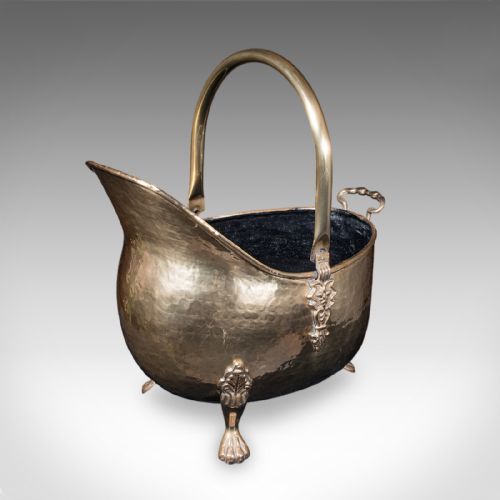
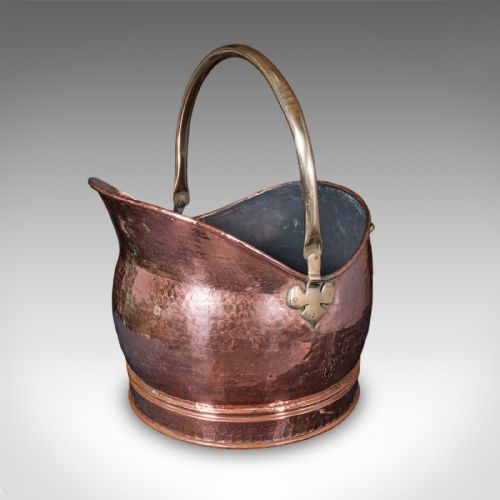
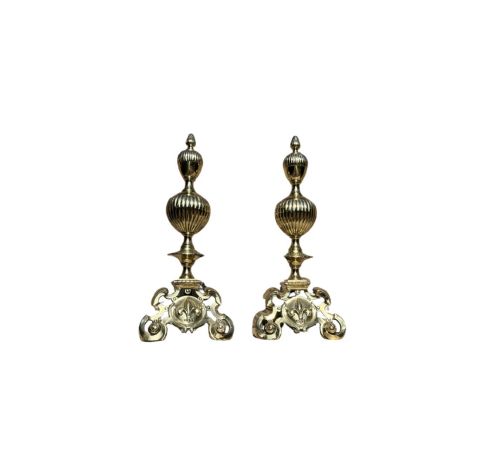
Vintage brass hearth accessories encompass a wide variety of functional fireside items, from coal scuttles and buckets to fire dogs, fenders, screens, and companion sets. When browsing these listings, you will frequently encounter robust coal containers, sturdy andirons, and protective fenders dating from the eighteenth century through to the Edwardian period.
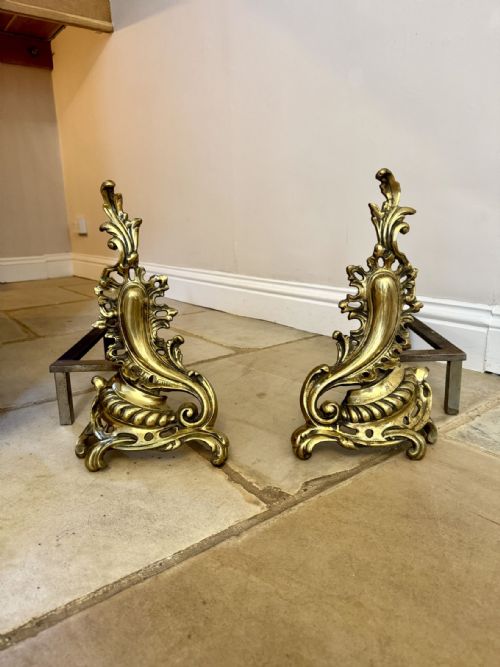
The selection reflects diverse historical design influences, including Georgian, Victorian, Regency, and Arts and Crafts styles. Pieces range from simple, utilitarian iron and brass tools to ornate French rococo fire dogs and pierced brass fenders.
Originating largely from English and French workshops, these objects served essential daily purposes in heating homes before central heating existed. Today, collectors and homeowners utilise them to anchor a fireplace scheme with authentic period craftsmanship.
Materials and construction
Makers relied primarily on brass, copper, cast iron, and steel to withstand intense hearth temperatures while providing decorative lustre. Brass components were often cast or beaten into shape, then combined with iron and steel for structural strength in tools and andirons.
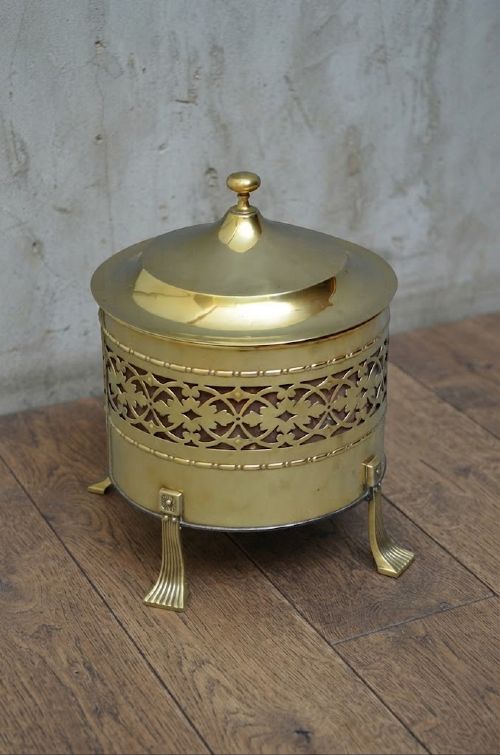
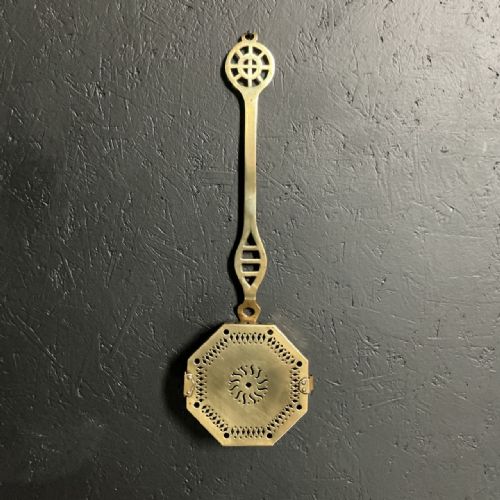
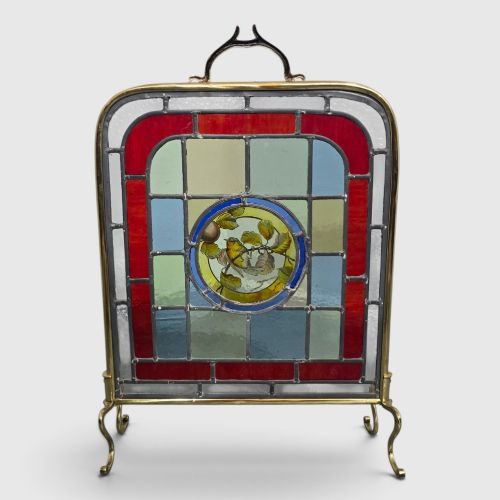
Surface treatments included hand-finishing, piercing, and fretwork designs, particularly seen on coal buckets and fenders from the Victorian and Edwardian eras. Gilt bronze and painted metal also appear on decorative items like fire screens and companion sets.
Combination pieces frequently join brass bodies with iron or steel fittings, showcasing traditional metalworking techniques such as riveting and forging to ensure durability.
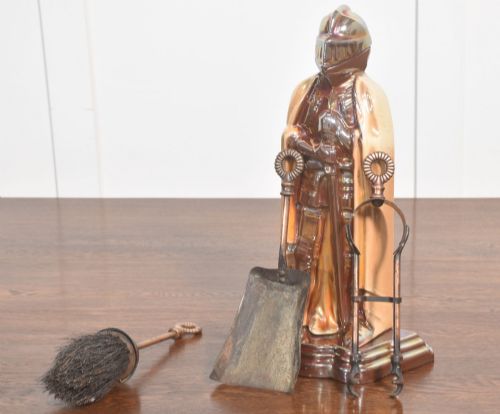
Armoured knights stand guard over hearths in the form of painted metal companion sets.
Evaluating quality and design
Quality in these hearth items depends heavily on the weight of the metal and the integrity of the construction. Solid brass castings and heavy-gauge copper demonstrate superior durability compared to thinner, pressed sheet metal alternatives.
The sophistication of the ornamentation dictates the upper tier of the range. Fine hand-finishing, intricate pierced brasswork, and detailed casting - such as seen on French rococo fire dogs or George III banded coal buckets - separate standard utilitarian pieces from exceptional examples of metalwork.
The Vintage Brass Hearth Accessories Glossary
- Andiron
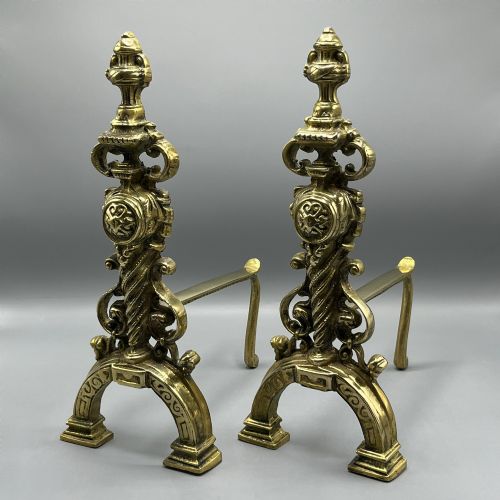
- A metal support used in pairs to hold logs in a fireplace. They are also known as fire dogs.
- Fender
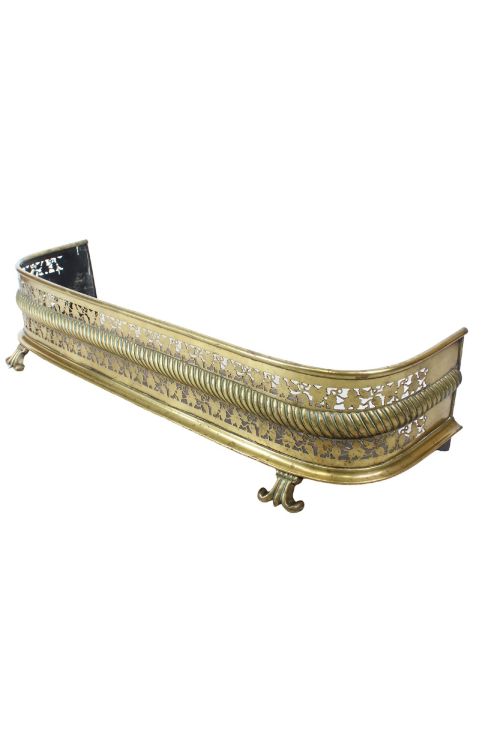
- A low metal guard placed before a hearth to contain sparks and ash. They often feature pierced brass designs.
- Companion set
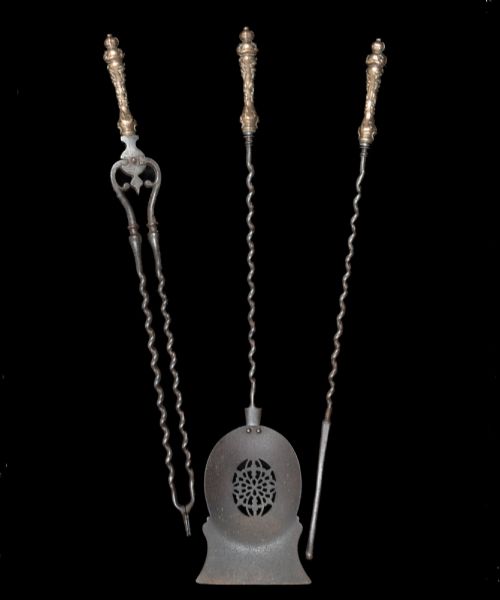
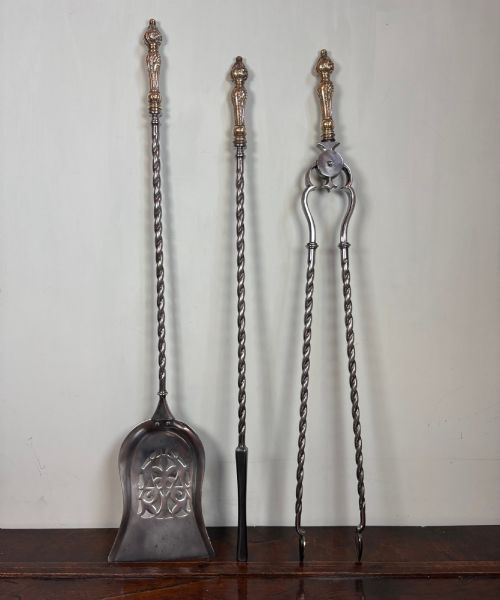
- A matched collection of fireplace tools, typically including tongs, a poker, and a shovel, kept together on a stand or rest.
- Coal scuttle
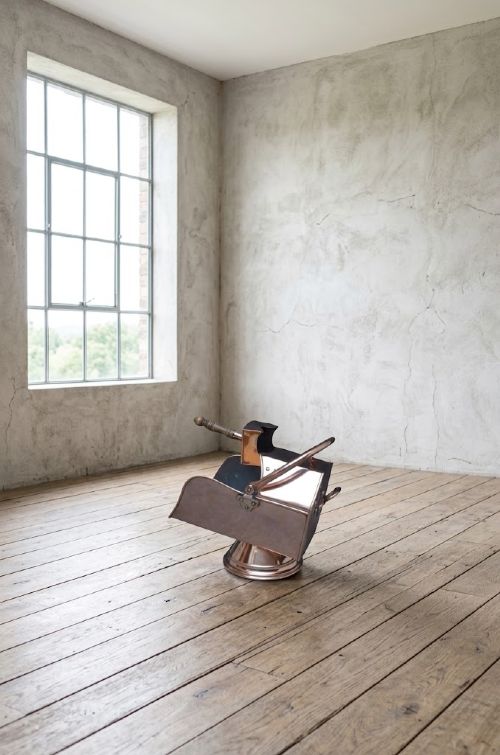
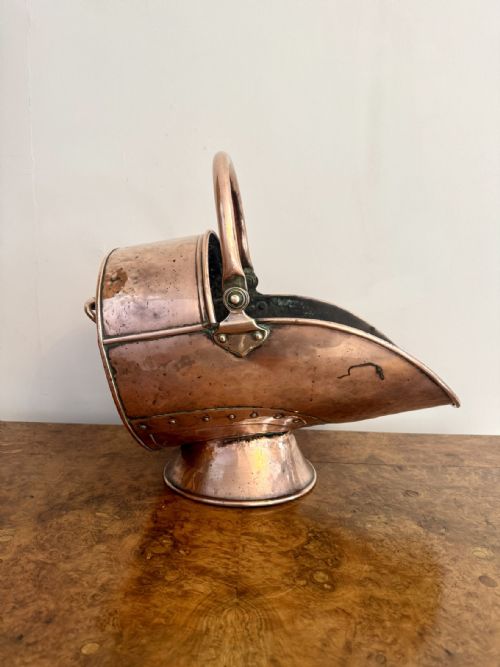
- A bucket or container designed for holding and transporting coal to the fire. They are frequently fashioned from brass or copper.
- Footman
- A metal stand placed in front of the hearth to keep food or kettles warm. They combine brass and steel construction.
Vintage Brass Hearth Accessories: Frequently Asked Questions
What are fire dogs used for?
Fire dogs support firewood inside the hearth, allowing air to circulate underneath for a better burn. They also prevent logs from rolling out into the room.
Historically, they were paired with iron baskets or used directly to cradle large pieces of timber.
How do I identify a Victorian fender?
Victorian fenders often display distinct pierced brass patterns or heavy cast construction typical of the nineteenth century. They sit directly on the floor around the hearth perimeter.
Look for hallmarks of the period such as Gothic Revival or Aesthetic Movement decorative motifs.
What is the difference between a coal scuttle and a log bin?
Coal scuttles usually feature a sloping shape and a handle for easy pouring into the hearth. Log bins are generally wider cylinders designed for stacking dry firewood.
Both materials, typically brass or copper, were chosen for durability and ease of cleaning.
Can I use antique fire tools daily?
Most antique steel and brass fire tools remain robust enough for regular use. Solid construction in iron and brass ensures they handle normal stoking duties.
Care should be taken with delicate decorative handles or lighter nineteenth-century pieces to preserve their finish.