




Victorian Brass Fire Tools
Victorian brass fire tools bring functional warmth and polished metal elegance to the hearth.
Victorian Brass Fire Tools
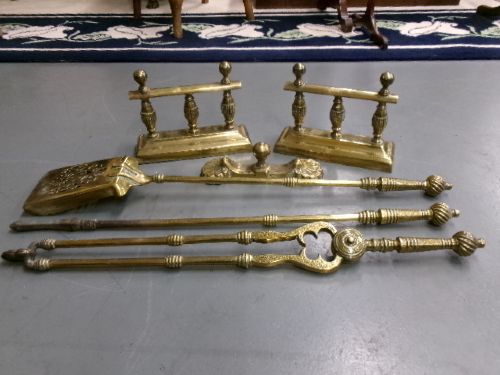
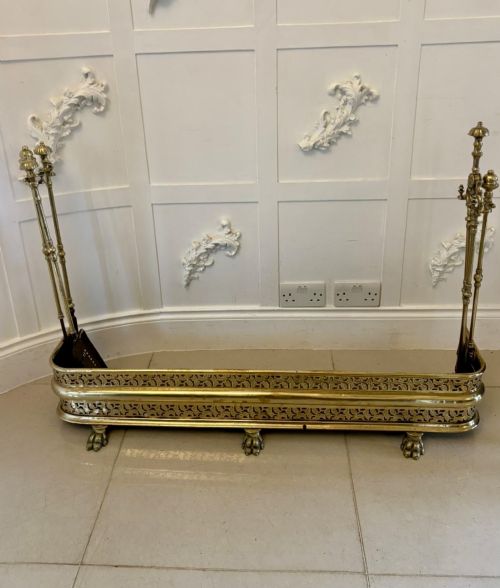
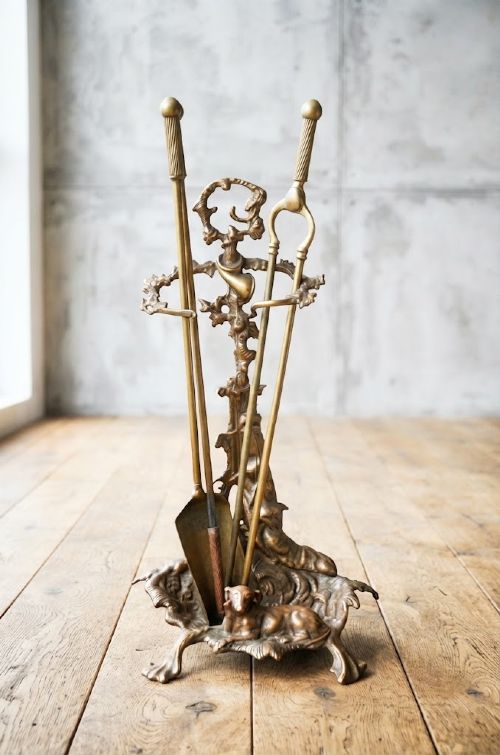
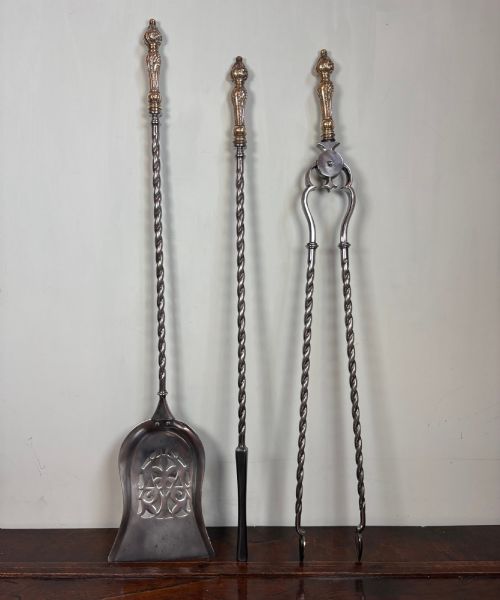
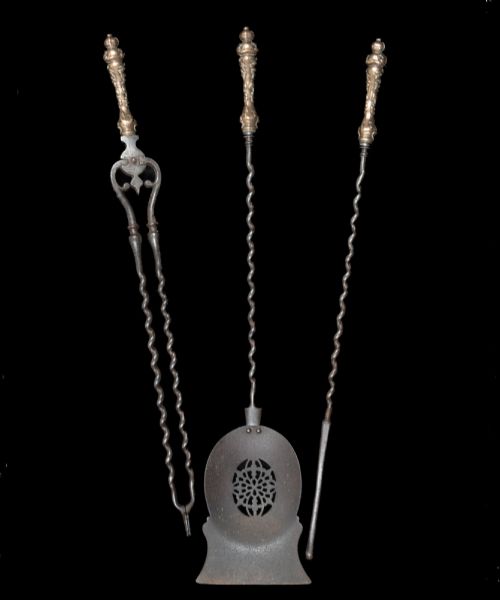
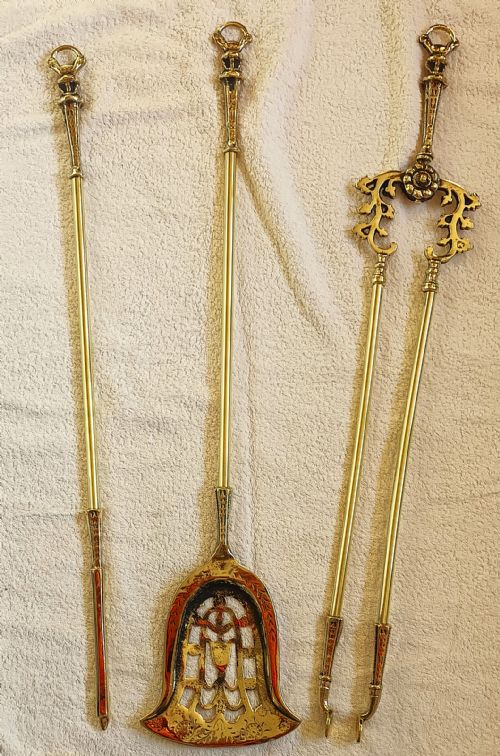
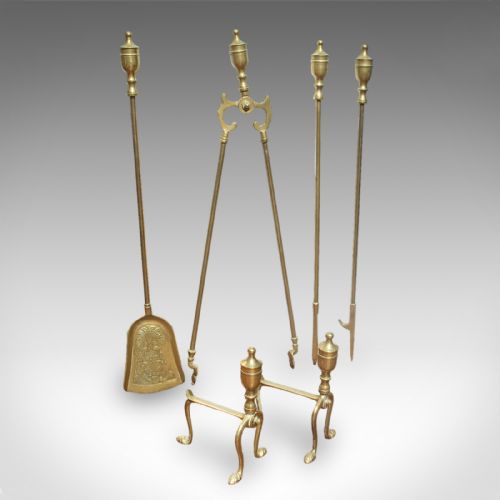
Victorian brass fire tools comprise sets and individual implements designed for tending hearth fires, frequently appearing as companion sets that include a shovel, poker and tongs. These pieces emerge from the nineteenth century alongside related fireplace accessories such as fenders, fire dogs and companion stands.
Buyers searching for victorian brass fire tools will encounter complete sets alongside mixed assemblies involving steel and cast iron elements. The most common configurations include three-piece suites or sets paired with matching fire dogs and stands dating from the mid to late nineteenth century.
Materials and Construction
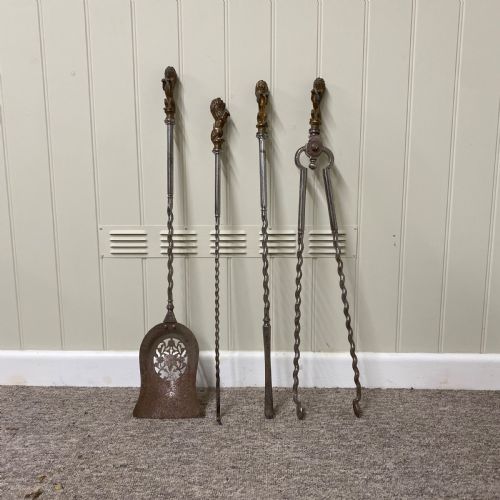
Brass serves as the primary visual material, often paired with steel or iron shafts and working ends to ensure durability during fireside use. Makers utilised cast brass for decorative handles and structural dogs, sometimes incorporating rope twist details and figural motifs.
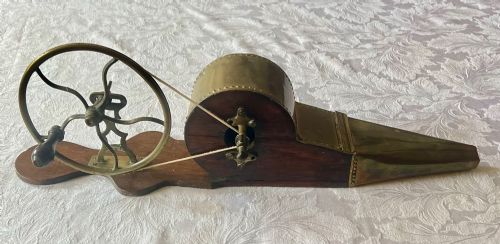
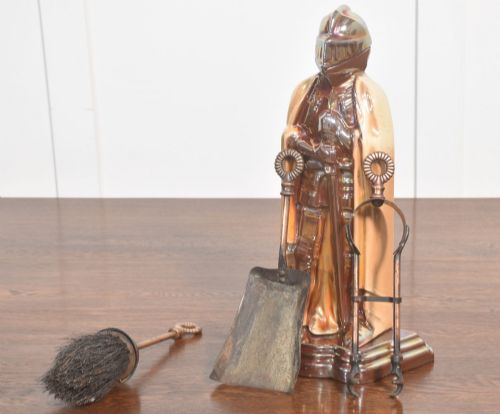
Individual implements combine forged steel shovels and pokers with cast brass components, whilst certain pieces integrate copper finishes, gun metal or painted metal elements. Companion stands and bellows add variety through wood, leather and Chinoiserie or hunting scene decorations.
Victorian Brass Fire Tools Retail Price Guide 2026
Typical asking prices for victorian brass fire tools among the pieces listed under this phrase on Sellingantiques today, from the lower quarter to the upper quarter. They describe what is for sale here now, not the wider market.
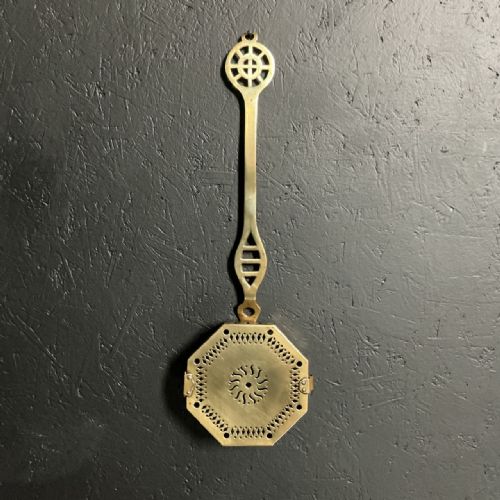
Hearth accessories occasionally stretch to antique chestnut roasters and hunting scene companion stands for fireside entertainment.
Evaluating Quality and Craftsmanship
Quality in these implements rests upon the weight of the metal and the crispness of decorative casting in handles and companion stands. Heavy gauge brass and substantial steel shafts distinguish superior workshop production from lighter domestic wares.
Design cohesion separates standard sets from exceptional examples, particularly where rope twist handles, matching fire dogs or specific stylistic movements like Arts and Crafts and Rococo Revival are executed with distinct sculptural depth.
James Cartland and Sons
The Victorian Brass Fire Tools Glossary
- Companion set
- A collection of fireside implements, usually consisting of a shovel, poker and tongs, often arranged on a matching stand.
- Fire dogs
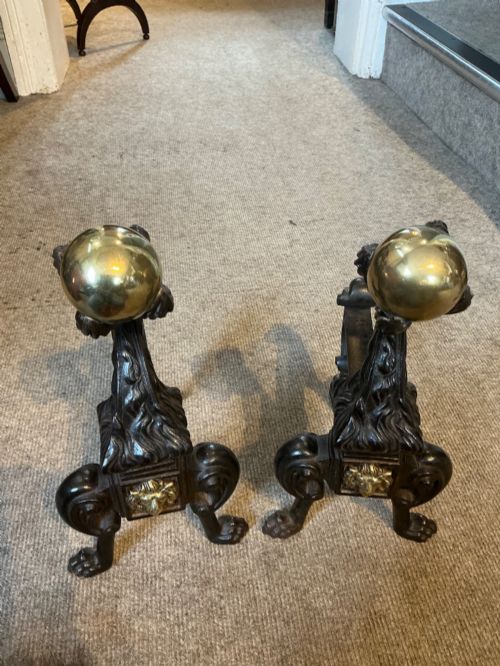
- Andirons placed at the sides of a hearth to support logs, frequently found accompanying nineteenth-century tool sets.
- Fender
- A low metal guard placed in front of the fireplace to contain sparks and ash, sometimes sold together with matching fire irons.
- Rope twist
- A spiral decorative pattern carved or cast into the handles of fire tools or the shafts of companion stands.
- Aesthetic Movement
- A late nineteenth-century design style focusing on visual and material refinement rather than heavy historical revivalism.
Victorian Brass Fire Tools: Frequently Asked Questions
What pieces belong in a standard set?
A standard set traditionally comprises a shovel, a poker and a pair of tongs designed to manage coal or wood fires. These implements are often housed together on a dedicated stand or paired with fire dogs.
Additional accessories such as chestnut roasters, fenders or bellows occasionally accompany these sets to form a complete fireside arrangement.
How do I distinguish brass from steel parts?
Brass components appear primarily on handles, decorative mounts and companion stands, displaying a bright golden or polished metal tone. Steel and iron are typically utilised for the shafts and active working ends of pokers and shovels to provide structural strength.
Many nineteenth-century sets deliberately combine both metals to balance decorative warmth with practical durability during active fire tending.
Are these tools suitable for daily fireside use?
These nineteenth-century implements were originally forged for active domestic hearths and remain structurally robust. Heavy gauge brass and steel construction allows them to withstand regular handling when tending an open fire.
Careful cleaning and gentle usage help preserve the historic metal finishes and decorative casting details over time.
How do different design styles affect the look?
Styles range from simple traditional English forms to ornate Rococo Revival curves and structured Gothic or Arts and Crafts designs. Aesthetic Movement pieces introduce refined detailing, whilst Chinoiserie elements add painted decorative motifs to related items like bellows.
Choosing a style depends on whether the hearth requires restrained nineteenth-century minimalism or elaborate decorative ornamentation.