




Vintage Brass Handle Box
These vintage brass handle box examples combine robust functional design with rich timbers, offering practical storage suited for modern interiors.
Vintage Brass Handle Box
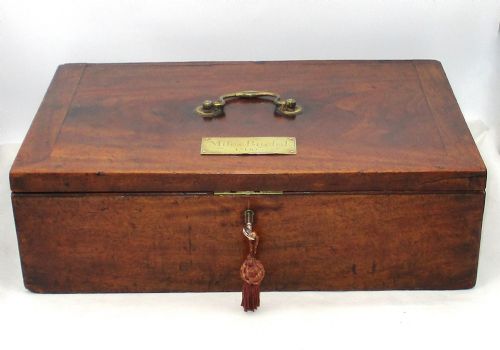
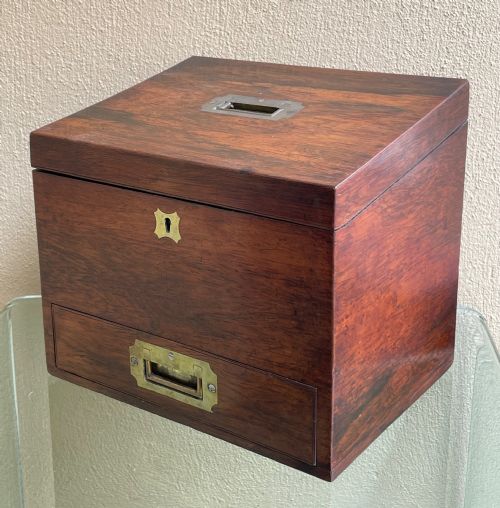
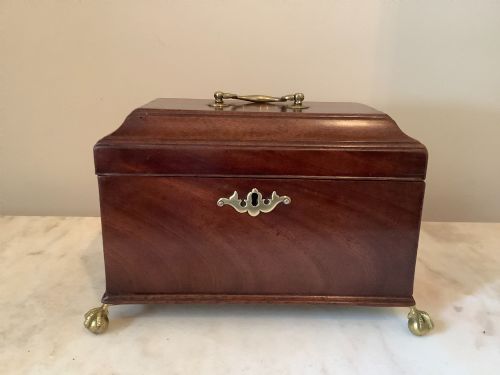
A vintage brass handle box spans several distinct forms including tea caddies, writing slopes, document boxes, and campaign trunks. These containers originate from periods ranging from the Georgian and Regency eras through the Victorian epoch and into the early twentieth century.
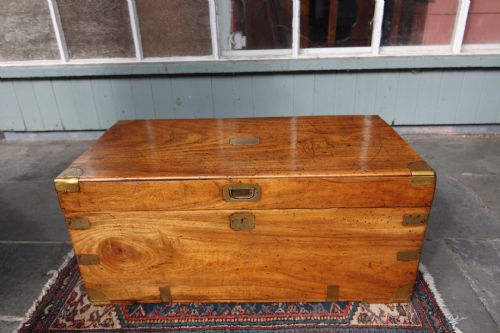
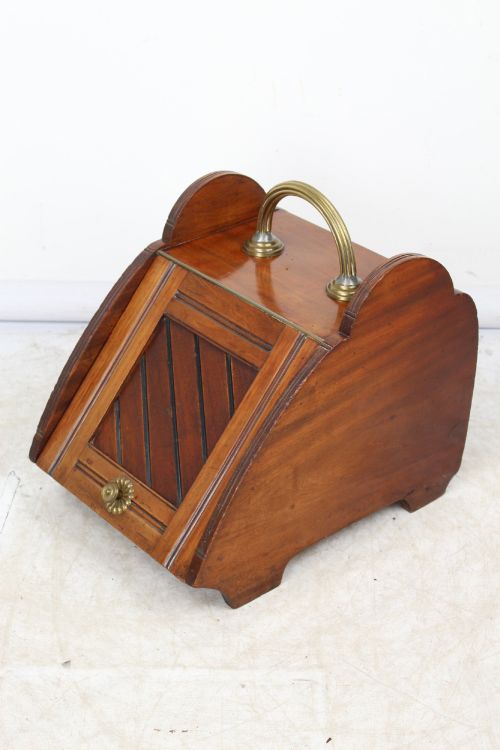
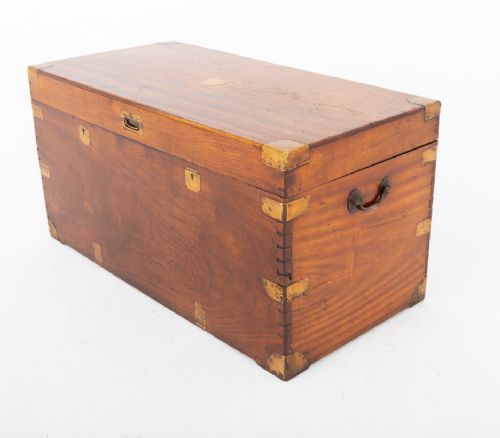
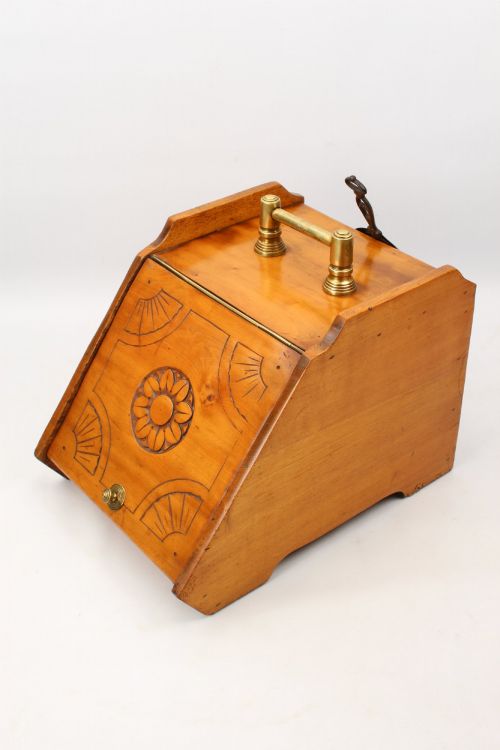
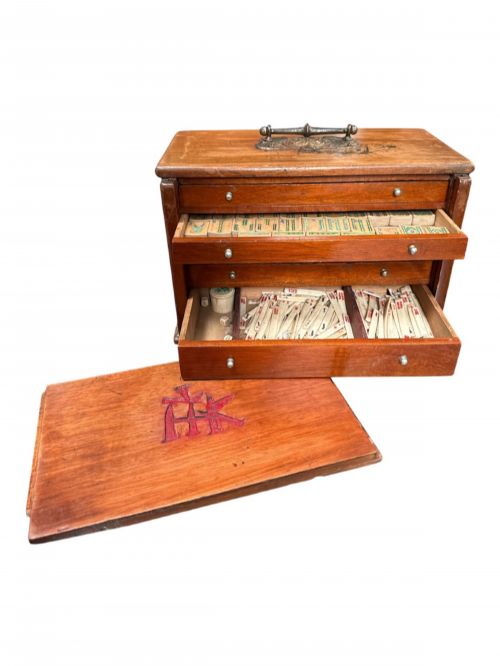
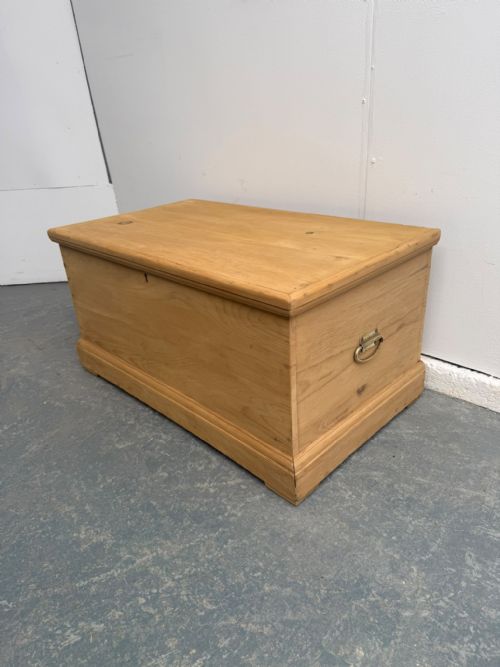
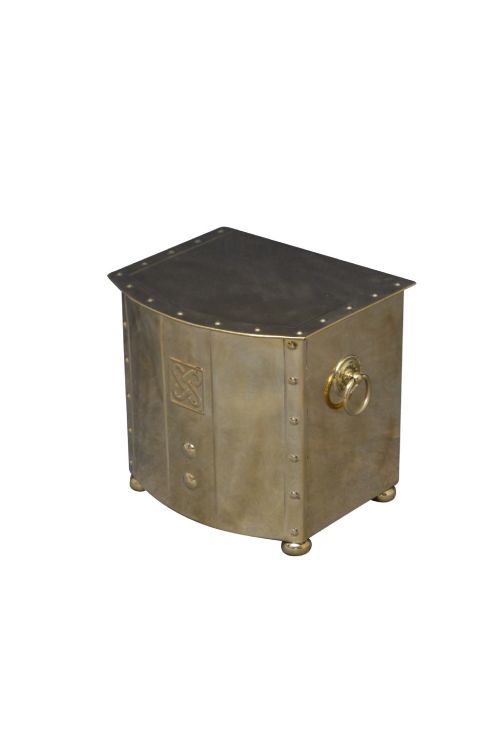
The assortment on this page reflects practical utility and travel gear, featuring hardwood campaign chests, fitted writing boxes, and fireside coal scuttles equipped with metal carrying mounts. Mahogany, camphor wood, and oak serve as the primary structural timbers across these diverse domestic objects.
Buyers encounter regional variations alongside British campaign pieces, such as Chinese rosewood and huanghuali writing boxes or camphor wood trunks. Each piece demonstrates the specific storage requirements of its original period, from loose tea and correspondence to travelling officers' gear.
Materials and Construction
Cabinet makers utilised dense hardwoods such as mahogany, walnut, oak, and camphor wood to construct the carcasses of these boxes. These timbers were selected for their stability and grain, often enhanced by polished finishes or wax treatments.
Brass fittings provide both structural reinforcement and lifting points, appearing as flush drop handles, corner brackets, and escutcheons. These metal elements were typically secured with small pins or screws to withstand frequent handling and travel.
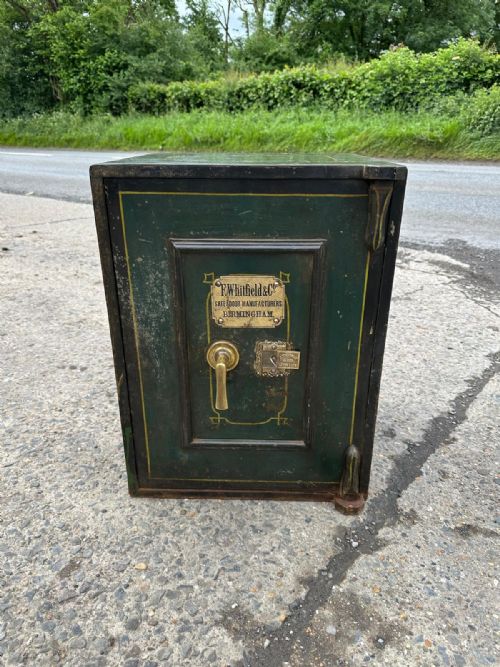
Domestic metalwork on this page includes brass coal scuttles, copper Gladstone bags, and iron-safe mechanisms.
Assessing Quality
Quality in these boxes rests upon the crispness of the cabinet work, the integration of the brass hardware into the timber, and the survival of original internal fittings. Superior examples display precise dovetail joints and well-fitted interior compartments or secret drawers.
The choice of timber grain and the condition of the secondary woods inside further distinguish finer pieces from standard utility items. Retaining original locking mechanisms, keys, and matched brass handles elevates the integrity of the object.
F. Whitfield & Co.
The Vintage Brass Handle Box Glossary
- Campaign chest
- A modular storage trunk designed to separate into sections for military transport, typically fitted with recessed brass handles and corner brasses.
- Tea caddy
- A small container built to store loose tea leaves, often featuring internal compartments and a fitted lid.
- Writing slope
- A portable slant-topped desk that opens to reveal a leather-lined writing surface, inkwells, and storage slots for stationery.
- Escutcheon
- A protective brass plate surrounding a keyhole, designed to prevent the surrounding wood from splitting through repeated use of the key.
- Dovetail
- An interlocking joint used at the corners of boxes and drawers, prized for its mechanical strength and resistance to pull-apart forces.
Vintage Brass Handle Box: Frequently Asked Questions
What were camphor wood trunks used for?
Camphor wood chests served primarily as durable travel trunks for military officers and merchants navigating maritime routes. The natural aromatic properties of the wood helped deter insects and protect stored garments from damp conditions.
These large trunks transitioned into domestic settings as blanket boxes and general storage chests, retaining their heavy brass handles for manoeuvrability.
How do I date a mahogany box?
Dating a mahogany box involves examining the construction methods, such as hand-cut dovetails and the type of secondary wood used inside. Earlier Georgian pieces often display specific timber selections and simpler hardware compared to later Victorian iterations.
The style of the brass handles and escutcheons also provides a reliable indicator of the manufacturing period.
Are campaign boxes waterproof?
Campaign boxes were engineered to withstand harsh travel environments and moisture during military transit. However, they were constructed as functional wooden storage rather than sealed waterproof containers.
The dense hardwoods and fitted brass mounts offered robust protection against the rigours of transport rather than submersion.
How should I clean a brass handle?
Cleaning brass handles requires a gentle approach to preserve the aged patina accumulated over decades of use. Mild soapy water and a soft cloth suffice for removing surface grime without stripping the historical character.
Harsh abrasive polishes should be avoided so that the metal retains its natural, subdued finish.