



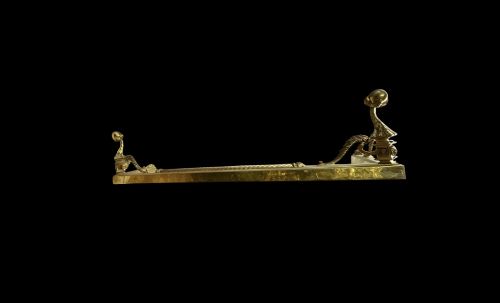
Vintage Brass Fireplace Surround
A vintage brass fireplace surround frames the hearth with metalwork spanning Victorian, Edwardian, and Art Deco periods, offering both protection and practical seating.
Vintage Brass Fireplace Surround
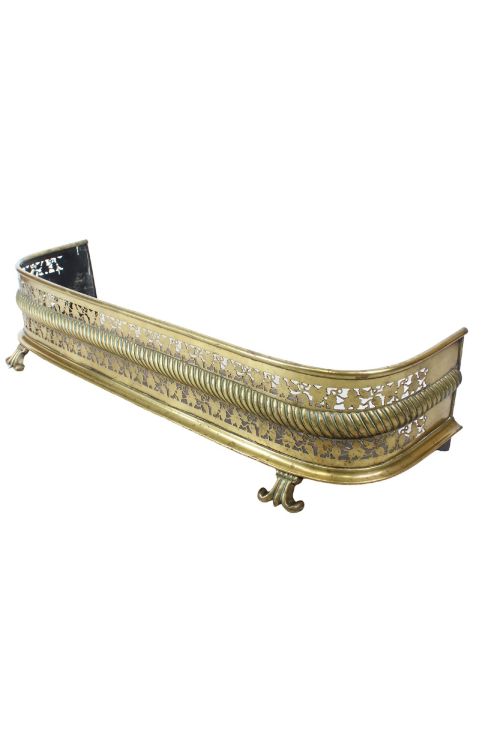
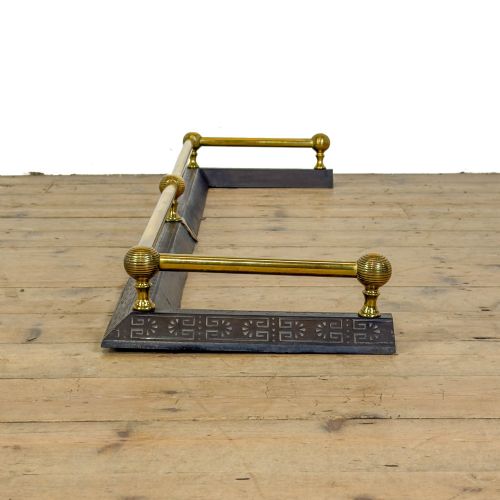
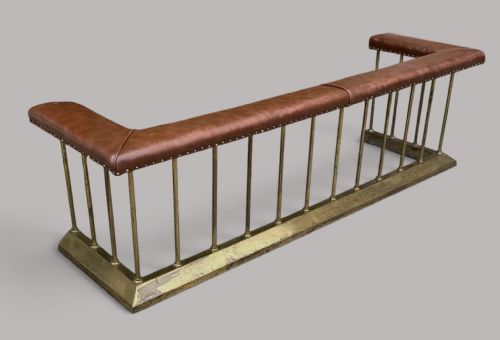
A vintage brass fireplace surround typically takes the form of a fender, kerb, or club fender designed to enclose the hearth area. These pieces serve as a physical barrier against stray embers while defining the hearth as a focal point in the room.
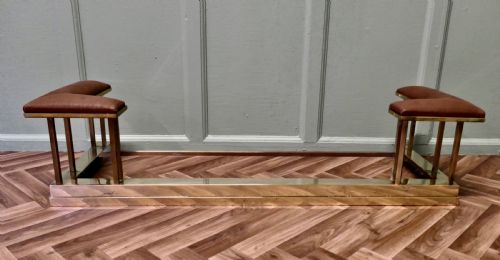
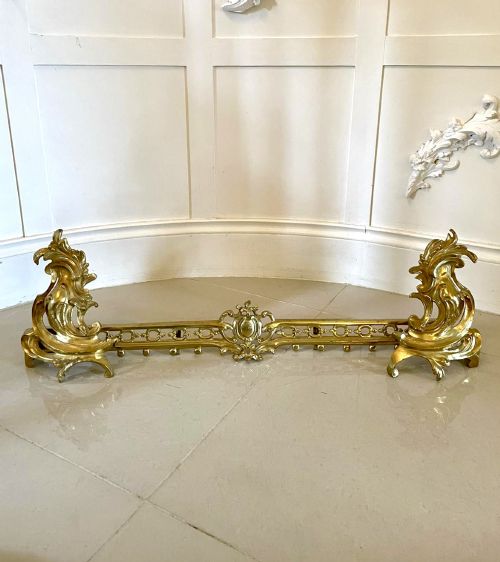
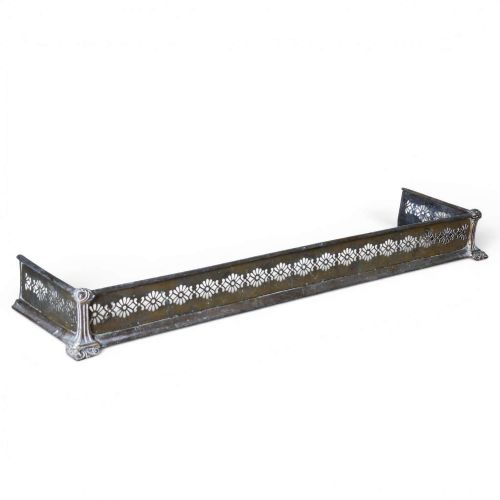
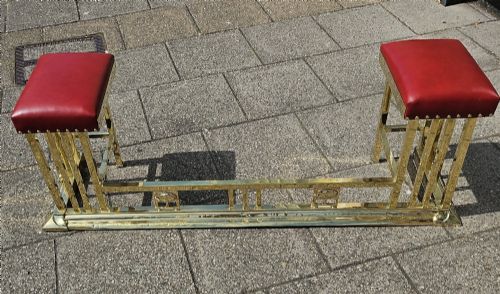
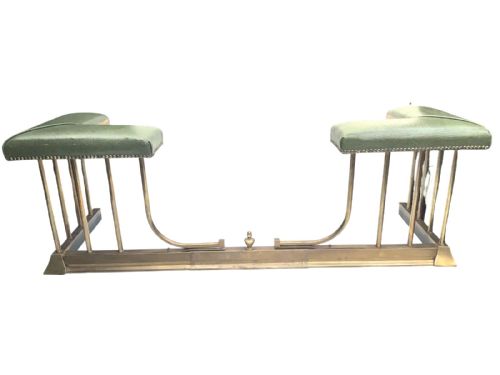
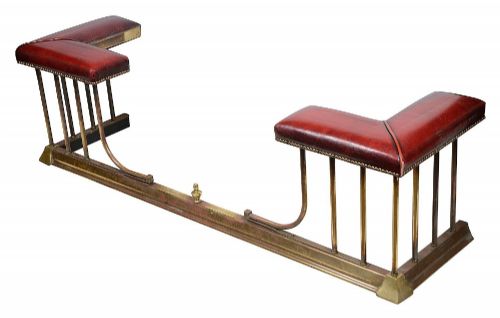
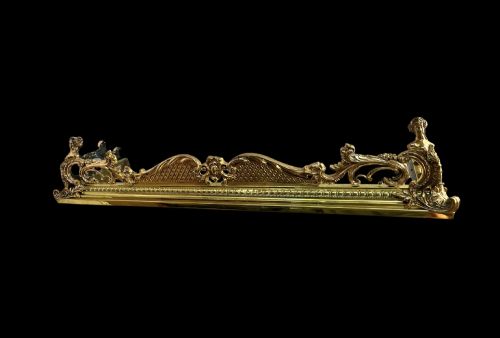
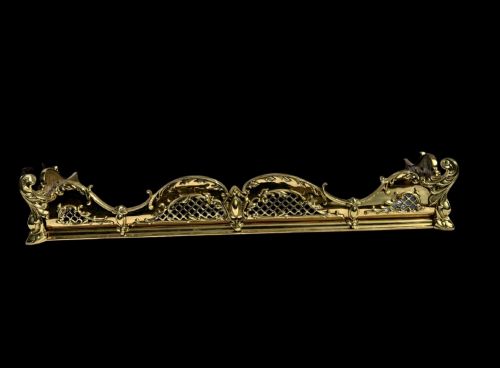
The selections encountered here range from simple pierced metal kerbs dating to the nineteenth century to substantial club fenders featuring upholstered leather seats from the Edwardian and Art Deco eras. Styles span from restrained Victorian designs to ornate French Rococo and Louis XVI neoclassical interpretations.
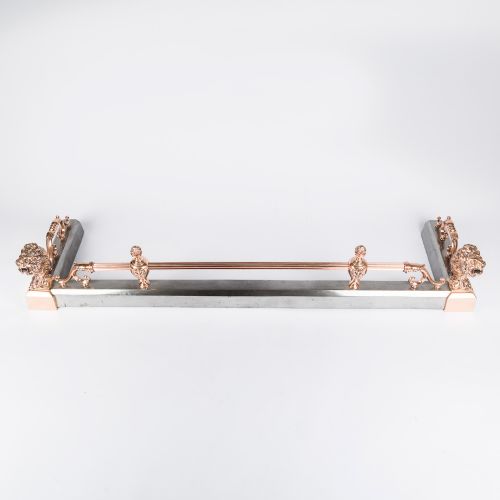
Originating largely from the nineteenth and early twentieth centuries, these surrounds incorporate extending mechanisms, copper accents, and bronze details to suit various fireplace dimensions.
Materials and Construction Methods
Makers constructed these pieces primarily using brass, often combining it with iron, steel, and copper to add structural weight and visual contrast. Gilded brass and bronze also appear among the metalwork techniques employed across the periods.
Club fenders incorporate leather upholstery, featuring mature tan or green leather on Chesterfield-style seats built directly over the metal frame. Pierced and perforated brass panels demonstrate detailed sheet metal working techniques typical of Victorian and Art Nouveau production.
The selection includes extending fenders alongside static kerbs and leather-topped club bench designs.
Quality Variations in Hearth Surrounds
The distinction between standard examples and superior pieces rests on the weight of the metal and the crispness of any pierced or cast decoration. Substantial frames with heavy gauge brass and robust steel internal structures indicate higher original manufacture.
Upholstered club fenders vary according to the integrity of the leather seating and the complexity of the extending mechanism. Pierced brass kerbs show quality through the precision of their cutwork and the depth of the patination accumulated over time.
The Vintage Brass Fireplace Surround Glossary
- Club fender
- A low, padded seat built around a fireplace fender that allows people to sit close to the fire. These typically feature leather upholstery over a metal base.
- Kerb
- A low barrier or border of metal or stone placed around the hearth to contain ashes and prevent logs from rolling onto the floor.
- Pierced brass
- Metal sheet perforated with decorative patterns or cutouts. This technique appears frequently on Victorian hearth surrounds.
- Patination
- The surface alteration and mellowing of metal and leather resulting from age and use. A mature surface often displays varied tones acquired over decades.
Vintage Brass Fireplace Surround: Frequently Asked Questions
What is a club fender?
A club fender is a hearth surround equipped with upholstered leather seats running along the sides. It provides both a protective barrier against the fire and functional seating within the room.
Originating in the Victorian period and remaining popular through the Edwardian era, these pieces combine metal frames with comfortable seating designed for warming oneself near the hearth.
How do I measure for a fender?
Measure the width and depth of your fireplace opening and hearth stone to ensure the surround fits the floor space properly. Account for any protruding hearth edges or surrounding woodwork before selecting a piece.
Many period fenders feature extending mechanisms, which allow the width to be adjusted within a specific range to fit your exact hearth dimensions.
How do I clean brass and leather?
Clean brass components using a soft cloth and mild polish, taking care to preserve the underlying patination rather than achieving a bright modern shine. Avoid harsh abrasives that can damage delicate pierced patterns.
Maintain the leather seats on club fenders with appropriate leather conditioners to keep the material supple and prevent cracking over time.
How can I date a brass fender?
Dating relies on stylistic clues such as the flowing organic lines of Art Nouveau, the geometric forms of Art Deco, or the ornate cast detailing of Victorian and French Rococo designs. Construction methods like hand-piercing and the use of integrated steel components also offer chronological markers.
Examining the type of leather upholstery and the fasteners used on club fenders helps narrow down whether a piece originates from the nineteenth century or the early twentieth century.