


Vintage Brass Fire Irons
Vintage brass fire irons bring hearth warmth and polished nineteenth-century detail to an open fireplace.
Vintage Brass Fire Irons
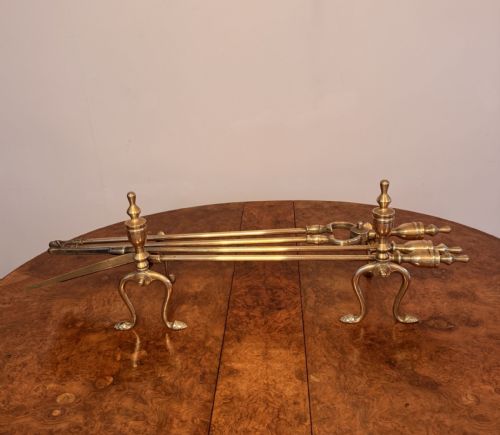
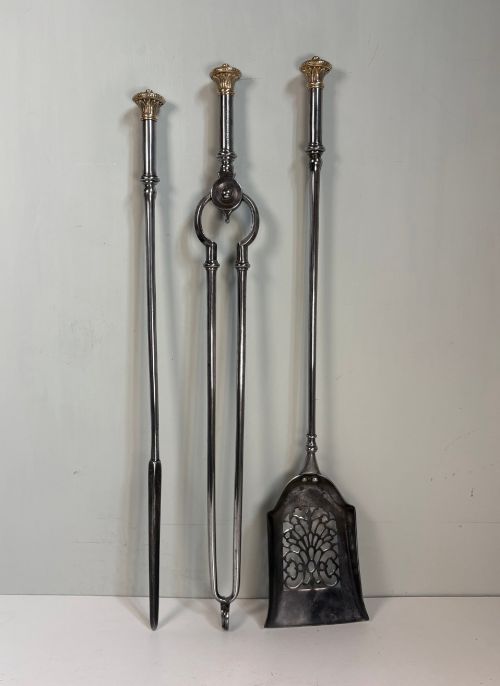
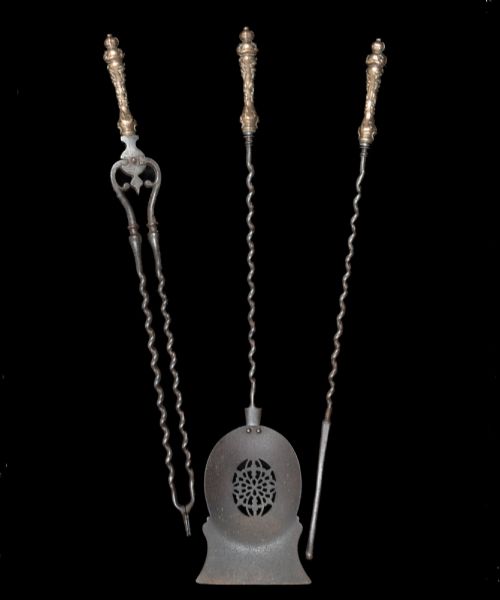
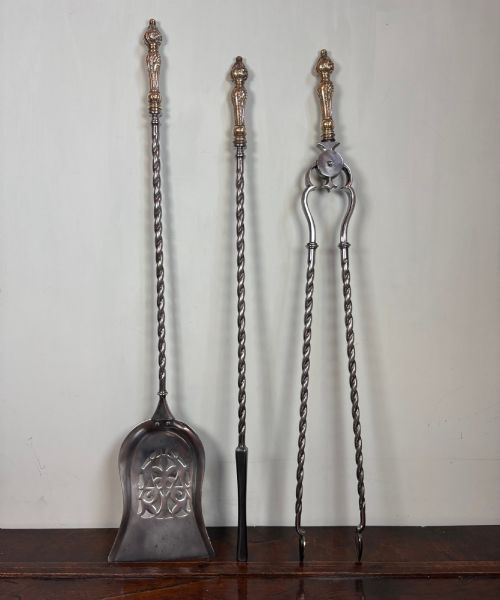
Vintage brass fire irons comprise pokers, tongs, shovels and companion sets designed for managing an open coal or wood fire. When you search for vintage brass fire irons, you encounter sets spanning the Georgian, Victorian, Edwardian and Regency periods. The pieces you meet most frequently on this page combine bright brass handles with durable steel or iron shafts for practical use.
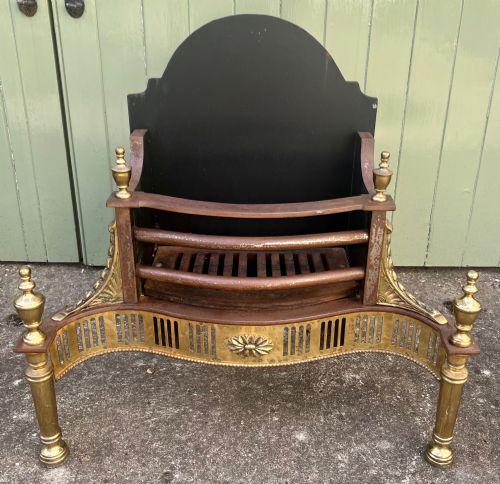
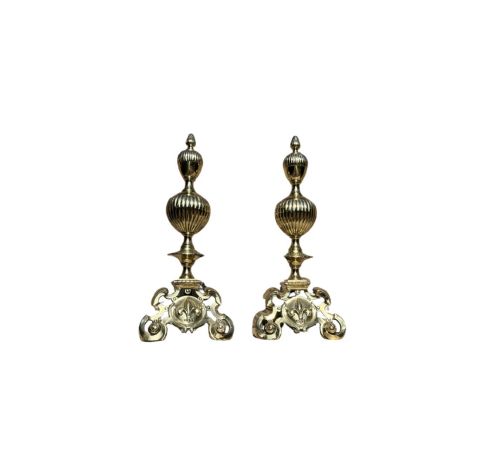
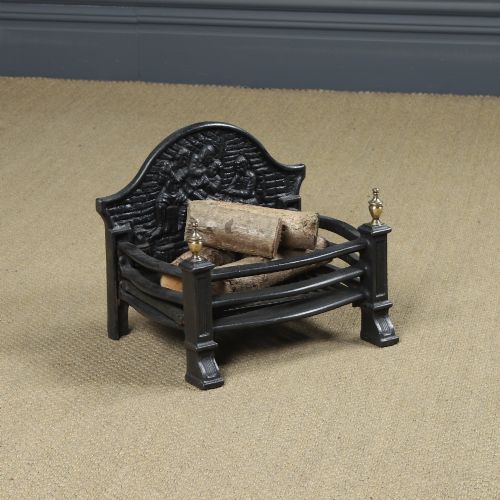
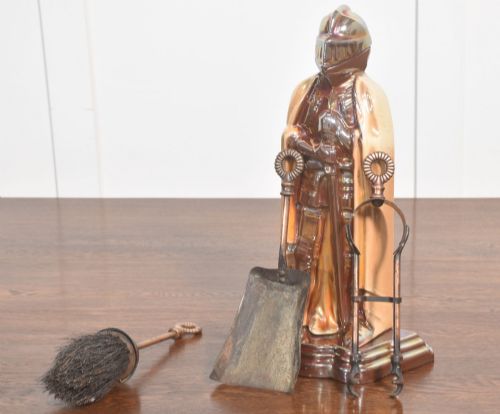
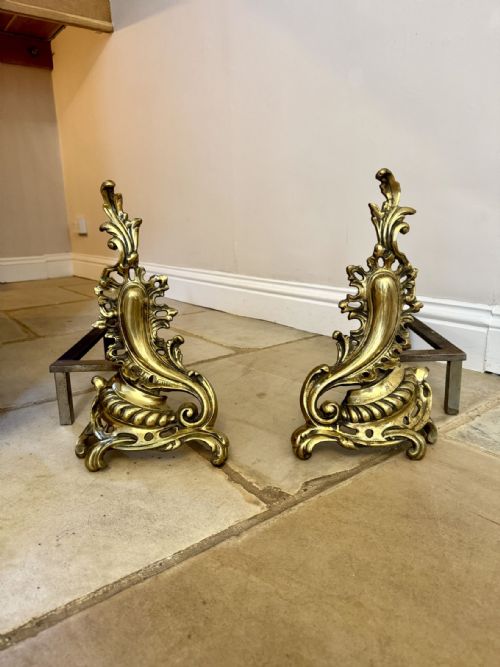
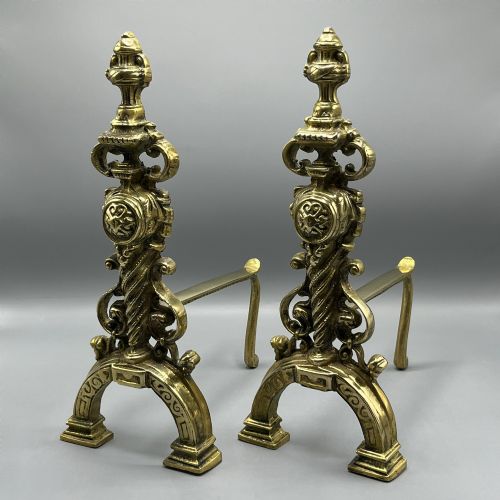
Sets often appear alongside matching fire dogs, fenders and grates to form a complete fireside arrangement. Styles range from restrained Adam designs to ornate French rococo castings and Gothic Revival creations. Every era brings distinct handle motifs, from simple rope twists to cast figural companions.
Materials and construction
Makers paired bright brass for decorative visibility with iron or steel for functional strength where heat and weight matter most. Handles often feature cast or turned brass, occasionally incorporating copper finishes, gun metal or wire mesh elements.
Individual components like shovel blades and poker tips rely on forged steel to withstand direct contact with hot coals. Cast iron appears frequently in associated fire grates and andirons, providing heavy structural support for the hearth.
Vintage Brass Fire Irons Retail Price Guide 2026
Typical asking prices for vintage brass fire irons among the pieces listed under this phrase on Sellingantiques today, from the lower quarter to the upper quarter. They describe what is for sale here now, not the wider market.
An unusually focused golfer companion set from the Edwardian period brings sporting hobbies directly onto the hearth rug.
Distinctions in quality
Quality rests in the weight of the metal and the crispness of the casting work on handles and mounts. Finer sets display deep, clean turning on rope-twist grips and well-balanced shafts that sit comfortably in the hand.
The integrity of the joinery between the brass handle and the iron or steel shaft dictates longevity. Superior pieces maintain rigid alignment across the tools, avoiding loose fittings or thin sheet brass that bends under daily hearth use.
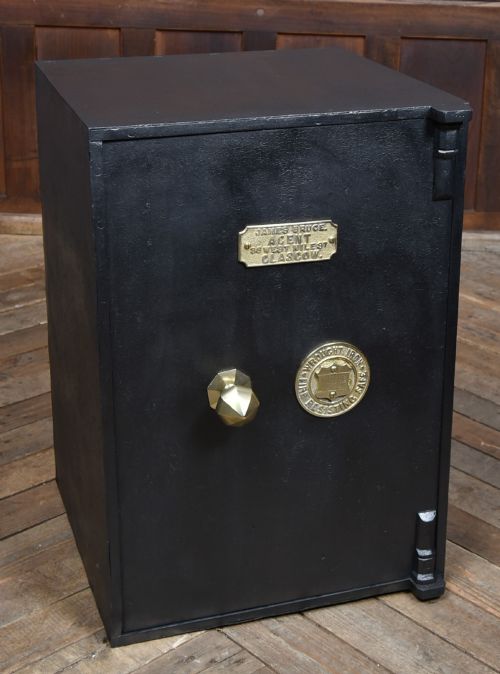
James Bruce Glasgow
The Vintage Brass Fire Irons Glossary
- Fire irons
- Implements used to tend a hearth, typically comprising a poker, tongs and a shovel.
- Companion set
- A group of fireplace tools displayed together on a dedicated stand or rest.
- Andirons
- Heavy metal supports placed on either side of a hearth to raise logs for better airflow.
- Fender
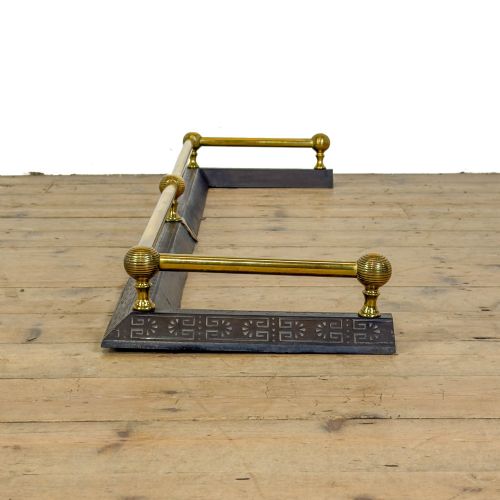
- A low metal guard placed around the hearth to keep embers contained within the fireplace area.
- Rope twist
- A spiral decorative pattern carved or cast into handles to catch the flickering light of the fire.
Vintage Brass Fire Irons: Frequently Asked Questions
How do I clean vintage brass fire irons?
Use a soft cloth and mild soapy water to remove soot and surface dust without stripping the aged patina. Avoid harsh chemical polishes that can wear away historic detail on cast handles.
Dry the metal thoroughly after cleaning to prevent corrosion on the steel shafts and iron components.
Can I still use these fire irons on a real fire?
Most nineteenth-century sets were built for practical use with coal and wood fires, combining robust steel shafts with solid brass grips. Check that the joints remain firm before handling burning logs.
Many collectors prefer to use sturdier antique tools for display while reserving lighter companion sets for occasional gentle tending.
What is the difference between fire irons and andirons?
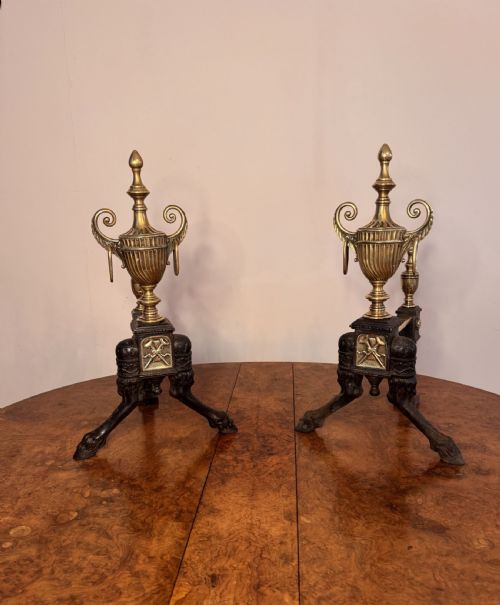
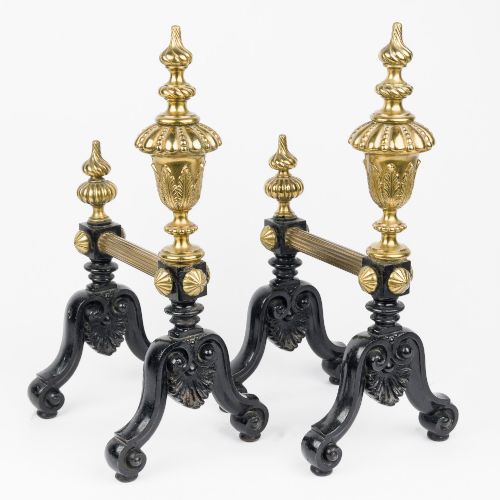
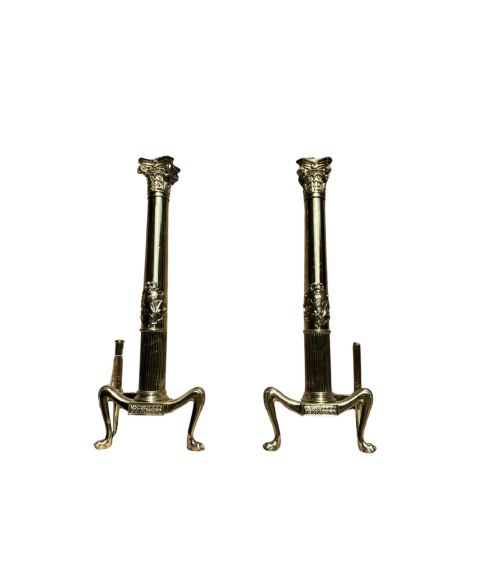
Fire irons are the handheld tools used directly on the fire, such as pokers, shovels and tongs. Andirons, also known as fire dogs, are the heavy stationary metal supports that hold the firewood off the hearth floor.
Sets often include matching pairs of andirons alongside the companion tools for a unified aesthetic.
How do I date a set of brass fire irons?
Examine the handle style, casting techniques and accompanying hardware to determine the period. Regency and Georgian examples often feature slender, refined profiles, while Victorian sets tend to be heavier with elaborate ornamentation.
Stylistic cues like Adam urns or Gothic Revival motifs provide further clues to the decade of manufacture.