
Antique Brass Hearth
An antique brass hearth encompasses the metalwork and accessories that frame a fireplace, bringing tactile warmth and period utility to a room.
Antique Brass Hearth
When you search for an antique brass hearth, you encounter a diverse range of fireplace furnishings designed to organise the fire and protect the room. These pieces span centuries of domestic life, incorporating functional items that served everyday household routines.
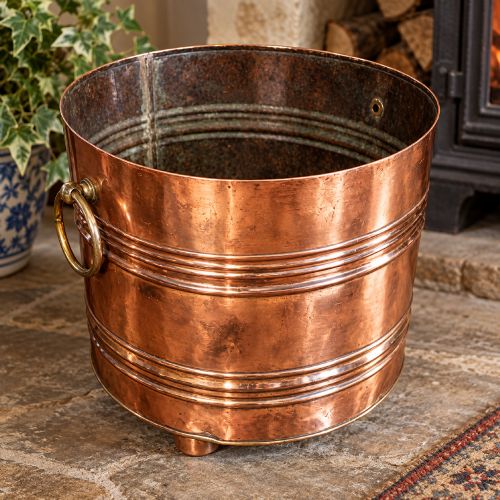
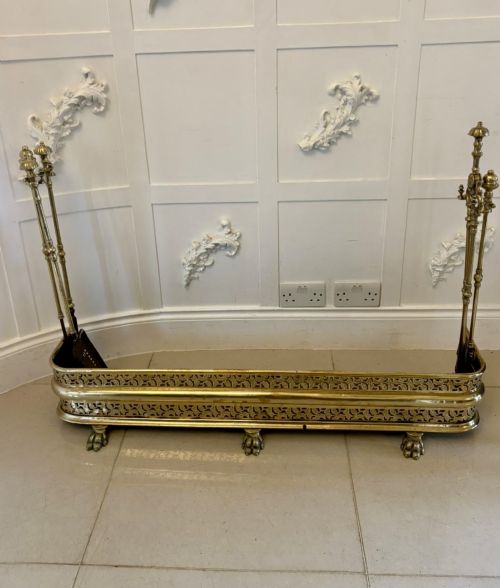
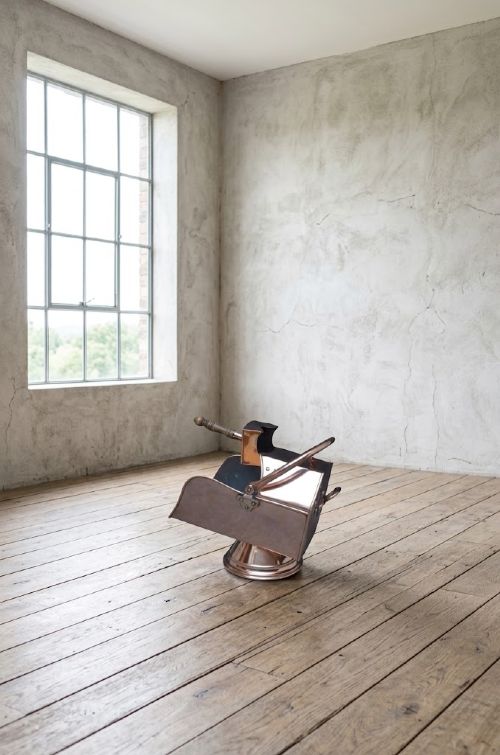
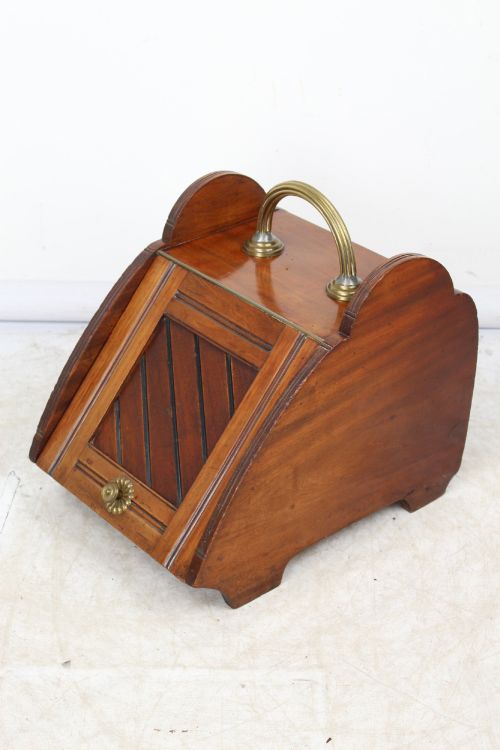
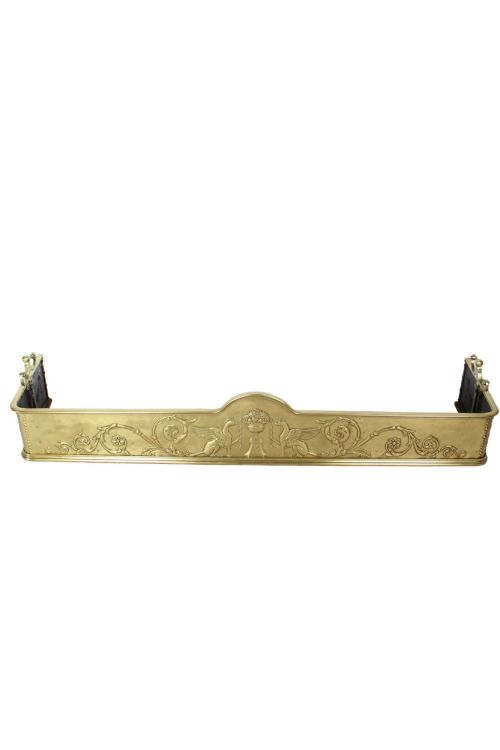
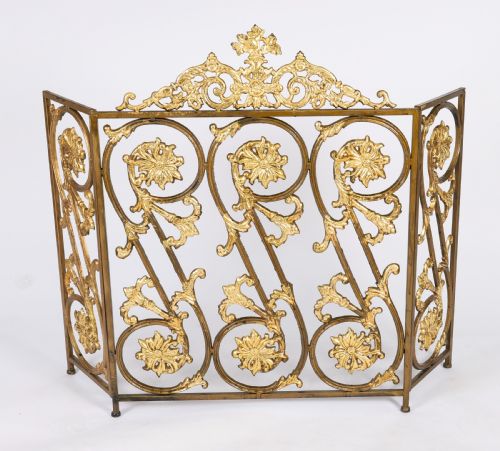
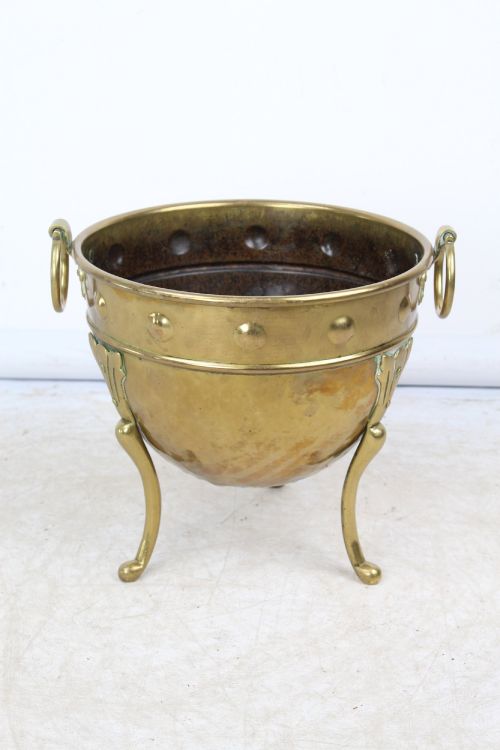
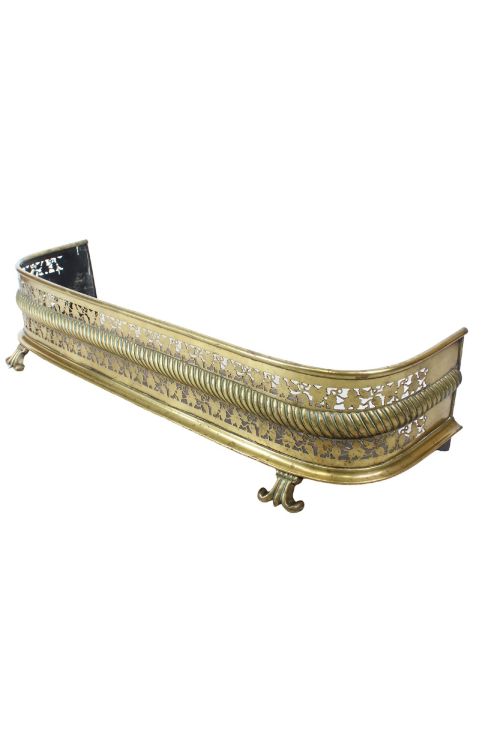
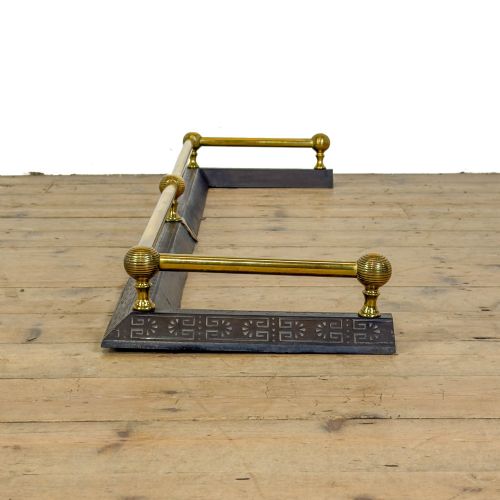
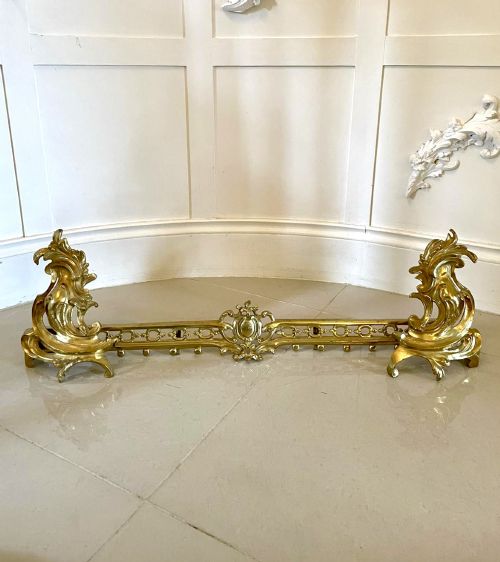
The items most frequently met on this page include fenders, coal scuttles, fire screens, and companion sets. Fenders enclose the hearth area, while scuttles and buckets hold fuel, and folding screens manage sparks.
Originating across Victorian, Georgian, and Edwardian periods, these objects utilise materials like brass, copper, iron, and steel. They reflect the changing domestic interiors and heating methods of past eras.
How They Were Made
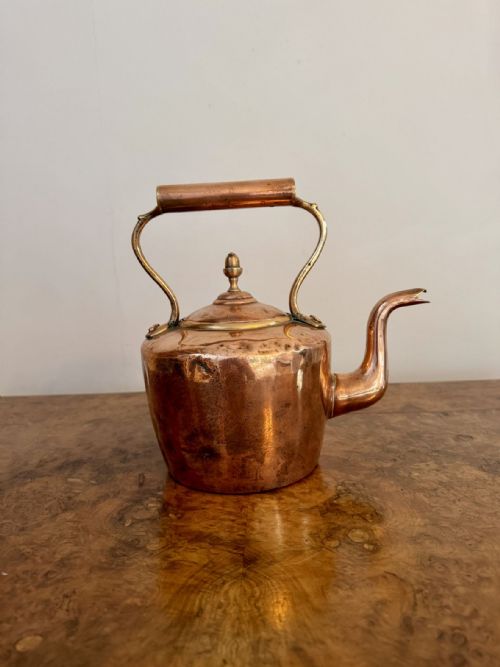
The construction of these pieces relies heavily on brass and copper, often combined with cast iron and steel for structural strength. Metalworkers utilised casting, piercing, and hand-finishing techniques to shape the components.
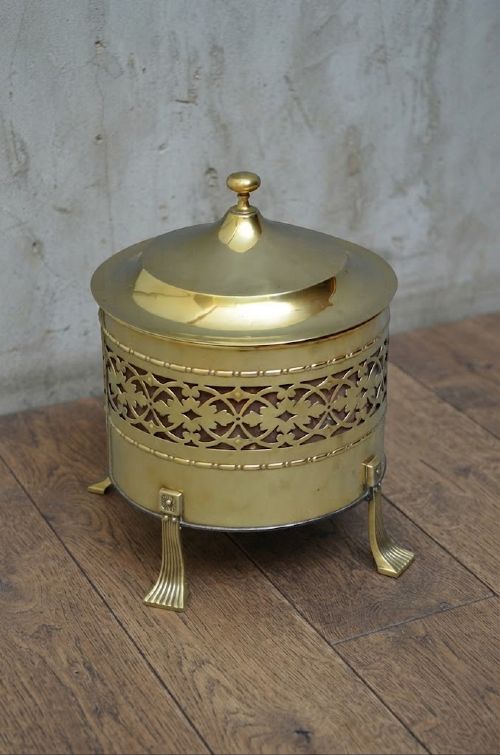
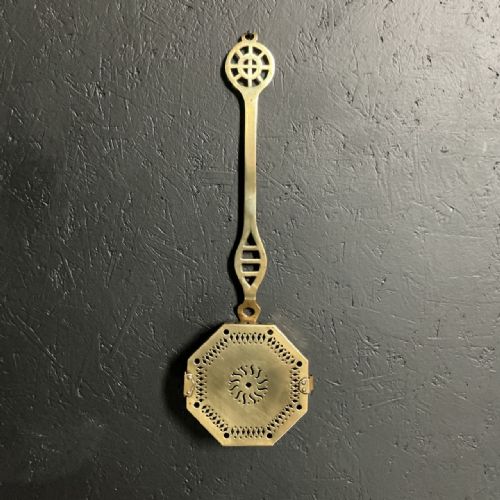
Many items feature decorative details such as fretwork designs, green enamel cabochons, and leather upholstery on club fenders. Artisans also employed wood elements like oak and mahogany for specific scuttles and foot stoves.
The manufacturing methods reflect both industrial production and skilled metalworking traditions across the eighteenth and nineteenth centuries.
Antique Brass Hearth Retail Price Guide 2026
Typical asking prices for brass hearth among the pieces listed under this phrase on Sellingantiques today, from the lower quarter to the upper quarter. They describe what is for sale here now, not the wider market.
Listings feature materials spanning brass, copper, iron, steel, oak, and mahogany across the Victorian, Georgian, and Regency periods.
What Varies In Quality
The distinction between tiers of quality rests on the weight of the metal and the precision of the detailing. Heavier gauges of brass and substantial cast iron foundations indicate sturdier construction.
Design execution separates standard utility items from finer examples, visible in crisp piercing, ornate moulding, and the presence of original fire irons or matching components. Hand-finished elements and careful joinery further elevate a piece above mass production.
Henry Loveridge·E F Caldwell New York
The Antique Brass Hearth Glossary
- Fender
- A low metal guard placed around the hearth to contain ash and protect the room.
- Andirons
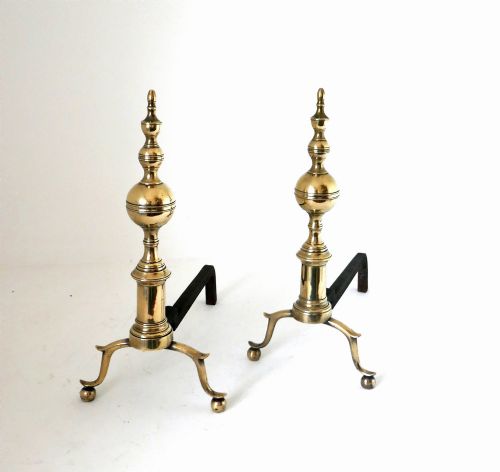
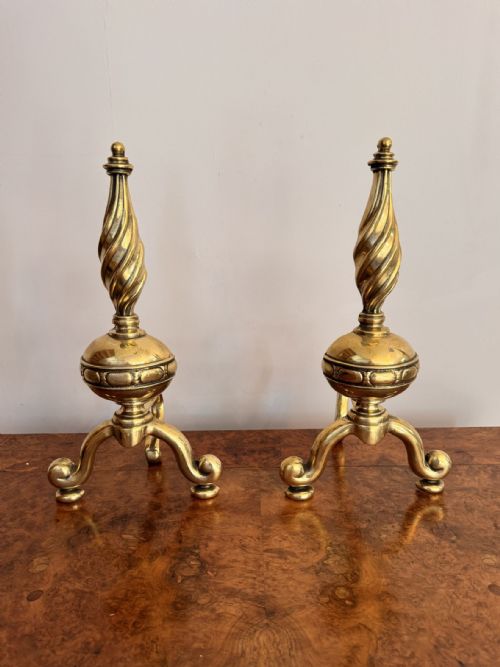
- Supports used to hold logs in an open fireplace, often featuring decorative front standards.
- Coal Scuttle
- A container designed for holding and transporting coal to the fire.
- Fire Screen
- A decorative barrier placed in front of the fireplace when not in use.
- Club Fender
- A large fender incorporating upholstered seats on the top frame.
Antique Brass Hearth: Frequently Asked Questions
What is an antique brass fender?
A brass fender is a metal barrier positioned around the hearth perimeter to keep embers contained and rugs protected from stray sparks.
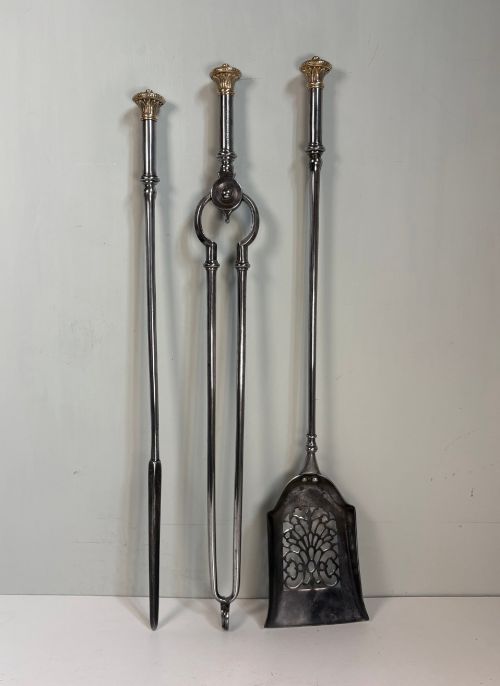
These pieces also served as a structural boundary for the fireplace setup, often coordinating with matching fire irons or dogs.
How do I use a coal scuttle?
Coal scuttles and buckets were traditionally kept near the fireplace to store fuel conveniently for the fire.
Today, they function as practical log holders or decorative accents beside period hearths.
What are fire dogs used for?
Fire dogs, or andirons, support logs inside an open fireplace to allow air circulation underneath for a better burn.
They sit forward in the hearth, displaying decorative brass or iron fronts when the fire is unlit.
How do I identify Victorian brasswork?
Victorian brass accessories often display heavier casting, specific neoclassical or Gothic revival motifs, and pierced patterns.
Comparing construction methods and design styles helps distinguish these nineteenth-century pieces from later reproductions.