





Vintage Botanical Needlepoint
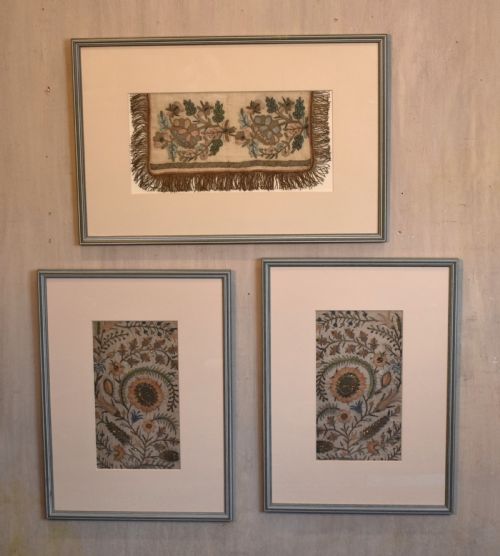
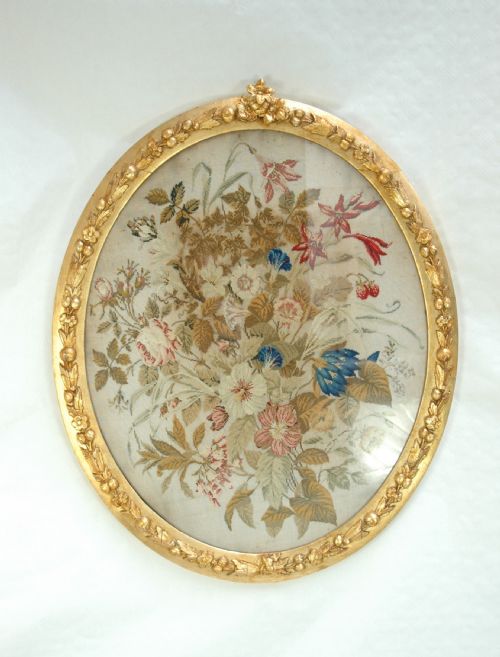
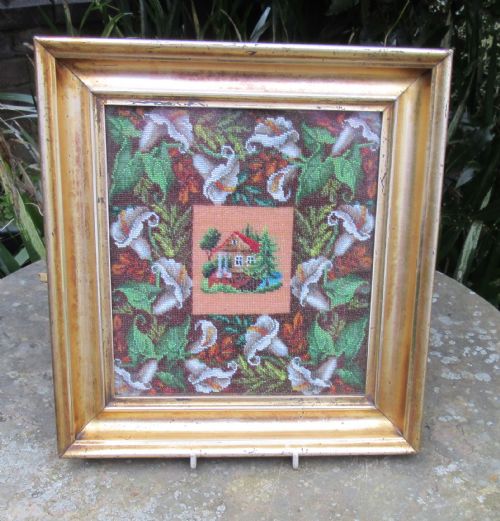
Vintage botanical needlepoint brings together framed needlework pictures, embroidered panels and tapestries depicting flowers, birds and garden scenes.
Vintage Botanical Needlepoint
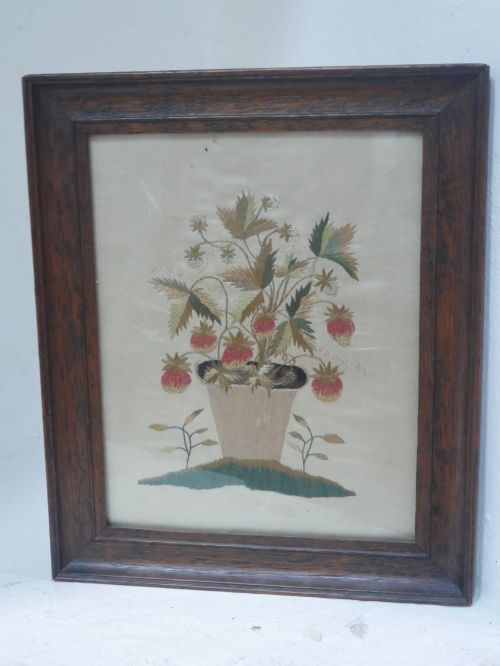
When buyers search for vintage botanical needlepoint, they encounter framed wall art and textile pieces spanning periods from the eighteenth century through to the mid twentieth century. These works capture natural subjects, including garden birds, mandarin ducks, pots of strawberries and floral motifs, rendered through hand stitching.
The selections available here range from English country house framed needlework pictures and French tapestries to Portuguese Arraiolos rugs, Chinese embroideries and American beadwork. Pieces emerge from diverse historical contexts, encompassing Georgian, Victorian, French Baroque and Iberian traditions.
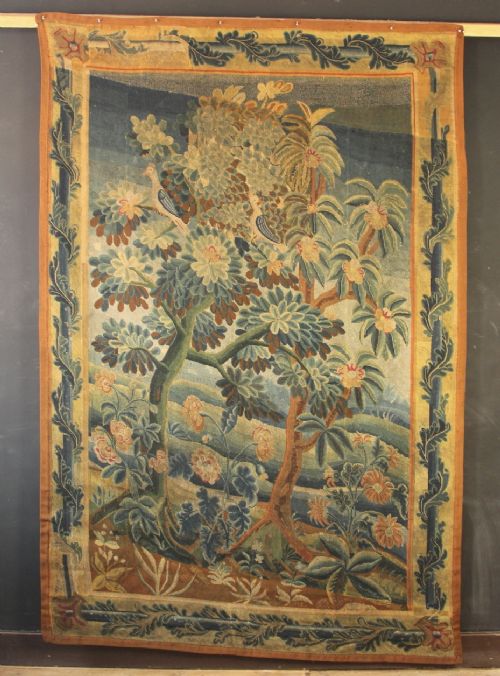
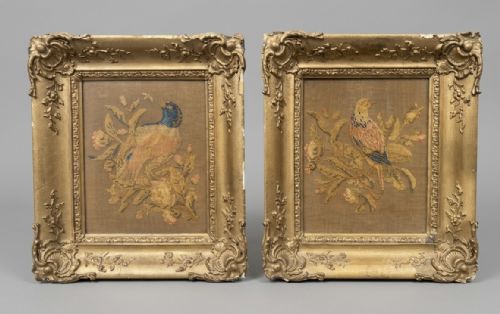
Most examples function as framed wall art or textile art, designed to hang in domestic interiors. Buyers frequently find pairs of bird embroideries in gilt frames alongside single oval tapestry pictures and larger European wall tapestries.
How they were made
Maker construction relies upon textile materials such as wool, silk, cotton and linen worked onto a canvas ground. Needleworkers utilised various stitching techniques to build up the surface texture and pictorial detail of birds, flowers and foliage.
Many historical examples incorporate wooden surrounds, including gilt wood frames that complement the textile art within. Larger floor coverings utilise traditional rug-making methods, while wall hangings are mounted on canvas or framed under glass for protection.
Needleworkers across centuries shared a persistent inability to resist stitching plump mandarin ducks and improbable strawberries into permanent silk.
What varies in quality
Quality in these textiles depends upon the precision of the needlework and the complexity of the design composition. Finer pieces demonstrate careful shading in silk and wool threads, creating lifelike depth in botanical subjects and avian plumage.
The surrounding presentation also distinguishes the tier of a piece, with period gilt wood frames and protective glass housing enhancing the overall integrity of the artwork.
The Vintage Botanical Needlepoint Glossary
- Needlepoint
- A type of canvas work embroidery where yarn is stitched through a stiff open weave canvas mesh. It forms the basis of many historical tapestries and framed pictures.
- Tapestry
- A heavy hand-woven or embroidered textile used for wall hanging or soft furnishings. Older European examples often depict pictorial scenes or floral motifs.
- Arraiolos
- A traditional form of Portuguese needlepoint carpet or rug making. These textiles feature distinct regional patterns and stitch structures.
- Gilt wood
- Wood that has been treated with a thin layer of gold leaf or gilt finish. This material frequently frames antique needlework pictures and mirrors.
- Beadwork
- Handcrafted artwork created by stitching small glass beads onto a fabric backing. Nineteenth-century examples often create pictorial compositions with a glossy finish.
Vintage Botanical Needlepoint: Frequently Asked Questions
How should I hang vintage needlework?
Hang these framed textiles away from direct sunlight to prevent the silk and wool threads from fading over time. Maintaining stable indoor humidity also protects the underlying canvas and wooden frames.
Ensure pieces under glass are mounted securely to prevent the fabric from sagging within the frame. Professional framing support preserves the structural integrity of older tapestries.
What periods do these pieces span?
The inventory encompasses items from the eighteenth century through to the mid twentieth century, including Georgian and Victorian eras. Dating relies upon stylistic elements, frame types and material characteristics.
Earlier eighteenth-century works often showcase English or European needlework pictures, while mid twentieth-century examples include Portuguese needlepoint.
Are these pieces framed?
Many examples are offered within period frames, such as gilt wood surrounds or glass-fronted wall art. This framing protects the delicate textile surfaces from environmental dust and handling.
Larger textile works and rugs remain unframed, intended for floor placement or specialised wall hanging.
What subjects do they depict?
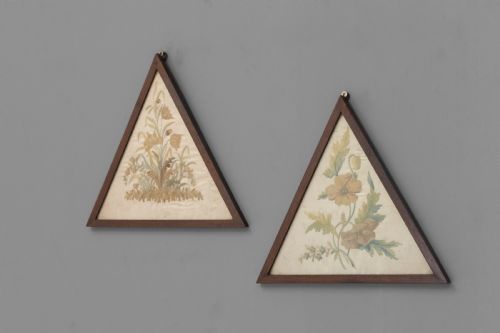
Designs frequently feature botanical themes, garden birds, mandarin ducks and floral arrangements like pots of strawberries. These natural motifs reflect popular decorative tastes across different historical periods.
European and Chinese workshops contributed varied interpretations of avian and plant life through needlework.