





Antique Bird Tapestry
These antique bird tapestry pieces bring historic avian textiles into a room, offering woven and embroidered wildlife scenes for collectors.
Antique Bird Tapestry
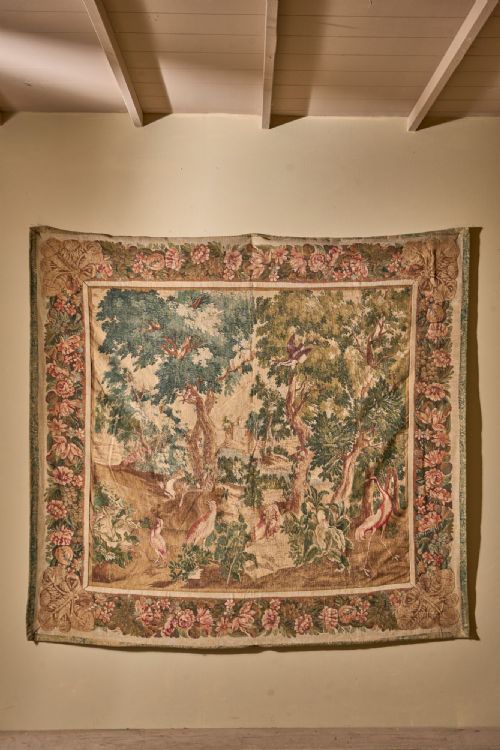
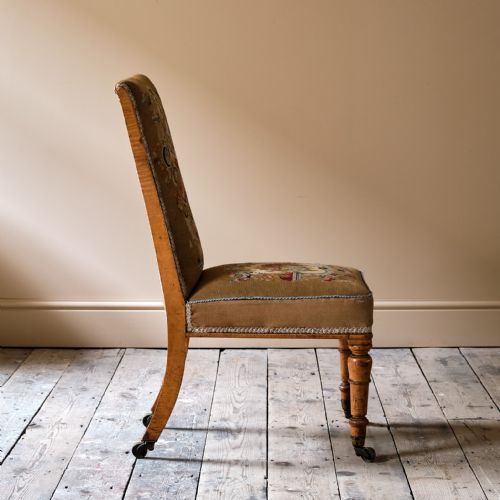
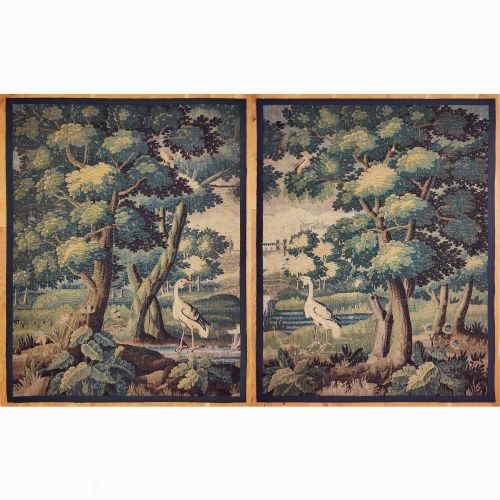
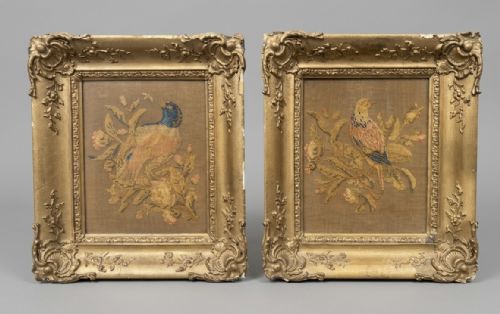
When you search for an antique bird tapestry, you encounter a mix of woven wall hangings, framed embroideries, and upholstered furniture. These items range from large 17th century Flemish verdure panels to 19th century Victorian wool work and framed Asian textiles.
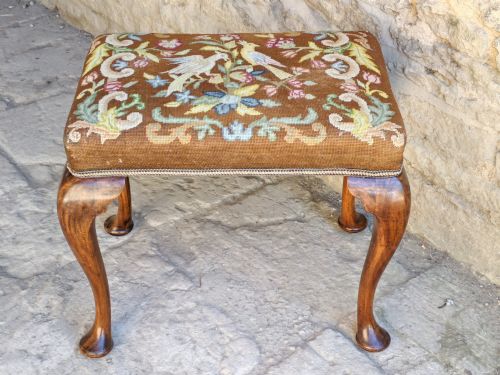
The most common forms on this page include wall art and framed textile pieces alongside decorative seating such as side chairs and stools. Many pieces depict birds within natural foliage settings, drawing on styles from French Baroque to Chinoiserie and Biedermeier.
Origin periods span from the 17th century through the 18th and 19th centuries up to 1900. Buyers often select these works to introduce historical texture and detailed avian imagery into interior spaces.
How they were made
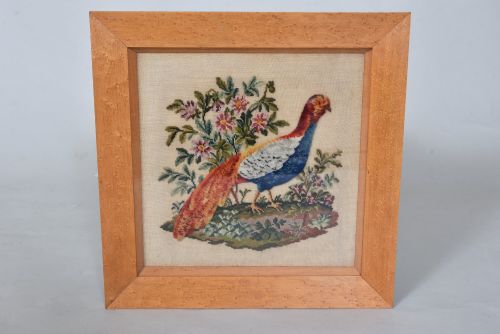
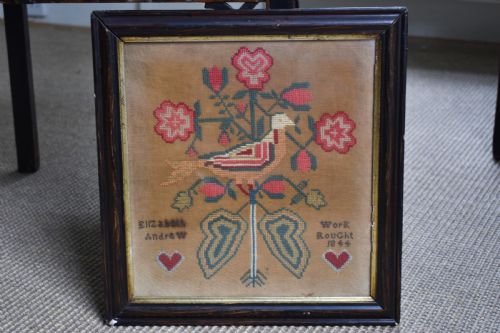
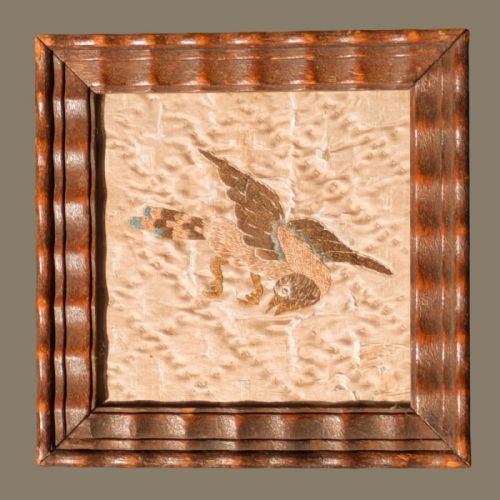
Materials combine textiles such as wool, silk, cotton, and linen with structural supports of wood including walnut, birds eye maple, and oak. Artisans worked these threads into elaborate wall tapestries, needlework samplers, and plushwork panels.
Framing and mounting utilised glass and carved wooden frames, often pairing delicate silk and wool embroideries with gilt or hardwood surrounds. Artisans also upholstered furniture frames directly in tapestry fabric.
Current listings feature textiles spanning the 17th, 18th, and 19th centuries, incorporating wool, silk, linen, walnut, and birds eye maple.
What varies in quality
The distinction between tiers rests upon the fineness of the thread work and the complexity of the avian and botanical motifs. Earlier Flemish and French panels demonstrate intricate verdure weaving, whereas later pieces rely on detailed needlework and embroidery.
Condition of the textile fibres and the integrity of the wooden frames or backing structures heavily influence the character of each piece. Surviving historical panels show varying degrees of thread preservation across silk and wool mediums.
The Antique Bird Tapestry Glossary
- Verdure tapestry
- A wall hanging featuring a stylized landscape design dominated by foliage, trees, and birds. These panels originated primarily in European workshops during the 17th and 18th centuries.
- Plushwork
- A textile technique creating a raised, velvety surface texture often utilised for bird and animal motifs. This method gives the plumage a tactile, three-dimensional quality.
- Sampler
- A piece of needlework produced to demonstrate skill in various stitches and patterns. They frequently incorporate avian figures alongside alphabets and geometric borders.
- Chinoiserie
- A decorative style reflecting Chinese artistic traditions, popular in European textiles and furnishings. It often appears in bird and landscape compositions.
- Biedermeier
- A central European design style emphasising utility and clean lines in wood furniture. Pieces from this period sometimes incorporate birds eye maple frames around textile art.
Antique Bird Tapestry: Frequently Asked Questions
How do I hang a heavy tapestry?
Large wall hangings require proper weight distribution using a sturdy wooden batten or hidden brackets secured to the wall studs. This prevents undue stress on the ancient textile fibres.
Avoid direct sunlight when choosing a wall location to protect silk and wool threads from fading over time.
Can I use a fire screen daily?
Fire screens with embroidered panels or tapestry inserts served historically to shield occupants from hearth heat. Modern placement usually treats them as decorative room accents rather than functional hearth shields.
Keep them at a safe distance from active heat sources to preserve the wood and fabric.
How do I clean antique textiles?
Dust removal should be done very gently using low suction through a mesh screen. Professional textile conservators should handle deep cleaning or major repairs.
Avoid using water or chemical cleaners directly on historical wool, silk, or cotton embroidery.
What is a verdure tapestry?
A verdure tapestry depicts a lush forest or garden landscape filled with trees, plants, and birds. These scenic panels were popular in Flemish and French workshops.
They bring a dense natural atmosphere into interior spaces through complex weaving techniques.