


Vintage Botanical Illustrations
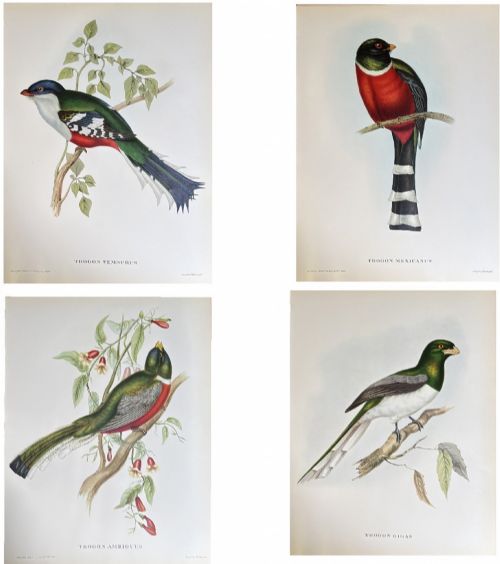
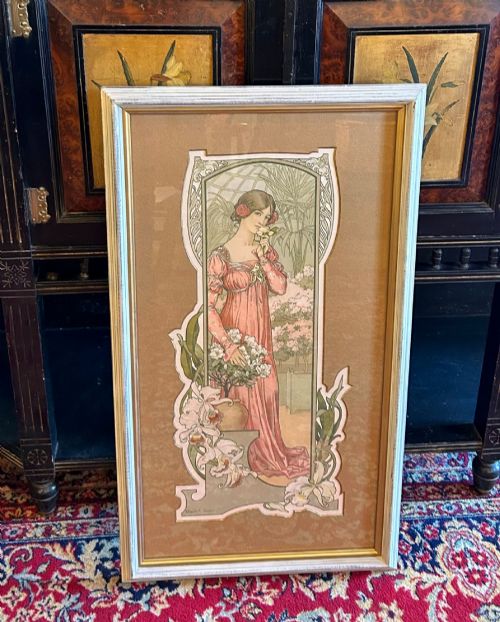
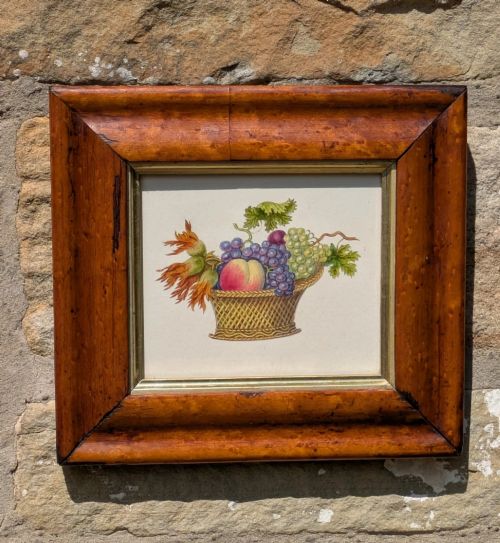
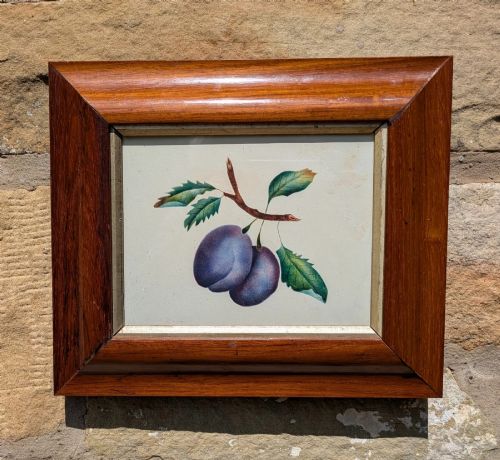
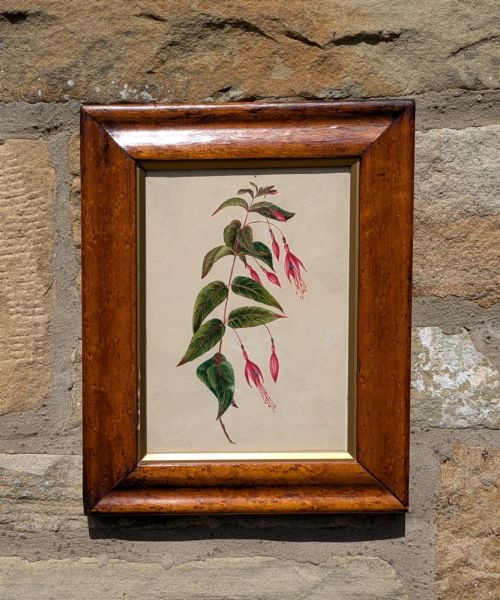
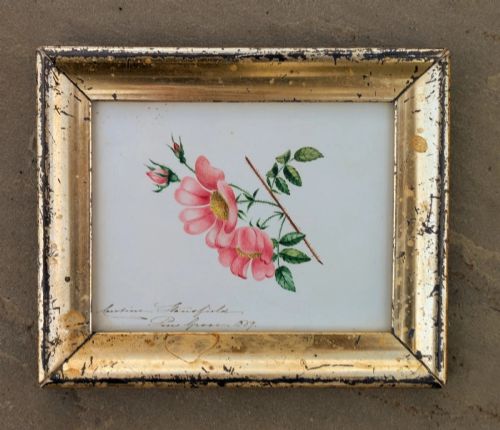
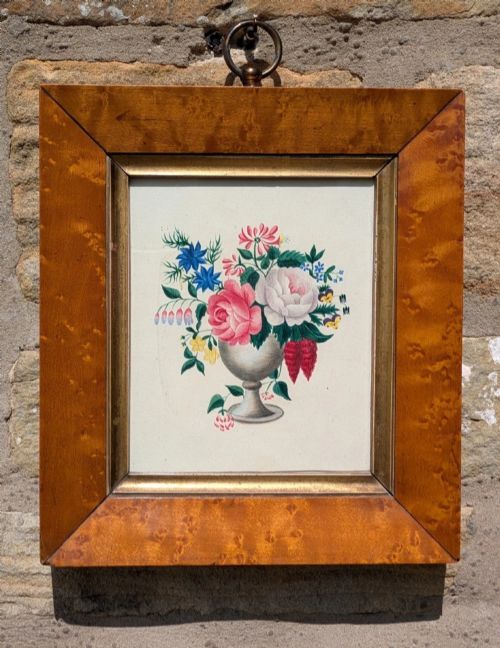
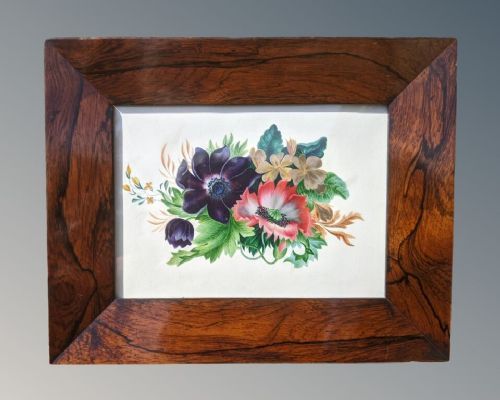
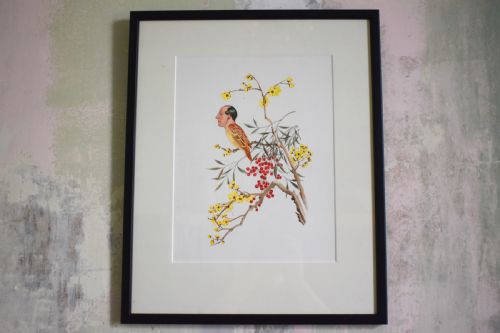
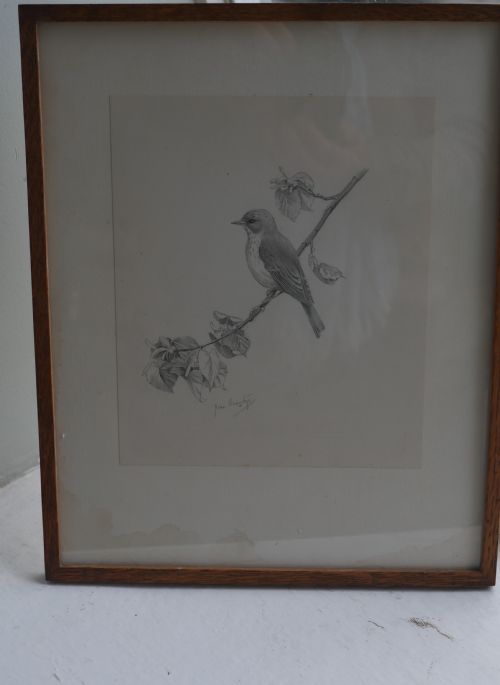
These vintage botanical illustrations bring the structured observation of past centuries directly onto domestic walls through hand-coloured engravings and watercolours.
Vintage Botanical Illustrations
Vintage botanical illustrations capture the meticulous study of plants, flowers, and natural history across several centuries. When searching for vintage botanical illustrations, buyers encounter everything from early hand-coloured engravings to nineteenth-century watercolours and twentieth-century lithographs.
The material record spans Georgian and Victorian studies alongside later Edwardian and mid-century works. These pieces frequently appear mounted in rosewood or gilt frames, ready for hanging as single studies or curated sets.
Materials and Techniques
Makers recorded natural subjects using watercolour, gouache, ink, and pencil upon paper. Many early examples began as copperplate engravings before receiving careful hand-colouring in the workshop.
Later nineteenth-century pieces often utilised lithography to reproduce detailed studies of flora and fauna. Framing materials typically involved wood, gilt wood, and gold leaf, occasionally paired with protective glass.
The listings span periods from the eighteenth century through the 1960s, encompassing paper, watercolour, and gilt wood framing.
Judging Quality and Execution
The standard of an illustration rests upon the precision of the draughtsmanship and the clarity of the botanical detail. Hand-coloured plates require careful application of pigment that respects the engraved lines beneath.
Original frames in rosewood or gilt wood contribute substantially to the historical integrity of a piece. The preservation of the paper surface, free from heavy toning or damp damage, distinguishes finer specimens.
Elisabeth Sonrel·Henrietta Creswell·Pancrace Bessa·George Edwards·John Curtis·Georg Wolfgang Knorr·M.K Rhodes
The Vintage Botanical Illustrations Glossary
- Engraving
- A printmaking technique where an image is incised onto a metal plate with a burin. The resulting lines hold the ink for transfer to paper under pressure.
- Lithography
- A planographic printing method based on the antipathy of oil and water. It allowed artists to produce detailed tonal reproductions of watercolour studies.
- Hand-coloured
- A print finished by hand using watercolours or washes applied over a monochrome base. This method was standard for eighteenth and nineteenth-century natural history plates.
- Gouache
- An opaque water-based medium containing pigment and a binding agent. It provides solid areas of colour and dense highlights in botanical paintings.
Vintage Botanical Illustrations: Frequently Asked Questions
How are these botanical prints framed?
Many examples are preserved in period surrounds such as rosewood, gilt wood, or simple moulded timber frames. Oval formats and matched sets frequently retain their original mounting styles.
Buyers often select framing that complements the age of the paper and the specific botanical subject matter.
What is the difference between an engraving and a lithograph?
An engraving is printed from an incised metal plate, producing crisp, fine lines that guide the hand-colouring. Lithography relies on a flat stone or metal surface to capture tonal gradations and painterly textures.
Both techniques produced the scientific and decorative plates collected today.
How do I care for antique paper art?
Protect works on paper by hanging them away from direct sunlight and maintaining stable indoor humidity levels. Acid-free backing materials and UV-filtering glass help preserve the pigments over decades.
Regular inspection ensures the paper remains stable within its frame.
Can I hang these illustrations as sets?
Matching sets of plates by artists such as John Curtis or Pancrace Bessa are frequently found grouped by theme or publication. Displaying them in pairs or larger grids echoes historical methods of study and decoration.
Consistent framing ties multiple pieces together on a wall.