

Gold Oval Picture Frames
Gold oval picture frames enclose portraits, mirrors and works on paper within shaped borders of giltwood, gilt brass and ormolu.
Gold Oval Picture Frames
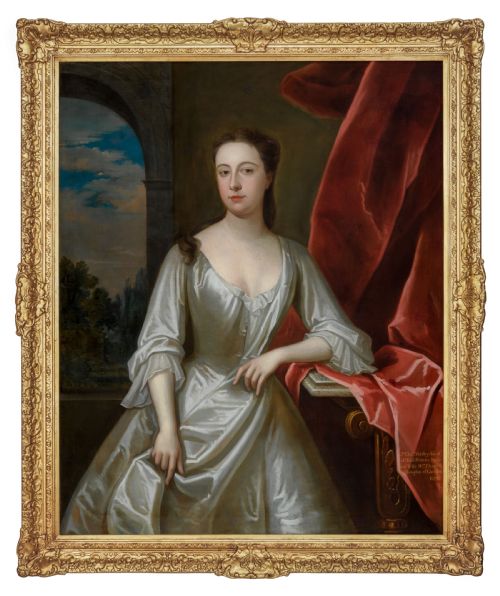
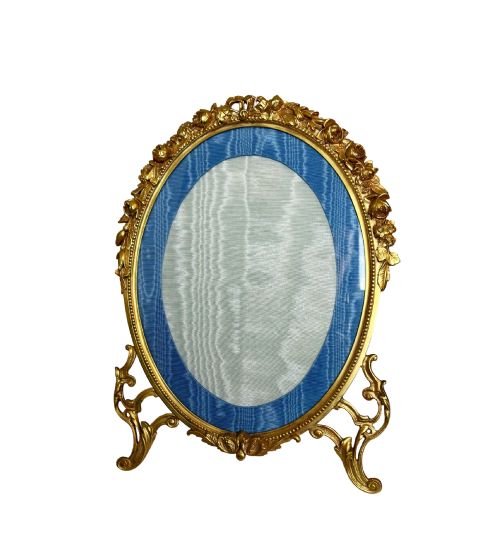
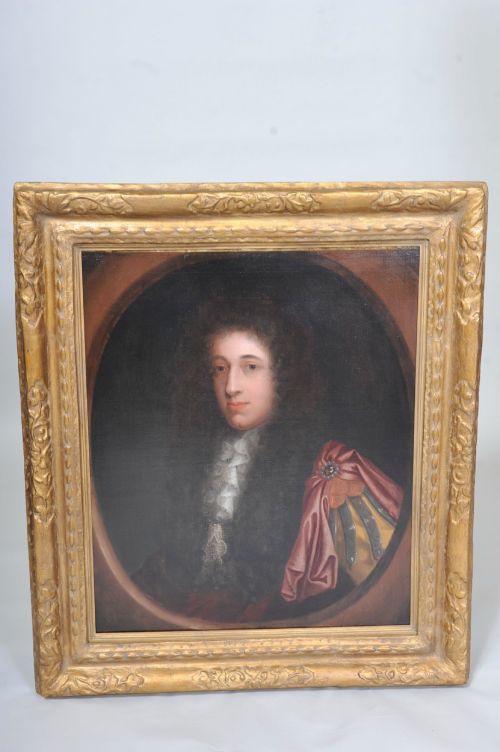
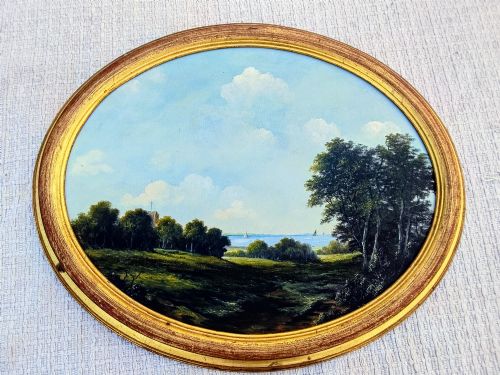
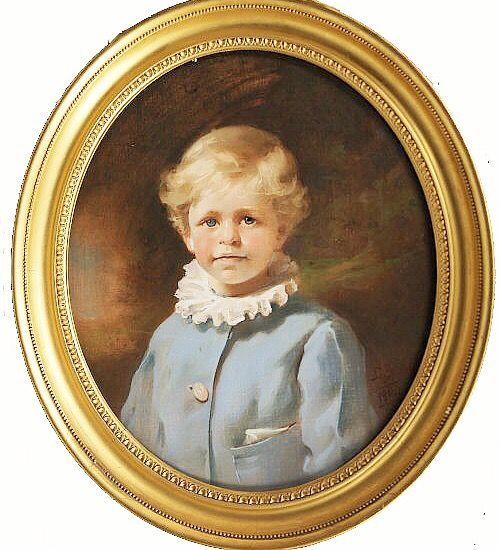
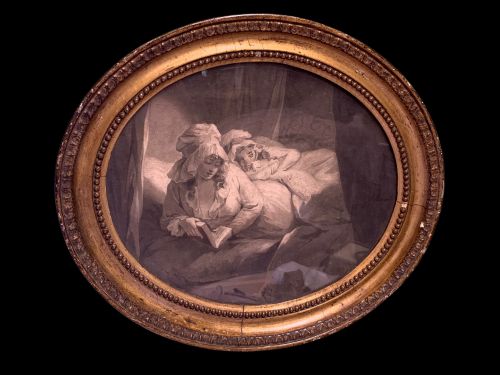
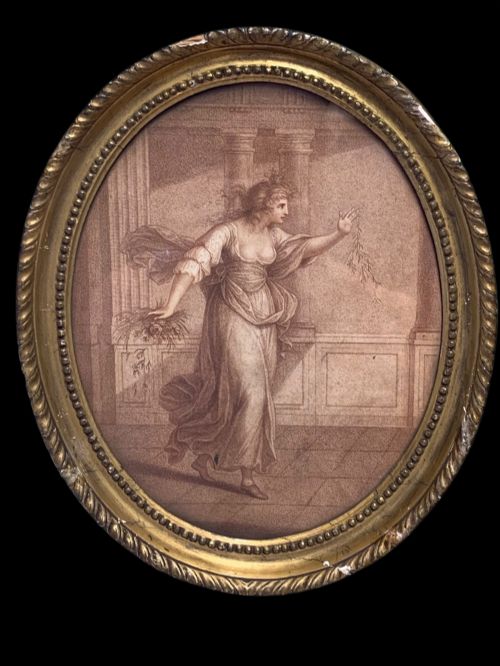
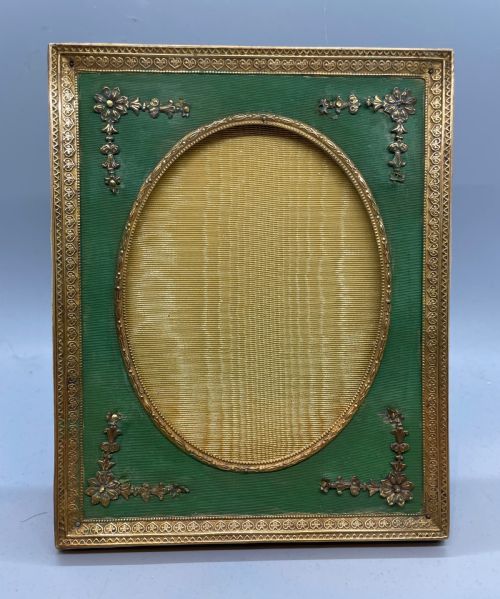
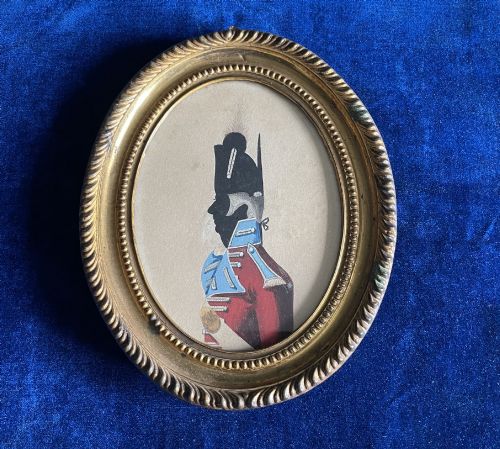
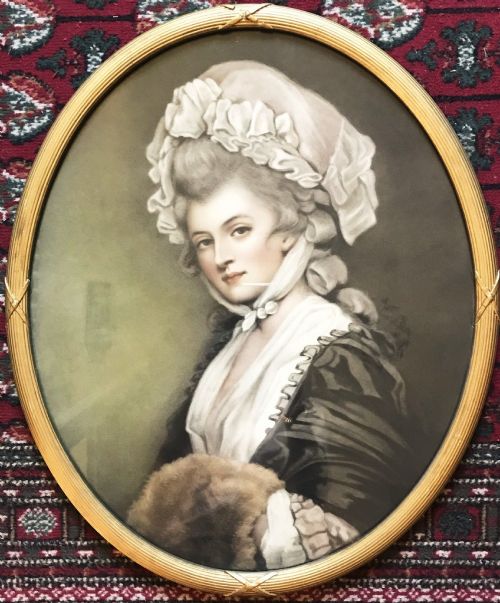
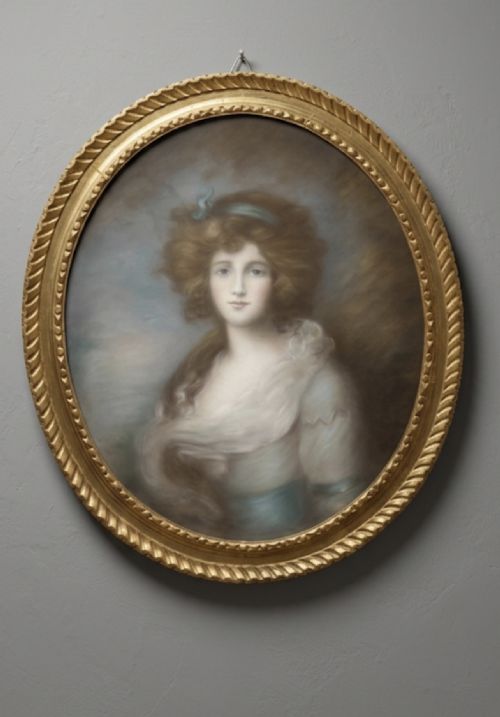
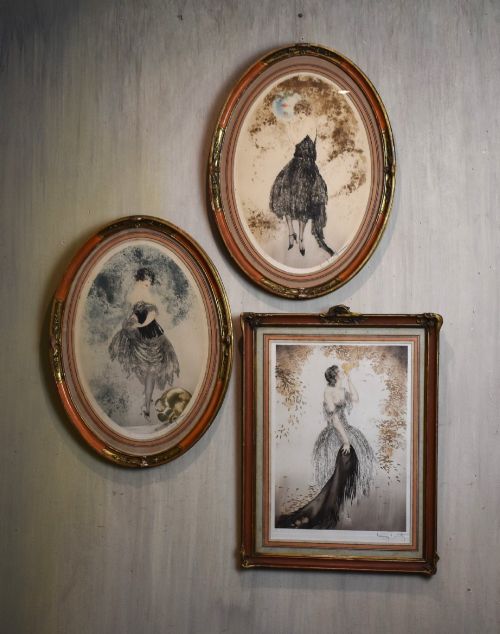
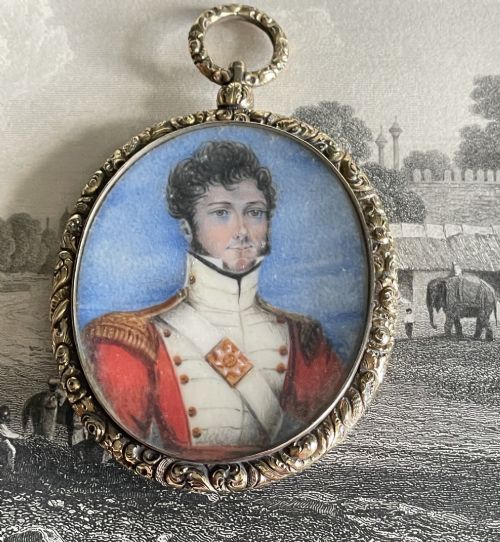
Gold oval picture frames enclose portrait miniatures, engravings, watercolours and oil paintings produced across the eighteenth, nineteenth and early twentieth centuries. These enclosures take the form of wall-hung giltwood and carved frames, alongside smaller desk and table stands made from gilt brass, ormolu and gilt metal.
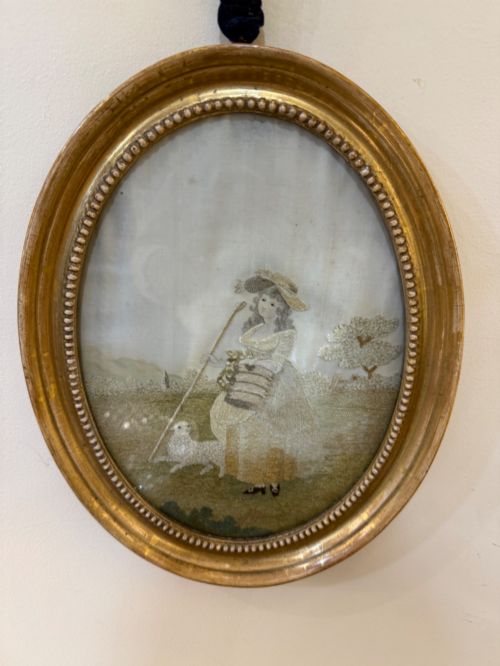
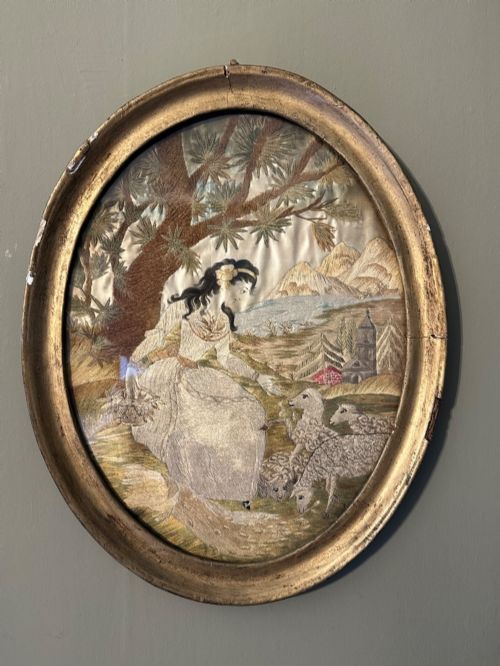
Buyers seeking gold oval picture frames encounter items from the Georgian, Victorian and Edwardian eras, with French Rococo, Baroque and Art Nouveau styles appearing frequently. The contents range from original oil paintings on canvas and board to silkwork embroideries, shellwork pictures and later printed reproductions.
The objects combine protective glass covers and paper or textile supports with rigid wooden or metallic backings. Many pieces retain their original period mounts, while others pair later works with antique frames or vice versa.
How they were made
Makers shaped timber into curved profiles before applying layers of gesso and gold leaf to create giltwood frames, or cast bronze and brass for ormolu and metal photo stands. Carvers utilised hand tools to execute floral and scroll motifs directly into the wooden mouldings.
Artisans combined glass, paper, silk, watercolour and oil paints within the structural enclosures, securing the contents with simple wooden backs and brass pins. Frames originating from French and Italian workshops often show distinct carved detailing and heavy gilding application.
Listings feature gold oval picture frames spanning the Georgian, Regency, Victorian and Edwardian periods, alongside French Rococo and Baroque styles.
What varies in quality
The depth of carving and the crispness of the gilt surface separate standard commercial surrounds from exceptional examples produced by skilled workshops. Hand-carved wooden mouldings and fire-gilded bronze display a definition that mechanical pressing or modern paint cannot replicate.
The integrity of the original backing, glass and internal contents dictates the overall character of the piece. Items retaining their untouched period mounts and contemporary artwork hold greater visual cohesion than assembled components.
Louis Icart·Thomas Gainsborough·George Hargreaves·Charles Hayter
The Gold Oval Picture Frames Glossary
- Giltwood
- Wood covered with thin gold leaf or powder over a prepared gesso ground. This material defines the traditional picture frames seen on eighteenth and nineteenth-century portraits.
- Ormolu
- Finely chased gilt bronze utilised for decorative mounts and desk frames. The technique involves applying a mercury and gold amalgam to bronze before heating.
- Silkwork
- Embroidery executed with silk threads upon a fabric ground, frequently depicting figures or landscapes. These textiles often require curved oval framing to protect the delicate fibres.
- Portrait miniature
- A small-scale painted likeness executed on ivory, vellum or card. Such works typically employ miniature oval metal or wooden frames fitted with glass.
- Gesso
- A plaster mixture applied to wood frames to provide a smooth surface for gilding. Skilled artisans model and carve intricate patterns directly into this foundation layer.
Gold Oval Picture Frames: Frequently Asked Questions
How do I hang a heavy gold oval picture frame?
Heavy giltwood frames require robust wall fixings such as steel screws and wall plugs capable of supporting the combined weight of the timber and glass. Picture wire should be secured to sturdy eyelets screwed firmly into the wooden sides of the frame rather than the backing board.
Ensure the hanging cord sits evenly across a pair of wall hooks to maintain the level position of the curved moulding. Avoid hanging such pieces in areas subject to direct sunlight or damp conditions.
Can I replace the glass in an antique oval frame?
Replacing broken glass requires sourcing conservation-grade float glass cut specifically to match the internal curve and dimensions of the rebate. Traditional frames often utilise slightly uneven hand-blown glass, so selecting thinner modern panes maintains the correct visual depth.
Glazing should be fitted carefully behind the internal rebate without exerting excessive pressure on the enclosed artwork or embroidery. Small metal tabs or traditional glazier's points secure the glass within the wooden channel.
Are these frames suitable for modern photographs?
Tabletop ormolu and brass stands accommodate modern prints provided the dimensions match the internal oval opening. Desk frames from the Edwardian and Art Nouveau periods often feature functional easel backs designed for easy photograph insertion.
Wall-hung frames require custom printing and cutting of photographs to fit the precise curved aperture. Acid-free backing paper should be placed behind modern prints to prevent chemical degradation over time.