


Edwardian Oval Frames
These edwardian oval frames bring curving lines and polished surfaces to a room, offering a distinct shape for photographs and mirrors.
Edwardian Oval Frames
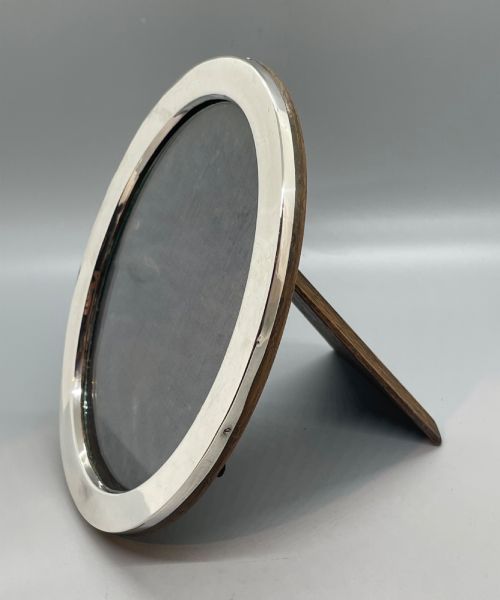
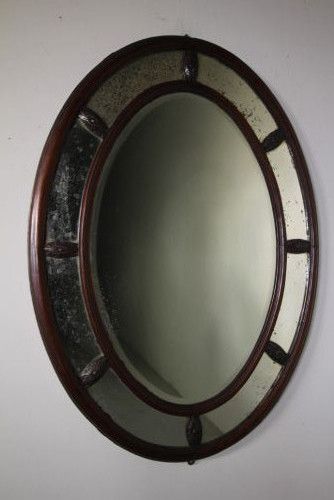
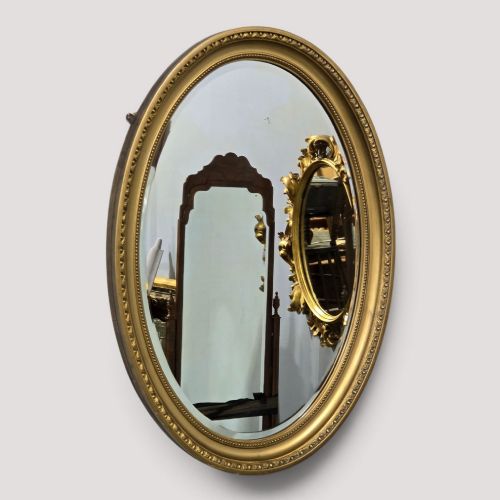
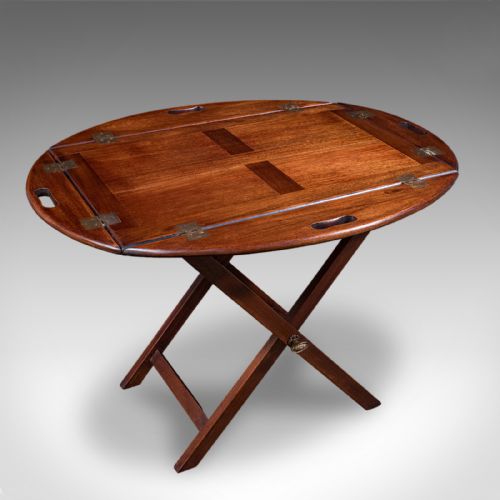
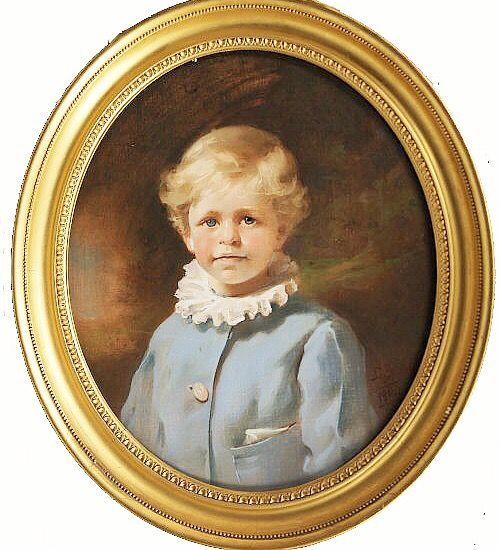
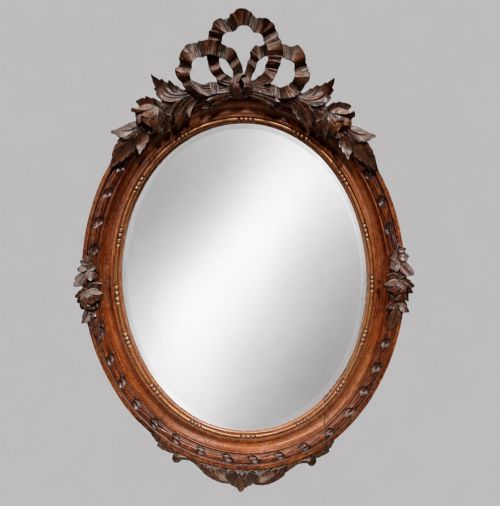
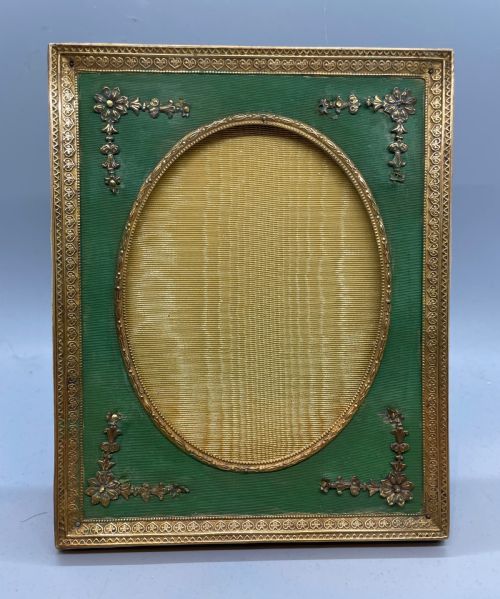
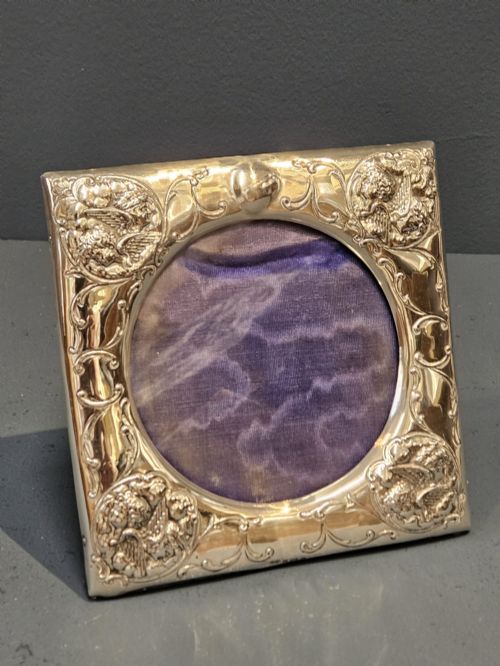
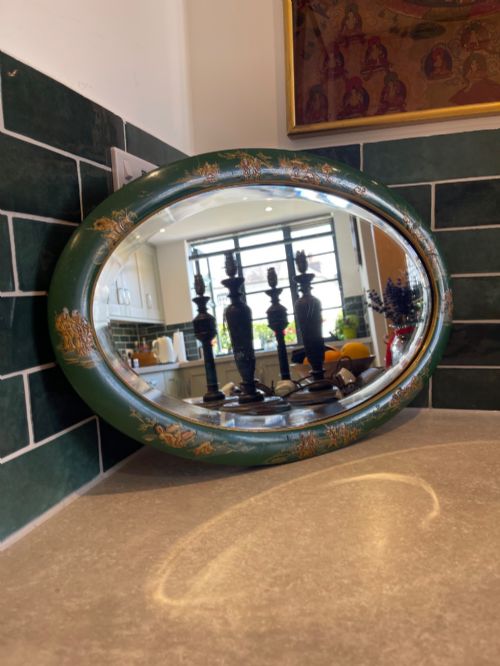
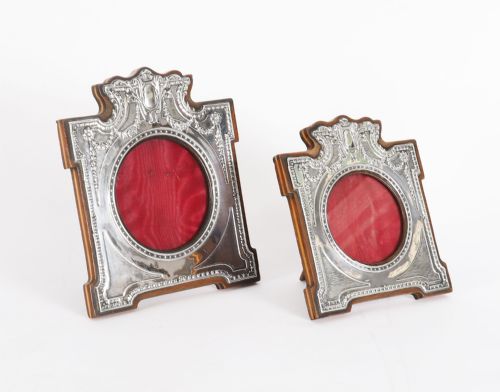
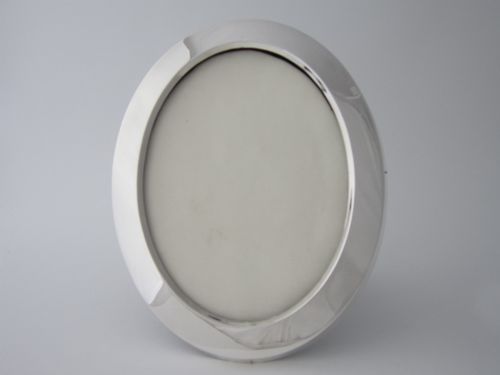
When searching for edwardian oval frames, buyers encounter pieces designed primarily for wall hanging or tabletop display during the early twentieth century. The selections on this page span the Edwardian period alongside adjacent Victorian and George V years, capturing the domestic aesthetic of the era.
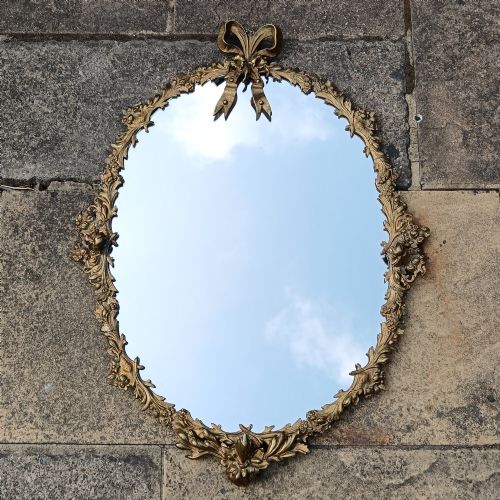
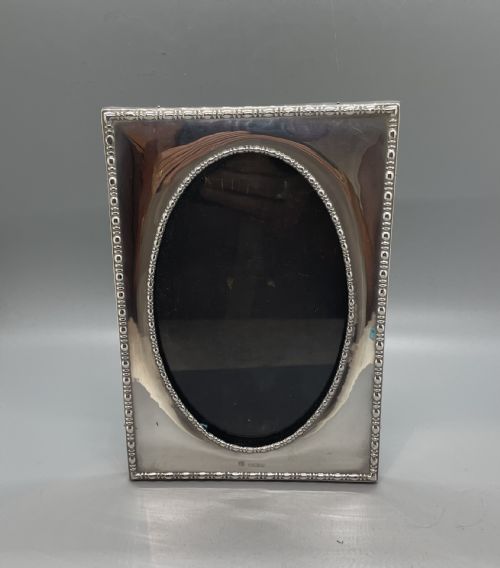
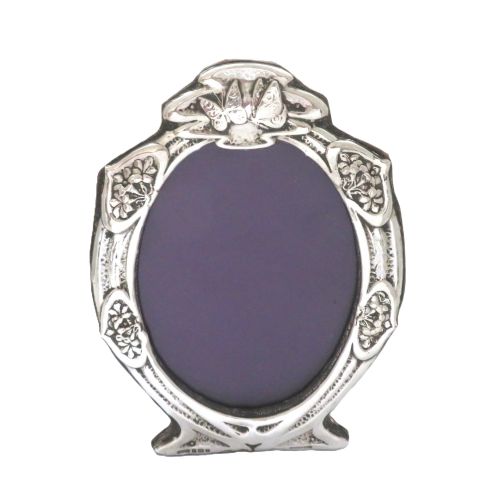
The forms vary between compact sterling silver photograph holders meant for bureaus and larger wooden or gilt wall mirrors intended for principal rooms. Alongside these, framed portrait miniatures, watercolours and prints appear in curved formats that echo the popular shapes of the period.
While many examples originate from British workshops, French and wider continental pieces also surface, reflecting the international taste for curved borders in brass, ormolu, and inlaid mahogany.
How They Were Made
Makers utilised traditional materials such as solid mahogany, oak, and cast brass, often combining them with surface treatments like parcel-gilding, ebonising, or gesso to create decorative definition. Sterling silver components carry hallmarks that record the assay office and year of creation, linking items directly to cities such as Birmingham and Sheffield.
Wooden items frequently feature inlaid veneers or carved details, whilst metal frames rely on stamping, piercing, and chased decoration to achieve patterns ranging from floral motifs to classical scrolls. Velvet and paper linings often back the interior compartments of photograph holders, protecting the contents placed within.
Art Nouveau and Arts & Crafts influences appear frequently in the metalwork styles, introducing stylised flora and fluid lines to the curved formats.
What Varies in Quality
The standard of a piece rests upon the crispness of the carving or stamping and the integrity of the materials used in its construction. Superior metalwork displays clean lines and deeply defined relief, whereas lesser examples present softer edges and shallower detail in the ornamentation.
The preservation of original surfaces, glass plates, and rear stands dictates the desirability of surviving items. Pieces retaining their structural stability, genuine backing boards, and unblemished gilding or silver polish represent the higher tier of craftsmanship from the period.
Liberty & Co·Mappin Bros
The Edwardian Oval Frames Glossary
- Gesso
- A plaster-based material applied to wooden frames as a smooth base for subsequent gilding or painting. It allows intricate relief ornamentation to be moulded onto the surface.
- Ormolu
- Finely ground high-carat gold-bronze mercury gilded onto a cast brass base. This technique produces a warm, durable metallic finish typical of decorative furnishings.
- Hallmark
- An official stamp applied to precious metals indicating the standard of purity, the maker, and the assay office. These marks provide definitive evidence of date and origin.
- Parcel-gilt
- A decorative treatment where only specific portions of an object receive a coating of gold leaf or gilding. This contrasts highlighted details against a dark wood or painted ground.
- Chinoiserie
- A European artistic style reflecting Chinese motifs and decorative techniques. It frequently appears on lacquered wooden frames decorated with figurative scenes or landscapes.
Edwardian Oval Frames: Frequently Asked Questions
How do I date an edwardian oval frame?
Examination of structural details, timber types, and metal hallmarks provides the most reliable method for establishing an approximate date. Pieces carrying silver assay marks can often be pinned to a specific year and city.
Stylistic cues such as inlaid mahogany or specific aesthetic movement motifs also guide identification, separating early twentieth-century examples from later reproductions or earlier Victorian equivalents.
Can these frames be used for modern photographs?
Most tabletop photograph holders accept modern prints, though aperture sizes may occasionally require trimming to fit the curved perimeter. Careful handling of the original backings and glass ensures the vintage structure remains undisturbed.
Wall-mounted versions function similarly to contemporary mirrors or art pieces, provided the hanging cord and fixings on the reverse are secure and capable of supporting the weight.
What is the difference between Edwardian and Victorian frames?
Victorian pieces tend to display heavier forms, darker ebonised finishes, and more ornate, dense ornamentation reflecting mid-to-late nineteenth-century tastes. Edwardian examples often favour lighter woods, slender profiles, and neoclassical or simpler aesthetic influences.
Overlap occurs around the turn of the century, where transitional items combine the robust construction of the earlier era with the brighter decorative palette of the later one.
How should I clean silver photo frames?
Silver components require gentle treatment with a specialist polishing cloth to remove tarnish without disturbing delicate embossed details or soldered joints. Liquid polishes should be used sparingly to avoid seeping into backing materials or velvet linings.
Wooden or gilded components benefit from simple dusting with a dry, soft cloth, avoiding moisture that could degrade gesso or lift fragile veneers.