
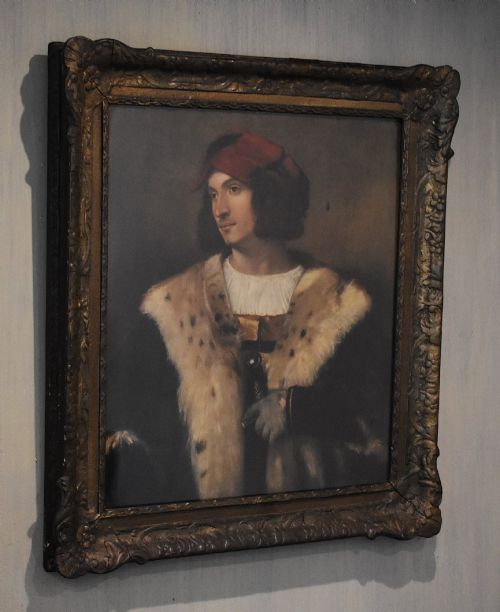


Gilded Portrait Prints
Gilded portrait prints bring together historical likenesses and ornate framing, offering collectors a striking way to display period portraiture.
Gilded Portrait Prints
When you search for gilded portrait prints, you encounter a varied collection of historical likenesses housed in metallic frames.
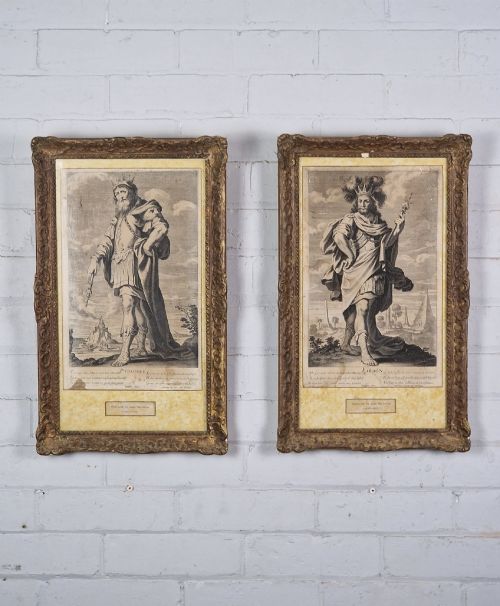
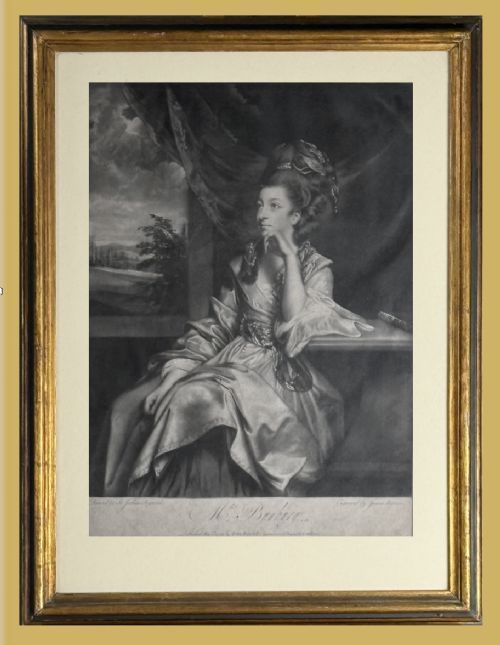
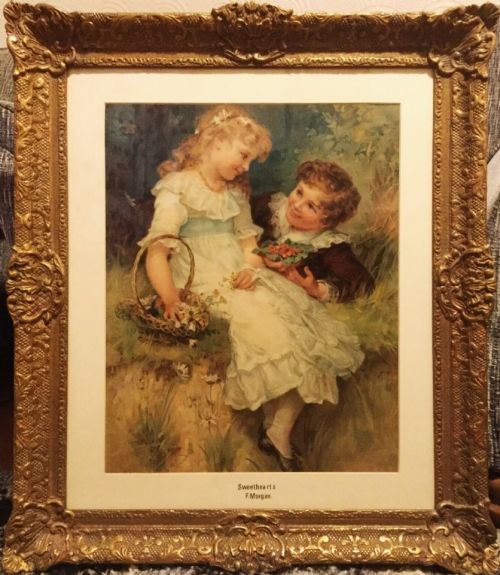
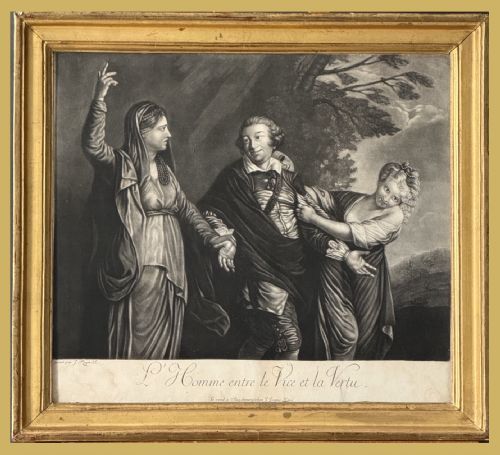
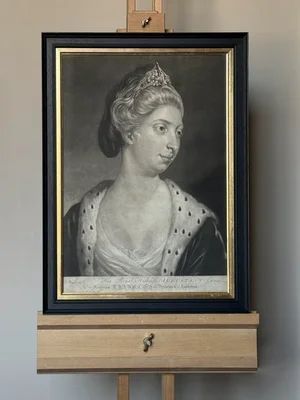
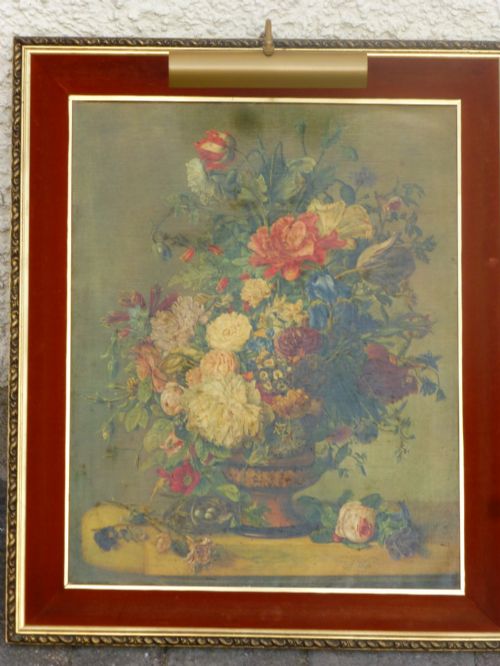
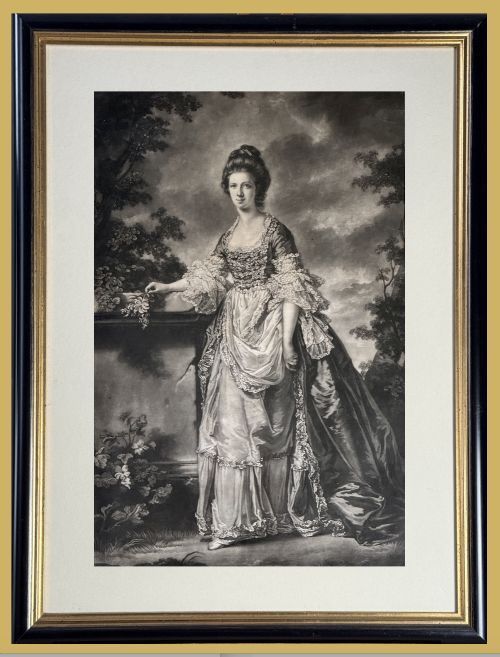
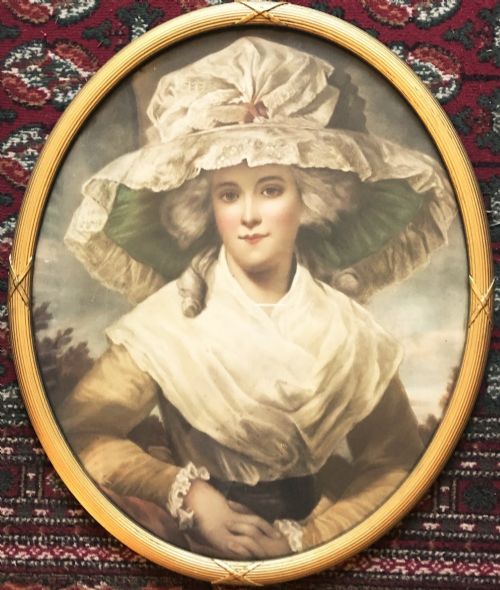
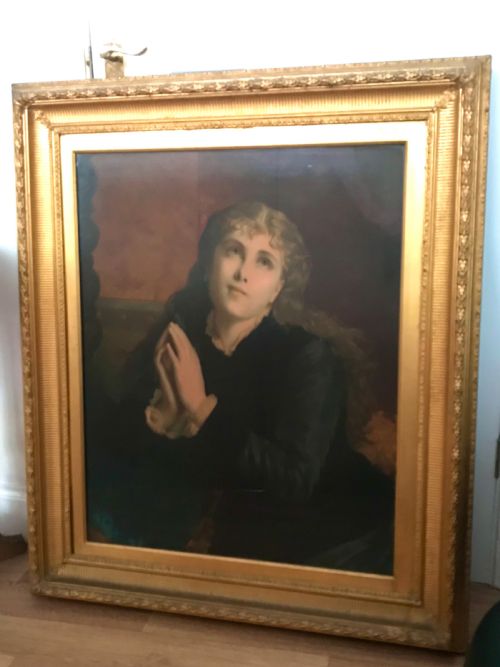
The pieces on this page span several centuries, including 18th-century mezzotints, 19th-century oleographs, and Georgian reverse glass pictures.
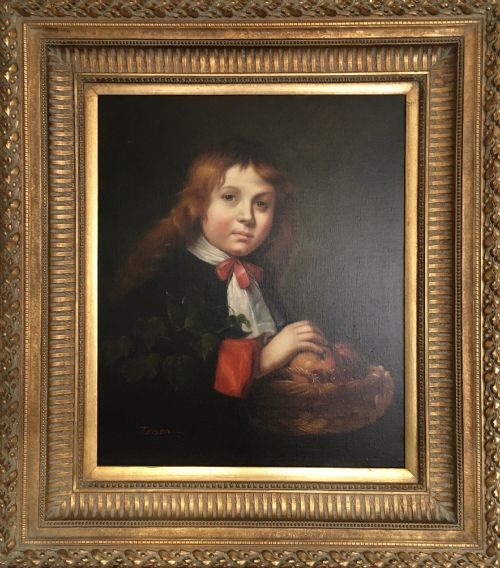
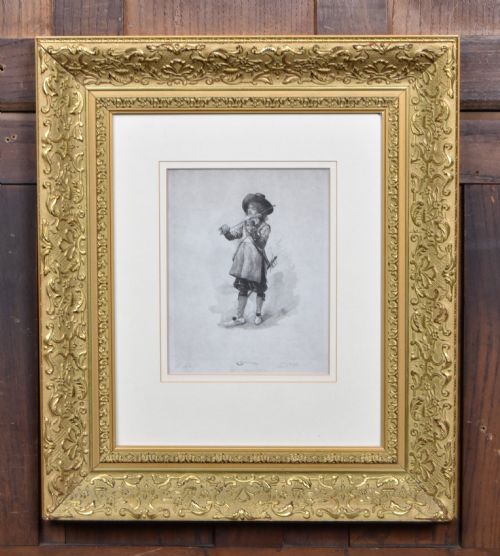
Subjects range from noble figures and children to religious icons, often framed in gilt wood or gesso surrounds.
Materials and Technique
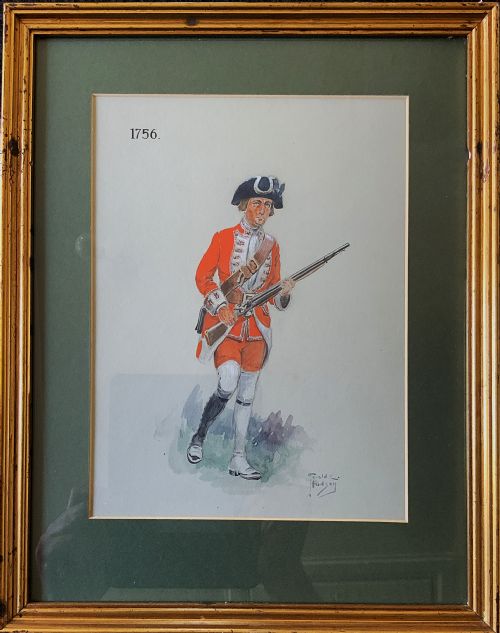
Makers utilised traditional printing and painting techniques on paper, canvas, and glass, frequently combining ink with oil or watercolour.
Frames were constructed from wood and finished with gold leaf, giltwood, or gilded gesso, occasionally incorporating reverse glass elements.
Watch for dogs stealing the spotlight from nobility, as spaniels and horses occasionally share the frame with historical figures.
Quality Factors
The distinction between tiers rests upon the execution of the print or painting and the hand-carved detail of the accompanying gilt frame.
Period pieces retain crispness in the ink or pigment, while the gilding displays the depth and wear expected of genuine age rather than recent application.
James Watson·Sir Joshua Reynolds·Robert Sayer·Edward Stodart
The Gilded Portrait Prints Glossary
- Mezzotint
- A printmaking process of the intaglio family, where the plate is roughened to produce tonal gradations and rich dark areas.
- Oleograph
- A type of chromolithography designed to imitate an oil painting, often finished with varnish and applied to canvas.
- Reverse glass painting
- An art form where the image is painted or printed on the reverse side of a glass panel to be viewed from the front.
- Giltwood
- Wood that has been treated and coated with gold leaf or a metallic substitute for a decorative finish.
Gilded Portrait Prints: Frequently Asked Questions
How do I date a gilded portrait print?
Dating relies on examining the framing techniques, the type of paper or canvas, and the printing method used for the central image. Stylistic clues in clothing and hair also point to specific periods like the Georgian or Victorian eras.
Analysing the reverse of the piece often reveals older backing boards, glues, or framer labels that confirm the age of the overall assembly.
Are these prints originals or reproductions?
The inventory includes period prints pulled from original plates during the eighteenth and nineteenth centuries, alongside later oleographs and decorative reproductions from the twentieth century.
Each medium carries distinct surface textures and ink characteristics that separate an authentic period impression from a modern copy.
How should I care for a piece with gold leaf framing?
Gilt frames require a stable indoor environment away from direct sunlight and high humidity to prevent the underlying wood and gesso from cracking or flaking.
Dusting should be done gently with a dry, soft brush, avoiding any liquid cleaners or abrasive cloths that might damage the delicate metallic surface.
What is a reverse glass picture?
A reverse glass picture is created by applying pigments or transfer prints directly to the back of a glass sheet, viewing the final composition through the front.
This technique protects the artwork from atmospheric dust and yields a glossy, reflective surface unique to historic interior decoration.