


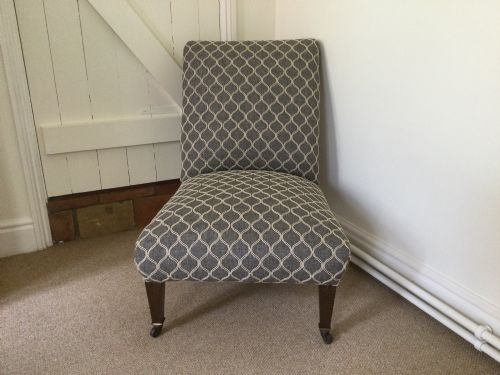

Vintage Bedroom Fireside Chair
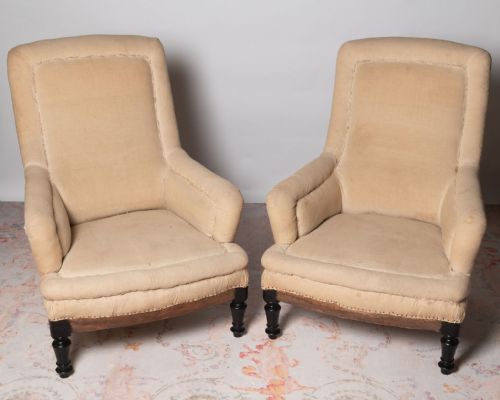
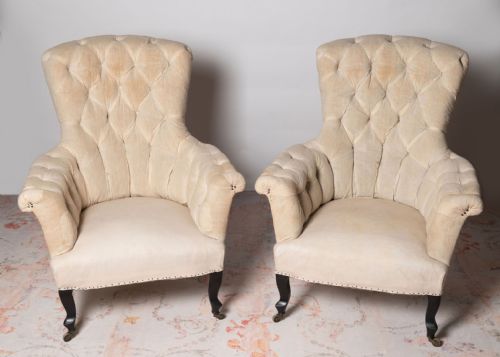
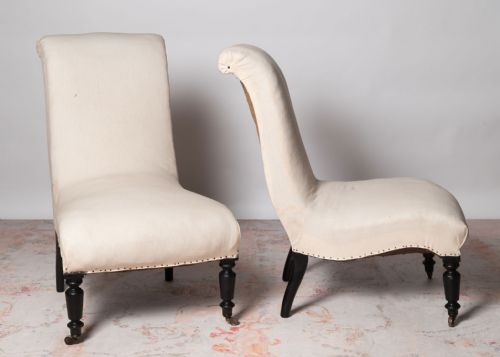
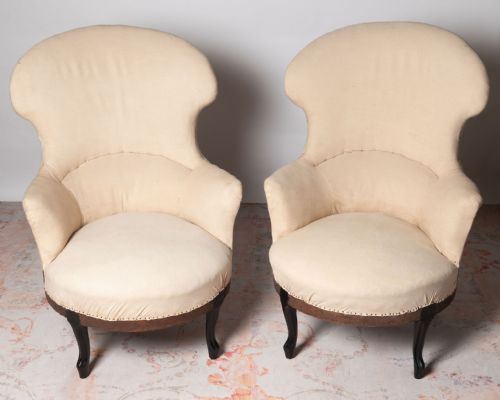
A vintage bedroom fireside chair brings low seating and low-slung comfort to a corner, drawing on nineteenth-century and Edwardian forms.
Vintage Bedroom Fireside Chair
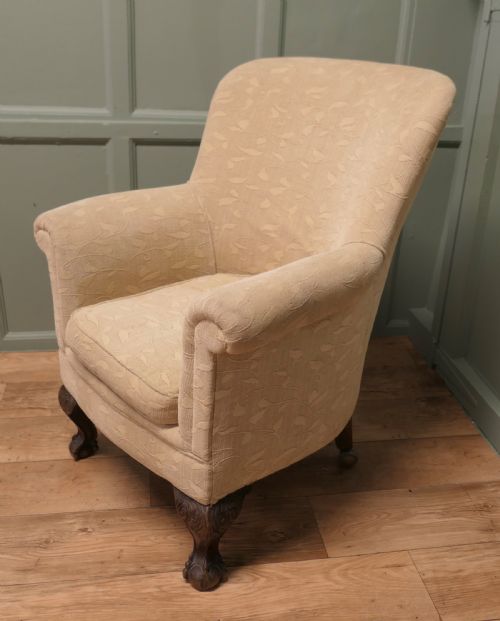
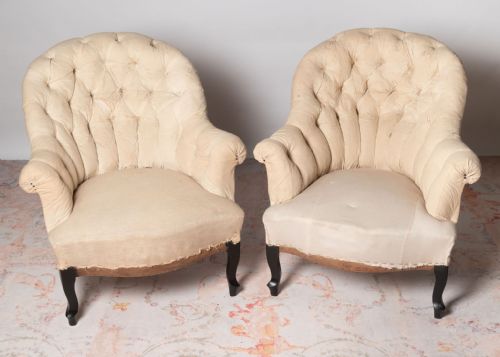
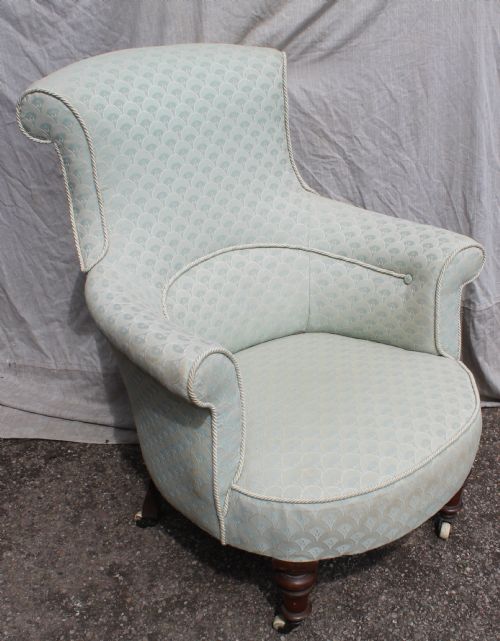
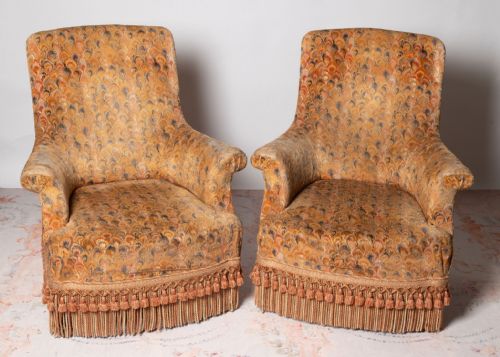
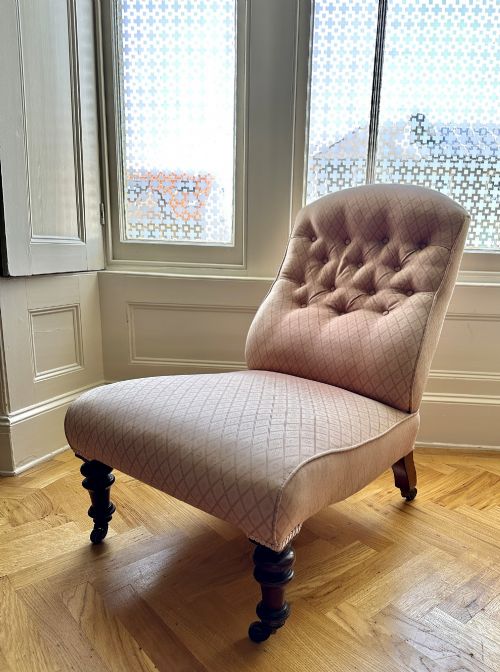
A vintage bedroom fireside chair encompasses low-slung seating designed originally for warmth near the hearth or for private dressing rooms. Buyers searching this phrase encounter nineteenth-century Victorian pieces alongside Edwardian examples, spanning low nursing chairs, slipper chairs, and compact tub armchairs.
Materials and construction
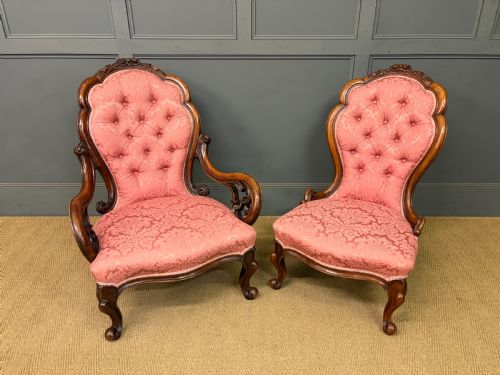
Frames rely predominantly on traditional hardwoods such as mahogany and walnut, occasionally shaped with carved details or turned supports like barley twists. Woodwork provides the structural skeleton, supporting padded seating upholstered in velvet, linen, calico, fabric, or leather.
Makers employed traditional joinery combined with sprung or stuffed upholstery methods, often securing covers with brass detailing. Frames range from exposed show-wood polished finishes to fully upholstered shells ready for fabric.
Markers of distinction
Quality rests in the integrity of the timber frame and the sophistication of the carving or turning, where crisp detail elevates the piece above standard utilitarian seating. The proportion of the low seat and the harmony of the backrest shape dictate the visual balance of the silhouette.
Original upholstery survivals or sympathetic restorations preserve the character of the piece more effectively than unsympathetic modern rebuilds. Selection depends on whether the timber shows rich grain and whether the frame retains its original structural rigidity.
Harrods London·Wheeler Of Arncroach
The Vintage Bedroom Fireside Chair Glossary
- Slipper chair
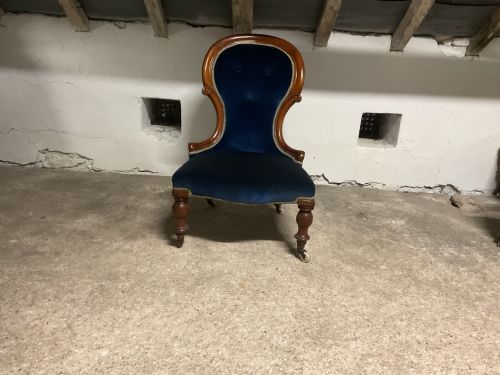
- A low-seated upholstered chair originally designed for bedrooms to allow ladies to dress comfortably. These pieces sit close to the floor and typically lack arms.
- Nursing chair
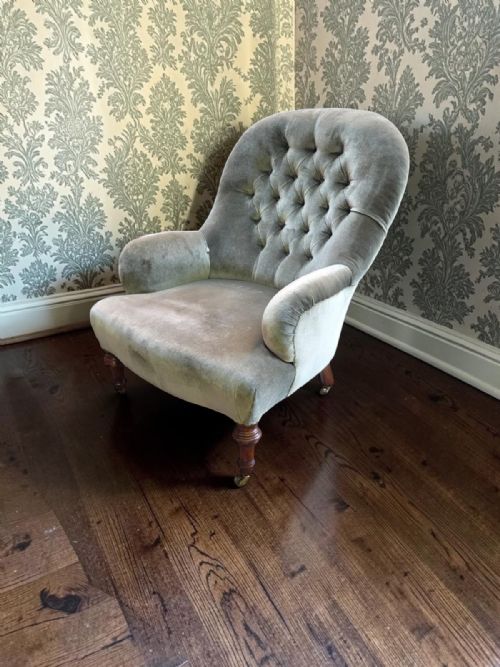
- A low nineteenth-century armchair built with a compact seat to facilitate infant feeding or domestic tasks near a hearth. They often feature button-backed upholstery and supportive low frames.
- Tub chair
- An upholstered armchair with a rounded continuous back and arms forming a barrel shape. This enclosed form provides draught-proof comfort by the fireplace.
- Show-wood
- Exposed polished timber frame components left visible around the upholstered padding. Walnut and mahogany were frequently utilised for this decorative effect.
- Button back
- An upholstery technique where indentations are pulled into the padding using buttons arranged in a geometric diamond pattern. This method secures internal stuffing while adding formal texture.
Vintage Bedroom Fireside Chair: Frequently Asked Questions
What is a bedroom fireside chair?
A low-seated upholstered chair designed for domestic warmth and private dressing rooms during the Victorian and Edwardian eras. These seats sit lower to the ground than standard dining or salon chairs.
They offer compact proportions that suit bedroom corners or intimate fireside settings without dominating a room.
How do I identify a Victorian piece?
Victorian examples frequently employ dense hardwoods like mahogany and walnut, often featuring button-backed upholstery, turned legs, or show-wood frames. Look for structural elements typical of the mid to late nineteenth century.
Details such as barley twist supports and deep cushioning point directly toward this manufacturing period.
Can I use these chairs in a modern room?
Their low profiles and compact footprints make them ideal accent pieces for contemporary bedrooms or living spaces. They fit easily into corners or beside low modern furniture.
Mixing antique woodwork with modern interiors adds textural contrast and historical character to a home.
What is the difference between a nursing chair and a slipper chair?
Nursing chairs traditionally feature supportive backs and sometimes low arms, built specifically for comfort during domestic tasks near the hearth. Slipper chairs are typically armless and sit extremely low to the ground.
Both serve similar decorative and functional roles in period bedrooms.