
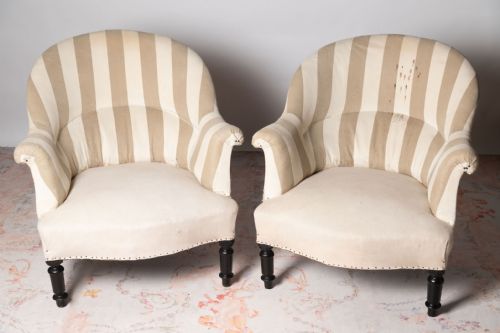
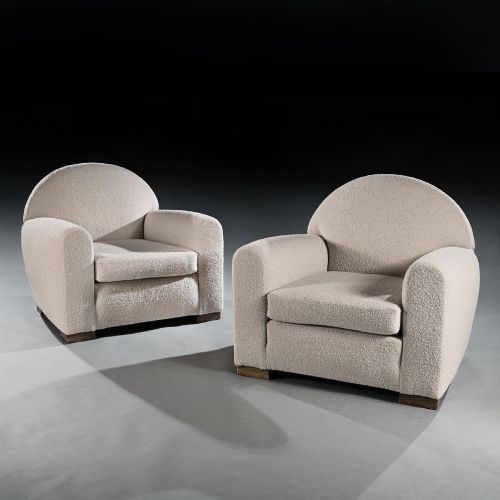
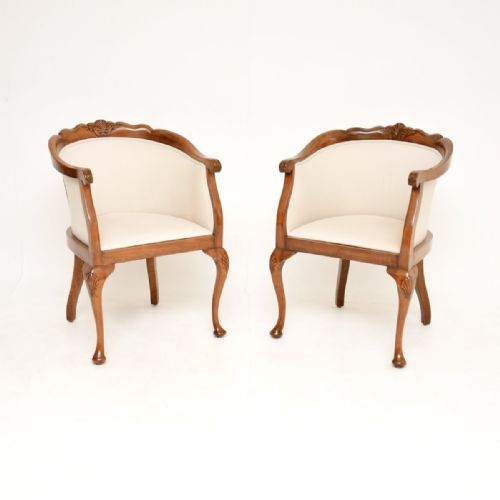
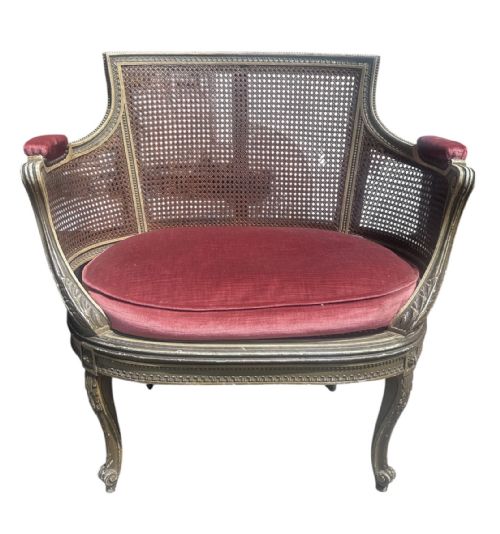
Vintage Barrel Back Chair
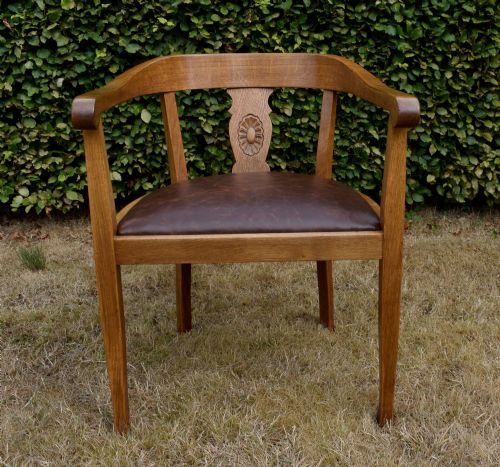
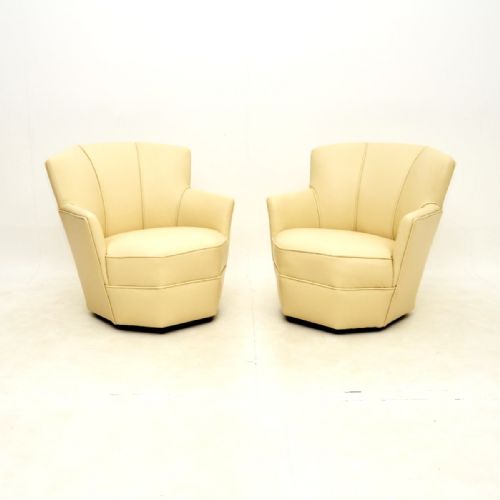
A vintage barrel back chair offers a curved, encompassing support, and you will find examples here ranging from Edwardian mahogany to Art Deco leather.
Vintage Barrel Back Chair
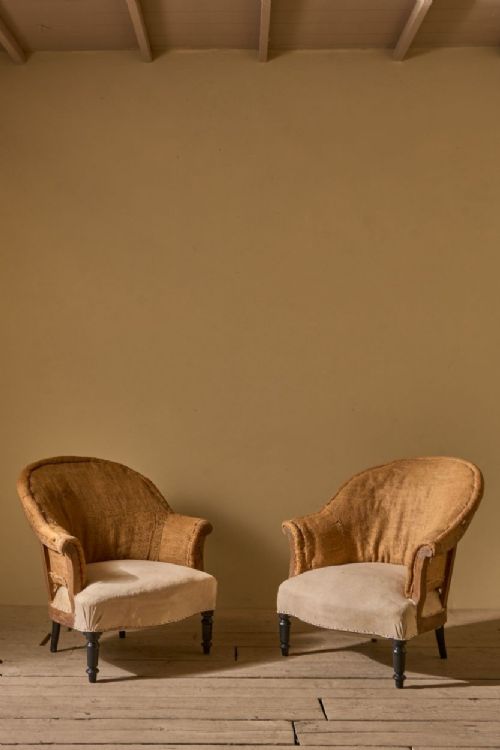
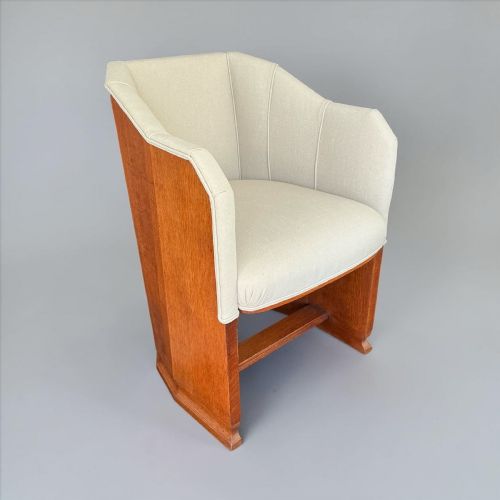
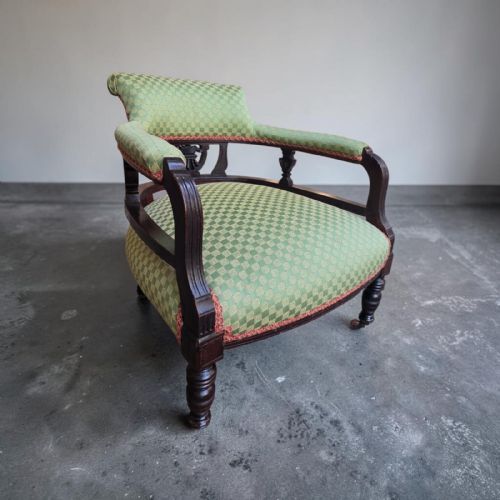
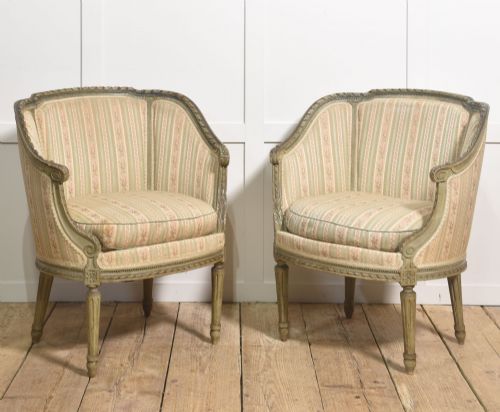
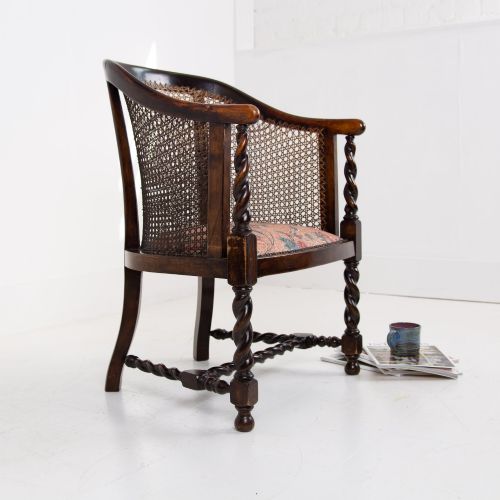
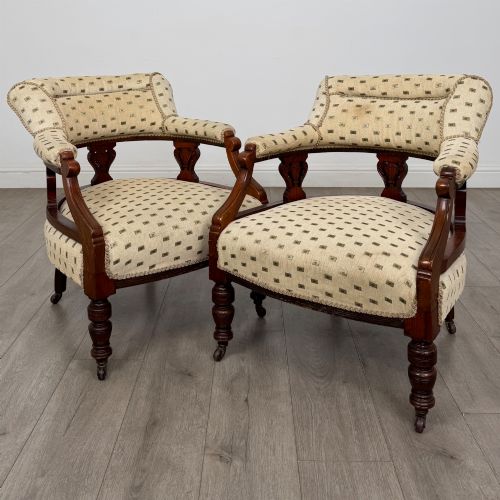
A vintage barrel back chair provides a continuous, semi-circular backrest that wraps around the sitter for solid support. The selections gathered here span periods from the nineteenth century through the Edwardian era and into the Art Deco and mid-twentieth century.
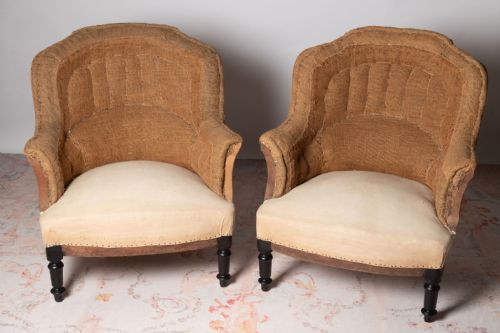
Most pieces you encounter on this page take the form of tub chairs, library chairs, or desk chairs in woods such as mahogany, oak, walnut, and teak. Alongside single armchairs, the inventory includes matching pairs and occasional settees.
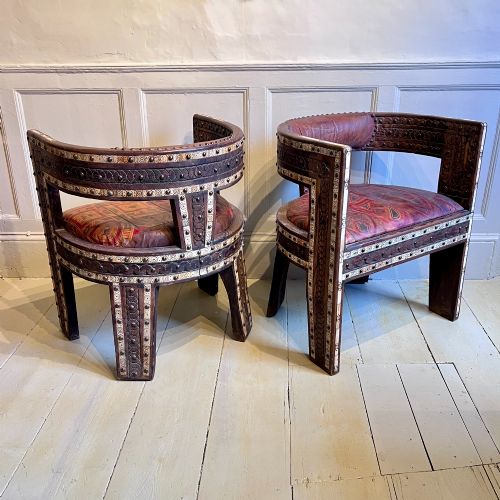
Origins vary across English, French, and Anglo Indian workshops, displaying styles from Louis XV revival and Jacobean revival to clean-lined twentieth-century designs. Buyers select these seats for studies, bedrooms, and drawing rooms where compact comfort matters.
How they were made
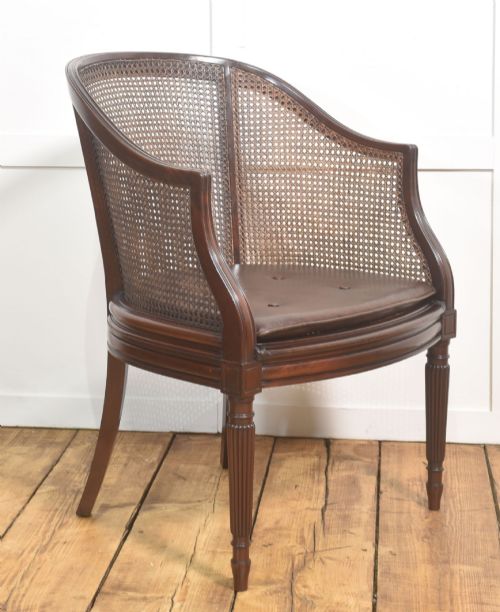
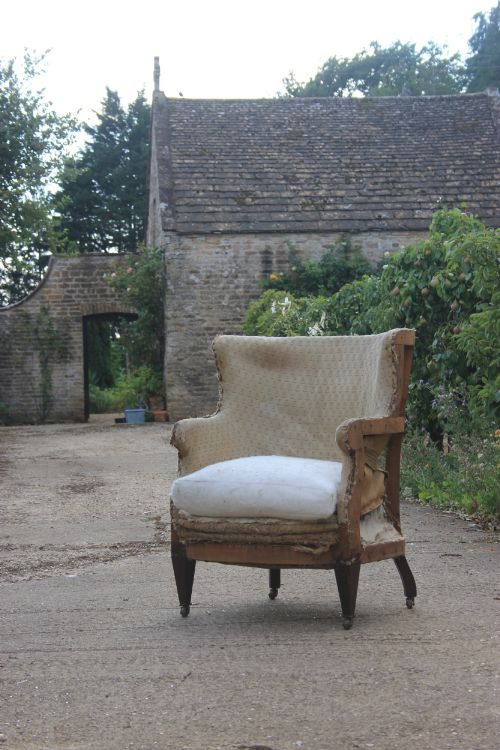
Cabinetmakers constructed the frames of these chairs from sturdy hardwoods including mahogany, oak, walnut, and regional hardwoods, often incorporating cane panels or intricate carvings. Upholstered versions rely on traditional springing and stuffing finished in leather, velvet, hessian, or patterned fabric.
French and English makers utilised techniques such as wood painting, brass detailing, and intricate cane weaving to texture the curved frames. Twentieth-century pieces introduced simpler lines while retaining solid timber joinery and substantial leather or textile coverings.
Listings feature periods from the nineteenth century through the Victorian, Edwardian, and Art Deco eras, constructed in mahogany, oak, walnut, and teak.
What varies in quality
The distinction between ordinary and exceptional chairs rests in the integrity of the curved timber frame and the precision of the joinery. Pieces with original leather, intact cane work, or period-appropriate upholstery display a higher grade of craftsmanship.
Subtle details such as hand-carved mahogany details, fluted legs, or quality brass accents separate standard seating from superior examples. The harmony between the original frame structure and the quality of the covering defines the lasting merit of each piece.
Hary and Lou Epstein
The Vintage Barrel Back Chair Glossary
- Tub chair
- A seating form featuring a low, rounded back that encloses the sides in a continuous curve. This shape evolved during the eighteenth century to protect sitters from drafts.
- Bergere
- An enclosed upholstered armchair with wooden frames where the sides are frequently filled with cane work. French makers popularised this refined seating style.
- Cane
- Strips of rattan woven into open mesh panels to form lightweight seat and back inserts. It appears frequently on Edwardian and Anglo Indian frames.
- Fauteuil
- An open-armed French armchair with exposed wooden framing and upholstered back and seat. These pieces often exhibit carved details and painted finishes.
- Art Deco
- A design style spanning the interwar period characterised by streamlined forms, smooth surfaces, and modern materials. Chairs from this era often utilise club chair proportions and bold leather.
Vintage Barrel Back Chair: Frequently Asked Questions
Where should I place a tub chair?
Tub chairs fit well in corners, beside desks, or paired opposite a sofa due to their compact, curved footprint. Their enclosing shape makes them practical for reading nooks and conversational groupings.
Consider matching pairs to create balanced symmetry in a living room or drawing room setting.
How do I identify an Edwardian barrel back chair?
Edwardian examples often feature lighter woods like mahogany, sometimes paired with cane inserts or subtle inlay work. They reflect the refined, domestic comfort popular in the early twentieth century.
Look for slender proportions and traditional joinery that distinguish them from heavier Victorian or modern Art Deco designs.
Are these chairs comfortable for daily use?
Many vintage models provide deep cushioning and supportive curved backs designed for extended sitting. Leather club chairs and upholstered tub chairs offer particularly generous padding.
Pieces with newly upholstered surfaces or well-maintained springs ensure reliable daily comfort in modern interiors.