


Damask Wingback Armchair
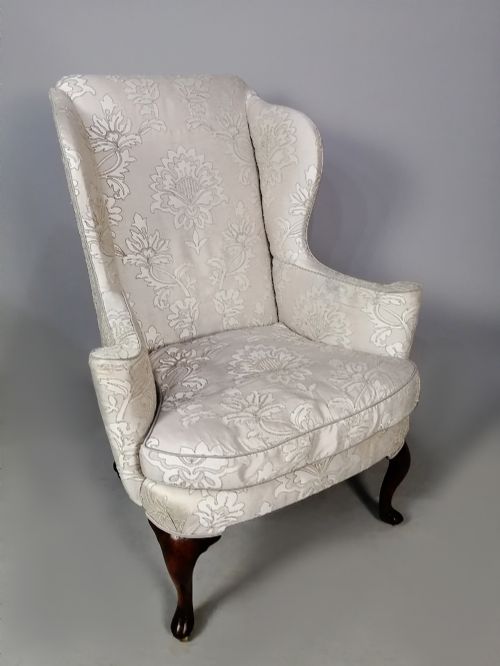
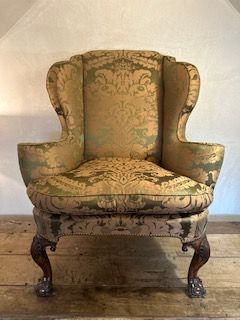
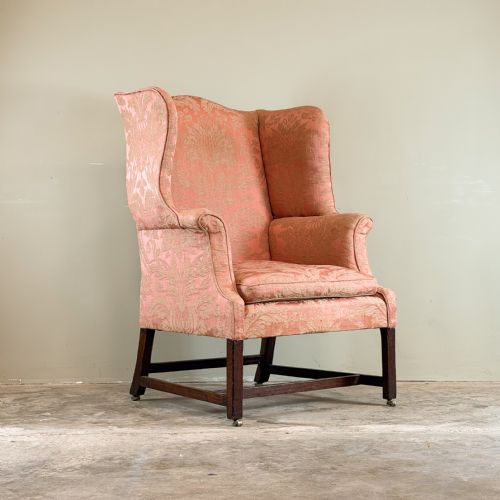
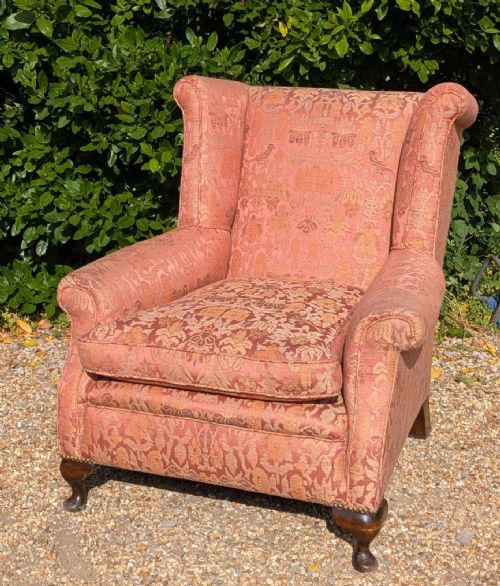
A damask wingback armchair offers deep fireside comfort paired with traditional patterned upholstery, originating largely from eighteenth and nineteenth century workshops.
Damask Wingback Armchair
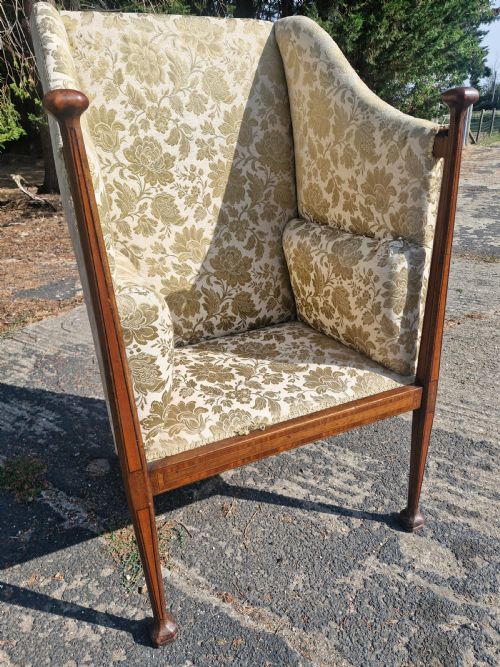
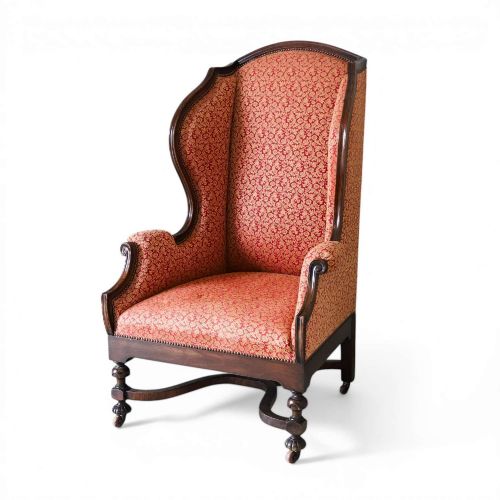
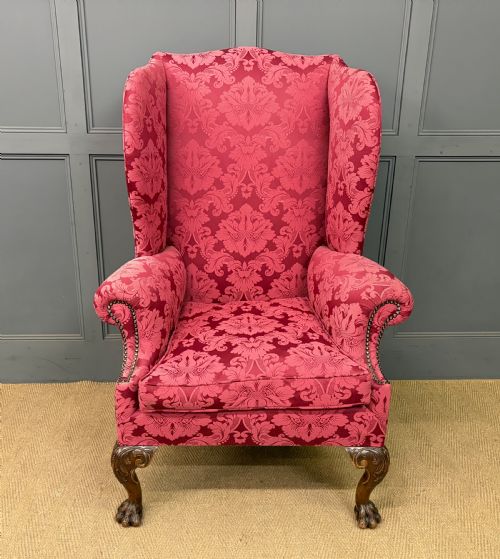
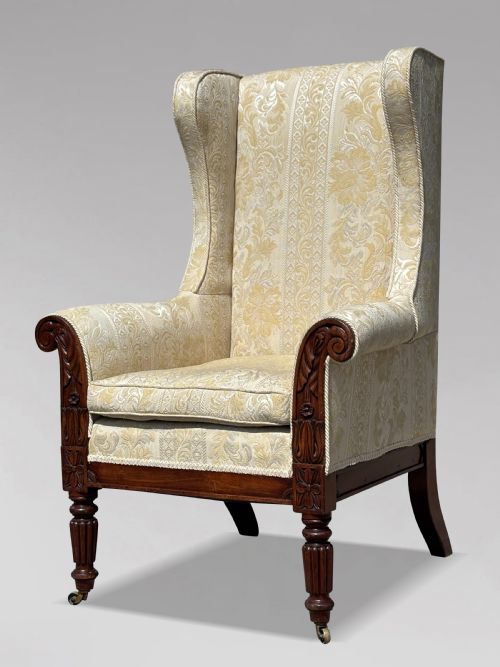
A damask wingback armchair is a substantial seat designed to shield the sitter from draughts, featuring distinctive upholstered side panels flanking the headrest. When searching this phrase, buyers encounter examples ranging from eighteenth century Georgian pieces to nineteenth century Victorian and Edwardian interpretations.
The selection includes pieces constructed in mahogany and walnut, frequently styled after earlier periods such as the Carolean Revival and Chippendale. Alongside traditional single fireside chairs, the listings encompass related forms including library armchairs and high back upholstered seats.
Most pieces date from the nineteenth century, though earlier eighteenth century examples and later twentieth century chairs up to the 1930s also appear. The overarching category spans simple wooden frames to heavily carved scholarly library seating.
Materials and Construction
Frames are constructed primarily from timber such as mahogany and walnut, providing a sturdy structural skeleton hidden beneath textile coverings. Brass details sometimes accent the woodwork or castors.
Upholstery relies on traditional fabrics including damask and fabric coverings, often filled with feathers or other soft stuffing to ensure deep comfort.
The listings span multiple centuries, incorporating mahogany and walnut timbers alongside traditional damask fabric upholstery.
Craftsmanship and Distinction
Quality reveals itself in the depth of timber carving on the exposed legs and framework, alongside the precision of the joinery. Finer examples display meticulous hand shaping and period appropriate styling, whether in a Georgian manner or an Art Nouveau aesthetic.
Thomas Chippendale
The Damask Wingback Armchair Glossary
- Wingback
- A traditional chair design featuring projecting side panels intended to retain heat from a fireplace and block draughts. These upholstered extensions frame the upper back of the seat.
- Damask
- A reversible figured fabric traditionally woven on a jacquard loom with patterns formed by contrasting warp and weft threads. It is frequently chosen for formal upholstery.
- Carolean Style
- A decorative design echoing the seventeenth century reign of Charles II, characterised by rich carved woodwork and scrollwork. Pieces revived in this manner date to later nineteenth century periods.
- Chippendale Style
- A classical furniture design language derived from eighteenth century cabinetmaker Thomas Chippendale, notable for intricate mahogany carving and ball and claw feet.
Damask Wingback Armchair: Frequently Asked Questions
How do I identify the period?
Dating relies on examining the timber species, leg styling, and framing construction techniques. Eighteenth century examples show different carving details compared to Victorian or Edwardian revivals.
Style indicators such as Chippendale or Carolean Revival influences provide further clues regarding the decade of manufacture.
Where should I place this chair?
These armchairs suit traditional living rooms, studies, and reading corners where their high backs and patterned upholstery serve as a focal point. They pair well with classic interior aesthetics.
Consider the scale of the room, as the projecting wings require adequate space to sit comfortably without crowding surrounding furniture.
How do I care for damask upholstery?
Regular gentle vacuuming with a soft brush attachment prevents dust accumulation within the woven pattern of the fabric. Professional cleaning is recommended for deeper maintenance to protect the textile fibres.
Keeping the chair away from direct sunlight prevents the damask material from fading over time.