




Vintage Bar Trolley
A vintage bar trolley brings period character and practical mobility to modern entertaining, spanning designs from Edwardian tea carts to Art Deco cocktail servers.
Vintage Bar Trolley
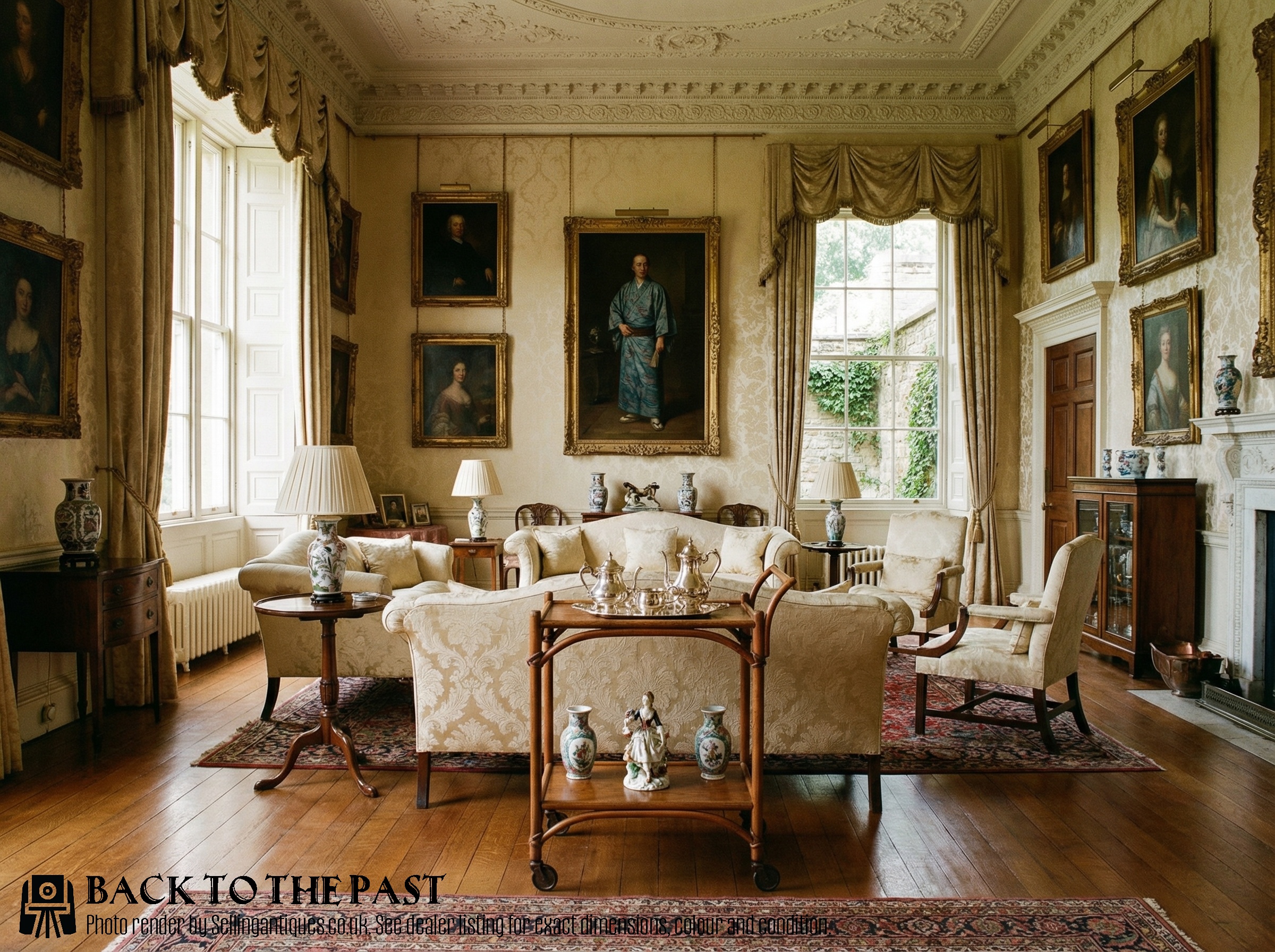
A vintage bar trolley serves as a mobile surface for drinks and glassware, evolving from traditional tea trolleys into dedicated cocktail carts across the decades. Buyers searching this phrase encounter forms ranging from two-tier wooden servers to multi-level brass and glass display stands.
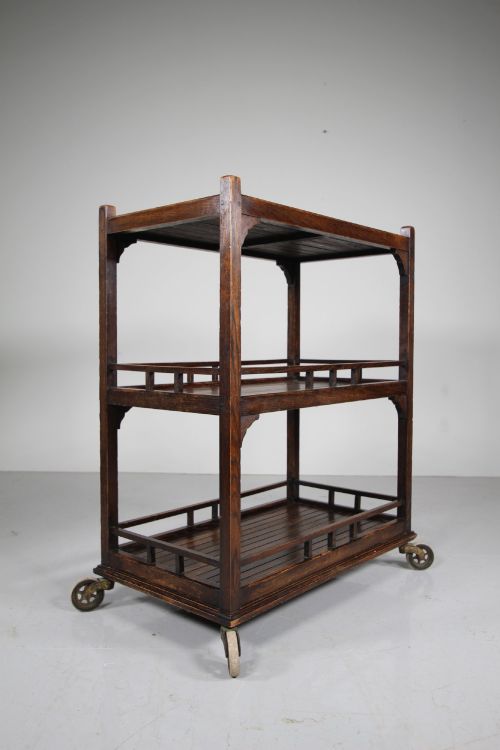
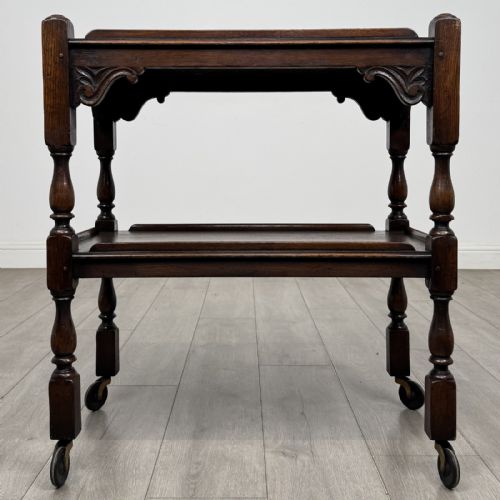
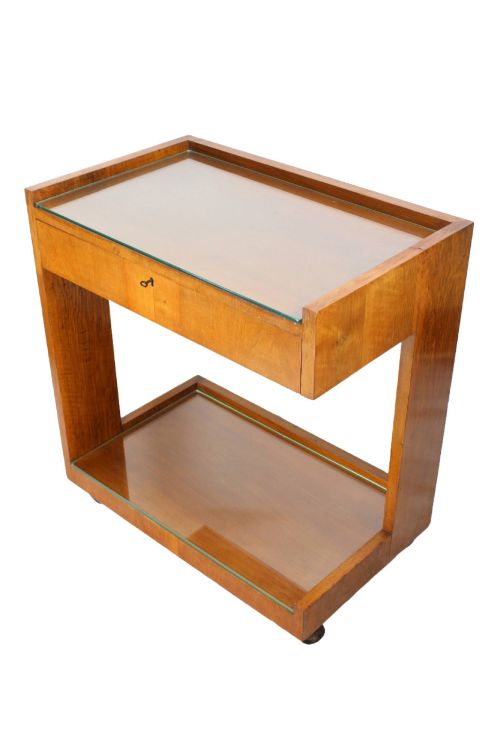
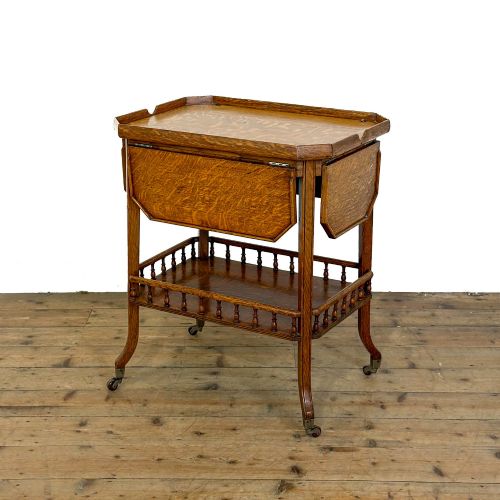
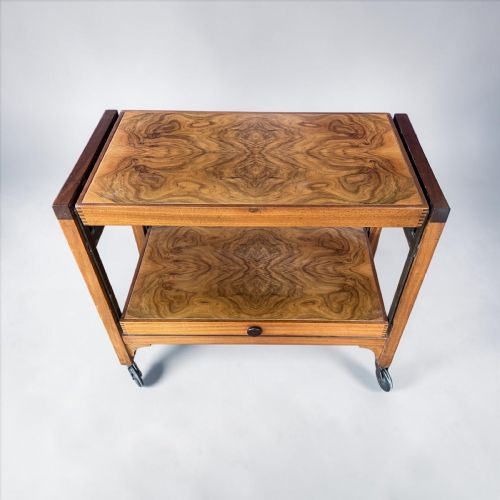
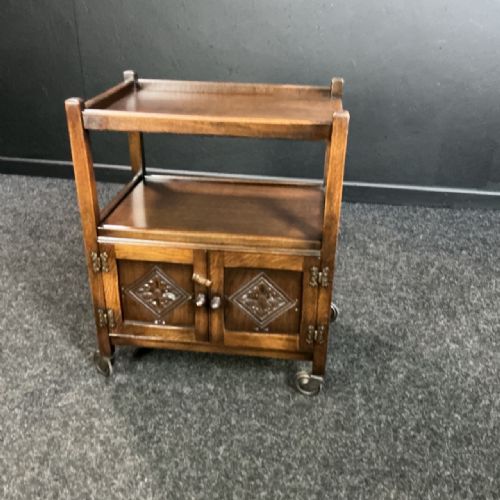
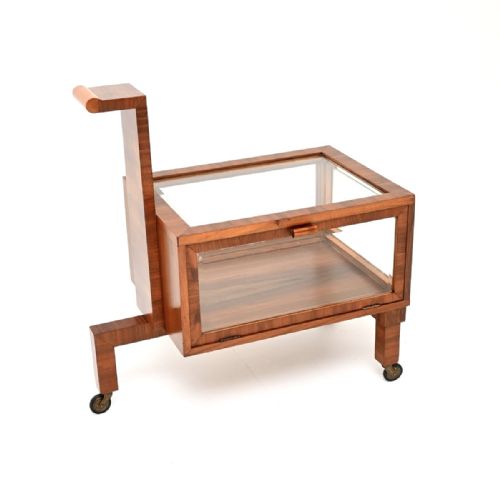
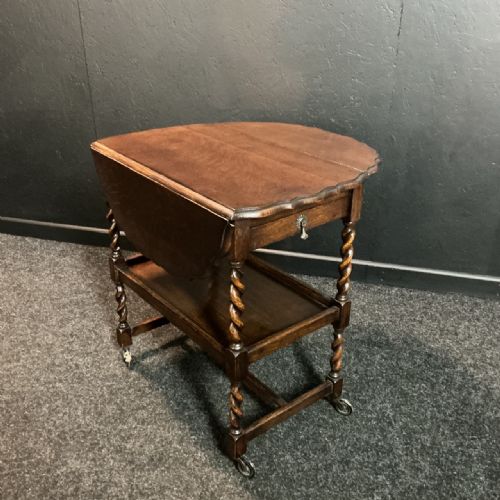
Edwardian examples frequently utilise oak or mahogany with folding tops, removable trays, or barley twist supports designed for afternoon service. Later iterations pivot toward streamlined Art Deco walnut, burr amboyna, and chrome designs built specifically for hosting.
Mid-century variations introduce Danish teak, goatskin finishes, and metamorphic mechanisms that transform side tables into cocktail cabinets. These pieces bridge the gap between functional furniture and decorative statement items for the home.
Materials and construction
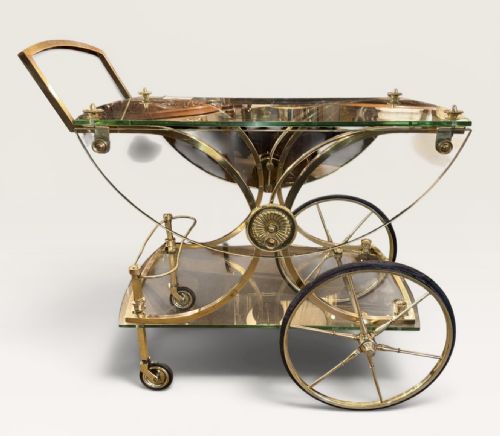
Cabinetmakers utilised rich timber veneers including walnut, mahogany, and burr amboyna alongside solid oak and beech for the primary frames. Metal elements like brass and chrome appeared extensively in later designs, paired with glass shelves and mirrored surfaces.
Specialist techniques such as satinwood inlay, cane binding, and gilt finishes imparted decorative distinction to high-end serving carts. Functional engineering underpinned metamorphic pieces, allowing tops to lift off as removable trays or expand for serving.
Vintage Bar Trolley Retail Price Guide 2026
Typical asking prices for vintage bar trolley among the pieces listed under this phrase on Sellingantiques today, from the lower quarter to the upper quarter. They describe what is for sale here now, not the wider market.
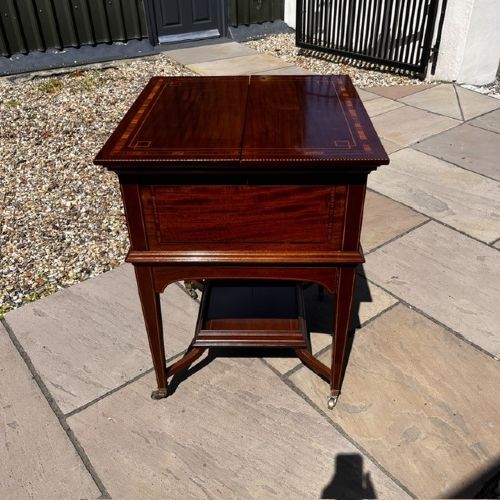
Several trolleys double as card tables with built-in baize surfaces, ready to transition from afternoon tea straight to evening gaming.
Distinguishing quality in service pieces
Quality rests in the selection of timber figures, the precision of inlaid veneers, and the integrity of the frame construction. Pieces incorporating premium materials like burr amboyna, goatskin, or heavy cast brass demonstrate superior craftsmanship compared to standard utility items.
The sophistication of the mechanical operation defines the upper tier of metamorphic and pop-up cocktail trolleys. Smooth deployment of folding leaves and secure joints distinguish workshop execution across different eras.
Maison Bagues·Lusty of Leicester·Aldo Tura·Reno Wahl Iversen·Dyrlund
The Vintage Bar Trolley Glossary
- Barley twist
- A turned wooden furniture leg resembling a spiral rope, common in Edwardian and Jacobean Revival pieces.
- Metamorphic
- A piece of furniture designed to change shape or function, such as a side table that converts into a drinks cabinet.
- Etagere
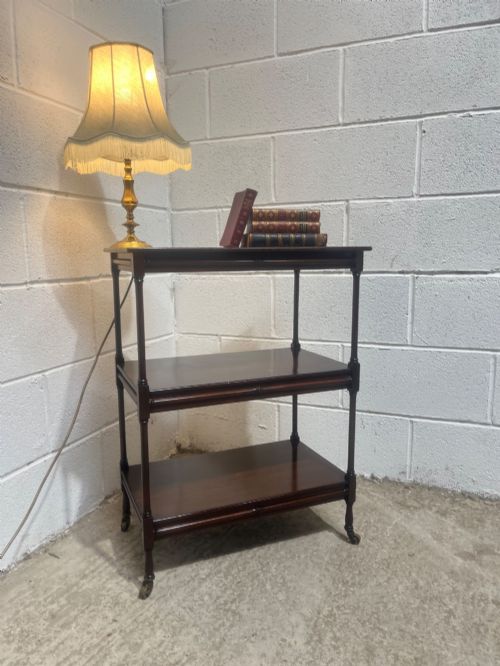
- An open set of shelves used for displaying items, frequently seen in multi-tier brass and glass serving trolleys.
- Butlers tray
- A removable wooden tray with raised sides, designed to sit on a separate folding stand for serving drinks or food.
- Veneer
- A thin layer of figured wood applied over a secondary timber base to create decorative patterned surfaces on furniture.
Vintage Bar Trolley: Frequently Asked Questions
What is a vintage bar trolley?
A vintage bar trolley is a mobile serving cart designed to hold drinks, glassware, and accessories for entertaining guests at home. These pieces range from early wooden tea carts to streamlined cocktail units.
They combine practical mobility with period aesthetics, featuring wheels or castors for easy movement across rooms during gatherings.
How do I date a tea trolley?
Dating relies on identifying signature material combinations, construction methods, and stylistic movements across different decades. Edwardian examples often feature oak, barley twist legs, and removable trays.
Art Deco versions introduce walnut veneers, chrome frames, and black glass surfaces typical of the interwar period. Mid-century variants incorporate teak and minimalist Danish design principles.
What is a metamorphic trolley?
A metamorphic trolley incorporates mechanical hinges or folding leaves that allow the furniture to alter its form and function. These pieces can expand their surface area or reveal hidden compartments for bottles and glassware.
They represent ingenious woodworking solutions popularised during the Art Deco and mid-century eras for compact entertaining.
Where were these trolleys made?
Production spanned British workshops, French design houses, and Scandinavian furniture factories depending on the specific period and style. English pieces frequently utilised local oak and mahogany during the Edwardian and Victorian eras.
Continental makers in France and Denmark introduced specialised finishes, exotic materials, and modernist metalwork during the 1920s and 1960s.