


Vintage Asian Porcelain Charger
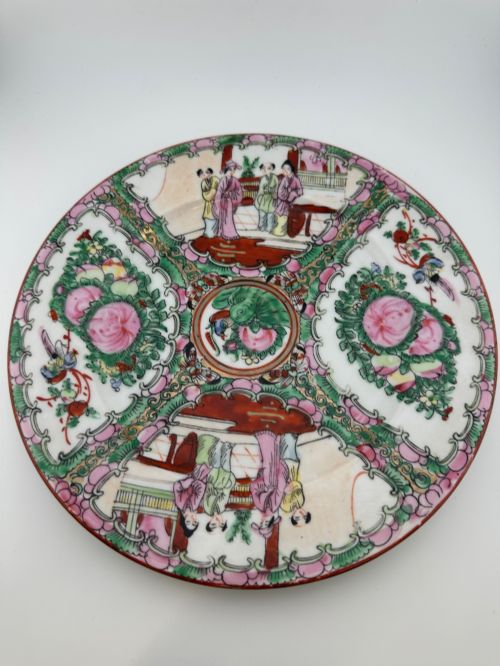
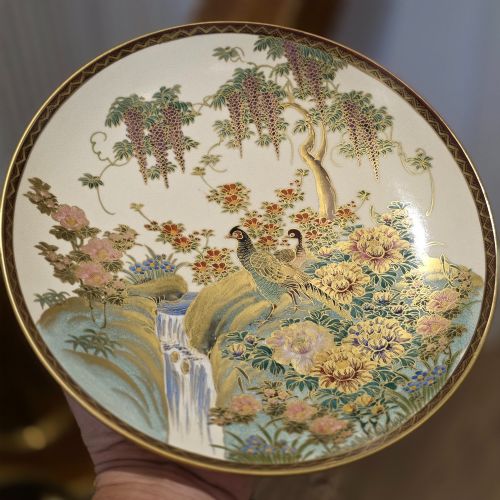
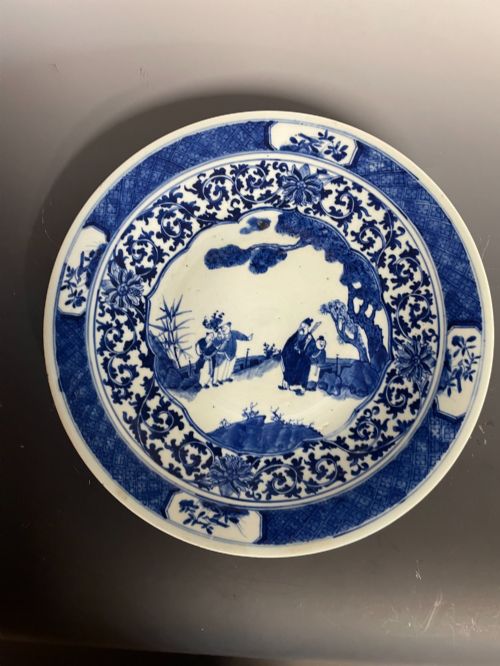
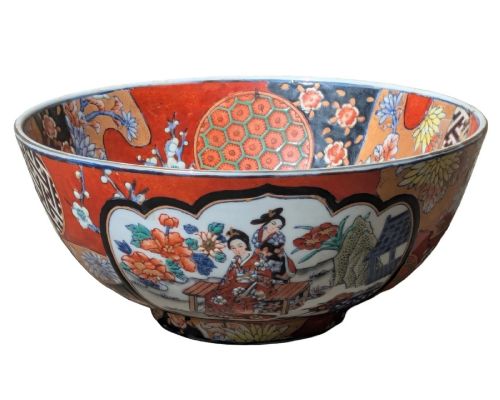
A vintage asian porcelain charger brings rich hand painted colour and traditional patterns to a room, ranging from deep Imari palettes to large blue and white designs.
Vintage Asian Porcelain Charger
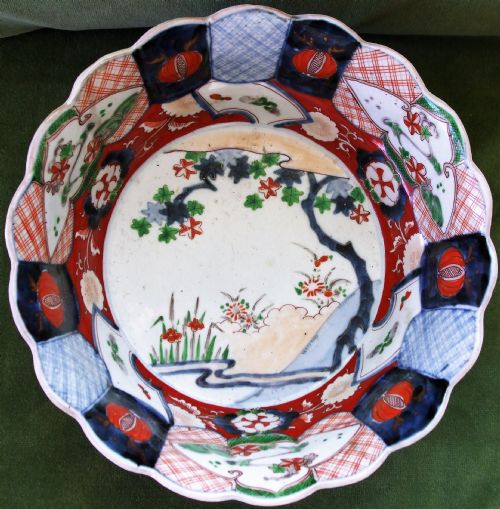
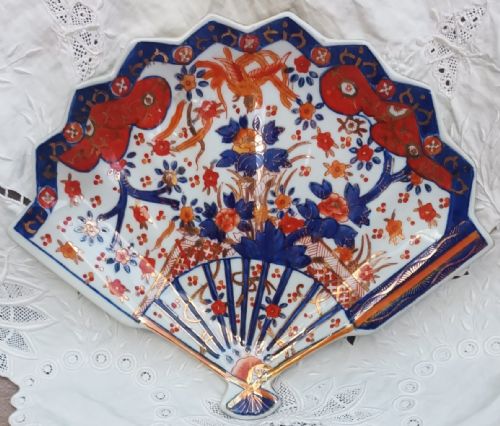
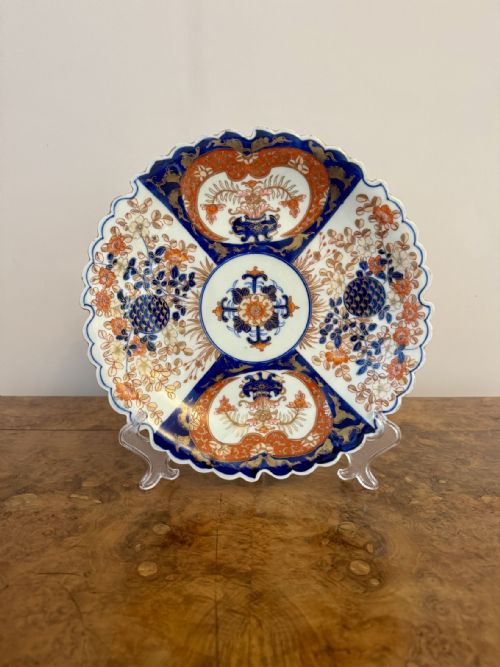
A vintage asian porcelain charger is a broad, shallow decorative plate or dish created for display rather than dining. When searching for a vintage asian porcelain charger, buyers frequently encounter Japanese Imari ware produced across the nineteenth and early twentieth centuries.
The selection includes large wall plates, scalloped edge dishes, and deep bowls originating from Japanese and Chinese kilns. Pieces date from the Edo, Meiji, and Taisho periods alongside Victorian era imports.
Forms vary from square plates and fluted bowls to massive seventy-three centimetre chargers depicting traditional figures such as the Seven Lucky Gods. Most examples combine robust ceramic bodies with elaborate painted decoration.
How they were made
Potters shaped ceramic clay into large plates and bowls before applying cobalt underglaze, enamel, and gold leaf highlights. Many items display intricate hand painting executed in workshops during the Meiji period and late nineteenth century.
Makers utilised high temperature firing to set the cobalt blue pigments beneath a clear glaze, followed by lower temperature enamelling for iron red and gilt details. Gilt accents and gold leaf application add metallic warmth to the finished ceramic surface.
Listings feature porcelain, enamel, gold leaf, and cobalt underglaze across Japanese Imari and Chinese production.
What varies in quality
The sophistication of the hand painting separates standard decorative items from superior works, particularly in the precision of floral motifs and figurative scenes. Crisp cobalt underglaze combined with generous gilding indicates a higher standard of production.
Scale and complexity also define the grade, with large chargers depicting detailed narratives commanding greater visual presence than simpler geometric plates. The crispness of scalloped rims and the weight of the porcelain body reflect workshop standards.
Koshida
The Vintage Asian Porcelain Charger Glossary
- Charger
- A large decorative plate intended for wall hanging or display on a stand rather than table service. These substantial ceramic pieces measure considerably wider than standard dinner plates.
- Imari
- A traditional Japanese style of porcelain featuring a distinctive palette of cobalt blue and iron red, frequently enriched with gold leaf. The style originated in Arita and gained immense popularity in Europe during the nineteenth century.
- Meiji Period
- The era of Japanese history lasting from eighteen sixty-eight to nineteen twelve, noted for prolific ceramic production aimed at export markets. Pieces from this time often exhibit exceptional technical skill.
- Cobalt Underglaze
- A blue pigment applied to the raw ceramic body before glazing and firing, producing a deep colour that withstands high kiln temperatures. This technique creates durable designs that remain protected beneath a glassy layer.
Vintage Asian Porcelain Charger: Frequently Asked Questions
How were vintage asian porcelain chargers used?
These large plates served primarily as decorative centerpieces on tables or sideboards in traditional interiors. Their generous scale made them ideal for mounting on walls or displaying on specialised stands.
Today, collectors use them to introduce historic pattern and vibrant colour to modern and traditional rooms alike.
How do you date a Meiji period charger?
Dating relies on stylistic markers, manufacturing techniques, and export stamps associated with the late nineteenth and early twentieth centuries. The Meiji period spans eighteen sixty-eight to nineteen twelve.
Examinations of the foot rim and glaze characteristics help distinguish nineteenth century items from later Taisho or Showa productions.
Are Imari chargers Japanese or Chinese?
Traditional Imari ware is Japanese porcelain produced in the town of Arita and exported through the port of Imari. The style developed during the Edo period and inspired similar export ceramics across Asia.
Japanese examples feature distinct cobalt blue and iron red motifs often enhanced with gilding.
How do you display a large wall charger?
Wall display requires a secure, properly fitted plate hanger that distributes the weight evenly around the rim without causing stress. The hanging hardware must match the substantial heft of nineteenth century porcelain.
Placement should avoid areas of direct sunlight and heavy foot traffic to protect the enamel and gold leaf details.