


Scalloped Imari Fruit Bowl
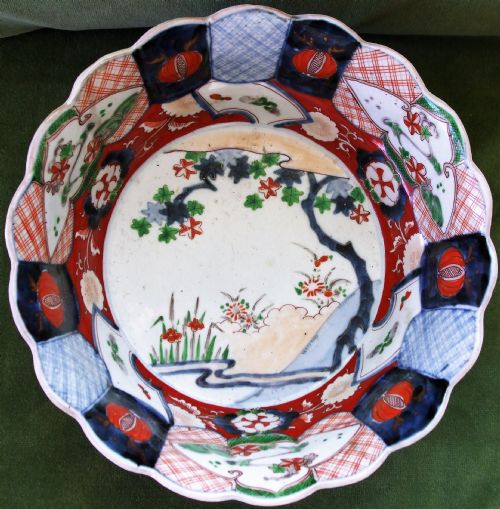
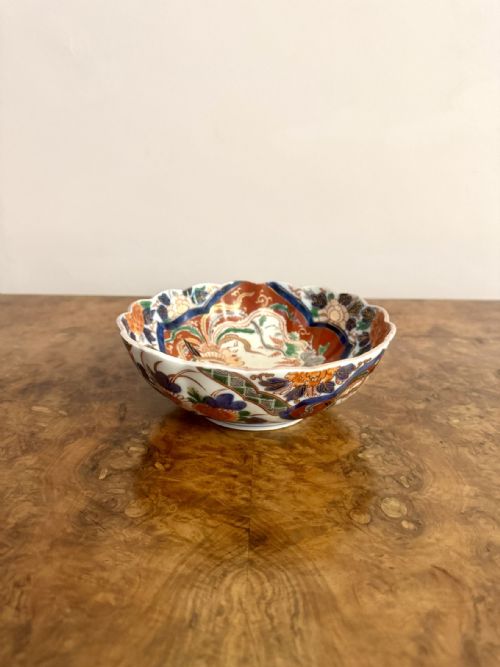
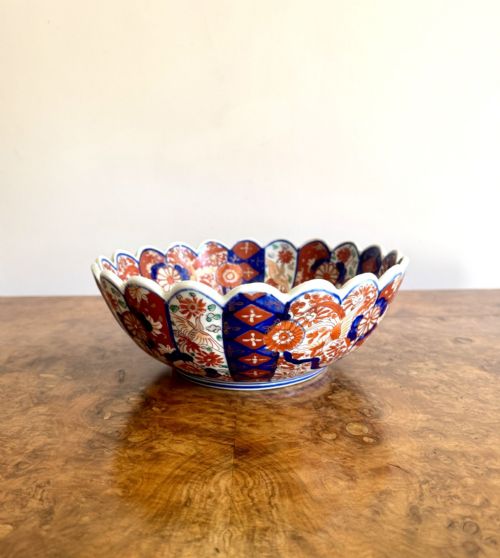
A scalloped imari fruit bowl brings vibrant colour and intricate patterns to a table, combining rich cobalt blue and iron red.
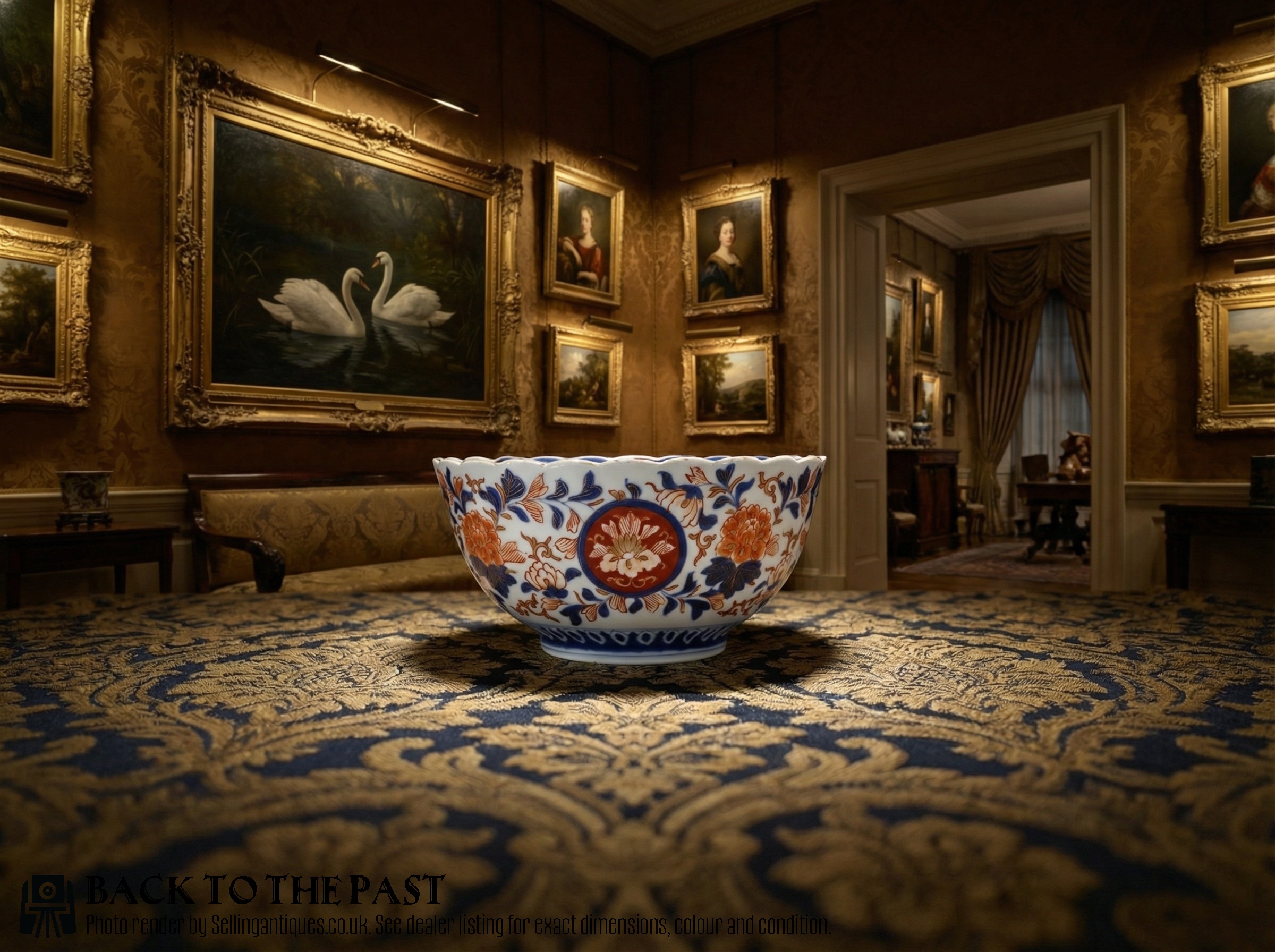
Scalloped Imari Fruit Bowl
When you search for a scalloped imari fruit bowl, you are looking at decorative vessels shaped with fluted or wavy edges. These pieces predominantly originate from the Meiji period and the nineteenth century, reflecting traditional Japanese export styles alongside British interpretations.
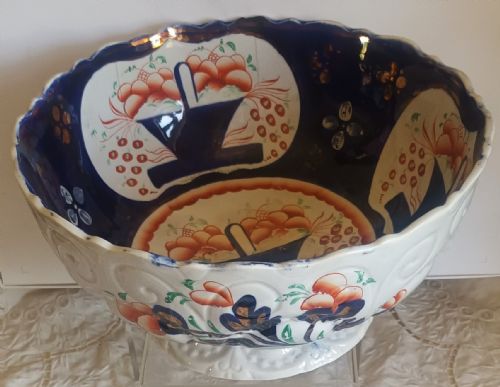
You are most likely to meet Japanese porcelain examples dating around nineteen hundred, alongside occasional nineteenth-century British earthenware such as Gaudy Welsh or Chamberlains Worcester patterns. They serve as striking centrepieces for dining rooms and side tables alike.
How they were made
These vessels are formed from porcelain or pottery, shaped with fluted rims and fired before receiving detailed hand-painting. Artisans applied cobalt blue underglaze followed by iron red enamel and gold leaf accents.
Some British earthenware variations incorporate copper lustre and glaze techniques to mimic the rich palettes of imported wares. Certain pieces were paired with fitted mahogany stands during later periods.
Listings feature porcelain and earthenware materials spanning the nineteenth century and the year nineteen hundred.
What varies in quality
Quality rests upon the crispness of the scalloped moulding and the precision of the hand-painted enamel work. Finer examples display clean brushwork in the cobalt and red compartments without blurring.
The density and richness of the gilding further separate standard production from superior pieces. Heavier porcelain bodies and well-preserved glaze finishings indicate careful historic handling.
The Scalloped Imari Fruit Bowl Glossary
- Imari
- A style of Japanese export porcelain decorated in underglaze blue, iron red, and gold. This palette creates a high-contrast pattern across the surface.
- Scallop
- An edge shaped into a series of curves resembling a scallop shell. This form softens the rim of decorative bowls.
- Meiji Period
- The era of Japanese history lasting from eighteen sixty-eight to nineteen twelve. Pieces from this time often feature elaborate hand-painted export designs.
- Earthenware
- Porous pottery fired at lower temperatures than porcelain. It requires glazing to become impermeable to liquids.
- Gilt
- Covered thinly with gold leaf or gold paint. This technique adds metallic highlights to ceramic designs.
Scalloped Imari Fruit Bowl: Frequently Asked Questions
What is an imari bowl?
An imari bowl is a ceramic vessel decorated in a traditional palette of cobalt blue, iron red, and gold. These pieces were largely produced in Japan for export.
They often feature compartmentalised patterns of flowers and brocade motifs across porcelain bodies.
How do I date these bowls?
Dating relies on identifying the period styles, such as the Meiji era or nineteenth-century British earthenware production. Examining the weight of the ceramic and the style of the hand-painting helps narrow the decade.
Markings on the base, where present, provide further clues to the origin and workshop.
Were these bowls used for fruit?
These vessels served as decorative containers for fruit on dining tables and sideboards. Their wide, open forms allowed colourful produce to be displayed prominently.
Over time, many transitioned into purely decorative objects placed on stands.
How do I clean an antique bowl?
Clean these pieces gently using lukewarm water and a mild soap with a soft sponge. Avoid harsh scrubbing that could damage the overglaze enamels and gold leaf.
Dry them thoroughly with a soft cloth immediately after washing.