

Vintage Art Deco Timepiece
These vintage art deco timepiece examples offer striking geometric precision and mechanical ingenuity, bringing functional sculpture into daily life.
Vintage Art Deco Timepiece
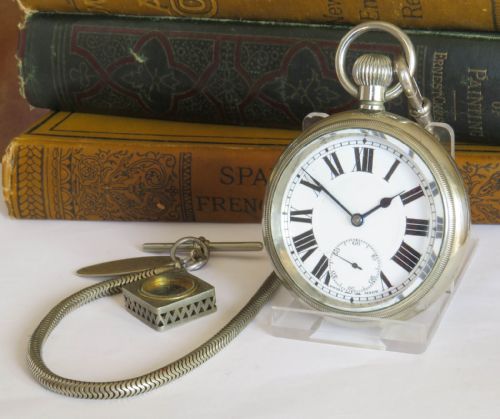
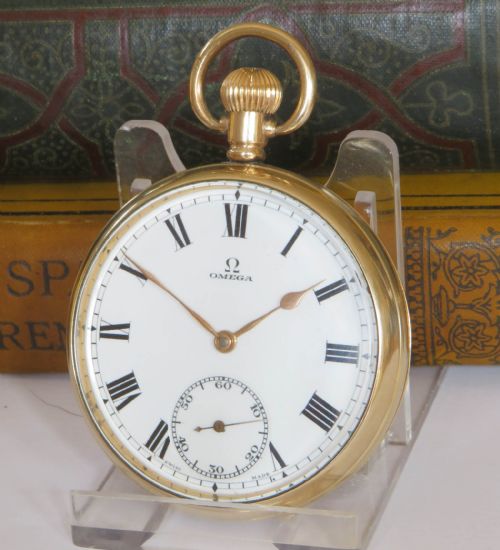
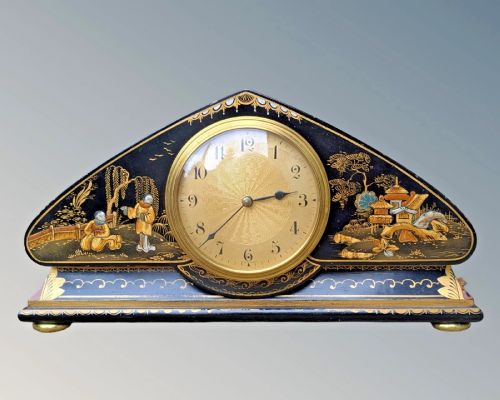
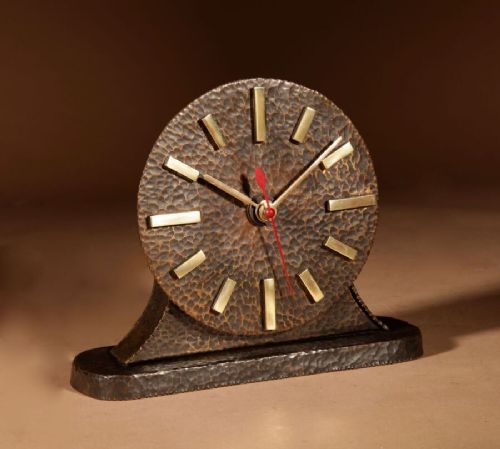
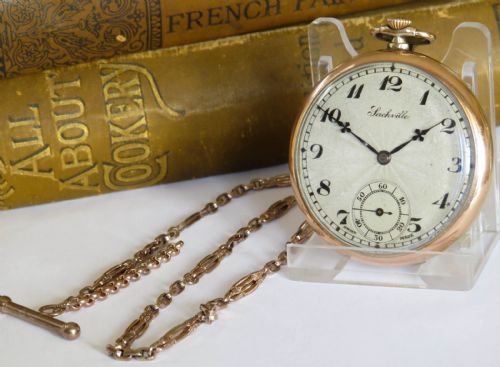
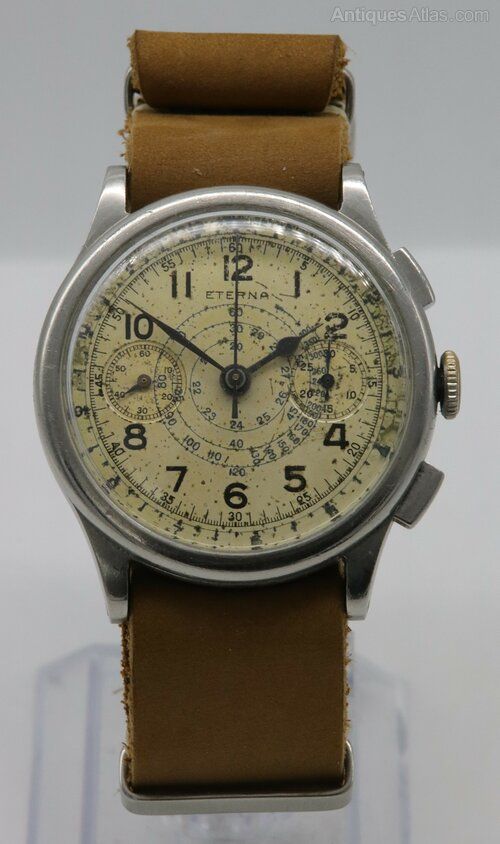
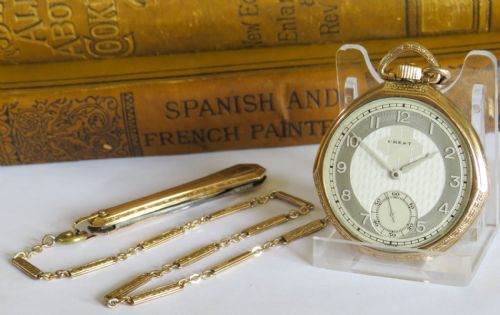
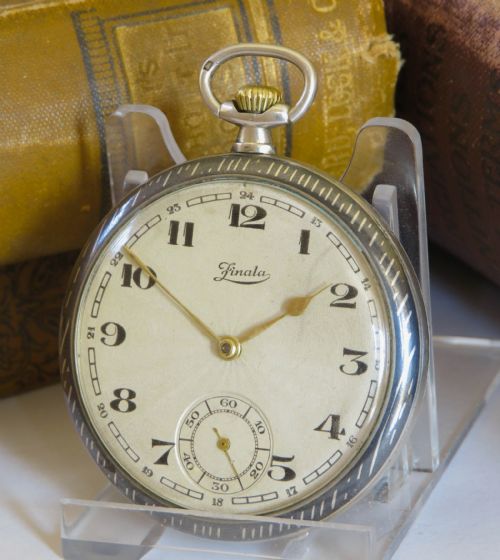
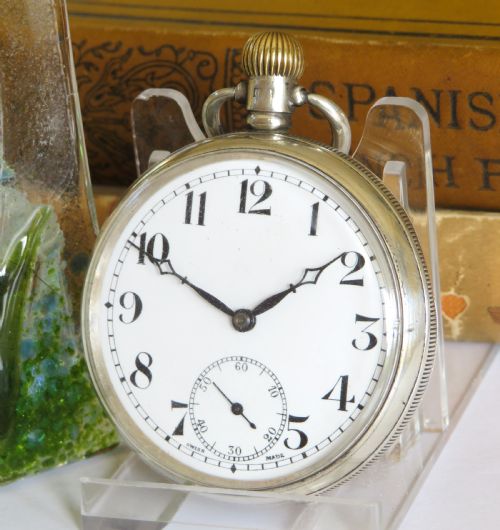
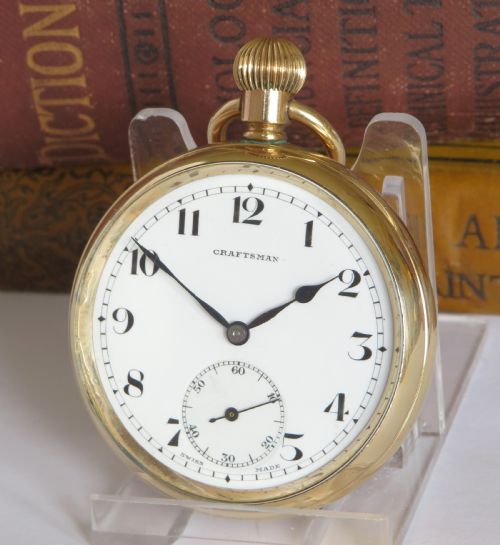
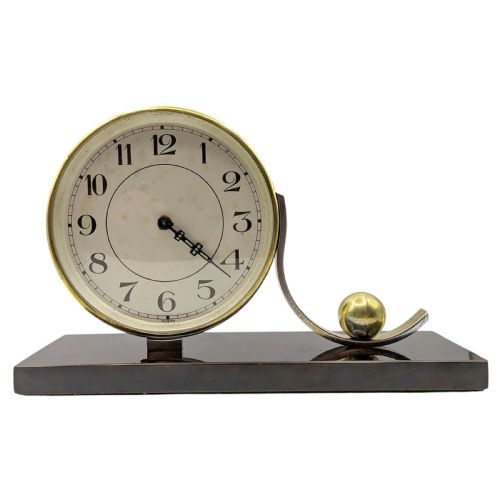
A vintage art deco timepiece encompasses various portable and static objects designed to measure hours, spanning pocket watches, wristwatches, desk clocks, and substantial mantel clocks. Buyers searching for a vintage art deco timepiece frequently encounter brass and chrome desk clocks alongside pocket watches accompanied by chains and fobs.
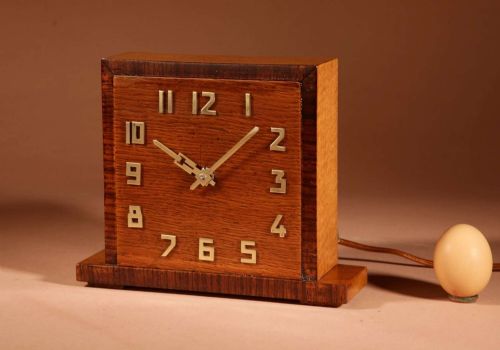
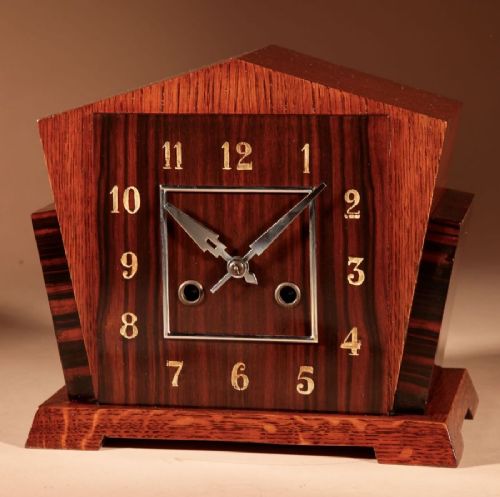
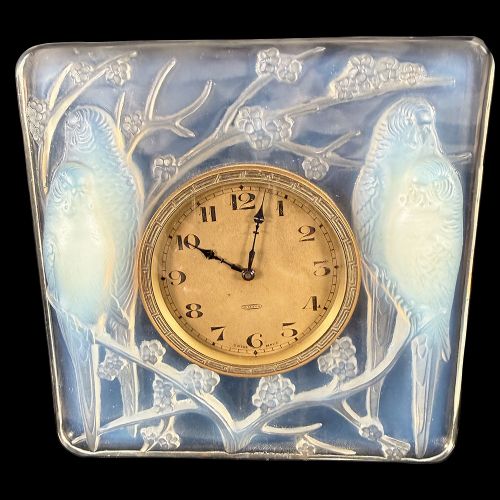
The selection ranges from compact travel clocks housed in leather or metal cases to architectural wall clocks and heavy stone mantel pieces originating during the nineteen twenties and nineteen thirties. Certain iterations incorporate exotic timbers like macassar ebony and rosewood, while others utilise opalescent glass figures.
Originating across Britain, France, and Switzerland, these pieces display distinct regional design sensibilities, from the industrial modernist lines of English makers to the ornate enamel work of continental manufacturers.
Materials and Construction Techniques
Makers of the vintage art deco timepiece relied heavily on metalworking techniques such as hammering, chrome-plating, and gilding over brass, silver, or base metals to achieve lustrous surfaces. Enamelling, particularly guilloché patterns and champlevé work, added vibrant colour to dials and cases.
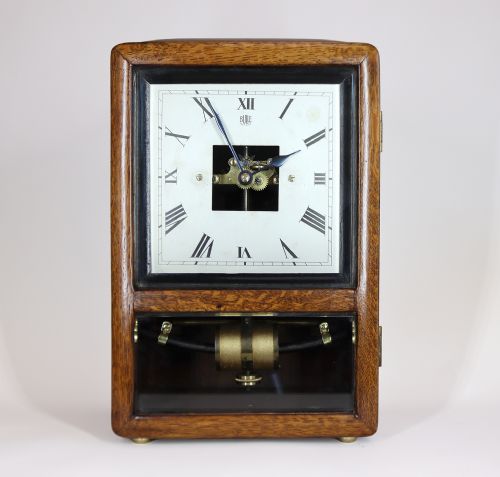
Cabinetmakers utilised oak, walnut, and exotic veneers shaped into stepped, geometric forms characteristic of the period style. Movement construction involved intricate mechanical gear trains, early electrical systems, and specialised jewelled lever escapements.
Materials span precious platinum set with diamonds, opalescent moulded glass, and utilitarian Bakelite bases.
Distinctions in Quality and Execution
Quality in a vintage art deco timepiece rests upon the complexity and precision of the internal movement, such as eight-day or jewelled Swiss mechanisms, contrasted against simpler wind-up calibres. Superior examples exhibit signed dials from established makers and retailers rather than anonymous mass production.
The choice of housing materials significantly dictates standing, where solid platinum, carved green onyx, or hand-hammered patinated brass surpass basic chrome-plated metal. Artisanal glass mouldings by notable designers elevate specific decorative clocks far above standard utilitarian timepieces.
Omega·Eterna·Silvana·R Lalique·Vedette·Jaz·Smiths Clockmakers·Mauthe·Zenith·Maurice and Marcel Moulin·Elgin·Cyma·Hamilton·Lambert Bros·Record·Mappin and Webb·Harrods of London·H G and S
The Vintage Art Deco Timepiece Glossary
- Guilloché
- A decorative engine-turned technique producing precise, intricate geometric patterns beneath translucent enamel. This method was frequently applied to pocket watch backs and miniature travel clock cases.
- Champlevé
- An enamelling process where troughs are carved into a metal surface and filled with vitreous enamel before firing. It appears on decorative frames and dial surrounds.
- Escapement
- The internal mechanical linkage that controls the release of power in a clock or watch, translating rotational force into regulated impulses. Jewelled variants reduce friction to improve accuracy.
- Carillon
- A set of tuned bells within a clock striking multiple tones to mark quarters or hours. This mechanism is typically found in larger mantel and wall clocks.
- Bakelite
- An early synthetic thermosetting plastic moulded into smooth, durable bases and housings for desk clocks during the period. Its distinct finish defines many modernist designs.
Vintage Art Deco Timepiece: Frequently Asked Questions
How do I wind an eight-day desk clock?
Most eight-day desk clocks utilise a key inserted into dedicated winding arbours on the dial or backplate to tension the mainspring fully. Care must be taken not to overwind the mechanism once resistance is felt.
After winding, ensure the clock rests on a level surface to keep the balance wheel beating evenly and maintaining accurate time.
Were these clocks electric or mechanical?
Both power sources were common during the period, with traditional spring-driven wind-up movements existing alongside early electrical systems. Some designs utilised innovative electro-mechanical Bulle patents.
Electrical versions from the era often required external battery setups to drive the oscillating pendulum or balance mechanism.
What is an albert chain?
An albert chain is a short length of metal chain designed to secure a pocket watch to a waistcoat buttonhole. These frequently feature decorative drops including fobs and compasses.
Named after Prince Albert, they served as both practical security and prominent daily accessories for gentlemen.
How do I identify an Amsterdam School clock?
Amsterdam School pieces showcase expressive brickwork-inspired joinery, dynamic asymmetry, and dark tropical hardwoods like macassar ebony. Their silhouettes are heavily architectural and sculptural.
These clocks often combine hammered patinated brass with rich oak to create a distinctly robust modernist aesthetic.