






Rectangular Art Deco Watch
A rectangular art deco watch brings geometric wrist presence to everyday wear, combining streamlined cases with mechanical reliability from the early twentieth century.
Rectangular Art Deco Watch
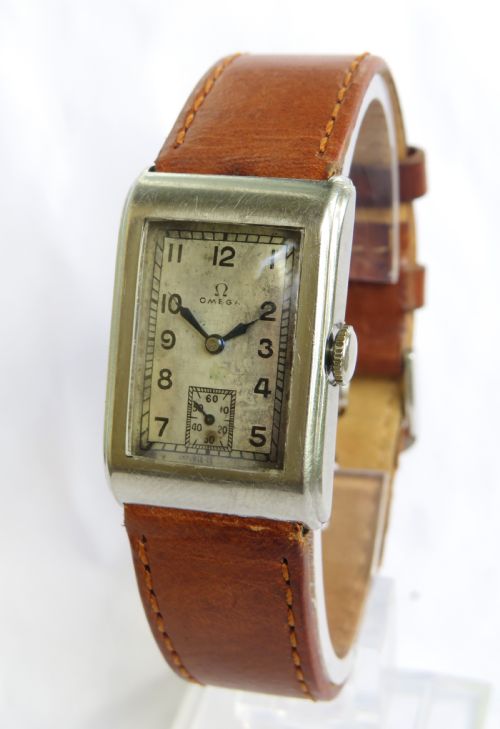
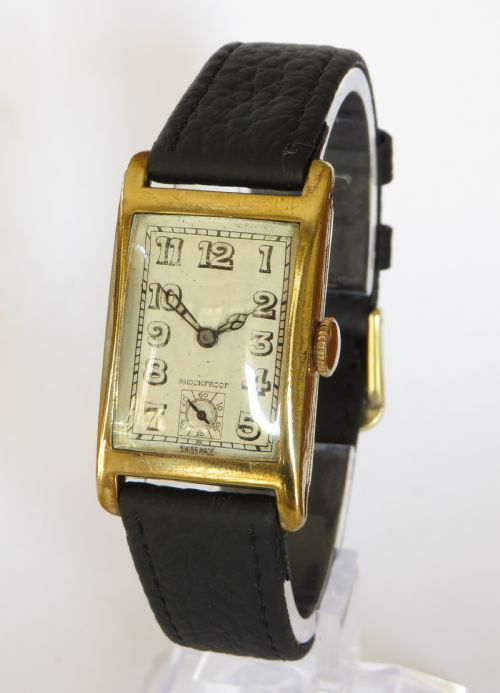
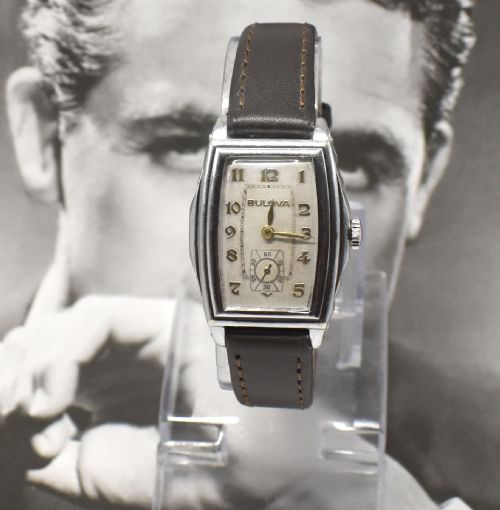
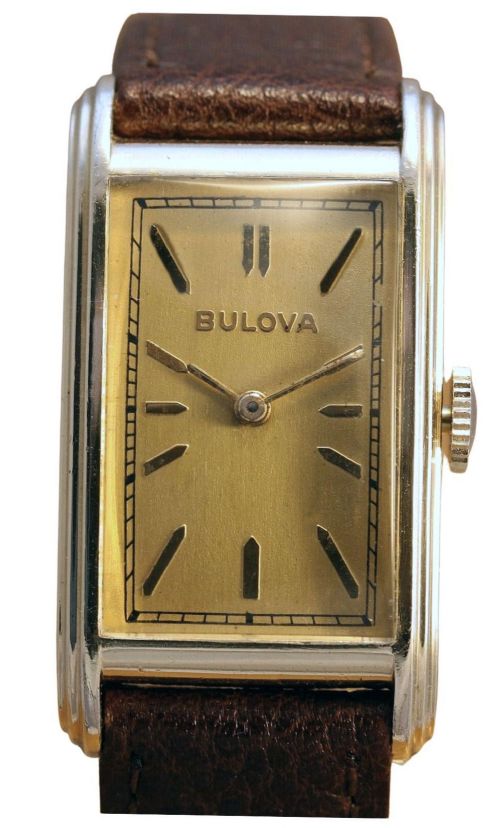
A rectangular art deco watch defines a distinct era of horology where geometric geometry dominated case design, moving away from traditional round pocket-watch conversions on the wrist. These horizontal and vertical rectangular forms appeared across the nineteen twenties, nineteen thirties, and nineteen forties, worn by both gents and ladies.
The pieces on this page span wristwatches and wrist watches in tank styles, curvex profiles, and dress watch formats. Originating from makers in Switzerland, France, and beyond, these mechanical timepieces represent the pinnacle of period industrial design translated into portable timekeeping.
Materials and construction methods
Casework relies heavily on stainless steel, chrome, gold plate, gold filled, and solid golds including yellow, white, and rose gold. Glass protects the dials, while leather straps secure the pieces to the wrist.
Movements are mechanical manual-wind calibres housed securely within angular metal chassis. The execution balances robust metalwork with delicate dial printing and geometric chapter rings.
Factors distinguishing quality
Material choice dictates the baseline of durability and prestige, moving from plated base metals up to solid gold cases. The weight of precious metal and the complexity of curved glass crystals separate basic utilitarian models from high-end dress variants.
Movement finishing and case preservation define the upper tier. Original dial condition, crisp case geometry without over-polishing, and signed mechanical movements by established makers elevate a piece above standard grade examples.
Omega·Rotary Claridge·Zenith·Aster·Larex·Le coultre·Bulova·Elgin·Girard-Perregaux
The Rectangular Art Deco Watch Glossary
- Tank watch
- A rectangular timepiece with vertical brancards that integrate the strap lugs, named after military combat vehicles. This form defines much of the geometric wristwear from the period.
- Curvex
- A curved wristwatch movement and case designed to contour around the wrist. This technique allowed mechanical watches to remain sleek while following the natural shape of the arm.
- Gold filled
- A construction method involving a thick layer of gold mechanically bonded to a base metal core. It provides greater durability than standard gold plating.
- Mechanical wristwatch
- A timepiece powered by a mainspring that requires manual winding by the crown. These movements rely entirely on gears, springs, and escapements rather than batteries.
Rectangular Art Deco Watch: Frequently Asked Questions
How do I wind a manual mechanical watch?
Gently rotate the crown clockwise between your thumb and forefinger until you feel firm resistance. Stop immediately to avoid damaging the mainspring.
Wind the watch around the same time each day to maintain consistent tension and accurate timekeeping.
Are these watches water resistant?
Vintage timepieces of this era lack modern rubber gaskets and waterproof sealing technology. Exposure to moisture, rain, or hand washing can easily damage the dial and movement.
Keep the watch completely dry and remove it before swimming or bathing to preserve the internal mechanics.
Can I wear a vintage watch daily?
Many people wear these mechanical pieces regularly, provided they are treated with care. Routine servicing helps ensure the internal gears withstand daily motion.
Avoid wearing vintage watches during strenuous physical activities or heavy manual work to protect the case and glass.
How do I tell a nineteen thirties watch apart from later decades?
Examine the dial typography, minute tracks, and lug construction for distinct geometric motifs typical of the period. Stylised Arabic or Roman numerals often feature alongside stepped case designs.
Movement serial numbers and hallmarks inside the case back offer further clues for dating the piece accurately.