



Vintage Square Wristwatch
A vintage square wristwatch offers sharp geometric lines and distinct period character, making it a striking alternative to standard round timepieces.
Vintage Square Wristwatch
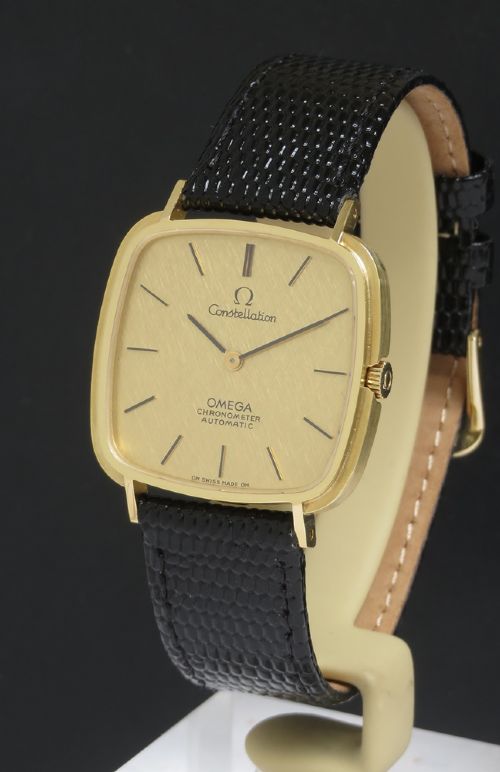
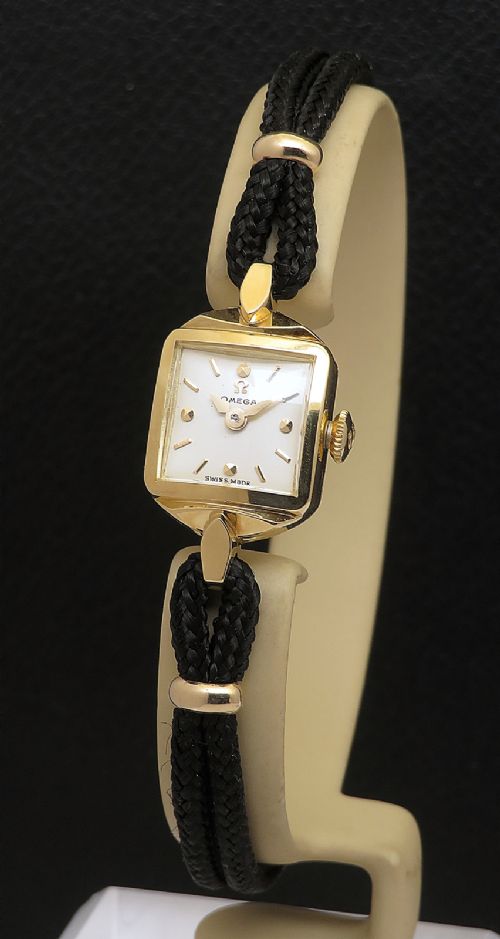
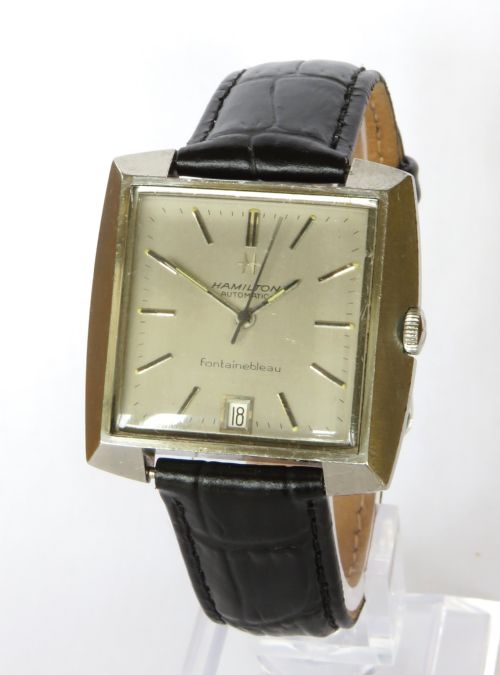
A vintage square wristwatch is a timepiece defined by its angular geometry, spanning periods from the 1930s through to the 1970s. On this page, buyers will most frequently encounter men's and ladies' dress models featuring square dials and cases from the 1930s Art Deco era up to mid-century designs.
The selections available range from French manual-wind dress watches of the 1940s to robust chronographs and calendar models from the 1960s and 1970s. These pieces reflect the evolving tastes of twentieth-century design, moving from streamlined geometric minimalism to bolder retro statements.
Makers represented across these decades include established Swiss and American houses such as Omega, Breitling, Longines, Hamilton, and Bulova. Collectors seek out these specific forms for their ability to break away from conventional circular watch designs while retaining mechanical reliability.
Materials and construction
Cases are formed from solid 18ct gold, 14k rose gold filled, rolled gold, chrome, and stainless steel, paired with dials protected by glass or acrylic crystals. These metals dictate the weight and durability of each piece, with precious metals reserved for higher-tier dress models.
Movements rely on manual-wind or automatic mechanical calibres, often housing specialised jewels and shock-resistance systems such as super shock resist mechanisms. Straps are predominantly fashioned from leather to complement the rigid geometry of the metal cases.
Vintage Square Wristwatch Retail Price Guide 2026
Typical asking prices for vintage square wristwatch among the pieces listed under this phrase on Sellingantiques today, from the lower quarter to the upper quarter. They describe what is for sale here now, not the wider market.
The selection includes specialised mechanics such as calendar complications, chronographs, and manual-wind movements housed in distinct angular cases.
Assessing quality in square timepieces
Quality in these timepieces rests upon the execution of the case geometry and the preservation of the dial typography and hands. Crisp edges on square metal cases and well-maintained dials distinguish superior examples from heavily polished or altered pieces.
The sophistication of the internal movement, from basic manual calibres to multi-jewel chronometer and calendar mechanisms, marks the primary tier difference between standard dress watches and high-grade horological examples.
Omega·Hamilton·Breitling·Longines·Bulova
The Vintage Square Wristwatch Glossary
- Art Deco
- A design style dominant in the 1930s characterised by sleek geometric shapes and streamlined forms. This aesthetic heavily influenced early square watch case designs.
- Chronograph
- A watch with a display function used for measuring elapsed time alongside traditional timekeeping. Some square models incorporate this complication.
- Manual wind
- A mechanical watch movement that requires the wearer to hand-wind the mainspring daily. Many vintage square dress watches rely on this traditional system.
- Gold filled
- A construction method where a layer of gold is bonded to a base metal core. This provides the appearance of solid gold with greater durability.
- Acrylic
- A lightweight plastic material commonly used for watch crystals before the widespread adoption of synthetic sapphire glass.
Vintage Square Wristwatch: Frequently Asked Questions
How do I wind a manual vintage square wristwatch?
Gently rotate the crown clockwise between your thumb and forefinger until you feel light resistance. Stop immediately at this point to avoid overwinding and damaging the internal mainspring.
Perform this action at approximately the same time every day to maintain consistent tension and accurate timekeeping.
Are vintage square watches water resistant?
Most vintage square timepieces offer little to no protection against moisture, as modern gasket seals were not standard in earlier decades. Even models labelled with shock resistance or special designations should be kept strictly away from water.
Exposure to humidity or rain can easily compromise the delicate paper or metal dials housed inside these angular cases.
How do I date a square watch from the 1930s to 1950s?
Dating relies primarily on stylistic cues such as Art Deco numerals, dial typography, and case construction methods. Opening the caseback to inspect movement serial numbers provides a more precise manufacturing year through manufacturer archives.
Design shifts from the geometric stepped cases of the 1930s to the cleaner mid-century dress forms of the 1950s offer clear visual milestones.
Can I replace the leather strap on a square watch?
Standard leather watch straps with straight spring bars can be easily replaced to match your personal wardrobe preference. Ensure you measure the lug width accurately, as square cases often feature specific strap dimensions.
Preserving the original branded buckle, if present, is recommended by collectors to maintain the complete historical profile of the watch.