


Vintage Art Deco Lamp
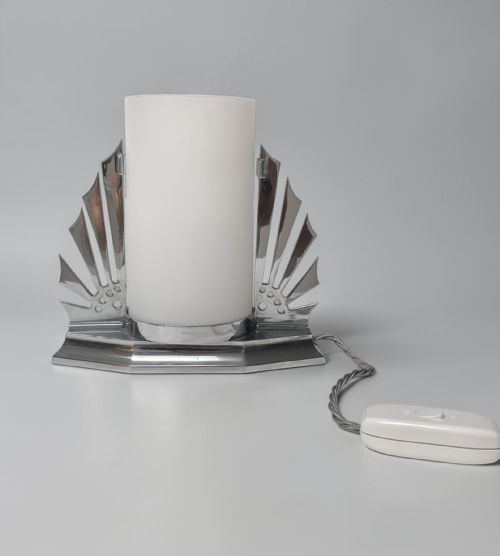
A vintage art deco lamp brings geometric line and functional illumination into a room, drawing on the design vocabulary of the interwar period.
Vintage Art Deco Lamp
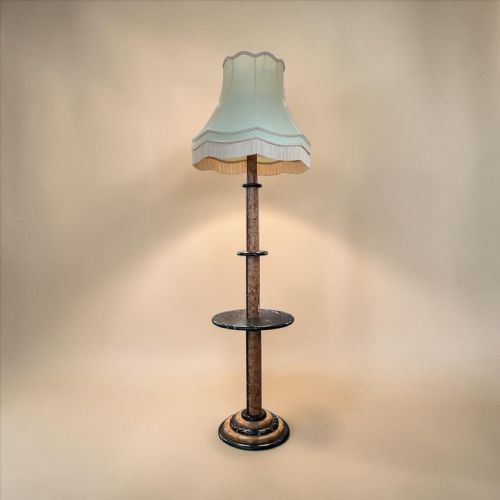
A vintage art deco lamp encompasses task lighting, table lamps, floor standards, and hanging fixtures produced during the early twentieth century. The selection leans heavily toward pieces from the nineteen-twenties and nineteen-thirties, spanning domestic table models and substantial floor lamps.
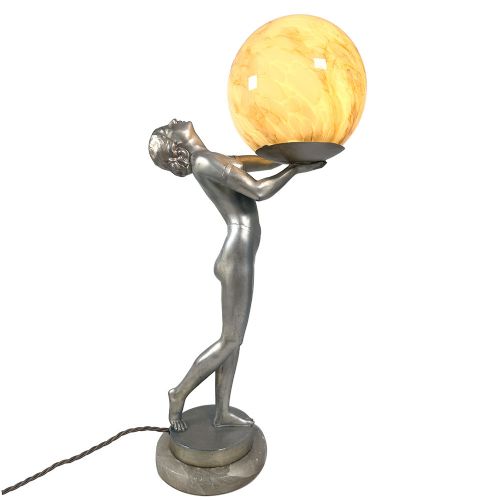
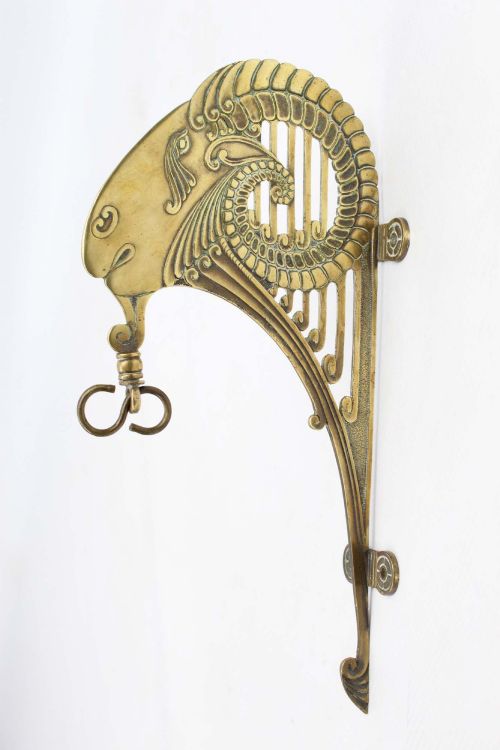
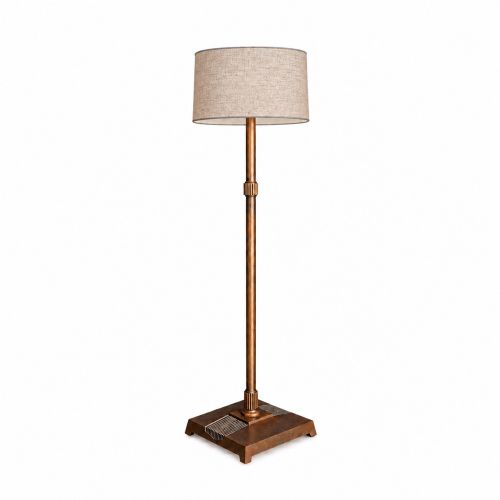
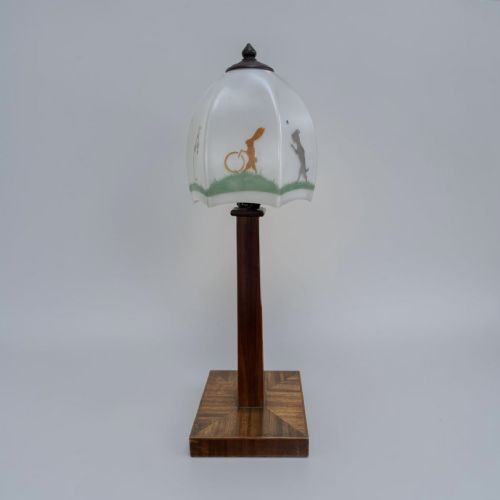
Forms range from streamlined geometric desk lamps to figural designs incorporating animals or human figures, alongside standard lamps designed to stand beside occasional furniture. Materials such as brass, marble, glass, and various woods predominate across the listed objects.
How They Were Made
Makers constructed these pieces using metals such as brass, chrome, and copper, frequently paired with moulded or frosted glass shades. Bases often incorporate solid marble or heavy metal to support the weight of the upright structure and shade.
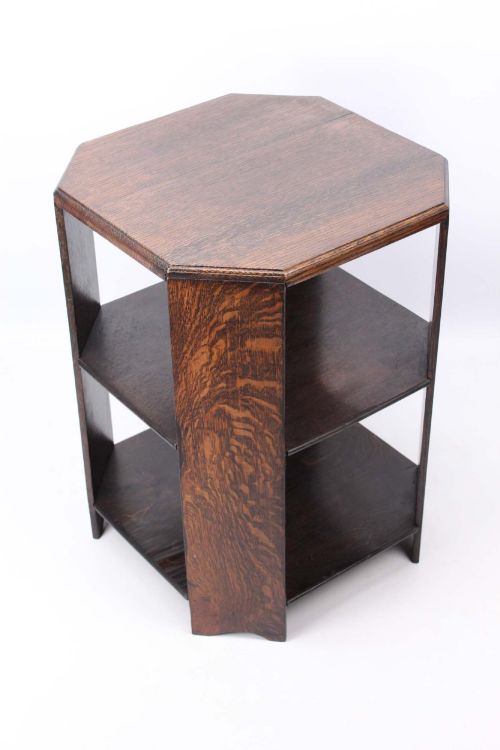
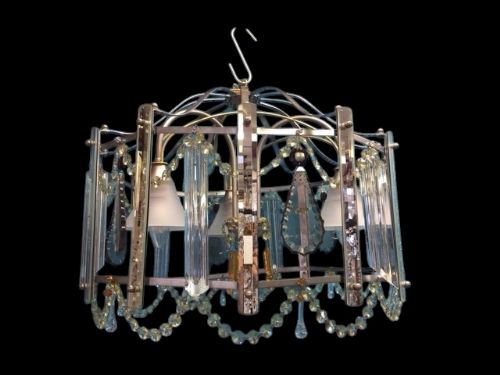
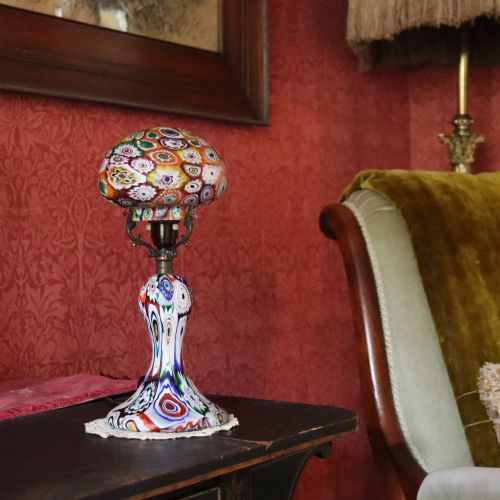
Wood elements utilise timbers like walnut, oak, satinwood, and rosewood, sometimes applied as veneers over a secondary core. Glass components involve techniques including opalescent moulding, cut crystal, and layered glass similar to the work associated with Murano and major French glasshouses.
What Varies in Quality
The standard of design execution and the selection of raw materials dictate the standing of an individual piece within its category. Heavy gauge metals, solid marble bases, and substantial figured wood veneers denote a higher level of manufacture than thin plated alternatives.
The sophistication of the glasswork, whether through specialised moulding, controlled colour mottling, or attribution to known designers and glasshouses, marks the distinction between standard production lighting and superior examples.
Eileen Grey·Émile-Jacques Ruhlmann·Fratelli Toso·Charles Schneider·Lloyd Loom
The Vintage Art Deco Lamp Glossary
- Art Deco
- A design style dominant between the First and Second World Wars characterised by streamlined forms, geometric patterns, and industrial motifs. It succeeded Art Nouveau by favouring symmetry and machine-age geometry.
- Slip Shade
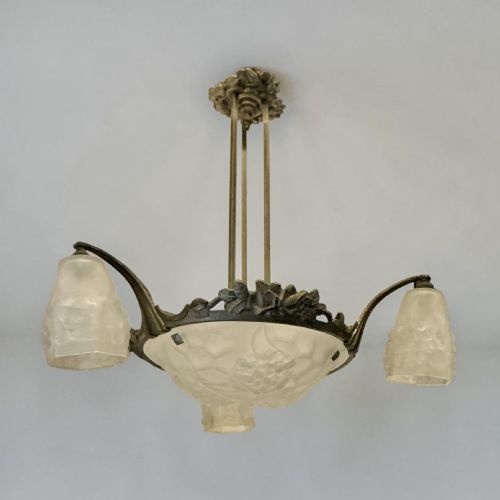
- A moulded glass shade designed to slot directly into a metal frame or fixture without traditional fixings. These shades often feature geometric or floral relief moulding typical of the period.
- Opaline Glass
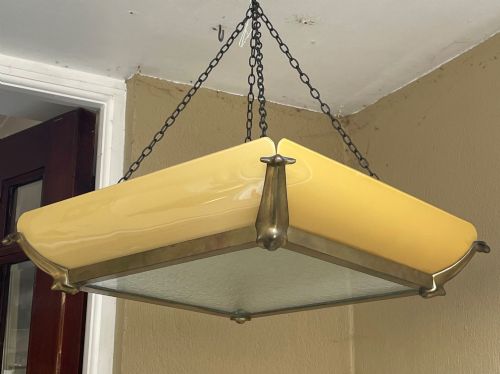
- A pale, translucent milk glass that diffuses light evenly across the surface. It appears frequently in period pendants and desk lamps to soften harsh glare.
- Standard Lamp
- A British term for a freestanding floor lamp designed to illuminate a room from a fixed vertical position. They often incorporate small attached tables or heavy weighted bases.
- Bakelite
- An early form of synthetic phenol formaldehyde resin valued for its durability and rich dark lustre. It is commonly found on switches, bases, and desk accessories of the period.
Vintage Art Deco Lamp: Frequently Asked Questions
How do I identify a genuine period piece?
Examine the construction methods, wiring channels, and material weights to ensure they align with early twentieth-century manufacturing standards. Period pieces typically display heavy metals, genuine wood veneers, and period-specific glass techniques rather than modern synthetic substitutes.
Look for honest patination on brass and bronze components, along with appropriate fixings and switch types that correspond to the nineteen-twenties and nineteen-thirties.
Can these lamps be used safely today?
Many surviving examples retain older wiring that may not meet current electrical safety regulations. A qualified electrician can rewire the fixture while preserving the original lamp holder and switches where possible.
Check the internal components and cord grips carefully before connecting any vintage lighting fixture to a modern mains supply.
Where should I place a standard lamp?
Floor standards suit corners of living spaces or positions beside occasional tables and armchairs where ambient illumination is required. Their height allows them to cast light downward over seating areas without dominating the room.
Ensure the heavy weighted base sits firmly on level flooring to maintain stability.
What maintenance do wood and metal need?
Dust wooden surfaces gently and apply occasional specialist wax to nourish veneers like walnut and rosewood. Avoid liquid cleaners that can penetrate dried finishes.
Clean brass and chrome components with a dry cloth, steering clear of harsh abrasive metal polishes that remove protective layers.