
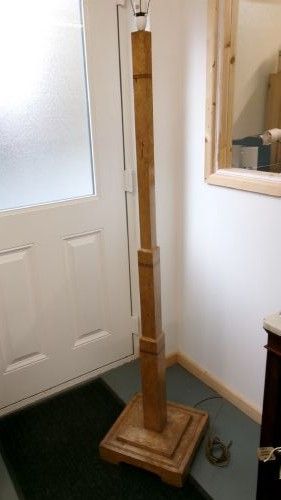


Light Walnut Standard Lamp
A light walnut standard lamp brings warm height and refined grain to a corner, combining the pale timber with functional illumination.
Light Walnut Standard Lamp
A light walnut standard lamp provides vertical lighting while showcasing pale timber tones across tall shafts and sturdy bases. These floor-standing fixtures appear frequently in styles from the early twentieth century, particularly the nineteen-twenties and thirties.
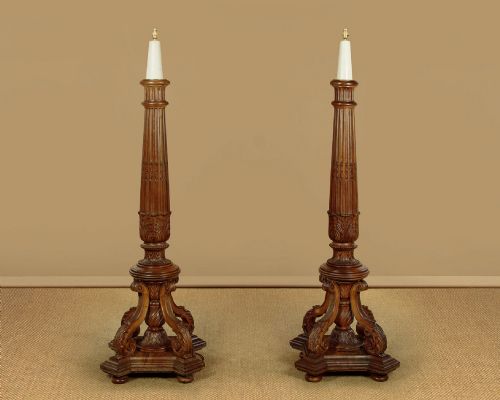
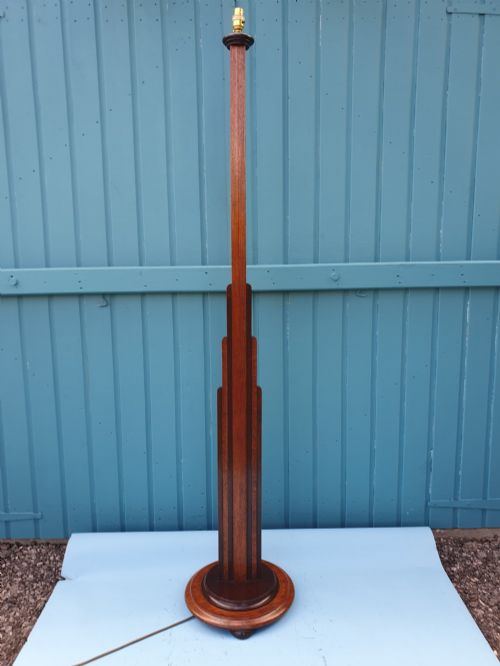
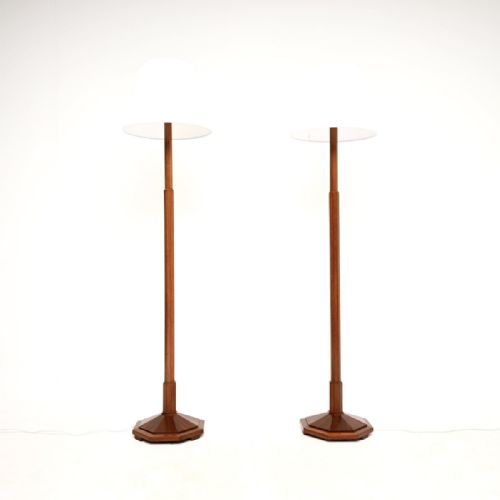
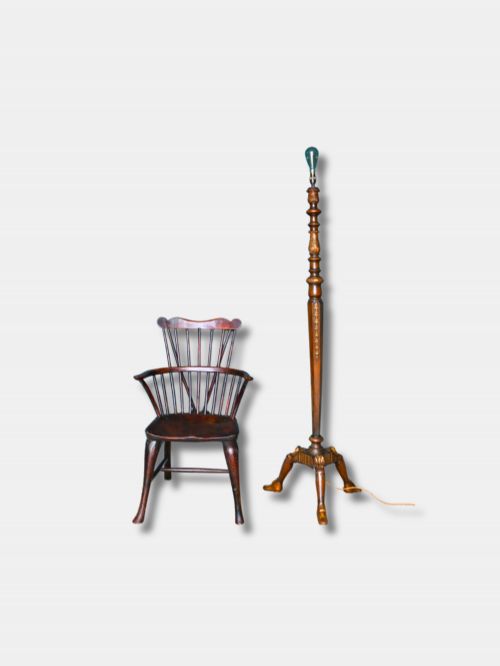
The selections span distinct design movements including clean-lined Art Deco forms, Edwardian pieces, and carved Anglo-Indian examples from nineteen hundred. Buyers encounter floor lamps mounted on tripod supports or circular wooden bases, sometimes paired with brass or gilt accents.
Makers utilised lighter woods such as blond walnut and satinwood alongside traditional darker walnut timbers. These tall furnishings function as primary light sources in reception rooms and studies while introducing substantial decorative presence.
How they were made
Construction relies primarily on walnut timber, often selected for pale figuring, paired with secondary materials like brass, gilt, and satinwood. Artisans shaped these woods into tall vertical shafts, frequently incorporating carved details or smooth polished finishes.
Supports take varied structural forms, from tripod bases to heavy circular platforms that stabilise the considerable height. Metal components in brass or gilt provide functional hardware and subtle contrast against the timber grain.
The site listings span pieces from nineteen hundred through the nineteen-thirties, incorporating Art Deco, Edwardian, and Anglo-Indian designs.
What varies in quality
Distinction across these pieces rests in the choice of timber veneer and the precision of the carving or turnery on the main shaft. Finer examples display carefully matched blond walnut grain that wraps cleanly around the column.
Proportion and structural integrity dictate the upper tier of standard lamps, where heavier bases ensure stability without clumsy weighting. The integration of decorative metal elements like brass or gilt also separates standard production from elevated workshop output.
Harry and Lou Epstein
The Light Walnut Standard Lamp Glossary
- Standard lamp
- A tall, free-standing floor lamp designed to hold a lampshade at eye level or above. These fixtures provide ambient illumination in sitting rooms.
- Blond walnut
- A pale variety of walnut timber popular in twentieth-century furniture design. It offers a lighter aesthetic than traditional dark European walnut.
- Tripod base
- A three-legged support structure used beneath tall objects to maintain balance. This configuration appears frequently on early twentieth-century floor lamps.
- Art Deco
- A design style spanning the nineteen-twenties and thirties characterised by geometric shapes and streamlined forms. Pieces from this period often utilise smooth wooden surfaces.
Light Walnut Standard Lamp: Frequently Asked Questions
Where should I place a standard lamp?
These tall fixtures suit corners of reception rooms or beside seating areas where vertical illumination is beneficial.
Their height allows them to distribute light effectively across a space without cluttering table surfaces.
Are these lamps heavy?
Floor lamps require substantial weight in the base to support the tall vertical shaft safely.
Tripod legs or weighted platforms ensure the fixture remains stable during daily use.
What woods were used?
Construction primarily utilises walnut timber, with variations including blond walnut and satinwood.
Additional materials like brass and gilt frequently appear as decorative accents.