
Vintage Architectural Landscape
Vintage architectural landscape works capture city squares, cathedrals and monuments through varied artistic lenses.
Vintage Architectural Landscape
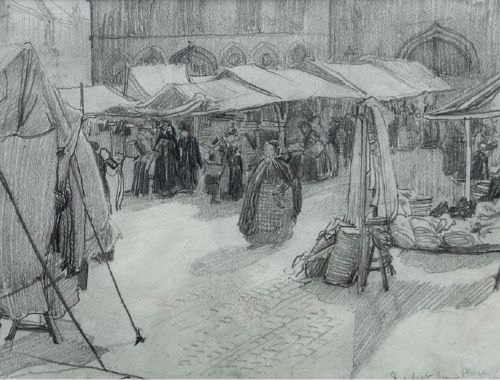
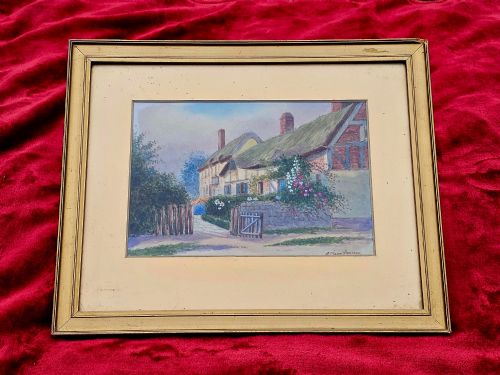
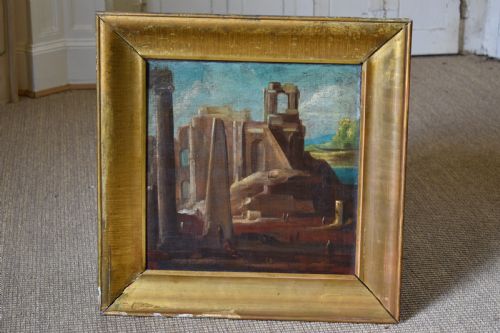
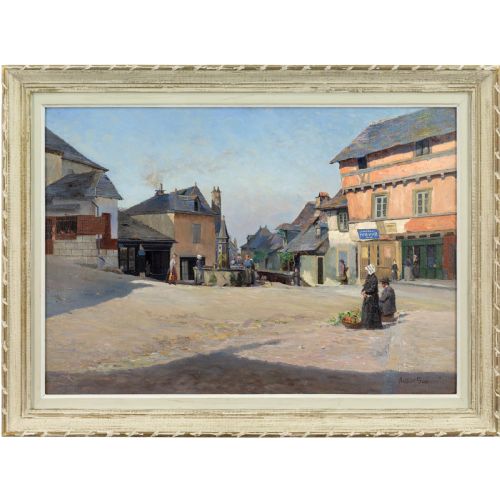
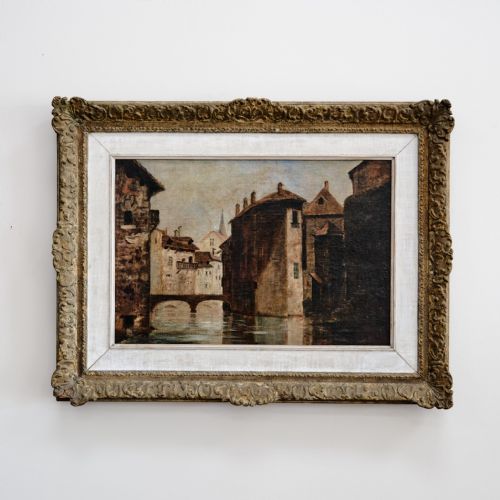
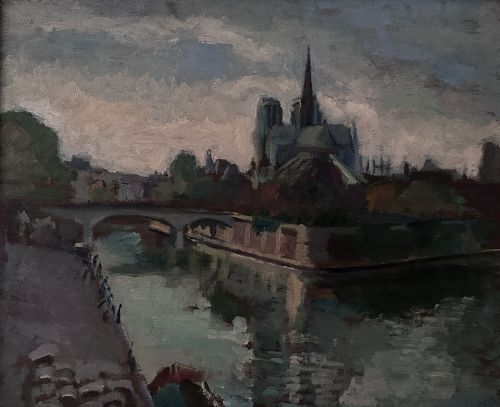
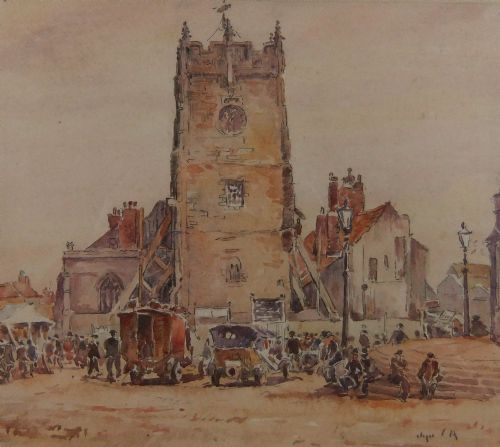
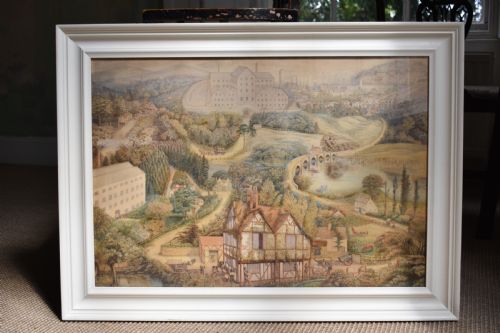
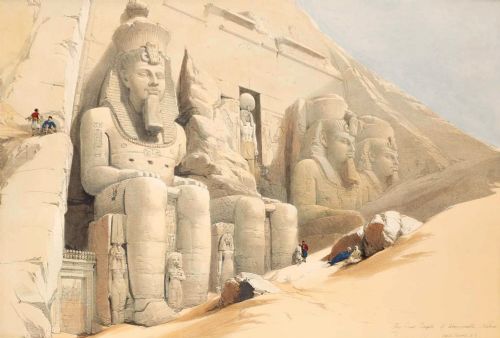
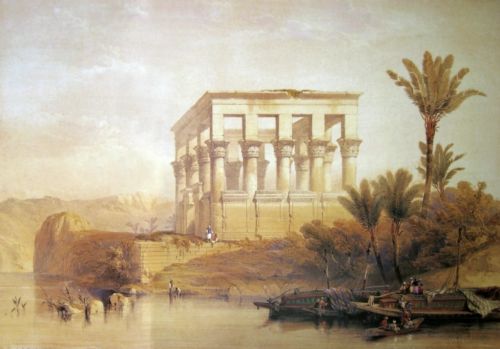
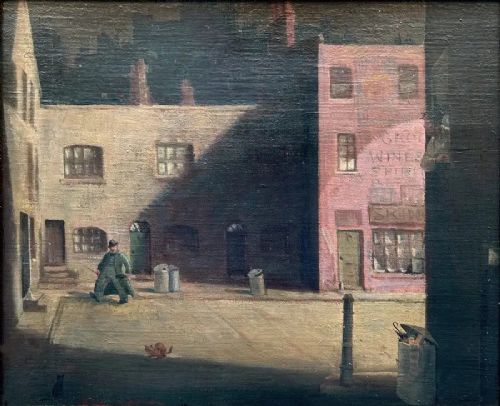
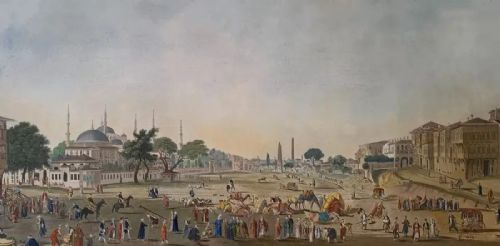
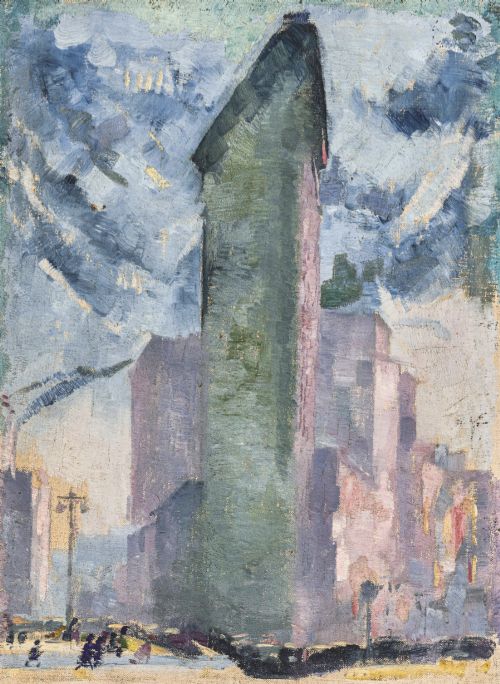
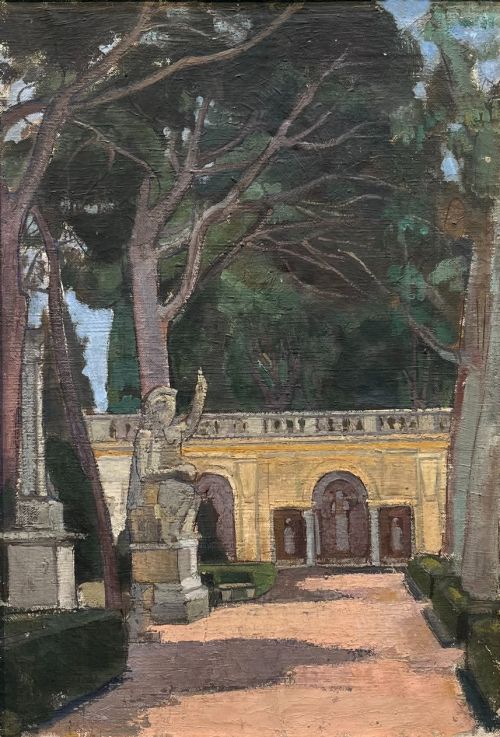
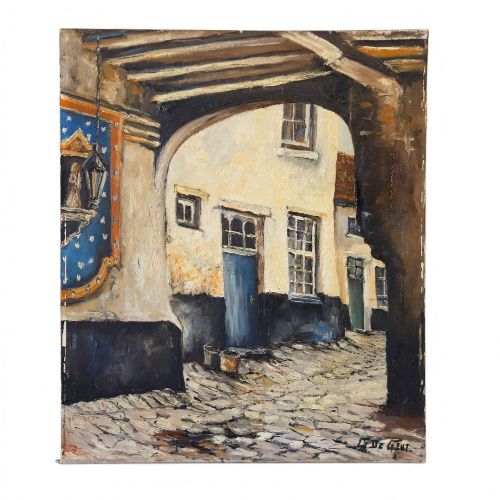
When searching for vintage architectural landscape pieces, collectors encounter oil paintings, watercolours, and ink drawings that merge built structures with natural surroundings. These works depict specific urban views, cathedrals, market squares, and ancient ruins from locations across Europe and beyond.
The selection on this page draws from the nineteenth century through the mid-twentieth century, including Victorian, Edwardian, and mid-century modern eras. Common formats range from detailed pencil sketches and hand-coloured prints to large oil canvases and mixed media drawings.
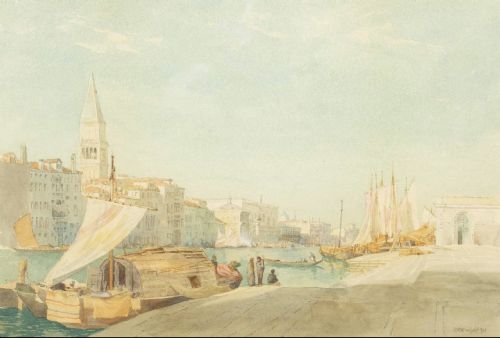
Subjects frequently centre on recognizable landmarks such as Venetian canals, Parisian streets, and English abbeys. Artists use these settings to explore light, perspective, and the relationship between human construction and open space.
Materials and Techniques
Makers utilised oil paint on canvas or panel to build textured surfaces, often applying impasto to capture sunlight on stone facades and bustling plazas. Watercolour on paper allowed artists to record translucent washes for skies, rivers, and distant architecture.
Pencil, charcoal, and ink were employed for linear precision, delineating the intricate geometry of arches, bridges, and cathedrals before washes or colour were applied. Etchings and coloured prints provided a mechanical method of reproducing detailed architectural views for wider distribution.
Listings include works executed in oil, watercolour, ink, and charcoal across periods ranging from the nineteenth century to the mid-twentieth century.
Elements of Distinction
Compositional strength and spatial handling distinguish the finest examples from simpler topographical records. Masterful works balance the heavy geometry of stone buildings with the fluid motion of figures and atmospheric light.
Material preservation and pigment stability significantly affect the lasting impact of a piece. Works executed by accomplished painters maintain vibrant colour palettes and confident brushwork that convey the mood of a specific era and place.
David Roberts·Anton Ignaz Melling·Alfred Wolmark·Ron Folland
The Vintage Architectural Landscape Glossary
- Impasto
- Paint applied thickly to a canvas so that it stands out from the surface. This technique adds tactile dimension and captures reflective light on architectural elements.
- Grand Tour
- A traditional trip through Europe undertaken by upper-class Europeans to study arts and antiquity. Works associated with this practice often depict classical ruins and famous foreign vistas.
- Pietra dura
- An artistic technique using cut and fitted polished coloured stones to create images. These framed panels frequently portray architectural subjects with permanent mineral colours.
- Post-Impressionism
- An art movement that extended Impressionism while rejecting its limitations. Practitioners focused on expressive forms and symbolic use of colour rather than pure visual recording.
Vintage Architectural Landscape: Frequently Asked Questions
What periods do these pieces represent?
The available selection spans from the nineteenth century through the mid-twentieth century, encompassing Victorian, Edwardian, and mid-century movements.
Specific dates within the listings stretch from the eighteen-nineties up to the nineteen-sixties, reflecting changing artistic interpretations of urban and rural structures.
How were these artworks created?
Artists employed oil on canvas or panel, watercolour on paper, ink, charcoal, and etching techniques. Many pieces combine media, such as ink and watercolour on paper, to achieve both fine line work and soft washes.
Some items utilise printmaking methods or pietra dura stone inlay to render classical buildings and street scenes.
Where do the depicted locations come from?
The subjects range widely across European and international destinations, including cities like Venice, Paris, London, Rome, and Constantinople. Local British landmarks such as Durham Cathedral and Whitby Abbey also appear frequently.
Views capture specific municipal squares, marketplaces, riverbanks, and ancient monuments recorded by travelling artists.
How should I care for paper works?
Works on paper, including watercolours and prints, require framing with acid-free materials to prevent degradation over time. Keeping them away from direct sunlight protects delicate watercolours and inks from fading.
Maintaining stable indoor humidity levels ensures that both the paper support and the surrounding frame remain in sound condition.