

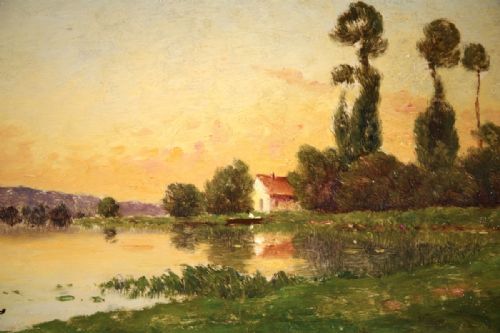


French River Scene Painting
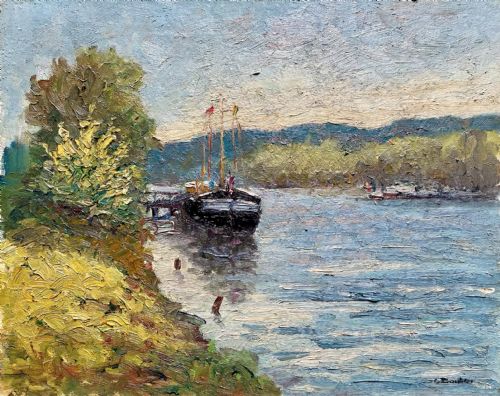
A french river scene painting captures the atmospheric light and quiet water of the Seine, Loire or lesser-known canals.
French River Scene Painting
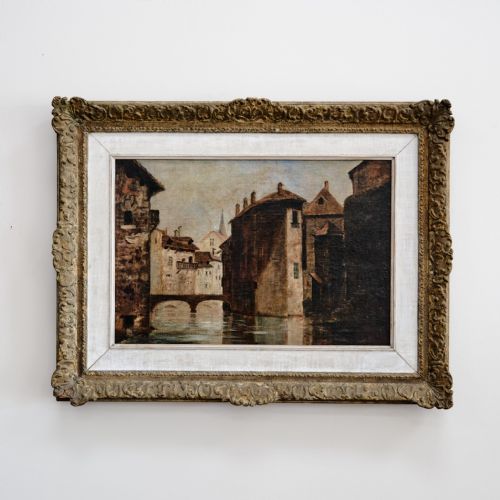
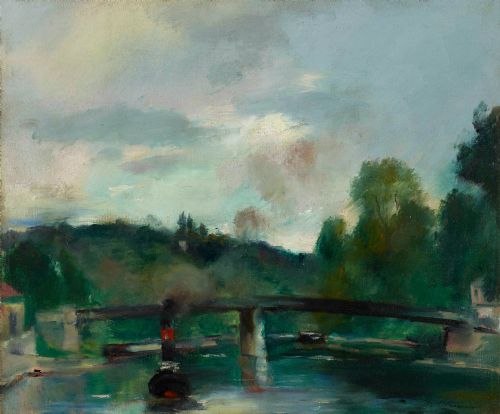
A french river scene painting brings rural waterways, urban canals and chateaux banks into view through the lens of nineteenth and twentieth-century French schools. These works range from early Barbizon pastoral compositions to mid-century post-impressionist depictions of Parisian bridges and rural washhouses.
The most common examples on this page are oil paintings on canvas executed during the nineteenth century or the decades up to nineteen sixty. Buyers frequently encounter plein air panels and framed canvases recording light on the water around Normandy and Paris.
How they were made
Artists built these compositions primarily using oil paint applied to canvas, wood panels or board. Brushwork moves from tight academic precision in earlier pieces to rapid, visible strokes in impressionist and post-impressionist examples.
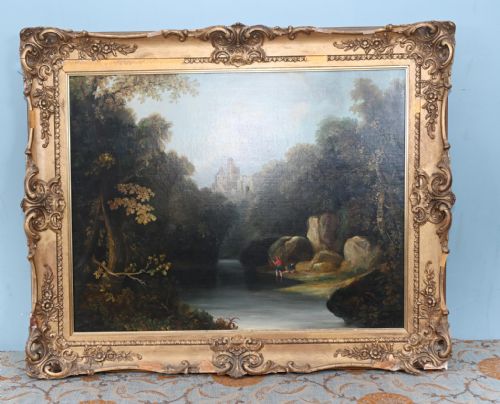
Frames often utilise gilt wood and moulded gesso to complement the painted surface. Gold leaf highlights appear on period frames housing nineteenth-century canvases.
Listings feature oil paintings on canvas, wood panels, and board across nineteenth and twentieth-century French art movements.
What varies in quality
Quality rests in the handling of light and atmospheric depth rather than mere subject matter. A stronger work captures the specific shimmer of midday on water or the haze of a riverbank with confident, purposeful pigment application.
The integration of the frame with the canvas also dictates overall standing. Original gilt wood and gesso frames that match the period of the oil painting elevate the piece far beyond later, mismatched framing.
Henri Ottmann·Honore Cavaroc·Henri Jaques Delpy·Armand Guillaumin·Adolphe Gumery·Charles Edmond Rene His
The French River Scene Painting Glossary
- Plein air
- Painting outdoors to capture direct natural light and atmospheric conditions on site. This method defined much of the French impressionist movement.
- Barbizon School
- A nineteenth-century French art movement towards realism in landscape painting. Painters focused on forest and river environments observed directly from nature.
- Impressionism
- A nineteenth-century art movement characterised by relatively small, thin yet visible brush strokes and open composition. Emphasis lies on accurate depiction of light in its changing qualities.
- Gesso
- A paint mixture consisting of a neutral binder mixed with chalk, pigment, or plaster. It serves as a prepared surface for wood panels or as a base for moulding decorative frames.
French River Scene Painting: Frequently Asked Questions
How do I date a French river scene painting?
Dating relies on stylistic clues, canvas preparation, and framing techniques. Earlier nineteenth-century works often show darker palettes and tighter brushwork, whereas later impressionist and mid-century pieces utilise brighter tones and looser application.
Signatures, artist registry dates, and stretcher frame construction provide further chronological markers. Comparing the handling of light to established periods helps narrow down the decade of creation.
Where were these river scenes usually painted?
Many compositions focus on the Seine, the Loire, and the Orne, alongside various French canals and rural waterways. Popular locations include Normandy, Giverny, and Parisian stretches near the Ile Saint Louis.
Artists frequently set up their easels directly on the riverbanks or from boats to capture the changing reflections. Chateaux and rural washhouses also provided recurring focal points for plein air painters.
Are these paintings executed on canvas or wood?
The listings feature both oil on canvas and oil on wood panel supports. Canvas was standard for larger works, while smaller plein air studies were often painted on wooden boards.
Support material generally reflects the scale and intended portability of the artwork. Panel paintings frequently date to outdoor sessions where rigidity was necessary without an easel setup.
How should I care for an antique oil painting?
Protect the canvas or panel from direct sunlight and dramatic fluctuations in room temperature and humidity. Keep the surface free of dust using a soft, dry brush without applying pressure to the pigment.
Avoid using liquid cleaners or solvents on the painted surface or gilt frame. Professional conservation is recommended if the canvas develops slackness or the gesso frame requires stabilisation.