




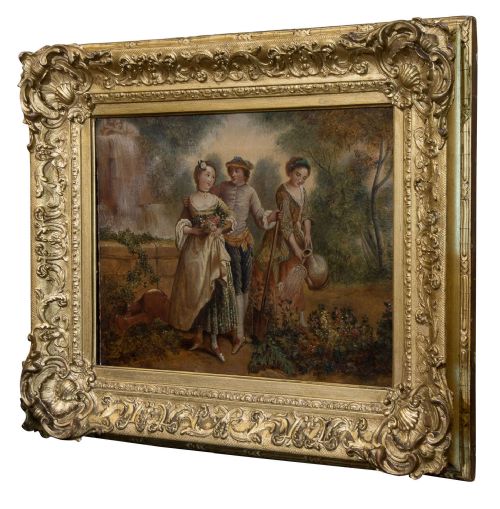


French School Oil Landscape
A french school oil landscape brings the light of Normandy, Provence, or the banks of the Seine directly into a room through rich pigment and expressive brushwork.
French School Oil Landscape
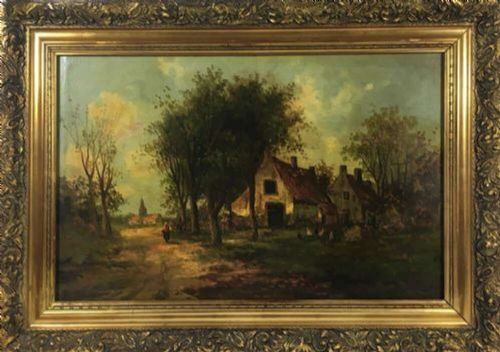
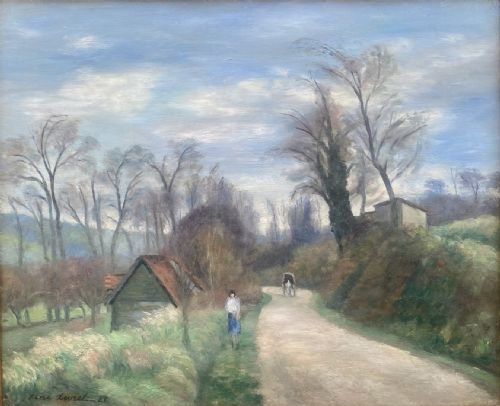
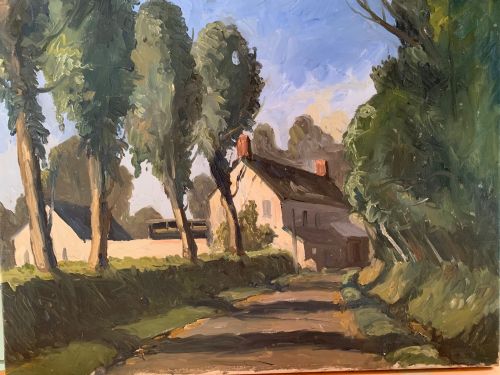
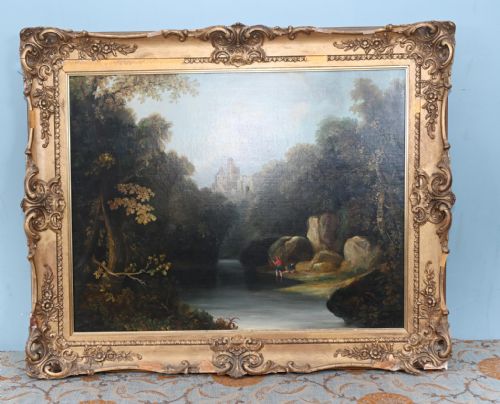
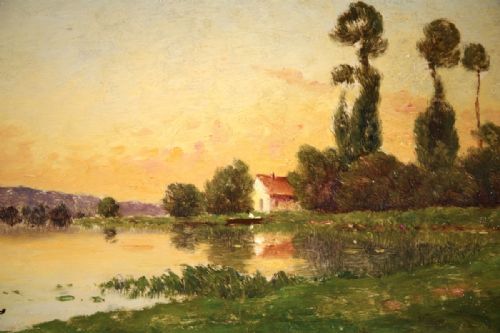
A french school oil landscape captures rural views, river scenes, and cityscapes produced by artists trained or working within French artistic traditions. These works range from the dark, atmospheric farmyards of the Barbizon movement to sun-drenched Mediterranean street scenes and mid-century modernist compositions.
The pieces encountered on this page span the nineteenth century through the mid-twentieth century, including works created during the impressionist, post-impressionist, and cubist periods. Canvas and wood panel serve as the primary supports for these painted views of nature and architecture.
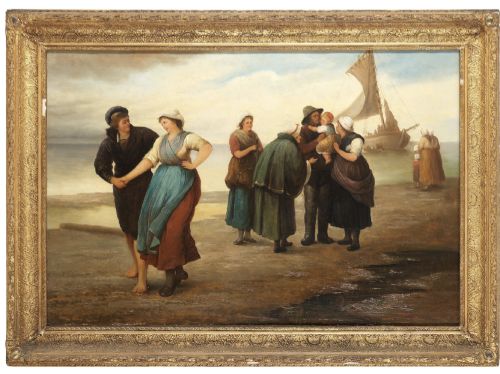
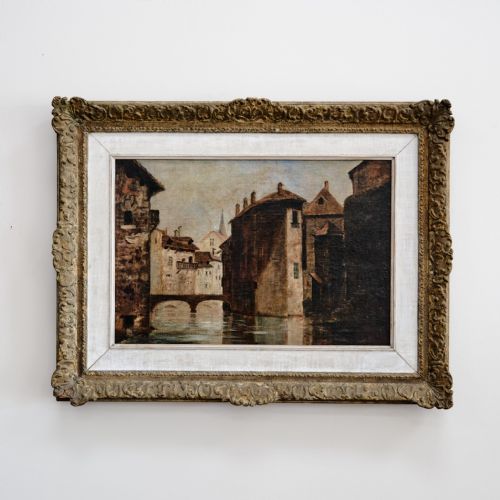
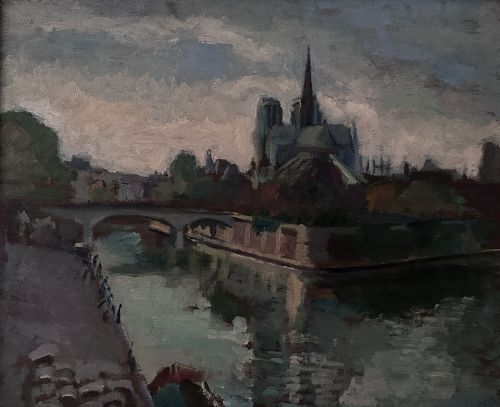
Rural valleys, coastal harbours, and quiet rivers form the core subjects of these works, often populated by figures, cattle, or barges. Buyers find everything from intimate panels depicting rustic barns to large canvases portraying Parisian quays and southern orchards.
How They Were Made
Artists built these compositions primarily using oil paint applied to woven canvas or prepared wooden panels. Gesso provided the foundational ground on wood supports, while gilt wood frames often finished the piece.
Makers applied oil paint through varied techniques, ranging from tight, realistic brushwork in earlier nineteenth-century pieces to loose, visible strokes characteristic of impressionist and modernist creators. Pigments were layered to capture the specific atmospheric qualities of light in Provence, Normandy, or Paris.
Hens occasionally share pasture with quiet cattle and weary artists along these painted riverbanks.
What Varies in Quality
The strength of a french school oil landscape relies upon the confidence of the handling and the artist's ability to render light and atmosphere convincingly. Superior examples demonstrate a distinct command of colour and composition, whereas lesser works display mechanical repetition and flat tonality.
Condition and originality heavily influence the standing of a painting, with untouched surfaces retaining their original vibrancy. The integration of support, pigment, and period frame contributes to the overall integrity of the surviving artwork.
Paul Désiré Trouillebert·Honore Cavaroc·Henri Jaques Delpy·Raymond Picque·Gabriel Dauchot·Alphonse Robert·Eduard Leon Cortes·Pierre Emmanuel Eugene Damoye·Henri Therme
The French School Oil Landscape Glossary
- Barbizon School
- A nineteenth-century French art movement dedicated to naturalistic landscape painting, focusing on the forest of Fontainebleau and surrounding rural scenes. These artists worked directly from nature to capture realistic weather and lighting conditions.
- Gesso
- A traditional paint mixture consisting of a binder mixed with chalk, gypsum, or pigment used to prepare wood panels for oil painting. It creates a smooth, stable surface for the application of oil colours.
- Plein Air
- The act of painting outdoors, allowing artists to directly observe and record landscape lighting and weather effects. This method became central to impressionist landscape practices in France.
- Post-Impressionism
- A diverse artistic movement following impressionism that explored emotional and structural responses through expanded use of colour and form. Practitioners built upon impressionist light studies while pushing toward abstraction or heightened expression.
- Provenance
- The documented history of ownership of an artwork, establishing its authenticity and lineage. A recorded history adds context to the piece.
French School Oil Landscape: Frequently Asked Questions
How do I date a french school oil landscape?
Dating relies upon stylistic markers, material preparation, and artist signatures or biographical records. Barbizon and early realist works typically show darker earth tones and tighter brushwork typical of the mid-nineteenth century.
Later pieces from the twentieth century often adopt impressionist or modernist palettes with looser application. Examining the canvas weave, stretcher construction, and framing style provides additional clues to the era of creation.
Where were these landscapes typically painted?
Artists sought subjects across varied French regions, including the forests of Fontainebleau, the Normandy coast, and the sunlit fields of Provence. Urban views centred on Paris, capturing quays, bridges, and street scenes.
Many painters worked directly outdoors in the countryside to capture shifting natural light. Others recorded industrial harbours in Brittany or quiet rivers along the Seine.
What is the difference between canvas and panel supports?
Canvas provides a flexible, textured surface that accommodates larger compositions and dynamic brushwork. Wooden panels offer a rigid, smooth ground often favoured for smaller, highly detailed plein air studies.
Panels require careful preparation with gesso to prevent the wood from absorbing the oil paint. Canvas works rely on wooden stretchers to maintain tension across the woven fabric.
How should I display an oil painting at home?
Oil paintings on canvas or panel require stable environmental conditions away from direct sunlight and extreme temperature shifts. Maintaining moderate humidity prevents the wood or canvas from warping over time.
Pairing the artwork with a suitable period frame protects the edges and complements the visual weight of the composition. Proper wall placement ensures the lighting enhances the pigment tones without creating glare.