
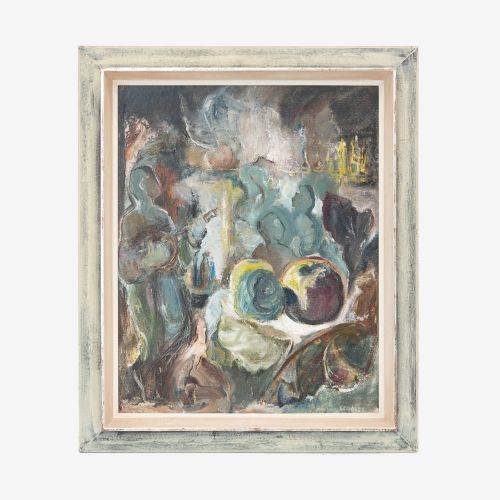


Grey French Oil Painting
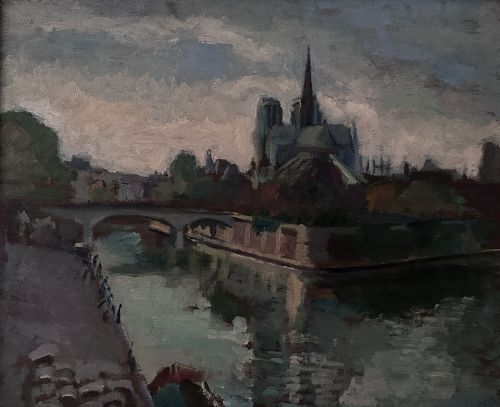
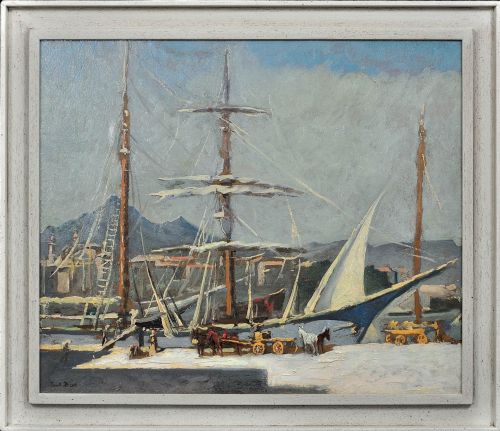
A grey french oil painting captures atmospheric light and restrained palettes across Parisian streetscapes, coastal harbours, and quiet rural studies.
Grey French Oil Painting
A grey french oil painting encompasses works executed on canvas, board, and panel originating from various decades of the nineteenth and twentieth centuries. Buyers seeking these pieces encounter cityscapes of Paris, Normandy harbours, and riverside scenes rendered in muted or tonal palettes.
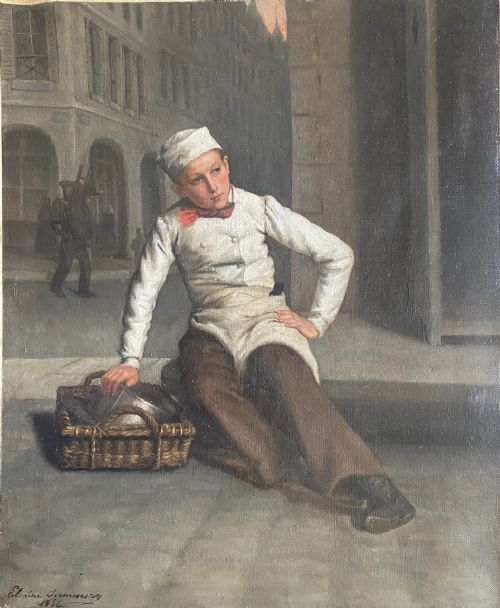
The selection ranges from Salon-exhibiting nineteenth-century works to mid-century modernist and post-impressionist interpretations. These paintings frequently depict architectural views, figures, and maritime subjects framed in wood or presented directly on stretched supports.
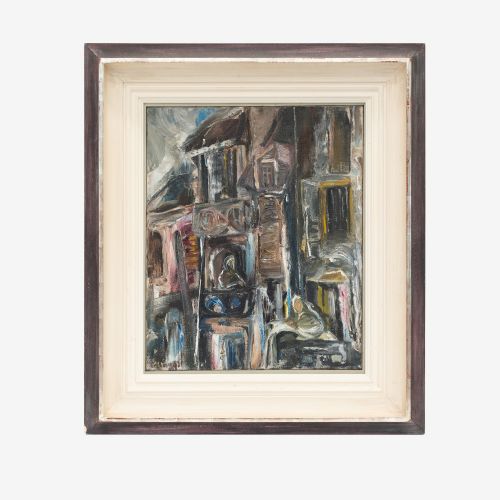
The aesthetic leans heavily into restrained greys, neutral earth tones, and atmospheric daylight characteristic of northern French schools. Works span traditional realism through to avant-garde and abstract expressionist movements of the mid-twentieth century.
How They Were Made
Artists applied oil paint using traditional brushwork or palette knives onto woven canvas, wooden panels, or rigid boards. These supports were often prepared with gesso grounds to receive layers of pigment that built up texture and depth.
Many canvases remain housed within their original wood frames, reflecting the framing traditions of the period in which they were painted. The medium allowed creators to manipulate drying times for smooth colour transitions or expressive impasto applications.
Several canvases secretly double as canine portraits and mischievous cherub scenes when the human subjects step away.
What Varies in Quality
Compositional strength and the handling of atmospheric light separate accomplished works from routine topographical sketches. The rhythm of brushstrokes and the confidence of line define the artistic merit within modernist and realist examples.
The harmony of a muted palette and the preservation of the original paint surface influence the visual impact of the piece. Works retaining their period wooden frames often provide a more complete historical context.
Paul Bret·Lilian Colbourn·Paul-Jean Anderbouhr·Edouard Julien·Raymond Picque·Fred Pailhes·Gaetan Dumas·Gabriel Dauchot·Ron Folland·Mercedes Legrand·William Grant Murray·Albert Ferdinand Le Dru·Donald Wood
The Grey French Oil Painting Glossary
- Oil on Canvas
- Pigment suspended in a drying oil applied to a stretched woven fabric support. This combination offers flexibility and a receptive surface for varied brush techniques.
- Post-Impressionism
- An art movement extending beyond impressionism that prioritised structural brushwork and symbolic content over optical realism. Artists pushed colour and form to express emotional resonance.
- Impasto
- Paint applied thickly to a canvas or board, standing out in relief from the surface. This technique captures physical gesture and catches ambient light.
- Trumeau Mirror
- An antique decorative wall mirror featuring an oil painting or carved panel incorporated into the upper section. These fixtures were traditionally mounted above mantelpieces in French interiors.
Grey French Oil Painting: Frequently Asked Questions
How do I date a mid-century work?
Dating relies on stylistic markers, artist signature documentation, and the framing materials typical of the era. Mid-century pieces often embrace modernist abstraction or simplified figurative forms.
Examining the canvas backing, stretcher bars, and any exhibition labels provides further chronological clues.
Where were these paintings displayed?
Many works originated from French salons, regional exhibitions, or private artists' studios across Paris and Normandy. They populated domestic interiors, civic buildings, and gallery spaces.
Subjects frequently mirror the immediate surroundings of the creators, from capital city quays to provincial fishing ports.
How should I hang an oil painting?
Select a wall space away from direct sunlight and fluctuating heat sources to protect the canvas and oil pigments. Secure fixings must match the weight of both the artwork and its wooden frame.
Allow adequate clearance around the piece to let the composition breathe within the room.
What defines the French realist style?
French realism focuses on unidealised depictions of everyday scenes, working-class life, and recognisable landscapes. Painters sought truth in observation rather than adhering to academic conventions.
This approach often resulted in earthy palettes and direct, unpretentious brushwork.