


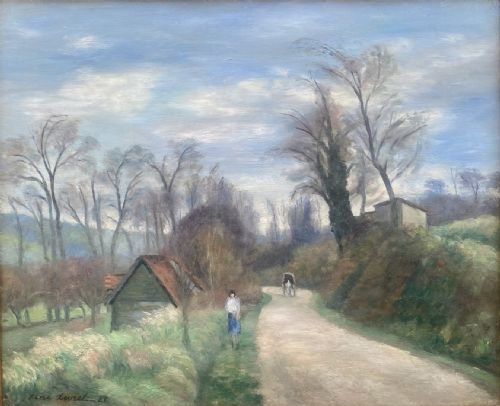

French Oil Landscape
A french oil landscape brings the light and quiet rural beauty of provincial France directly into a room.
French Oil Landscape
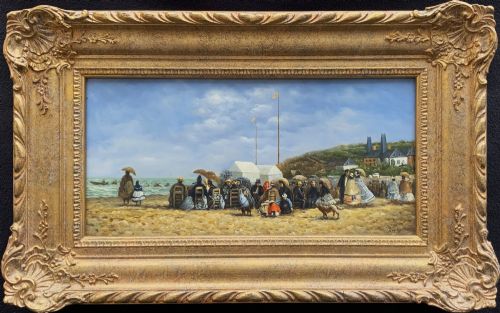
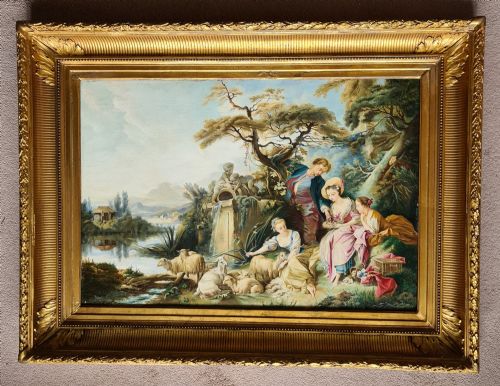
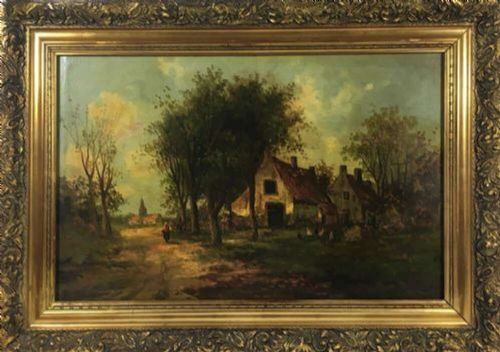
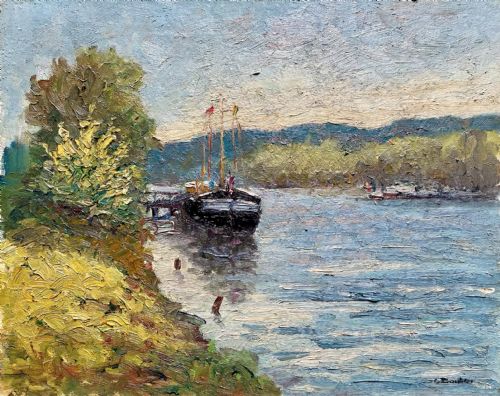
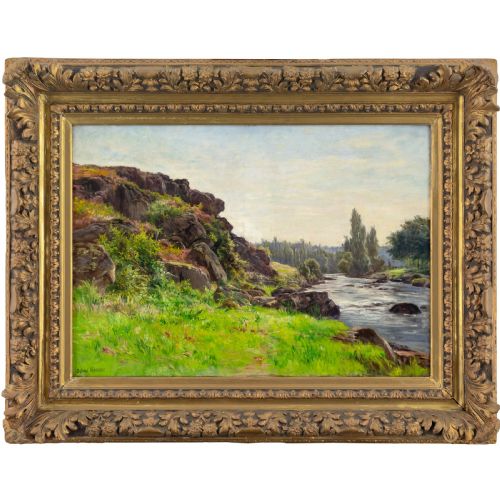
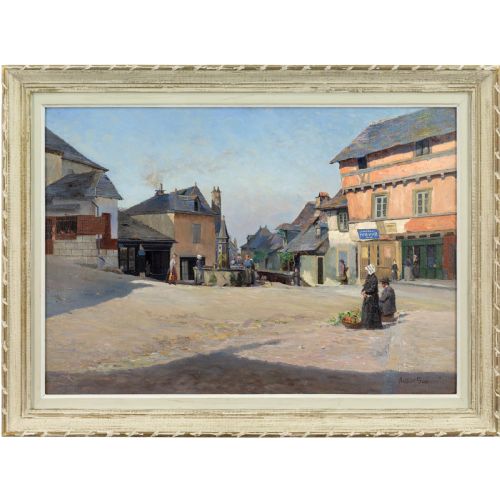
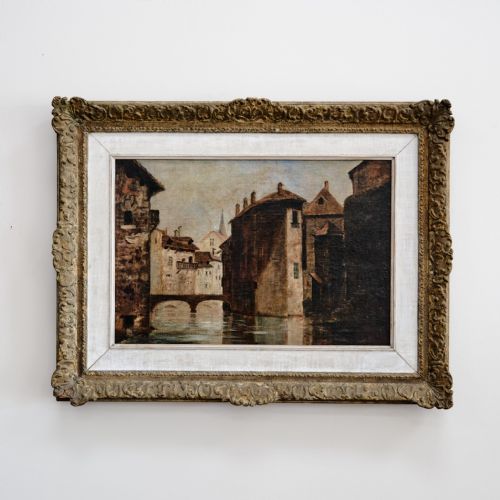
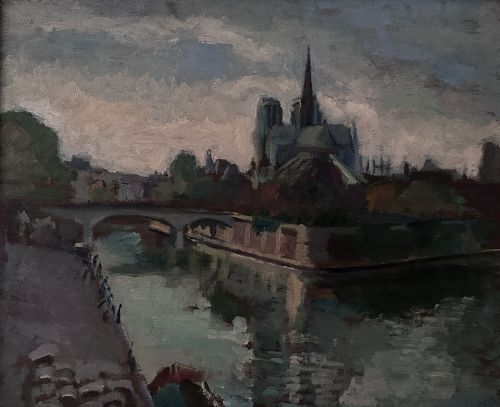
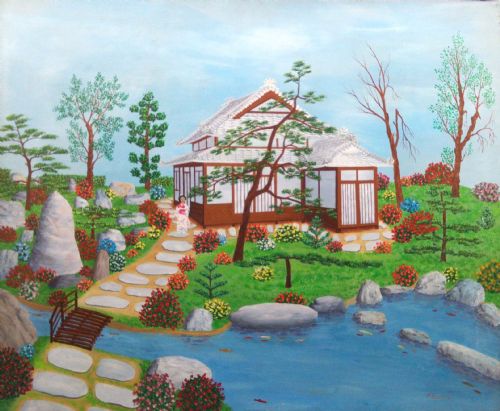
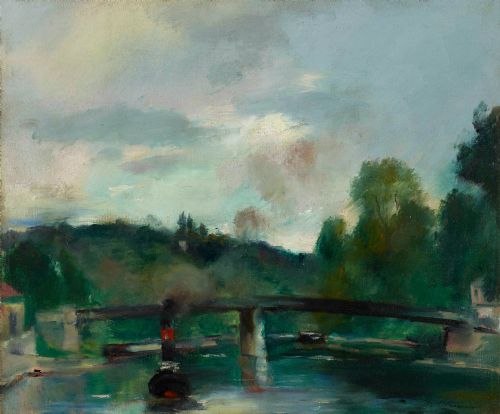
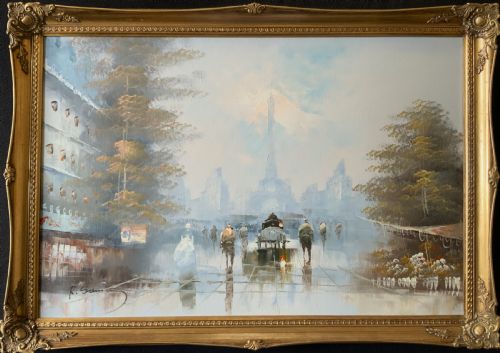
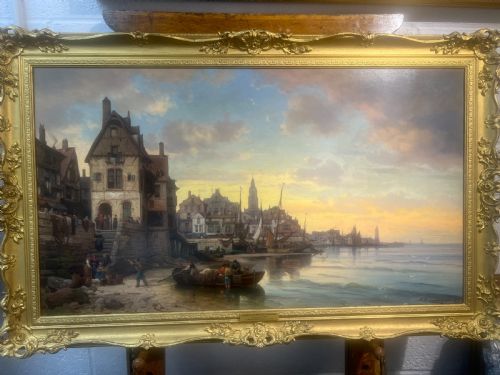
When exploring a french oil landscape, collectors encounter works capturing rural riversides, coastal harbours, and sunlit pastures across multiple decades. The pieces range from intimate plein air panels to expansive canvases depicting scenes in Normandy, Provence, and along the Seine.
Many examples arrive housed in period gilt wood frames that complement the tonal depth of the paint surface. These artworks record changing light and regional topography through the direct application of oil on canvas or wood.
How They Were Made
Artists built these compositions primarily using oil paint applied to stretched canvas or prepared wooden panels. Ground layers and gesso provided a stable base for brushwork that varied from smooth glazes to thick impasto.
Frames often utilised carved wood finished with gold leaf or gilt gesso to enhance the visual weight of the picture. Painters worked both in outdoor settings to capture direct light and within studios to synthesize preliminary sketches.
Several canvases capture cows pausing placidly by Normandy troughs, indifferent to centuries of art history unfolding around them.
What Varies in Quality
The strength of a composition rests on the artist's handling of atmospheric perspective and the natural play of light across water or foliage. Finer examples demonstrate confident brushwork that conveys movement and depth without unnecessary detail.
Condition plays a significant part in the evaluation of a piece, particularly the stability of the paint layer against the original support. The integrity of the matching frame and the presence of clear artist signatures or historical provenance further distinguish exceptional works.
Gabriel Mathieu·Arthur Gué·Paul Bret·Henri Ottmann·Charles Euphraisie Kuasseg·Rene Levrel·Erich Mercker·Paul Désiré Trouillebert·Paul Ehrenberg·Lilian Colbourn·Paul-Élie Gernez·Caroline Burnett·Honore Cavaroc·Charles Clair·Henri Jaques Delpy·Paul-Jean Anderbouhr·Raymond Moritz·Alexandre Le Bihan·Louis Suire·Gustave Vidal·Jean-Baptiste Olive·Raymond Picque·Raimond Louis Lecourt·Fred Pailhes·André Prévot-Valéri
The French Oil Landscape Glossary
- Barbizon School
- A nineteenth-century French art movement dedicated to realistic, naturalistic landscape painting rooted in the Forest of Fontainebleau. Artists focused on unidealised rural scenes observed directly from nature.
- Plein air
- The practice of painting outdoors to capture the direct effects of light and weather on a subject. This method was central to the development of Impressionism.
- Impasto
- Paint applied thickly to a canvas or panel so that it stands out from the surface. This technique allows brush marks and knife strokes to retain their physical dimension.
- Gesso
- A paint mixture consisting of a binder mixed with chalk, gypsum, or pigment used to prepare wood or canvas surfaces. It creates a smooth, absorbent ground for oil paint.
- Gilt wood
- Timber decorated with a thin layer of gold leaf or gold paint applied to its surface. These frames were designed to reflect ambient light and frame the artwork.
French Oil Landscape: Frequently Asked Questions
What is a french oil landscape?
These works are oil paintings created by artists depicting the scenery, coastline, and rural life of France. They serve as historical windows into regional topography and historical painting traditions.
Collectors acquire them to bring authentic European atmosphere and painterly skill into domestic interiors.
How do I identify the period of a painting?
Dating relies on stylistic clues, framing materials, and documented signatures or exhibition labels on the reverse. Barbizon and Impressionist works carry distinct technical markers tied to their respective decades.
Examining the canvas preparation and stretcher bars also offers reliable indicators of age.
Where should I hang these paintings?
These artworks suit traditional and contemporary living spaces, particularly when paired with adequate natural lighting. Placing them away from direct heat sources protects the oil paint and wooden frames over time.
Their varied scales allow them to anchor a main wall or complement a smaller study.
Are these paintings signed by the artist?
Many examples bear legible signatures or monogram marks applied by the hand of the creator. Some historical pieces remain unsigned or carry indistinct inscriptions while retaining clear stylistic attribution.
Archival records and exhibition labels often help confirm the origin of unsigned canvases.