

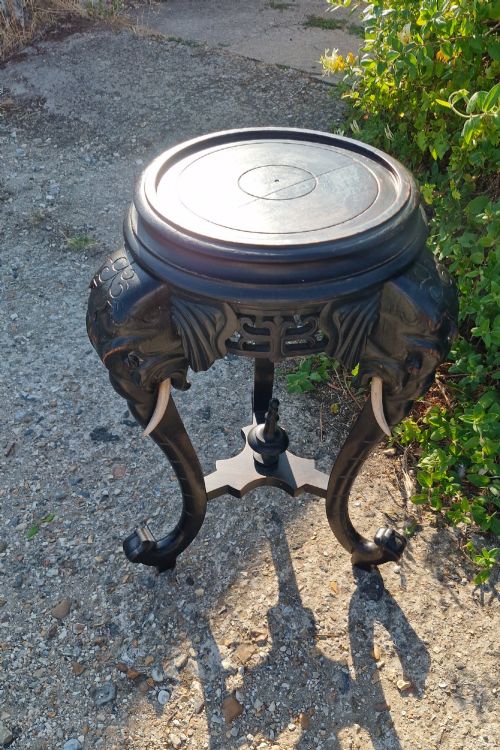
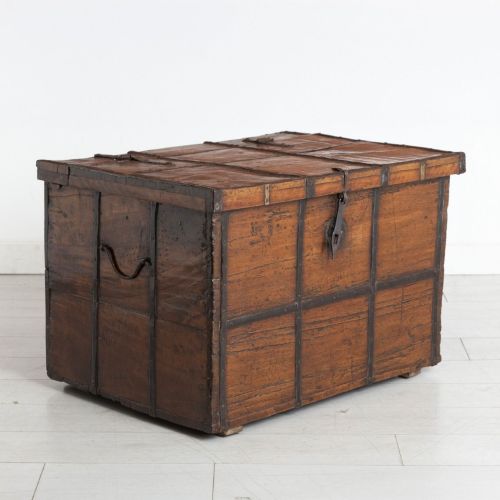
Victorian Wooden Trunk
A victorian wooden trunk brings nineteenth-century practicality into a modern room, offering sturdy storage with genuine history.
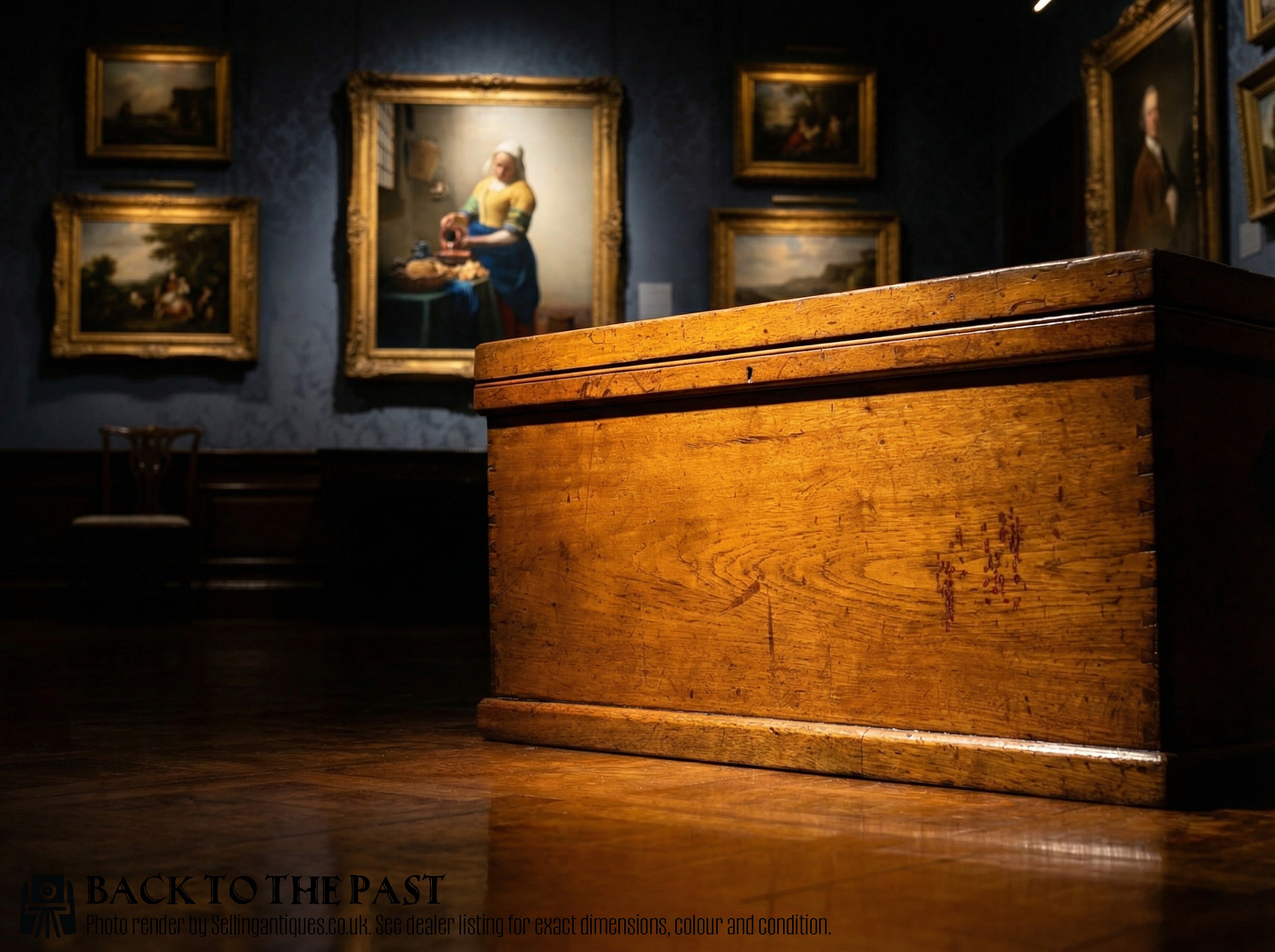
Victorian Wooden Trunk
A victorian wooden trunk serves as a robust storage piece, encompassing blanket boxes, travel chests, and military campaign cases from the nineteenth century. These items were built for utility, designed to carry possessions across rooms or continents.
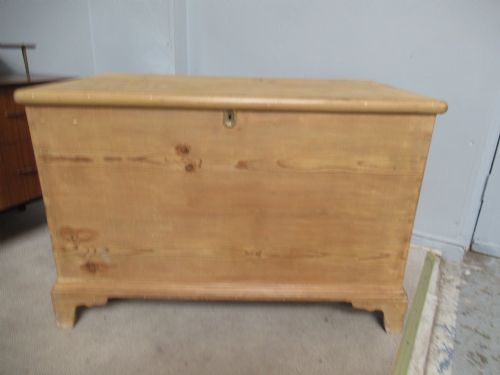
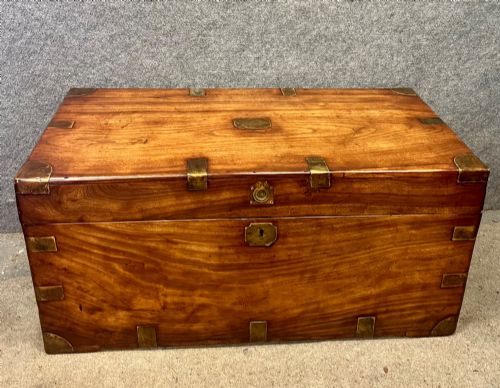
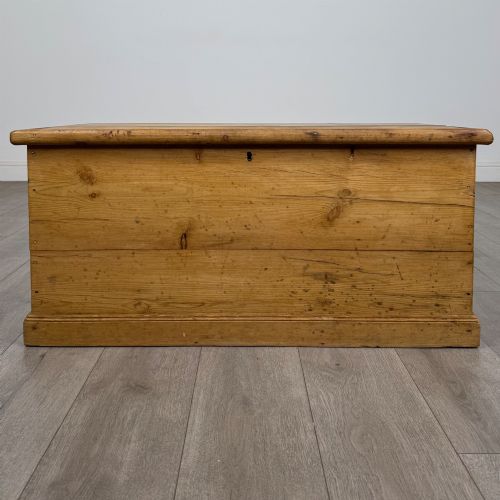
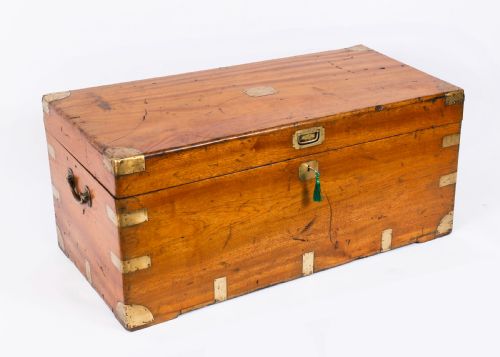
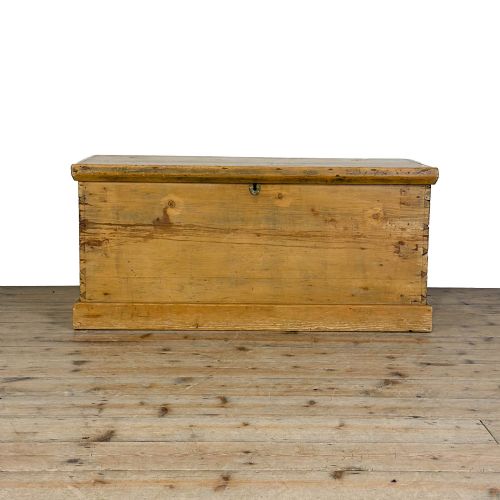
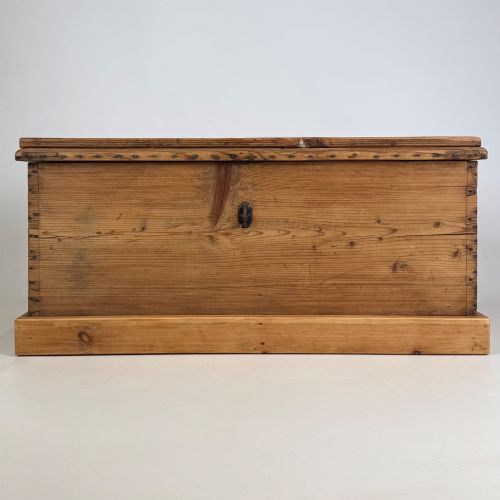
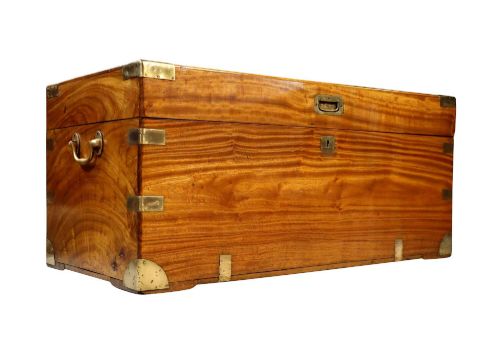
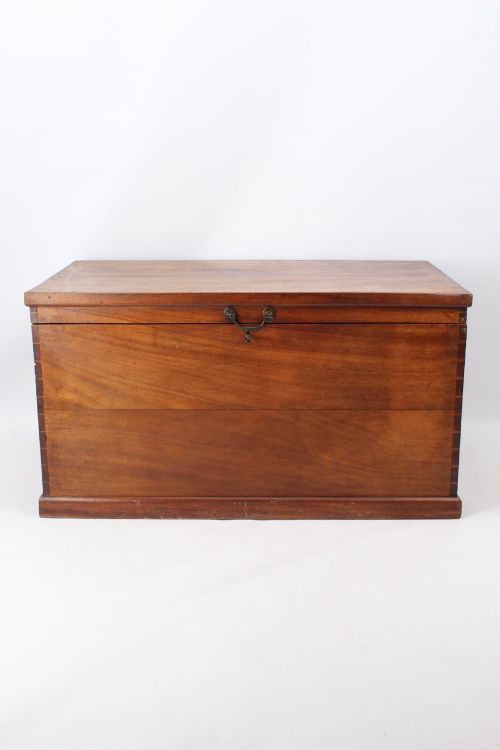
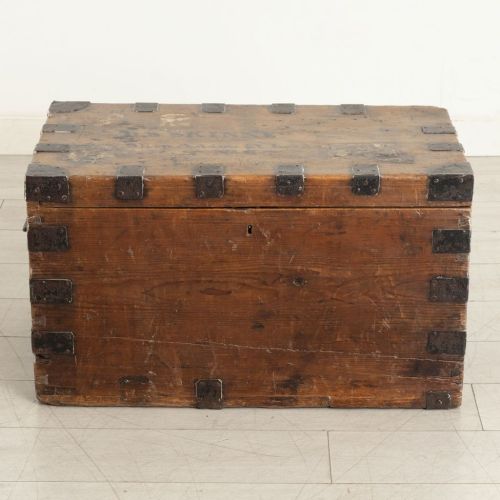
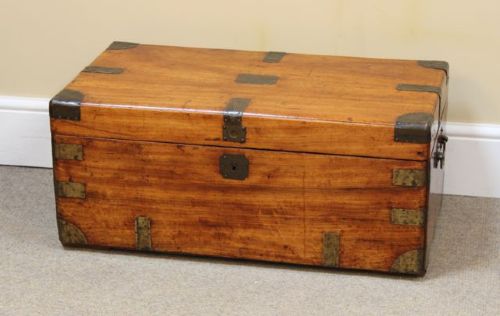
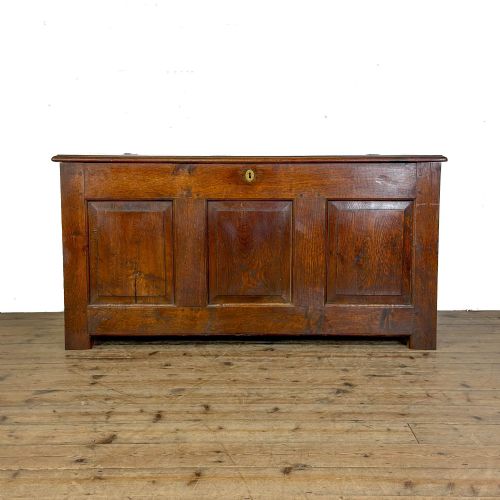
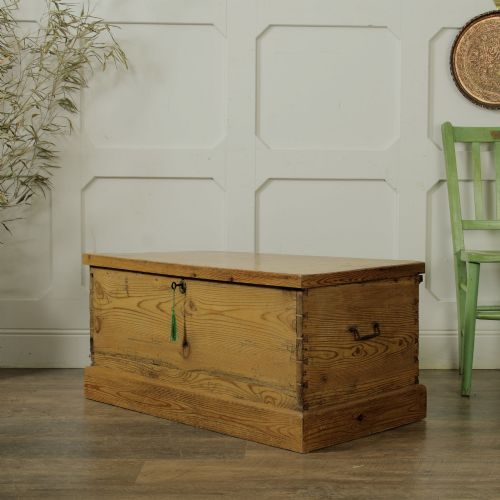
The most common examples on this page are pine blanket boxes and camphor wood campaign trunks. You will also encounter mahogany, teak, and oak coffers, alongside specialised forms fitted with internal drawers or iron bindings.
Origins stretch from domestic English farmhouses to distant colonial outposts, reflected in the diverse timber choices and hardware. Whether destined for a bedroom or a hallway, each piece retains the marks of nineteenth-century craftsmanship.

Materials and construction methods
Carpenters utilised domestic softwoods like pine alongside durable exotic hardwoods such as camphor wood, teak, and mahogany. These timbers were selected for their ability to withstand heavy handling and changing climates.
Metal reinforcement was essential for transport, leading makers to bind corners and secure lids with brass and iron straps. Heavy-duty hinges, flush handles, and corner plates kept the wooden structures intact during long journeys.
Victorian Wooden Trunk Retail Price Guide 2026
Typical asking prices for victorian wooden trunk among the pieces listed under this phrase on Sellingantiques today, from the lower quarter to the upper quarter. They describe what is for sale here now, not the wider market.
Judging build quality and condition
Superior pieces display careful dovetail or tongue-and-groove joinery that keeps the timber stable over generations. The thickness of the wood and the snugness of the lid closure separate heavy-duty travel containers from lighter household boxes.
Original hardware elevates a piece significantly, particularly intact brass bound corners and working iron locks. The integrity of the original surfaces - whether waxed pine or polished camphor wood - defines the overall character and preservation of the trunk.
The Victorian Wooden Trunk Glossary
- Campaign trunk
- A portable storage chest designed for military officers on the move, typically constructed in two sections with recessed brass handles for easy transport. These pieces often feature durable hardwoods like camphor wood or teak.
- Blanket box
- A large rectangular chest traditionally utilised for storing linens, blankets, and woollens in domestic settings. Pine and oak are the most frequent timbers found in these household storage items.
- Brass bound
- A construction method where corners, edges, and seams are protected with brass strips and brackets. This technique added structural strength and resilience to travel chests.
- Coffer
- A heavy wooden chest with a hinged lid, primarily used in earlier centuries for storing valuables and documents. They frequently exhibit robust joinery and iron reinforcement.
Victorian Wooden Trunk: Frequently Asked Questions
How were these trunks originally used?
Nineteenth-century trunks served as luggage for travellers or heavy storage for household linens and winter blankets. Military versions accompanied officers on campaigns across the British Empire, protecting uniforms and documents from moisture and insects.
In domestic homes, simpler pine boxes rested at the foot of beds or in hallways to keep textiles organised. Their heavy construction allowed them to double as benches or tables during transit.
What is the difference between campaign and domestic trunks?
Campaign trunks feature specialised adaptations for travel, including recessed brass hardware, carrying handles, and durable hardwoods like camphor wood that repelled pests. They were frequently built in modular sections to ease loading onto ships and carriages.
Domestic trunks, conversely, relied on local softwoods such as pine and prioritized large internal volume over portability. They rarely included the complex brass bindings found on military-grade examples.
How do I care for a wooden trunk?
Maintain the timber by applying a traditional beeswax polish occasionally to nourish dry wood and preserve the finish. Avoid placing the trunk near direct heat sources or in damp areas, which can cause the panels to warp or split.
Inspect the brass and iron fittings periodically, keeping them clean with a dry cloth to prevent tarnishing. Gentle dusting is usually sufficient for everyday maintenance.
Can I use a trunk as a coffee table?
A sturdy wooden trunk makes an excellent coffee table while providing hidden storage for living room clutter. Ensure the flat top is strong enough to support everyday items and protect the surface from moisture with coasters.
Camphor wood and pine versions both adapt well to modern living spaces, offering a warm textural contrast to contemporary upholstery. Their internal depth swallows away spare cushions and board games with ease.