
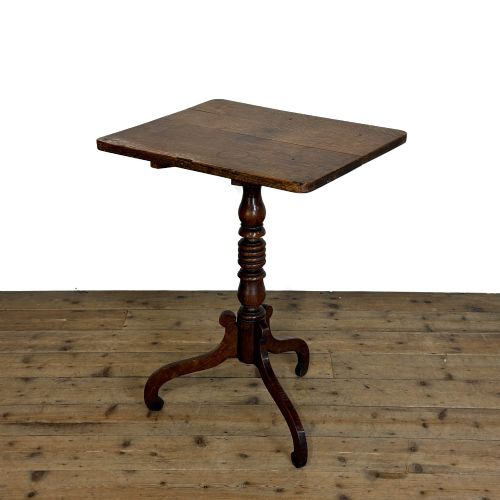
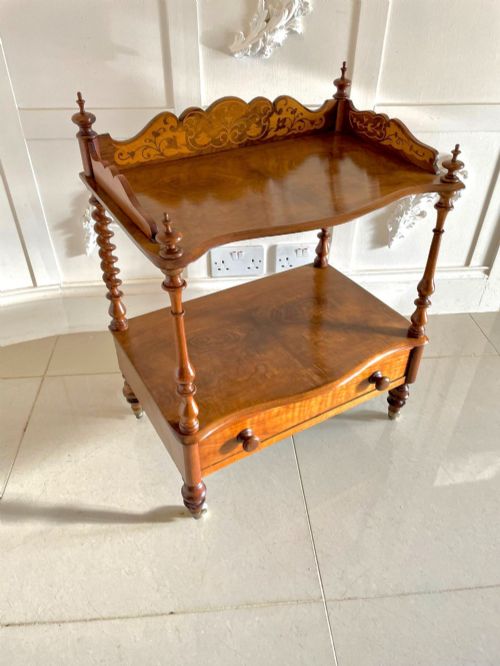
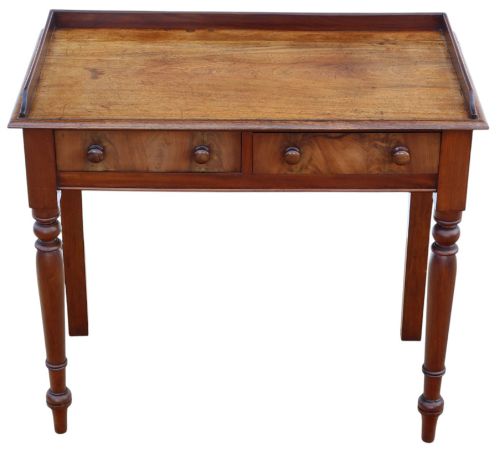
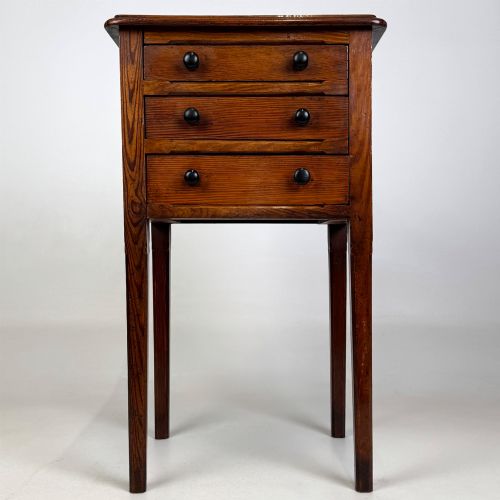
Victorian Wooden Table
A victorian wooden table brings nineteenth-century craftsmanship into a modern room, offering solid timber construction and practical utility.
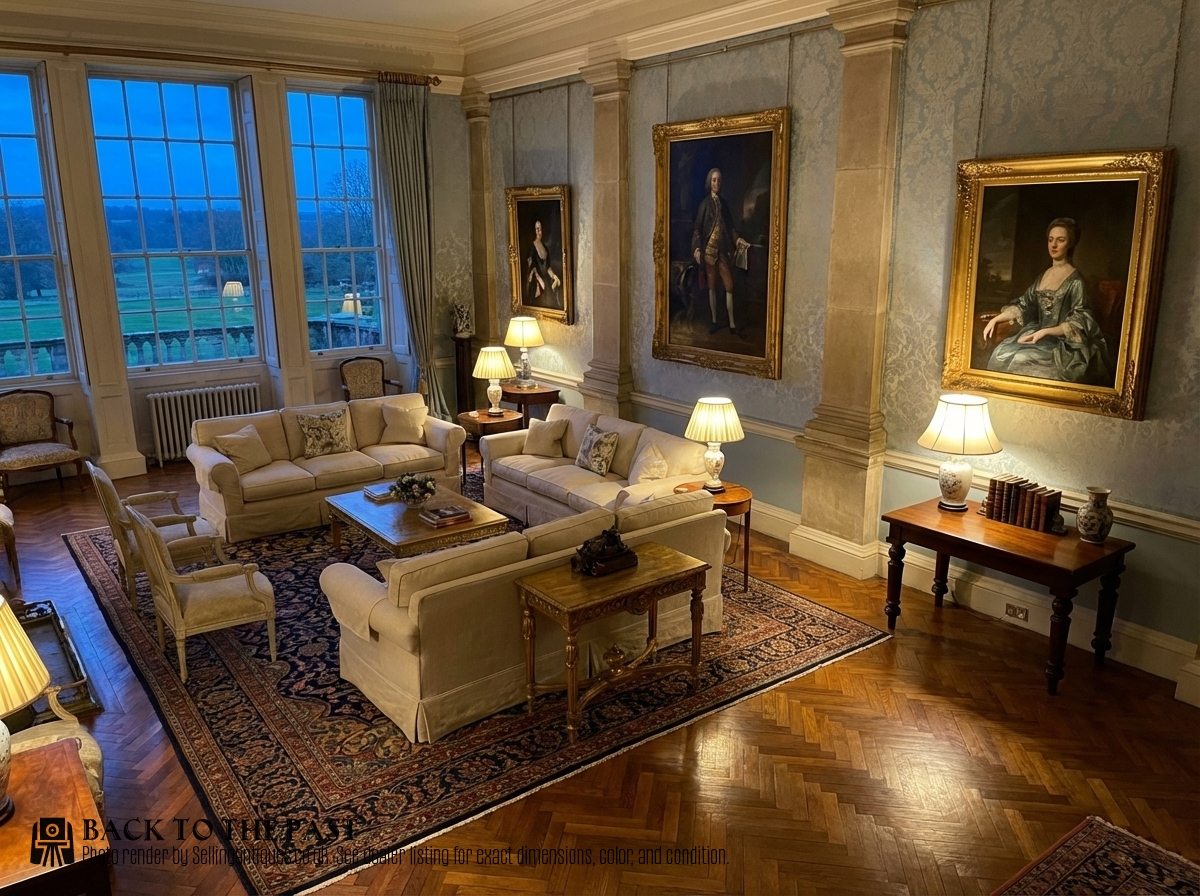
Victorian Wooden Table
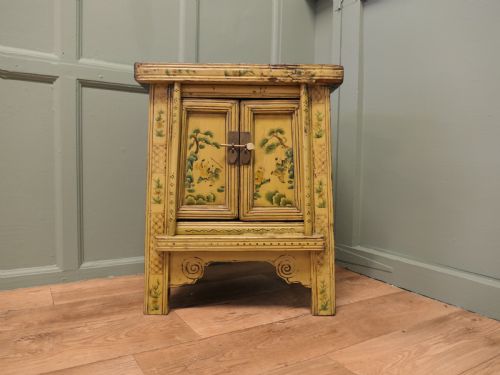
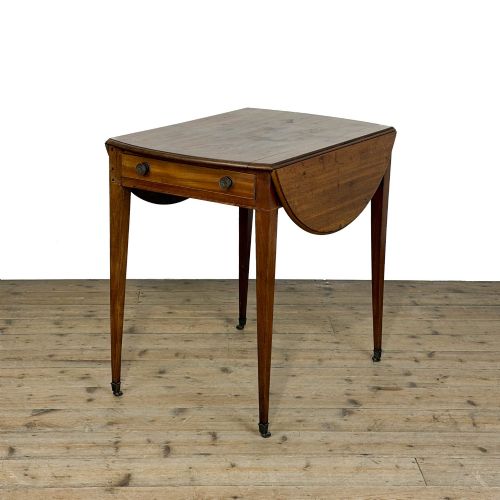
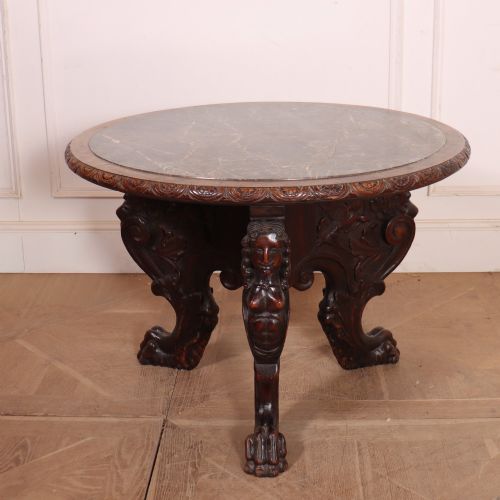
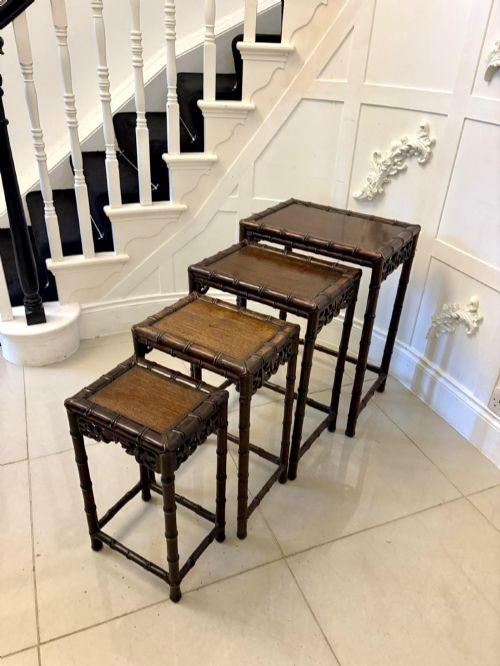
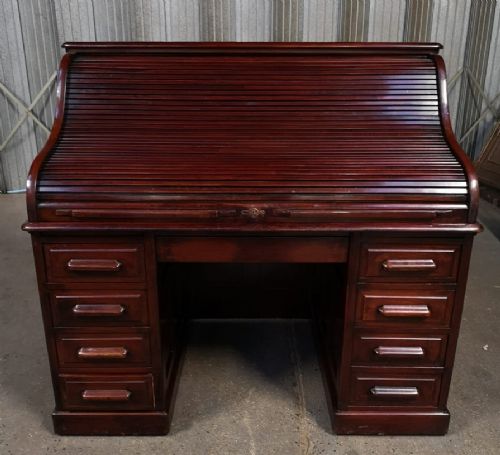
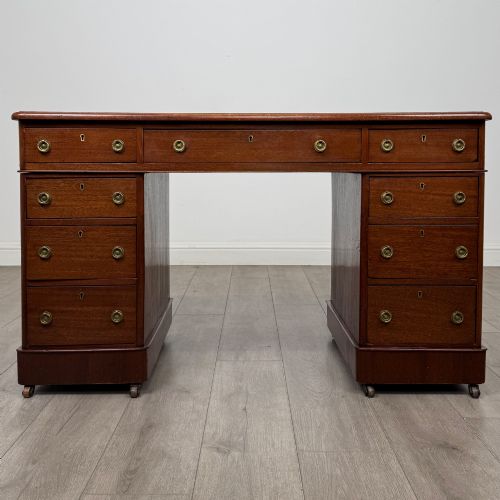
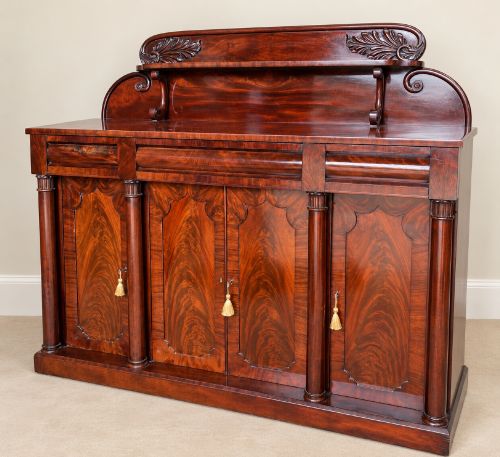
A victorian wooden table covers a broad domestic range, from formal centre and dining pieces to smaller occasional, lamp, and writing formats. The pieces on this page lean heavily toward mahogany, walnut, and oak variations produced during the nineteenth century.
Buyers will encounter dining tables with extending leaves alongside smaller side, tilt-top pedestal, and sewing tables. These items served specific daily functions in nineteenth-century homes, varying from grand reception rooms to smaller studies and country kitchens.
Materials and construction
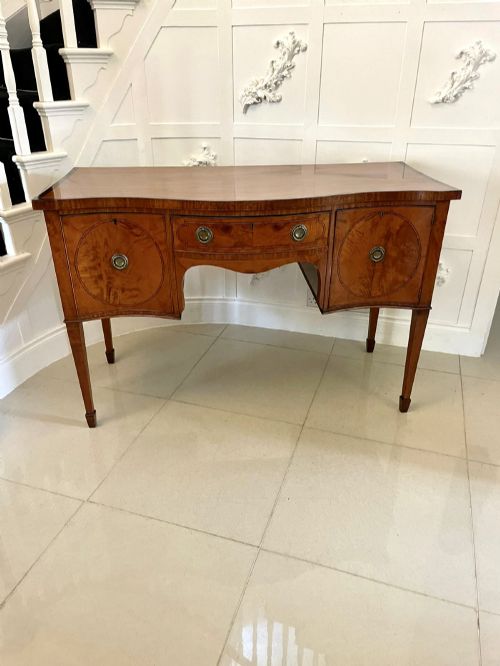
Makers utilised dense hardwoods such as mahogany, walnut, and oak, often applying burr walnut veneers or satinwood details to prominent surfaces. Structural elements frequently incorporate secondary timbers like pine, while brass fittings and castors provided mobility and reinforcement.
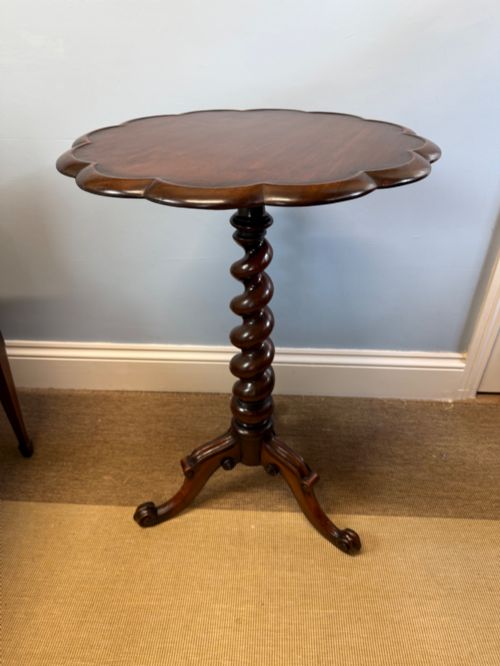
Joinery methods relied on traditional techniques including dovetails, mortise and tenon joints, and turned legs or barley twist supports. Timber was selected for grain pattern and stability, allowing tables to endure heavy daily use over generations.
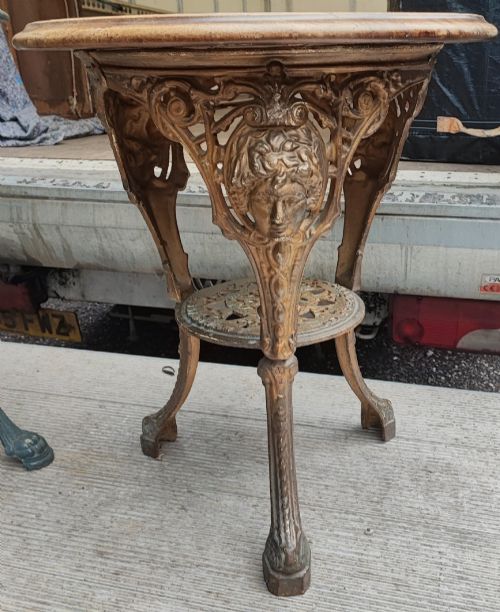
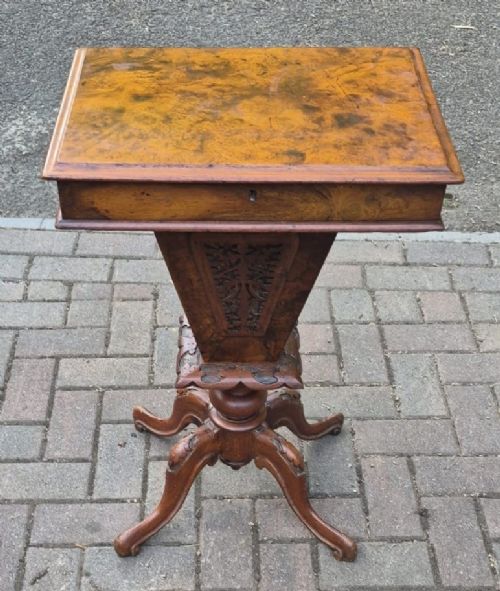
Several items combine practicality with curiosity, including sewing tables fitted with internal compartments and tables mounted on cast iron pub bases.
Factors of quality
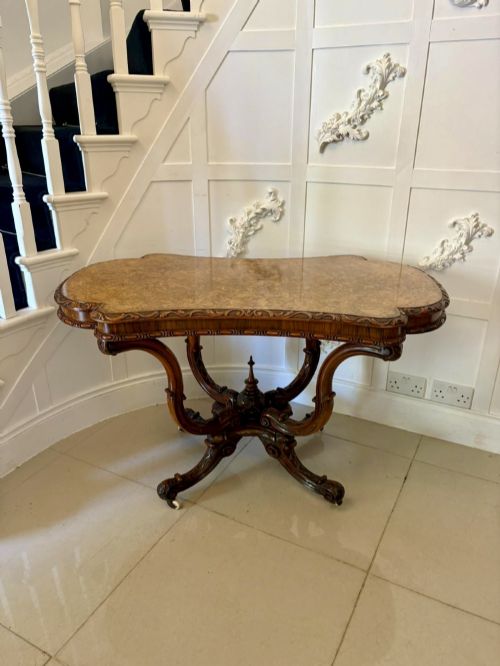
Quality rests upon the selection of timber figures, such as highly figured burr walnut veneers or dense, well-grained mahogany. Superior examples display meticulous attention to carved ornamentation and crisp turning on legs and pedestals.
Construction integrity defines the upper tier, seen in tight joints, original hardware, and minimal structural alteration over time. Retaining original surfaces, patination, and functional mechanisms like drop leaves or extending screw actions elevates a piece considerably.
George Wadham
The Victorian Wooden Table Glossary
- Burr walnut
- A highly prized wood cut from walnut tree growths, displaying complex, swirling grain patterns used for decorative veneer on tabletops.
- Tilt top
- A tabletop mechanism hinged to a central pillar, allowing the surface to tilt vertically for storage when not in use.
- Pedestal table
- A table supported by a single central pillar resting on a weighted base or splayed feet, common in nineteenth-century designs.
- Drop leaf
- A table featuring hinged side flaps that fold down to save space or lift up to extend the usable surface area.
- Barley twist
- A type of decorative wood turning resembling a twisted rope, frequently used for table legs and stands.
Victorian Wooden Table: Frequently Asked Questions
How do I identify a Victorian table?
Look for characteristic nineteenth-century timber choices such as mahogany, walnut, and oak, alongside traditional construction methods like hand-cut dovetails and turned wooden legs.
Examine the hardware and finish for signs of age, keeping in mind that Victorian pieces often show a deep, warm patination developed over decades of use.
Can I use an antique dining table daily?
These tables were built from solid hardwoods intended for rigorous domestic routines, making them well-suited for everyday dining and family use.
Routine care, such as using placemats and avoiding excessive moisture, helps preserve the historic timber and original finish against daily wear.
What is a tilt top table used for?
Tilt top tables were designed to be folded and pushed against a wall when not in use, maximising floor space in smaller nineteenth-century rooms.
They functioned primarily as occasional or tea tables, easily repositioned around the home as daily activities required.
How do I care for walnut veneer?
Burr walnut surfaces require gentle dusting with a soft, dry cloth and protection from direct sunlight and extreme temperature fluctuations.
Avoid commercial silicon polishes, opting instead for traditional wax feeds that nourish the historic timber without damaging the delicate veneer underneath.