




Victorian Wooden Mantel Glass
A victorian wooden mantel glass anchors the room, offering heavy timber frames and bright glass designed to sit above the fireplace.
Victorian Wooden Mantel Glass
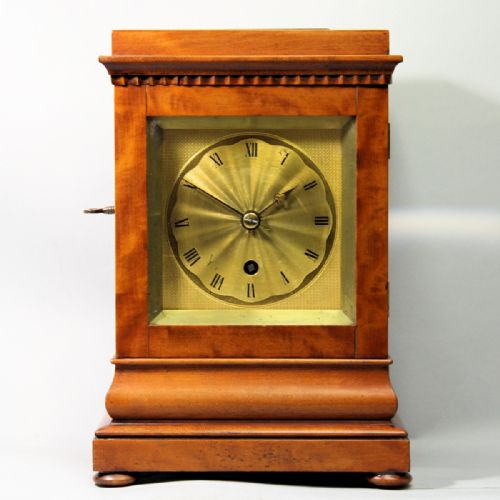
A victorian wooden mantel glass serves as a traditional fireplace mirror, combining substantial timber framing with large sheets of glass designed to reflect light across nineteenth-century interiors. These pieces appear in forms such as overmantel mirrors, alongside related wooden mantel objects like library clocks, bracket clocks, and marine barometers.
Mahogany, walnut, and rosewood dominate the framing materials, often paired with gilded brackets, gesso, or gold leaf accents. Makers utilised dense native and exotic hardwoods to construct durable frames that could withstand the heat and soot of coal fires below.
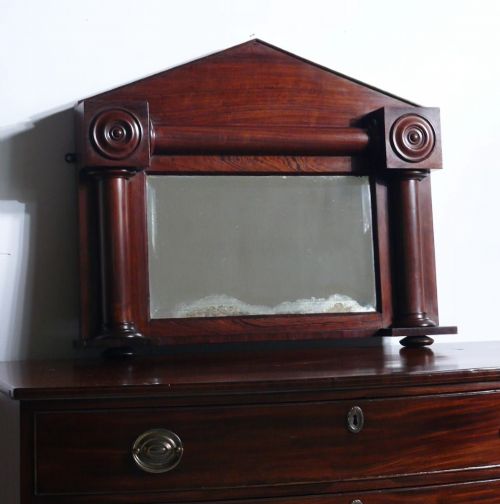
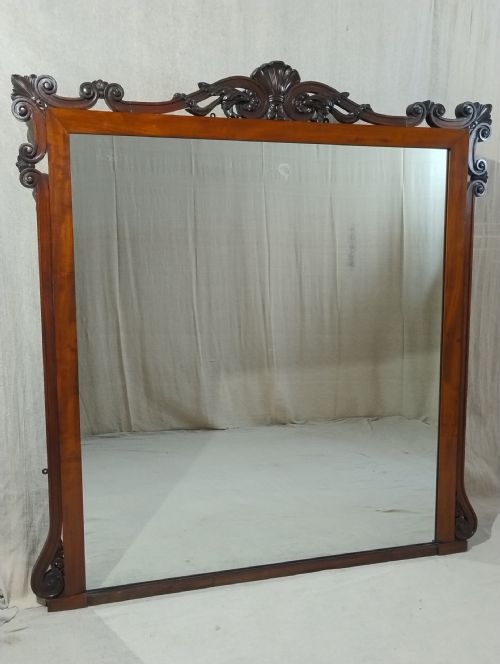
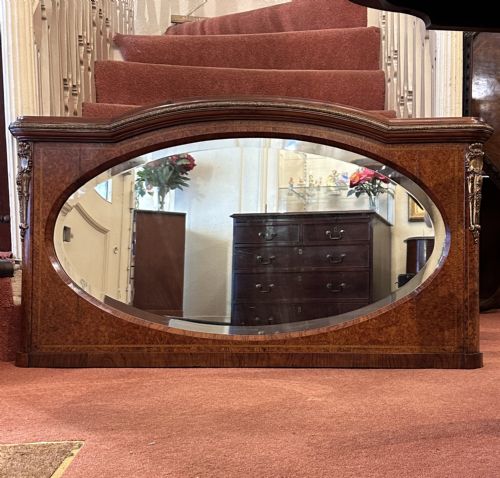
The version most commonly met on this page is the large overmantel mirror, spanning several feet to fill the chimney breast. Examples range from early Victorian mahogany architectural frames to late Victorian burr walnut and carved arts and crafts designs.
Materials and construction methods
Cabinetmakers constructed these frames using solid hardwoods like mahogany, walnut, rosewood, and satinwood, frequently applying burr veneers or ebonised finishes to the primary surfaces. Carved details and applied gesso ornamentation embellished the timber, occasionally finished with gold leaf or ormolu mounts.
The glass panes were set securely into rebated wooden frames, backed with protective timber panels and supported by brass or gilded brackets where necessary. Movement housings in associated mantel clocks and barometers utilised brass chains, fusee mechanisms, and glass panels to display intricate internal mechanics.
Listings feature nineteen-century periods spanning from 1850 through 1900, alongside materials including mahogany, walnut, rosewood, brass, and ebonised wood.
Factors determining quality
The selection of timber dictates the initial tier of quality, with figured veneers like burr walnut, burr yew-wood, and birds eye maple marking out finer production than plain painted or heavily stained pine. Carving depth and precision separate standard moulded frames from deeply undercut, individually hand-carved overmantels.
Internal preservation and original surface treatments also govern the standard of surviving pieces. Intact gilding, original mirror plates with authentic foxing, and unaltered mechanical movements in associated clocks distinguish superior examples from heavily restored items.
DENT·W&H·William Evans of Handsworth·WH&Sch
The Victorian Wooden Mantel Glass Glossary
- Overmantel mirror
- A large looking glass specifically proportioned to hang or stand on the mantelpiece above a fireplace.
- Fusee movement
- A conical pulley mechanism used in clocks to maintain even tension on the driving chain as the mainspring unwinds.
- Giltwood
- Timber that has been coated with a thin layer of gold leaf or gold paint over a prepared gesso base.
- Ebonised wood
- Timber treated with chemical stains or dark finishes to imitate the deep black appearance of ebony.
- Ting tang
- A striking clock mechanism that sounds two different notes on the quarters or hours using multiple gongs or bells.
Victorian Wooden Mantel Glass: Frequently Asked Questions
Where should a mantel glass be placed?
These mirrors traditionally sit directly on the mantelpiece shelf or mount securely to the wall just above the fireplace opening. Their proportions are specifically scaled to match the width of the chimney breast.
They also function effectively on large console tables or wide sideboards in rooms without active fireplaces, provided the wall fixings support the considerable weight of the timber frame.
How do I clean the wooden frame?
Dust the timber regularly with a soft, dry cloth to prevent particulate buildup in the carved recesses and mouldings. Avoid commercial silicone sprays or abrasive polishes that damage nineteenth-century finishes.
Apply a gentle application of traditional beeswax sparingly to nourish dry hardwoods like mahogany and walnut, buffing the surface gently after application.
Are these mirrors heavy to hang?
Solid hardwood frames combined with thick nineteenth-century glass plates create substantial weight that requires robust wall anchoring. Professional mirror brackets and direct attachment to wall studs are essential for safe installation.
When resting a large overmantel directly on a slate or timber mantelpiece, use hidden security brackets to prevent the frame from tipping forward.
How can I date a mantel mirror?
Examine the timber species, construction joints, and mirror glass characteristics to establish the period of manufacture. Early examples often feature heavy mahogany construction, while later nineteenth-century pieces embrace burr walnut, ebonising, or arts and crafts carving.
Backing boards, screw types, and the bevel of the glass plate provide further clues, as bevelled edges became more prevalent towards the end of the Victorian era.