


Victorian Wooden Keepsake Box
A victorian wooden keepsake box stores small treasures, combining practical compartment design with decorative timber work that suits dressing tables and desks.
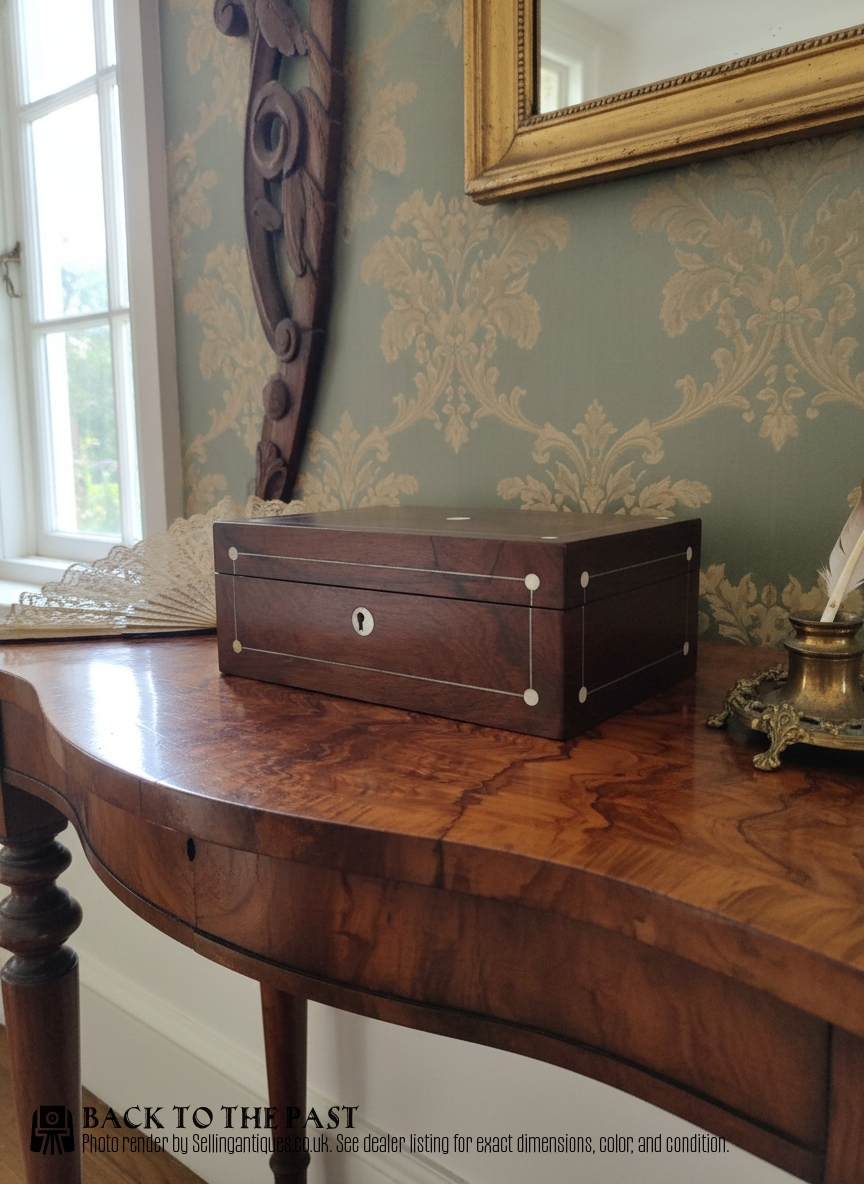
Victorian Wooden Keepsake Box
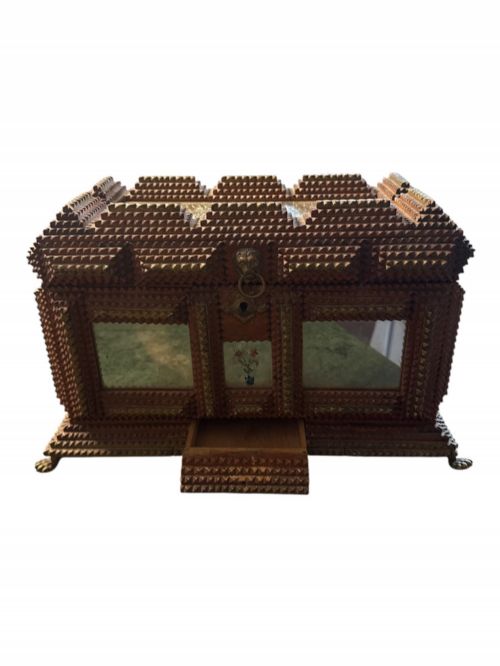
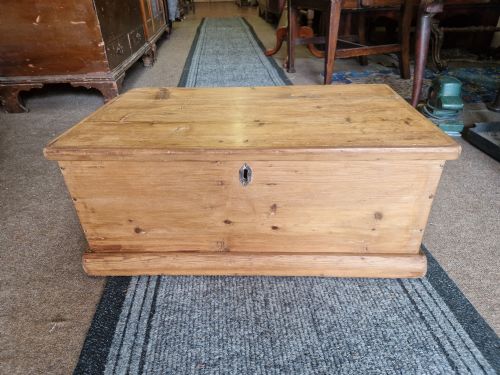
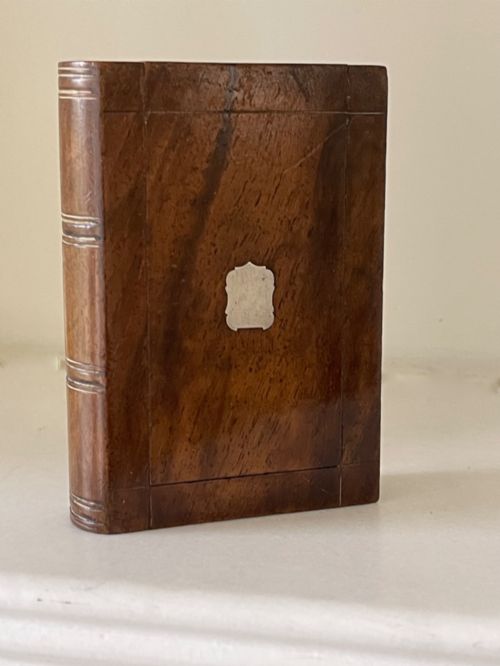
A victorian wooden keepsake box encompasses various lidded containers designed for jewellery, trinkets, letters, and small personal valuables. These pieces emerge from the nineteenth century in forms ranging from simple pine storage containers to elaborately fitted dressing caskets.
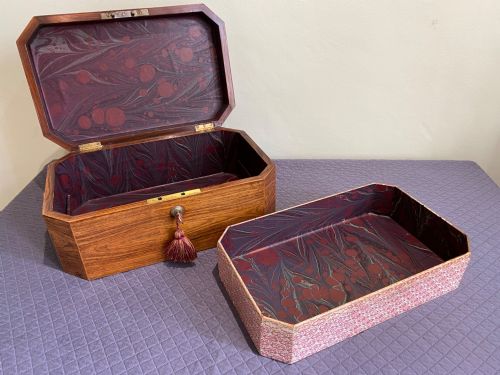
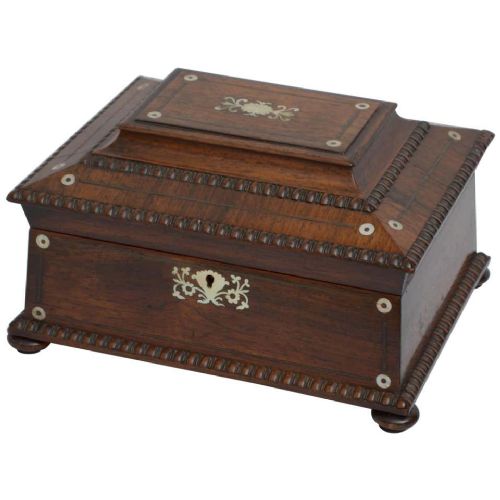
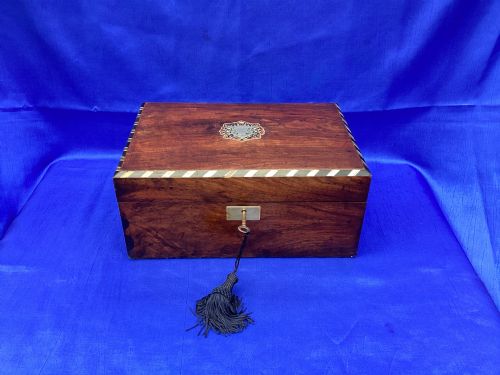
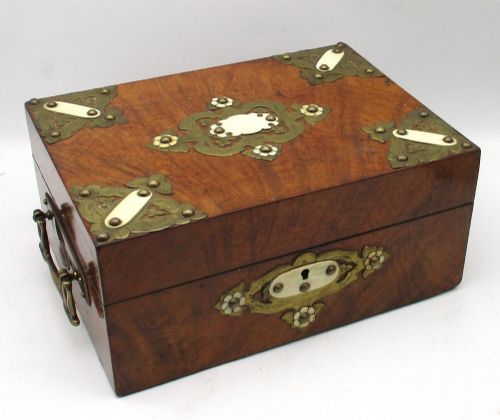
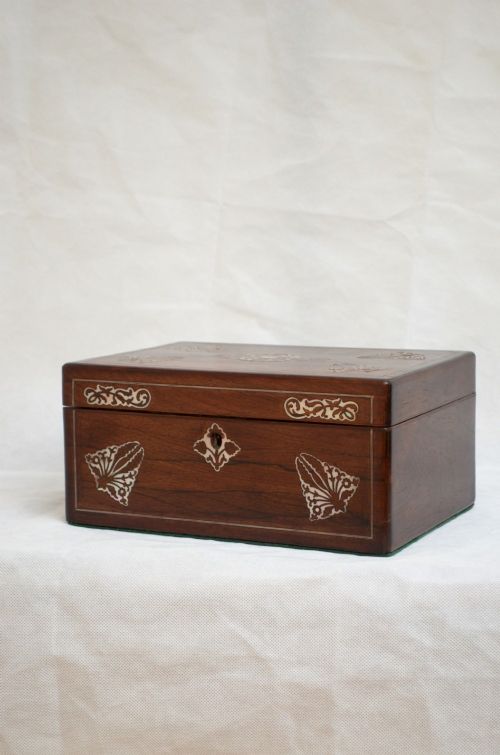
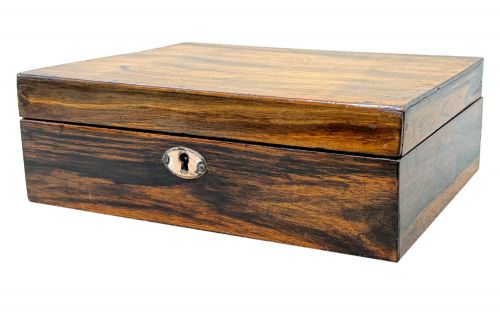
The selection on this page leans heavily towards rosewood, walnut, and burr walnut examples, frequently featuring fitted interior trays and compartments. Makers utilised contrasting timbers and inlays to create decorative lids intended for prominent display on tables and desks.
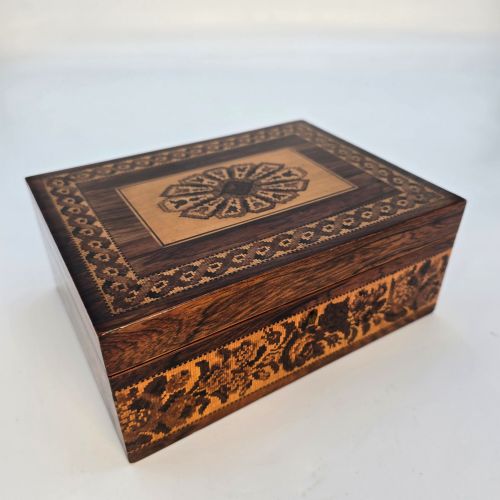
Beyond standard domestic receptacles, the range includes specialised formats such as work boxes, glove boxes, tea caddies, and miniature campaign chests. Regional styles appear alongside domestic British production, including Tunbridge ware, Anglo-Indian items, and Italian Sorrento marquetry.
How They Were Made
Carpenters built the carcases using solid native and exotic hardwoods alongside veneered pine foundations. Woods such as rosewood, walnut, and coromandel provided stable bases for intricate surface decoration.
Craftsmen applied brass binding, mother-of-pearl inlay, and geometric parquetry to ornament the exterior surfaces. Tunbridge ware examples required thousands of tiny wood blocks assembled to form pictorial mosaic patterns.
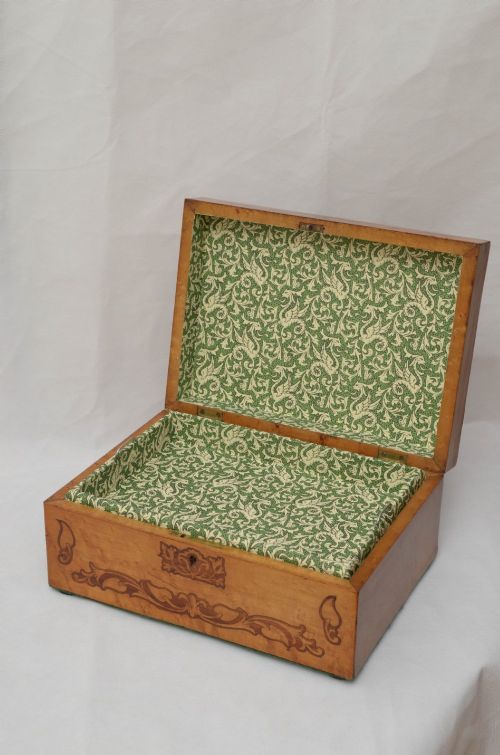
Interiors often received silk or velvet linings, fitted trays, and integrated mirrors. Lock mechanisms utilising brass hardware secured the contents, while wood joints provided structural durability.
Listings feature nineteen-century materials including rosewood, walnut, burr walnut, mother-of-pearl, and brass.
What Varies In Quality
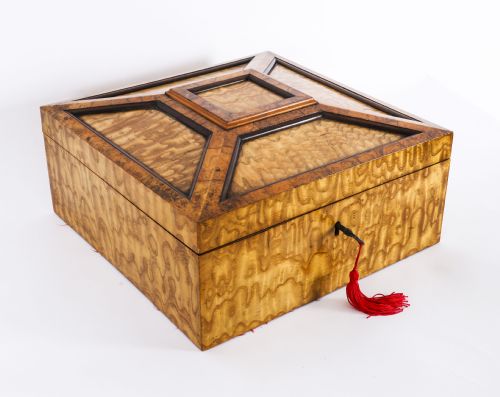
The selection of timber grain and veneer symmetry defines the visual impact of each piece. Burr walnuts and bird's-eye maples display complex natural patterning that elevates simpler box forms into decorative objects.
Interior execution distinguishes standard containers from elaborate dressing caskets. Fully fitted trays, intact silk linings, and working brass locks reflect superior original manufacture.
The precision of inlaid elements, whether mother-of-pearl, brass banding, or wooden marquetry, indicates the level of craftsmanship involved. Clean geometric alignment and secure placement demonstrate maker expertise.
Edmund Nye·Henry Hollamby
The Victorian Wooden Keepsake Box Glossary
- Tunbridge Ware
- A type of woodwork produced in Kent featuring microscopic wooden tesserae arranged into mosaic designs. These geometric or pictorial motifs decorate box lids and panels.
- Marquetry
- The art of applying veneer slices to form decorative patterns and pictures. Craftsmen cut various coloured woods to create intricate surface ornamentation.
- Parquetry
- Geometric mosaic woodwork formed by fitting small blocks or veneer pieces together. This technique creates repeating patterns across box surfaces.
- Coromandel
- A dense, heavily figured timber imported from Asia used for luxury nineteenth-century boxes. Its dark brown colour contrasts with lighter inlays.
- Casket
- A decorative box or chest designed for holding valuables or keepsakes. These vessels often feature secure locks and fitted internal compartments.
Victorian Wooden Keepsake Box: Frequently Asked Questions
What were victorian wooden keepsake boxes used for?
These boxes stored jewellery, correspondence, gloves, sewing accessories, and personal mementos safely on household tables.
Fitted interiors with trays and compartments helped keep delicate items organised and protected from dust.
How do I identify a tunbridge ware box?
Tunbridge ware displays distinctive mosaic decoration created from thousands of tiny tinted wood squares arranged into pictorial or geometric designs.
These detailed panels typically appear set into the lids of rosewood or mahogany boxes.
Are interior linings original?
Many nineteenth-century boxes retain their original silk, velvet, or paper linings, though some have received sympathetic modern replacements.
Fresh textile inserts maintain the utility of the interior trays while preserving the original wooden structure.
How do I care for a wood box?
Keep wooden boxes away from direct sunlight and dramatic temperature fluctuations to prevent timber warping and veneer cracking.
Dust gently with a dry cloth and occasionally apply appropriate wax to maintain the finish.