



19th Century Presentation Box
These 19th century presentation box pieces are commemorative containers crafted to mark civic milestones, military service, and royal patronage.
19th Century Presentation Box
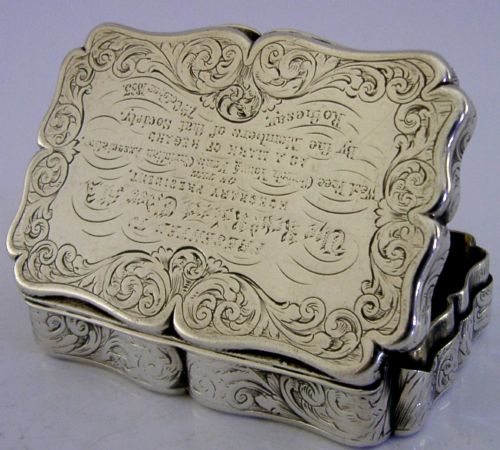
A 19th century presentation box serves as a commemorative vessel, often commissioned to mark significant military, religious, or royal events. These pieces carry specific dates and inscriptions that tie them directly to historical moments, such as the late nineteenth century regiment markers or church presentations from the eighteen-forties.
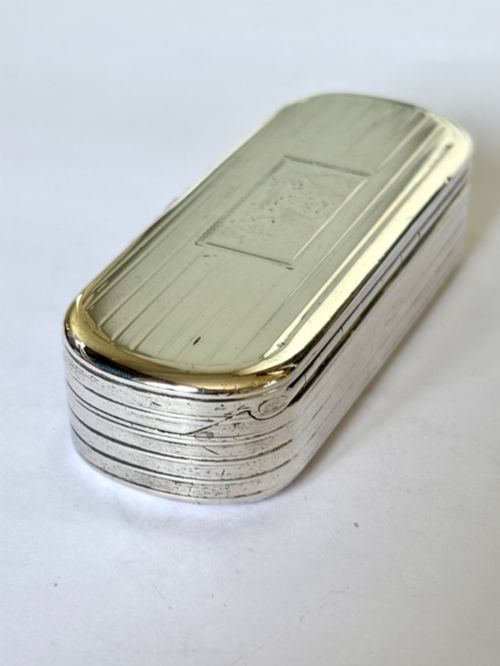
The selections available here encompass various forms, including table snuff boxes, writing slopes, and wooden containers. Each object represents the formal gifting practices of the Victorian and Georgian eras, combining utility with public recognition.
Materials and construction
Maker workshops utilised solid oak, burr walnut, and satinwood for wooden bodies, frequently applying brass overlay or hinges for structural reinforcement. Interiors were lined with velvet to cushion medals, documents, or silverware.
Metalwork involved sterling silver, gold, and gilt metal shaped through casting, engraving, and repoussé techniques. Makers stamped hallmarks into silver components to verify metal purity and trace the production year.
19th Century Presentation Box Retail Price Guide 2026
Typical asking prices for 19th century presentation box among the pieces listed under this phrase on Sellingantiques today, from the lower quarter to the upper quarter. They describe what is for sale here now, not the wider market.
Several containers preserve the exact day a regiment received its honours, frozen in engraved metal.
Judging quality in presentation boxes
Quality rests upon the precision of the engraved inscriptions and the crispness of heraldic or regimental badges applied to the lid or interior. Master silversmiths and cabinetmakers achieved superior definition in scrollwork and armorial crests.
The selection of fine timber veneers, such as burr walnut matched across surfaces, alongside heavy-gauge silver components, distinguishes the highest tier of historical presentation pieces from standard utilitarian boxes.
The 19th Century Presentation Box Glossary
- Hallmark
- Official stamps applied to precious metals indicating the standard of purity, the assay office, and the date letter. These marks authenticate the silver or gold components of the container.
- Presentation inscription
- Engraved text detailing the recipient, the donor, and the specific occasion or date of gifting. This writing provides the primary historical documentation for the object.
- Writing slope
- A portable box featuring an angled writing surface and internal compartments for stationery, inkwells, and documents. Many incorporate secret drawers beneath the primary writing platform.
- Silver gilt
- Silver objects coated with a thin layer of gold through a chemical or electrochemical process. This treatment provides a rich golden appearance while utilising a silver base structure.
- Veneer
- A thin slice of ornamental wood applied to a secondary timber core to create decorative grain patterns. Burr walnut and satinwood veneers typify fine nineteenth-century cabinetmaking.
19th Century Presentation Box: Frequently Asked Questions
What is a 19th century presentation box?
A 19th century presentation box is a commemorative container commissioned to honour individuals, military regiments, or civic figures. These items frequently feature engraved plaques, dates, and armorial bearings that record specific historical events.
They span various forms, from small silver pocket containers to large wooden writing slopes and oak caskets. Each piece serves as both a functional object and a permanent historical record of a notable achievement.
How were these presentation boxes used?
These boxes were primarily presented as tokens of high regard, official gratitude, or institutional loyalty during ceremonies. Recipients used them to store important documents, medals, correspondence, or tobacco.
Over time, they transitioned from active service use into display pieces that preserved family history or regimental heritage. Their robust construction ensured the contents remained protected across generations.
How do I care for a wooden presentation box?
Wooden presentation boxes require stable indoor humidity levels to prevent the timber and veneers from warping or cracking. Keep them away from direct sunlight and radiators to protect the original polished finishes.
Dust the exterior gently with a dry, soft cloth and avoid applying modern liquid polishes that can damage historic varnishes. Interior velvet linings should be kept dry and protected from moisture.
How can I tell the period of a presentation box?
Dating relies heavily on engraved presentation inscriptions, which typically record exact dates, names, and historical contexts. Metal components often feature hallmarked stamps that identify the exact year of manufacture and the assay office.
Stylistic indicators, such as Victorian Gothic Revival motifs or Georgian silver forms, also help place the object within its correct historical decade.