
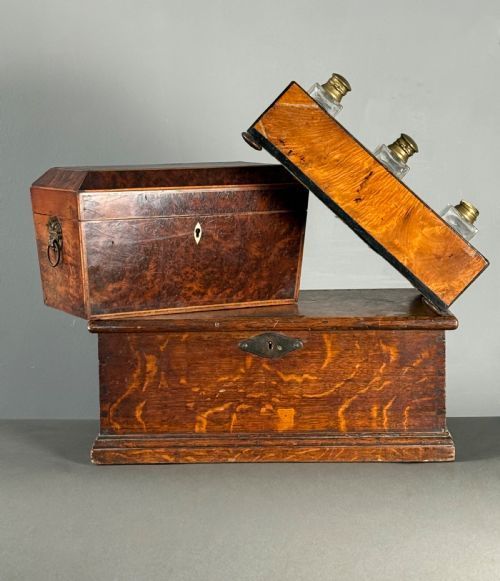
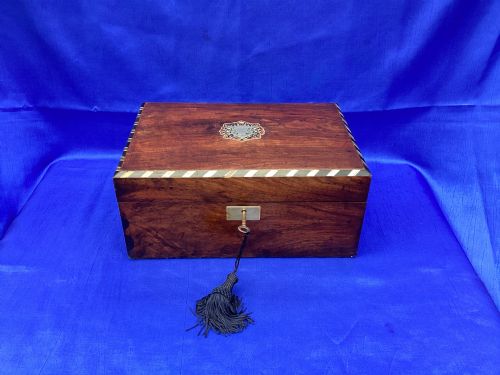
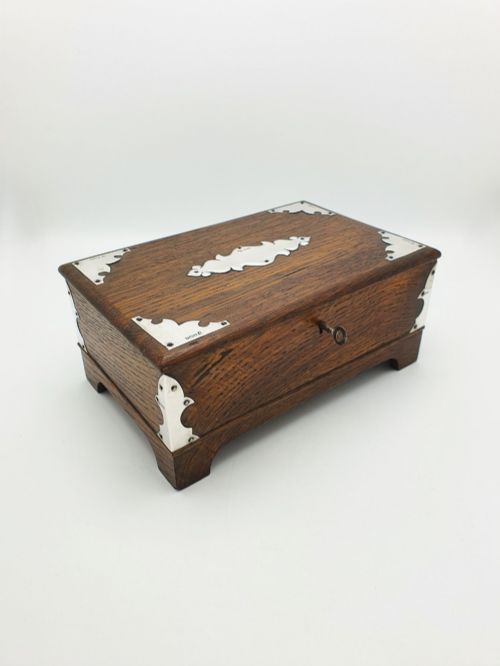

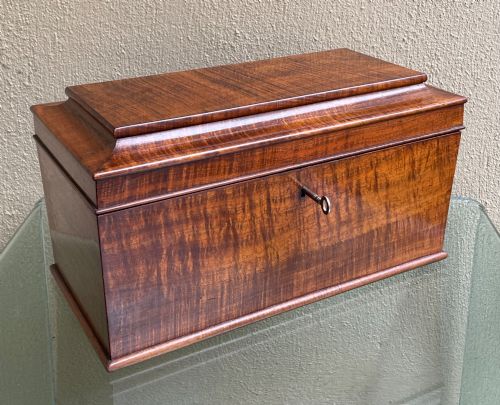
Wooden Trinket Chest
A wooden trinket chest satisfies the practical need for small storage while offering genuine period character in miniature.
Wooden Trinket Chest
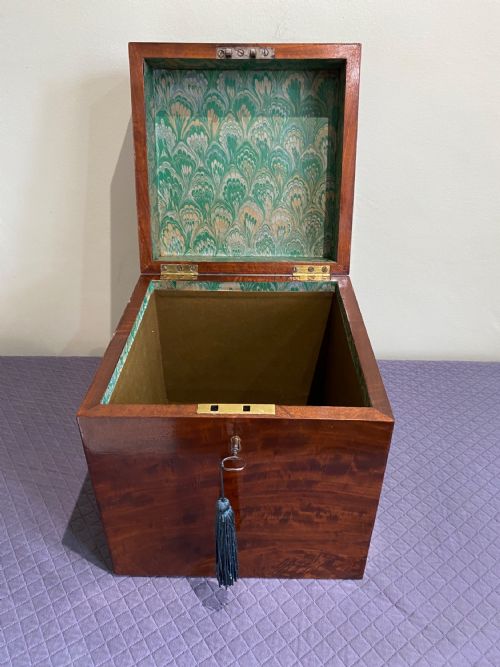
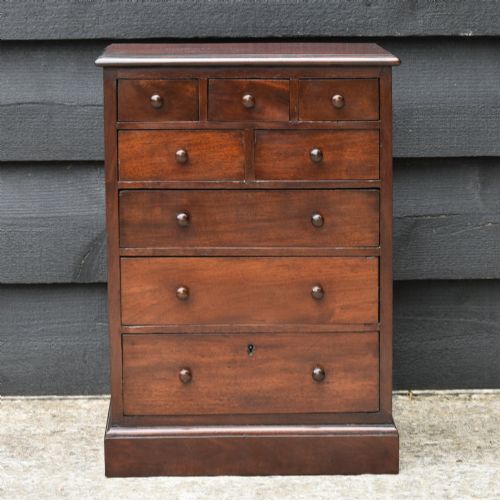
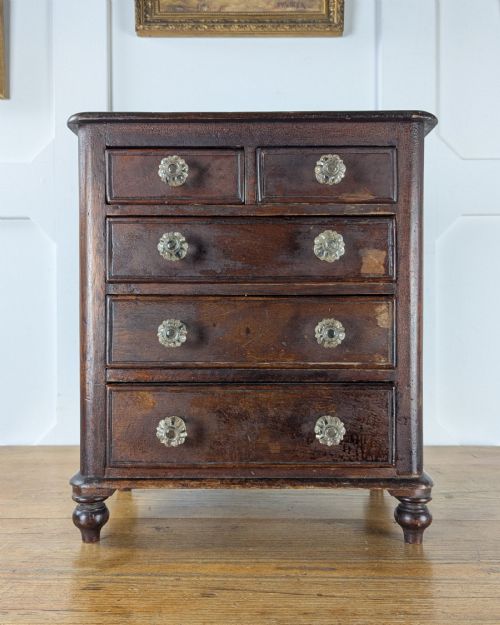
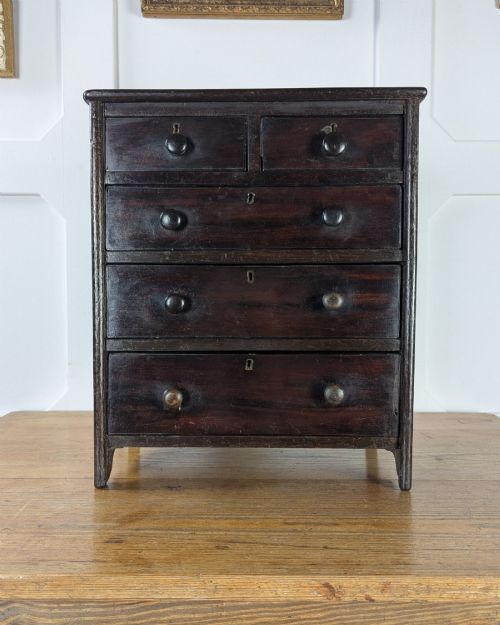
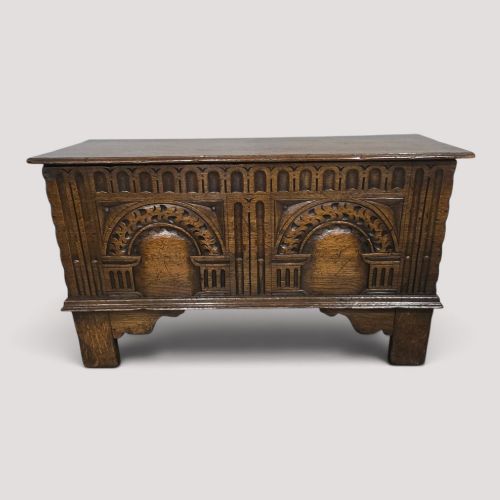
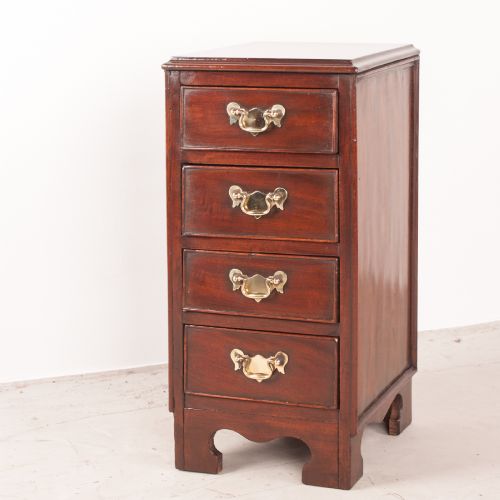
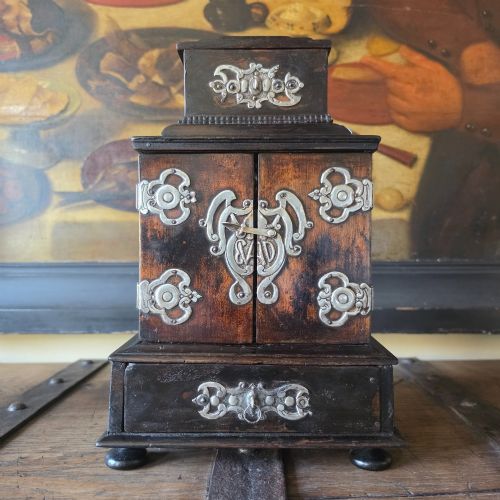
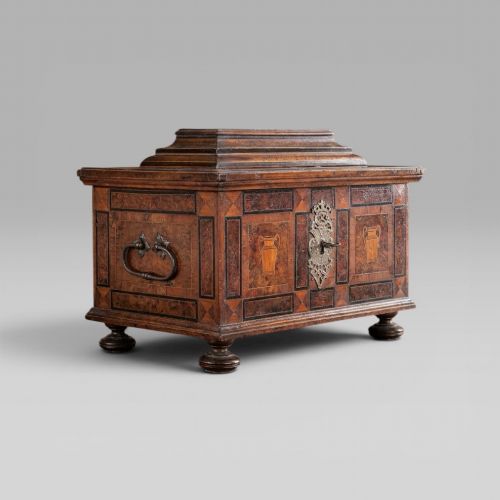
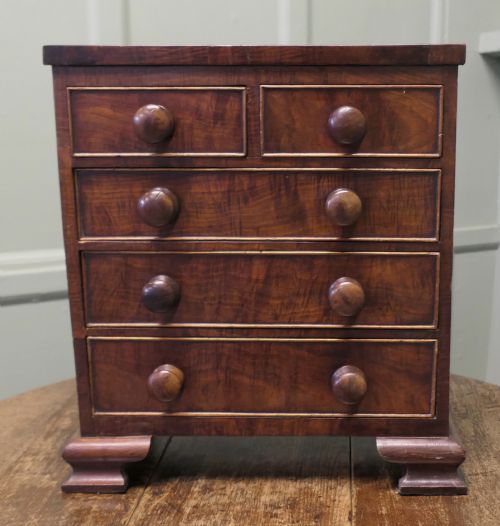
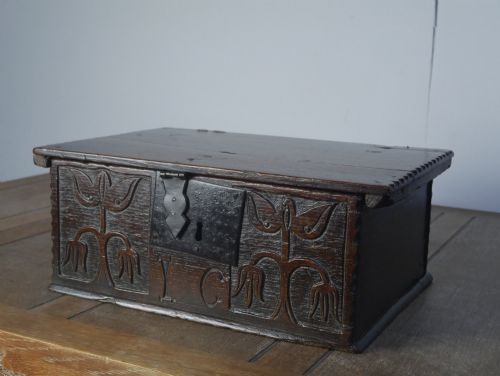
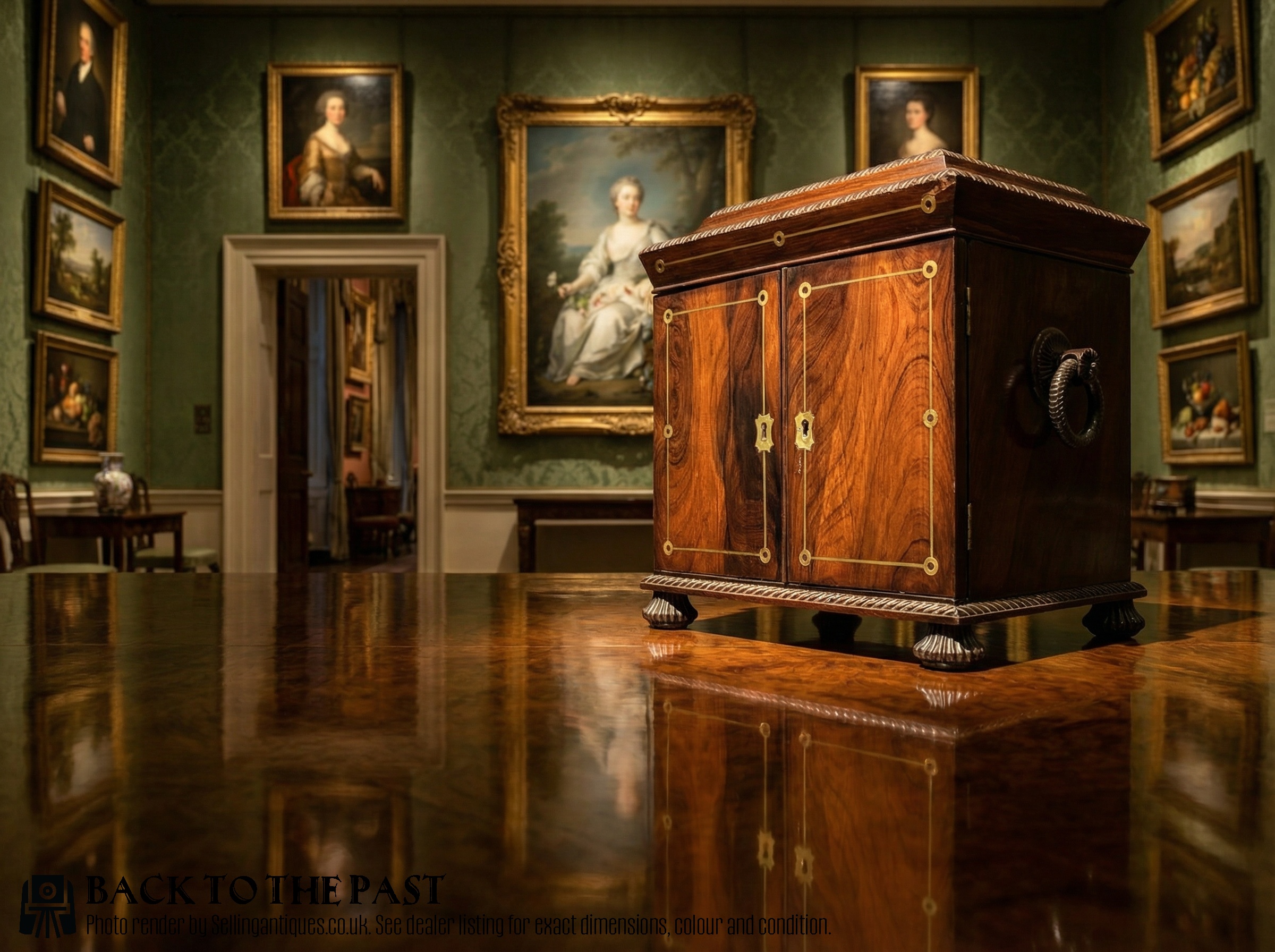
A wooden trinket chest covers a broad variety of small containers designed for personal valuables, from jewellery and tea to documents and spices. Buyers searching for a wooden trinket chest encounter miniature furniture such as small chests of drawers and apprentice pieces, alongside tea caddies, caskets and spice boxes. These items serve as compact storage solutions that double as decorative objects for a mantelpiece, desk or dressing table.
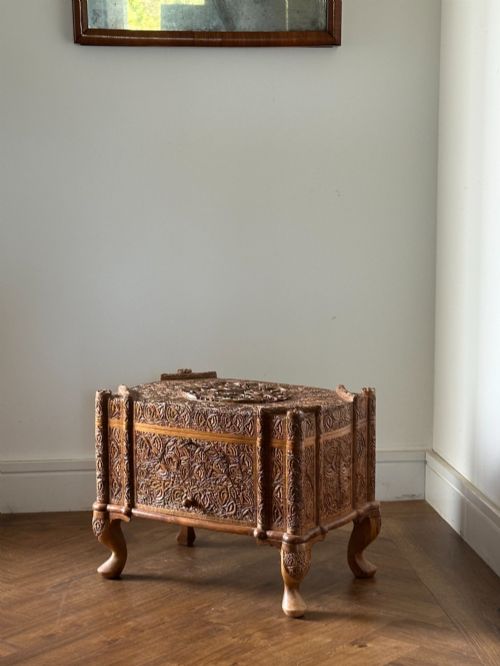
The pieces on this page span several centuries, with particular representation from the Georgian, Regency and Victorian periods. Alongside standard English cabinet-making, forms include Anglo-Indian sandalwood caskets, Scandinavian folk art boxes and continental burr wood pieces. Miniature chests of drawers and jewellery boxes dominate the selection, often featuring internal compartments, trays or multiple small drawers for organised storage.
Materials and construction methods
Cabinet-makers utilised dense hardwoods such as mahogany, rosewood, walnut, oak and fruitwood to build these small chests and boxes. Timber selection often involved decorative veneers, including burr yew, kingwood and burr wood, chosen for their distinctive grain patterns and rich natural colour.
Construction techniques incorporate fine joinery, dovetailed corners and turned feet, frequently enhanced with brass handles, hinges or inlaid details. Certain examples feature specialised embellishments like mother of pearl, bone details, sterling silver mounts or leather binding.
A sweet tooth meets woodworking history in the survival of nineteenth-century spice drawers and humidor cigar boxes.
Factors determining quality
Quality rests upon the skill of the original construction and the integrity of the timber used. Finely made examples display precise dovetailing, well-fitted drawers that run smoothly, and original hardware such as brass locks and escutcheons.
The choice of facing timber also separates standard utility boxes from superior pieces. Fine grain selection in veneers, intricate inlay work, and the survival of fitted internal trays or velvet-lined compartments indicate a higher tier of craftsmanship.
The Wooden Trinket Chest Glossary
- Tea caddy
- A box or chest originally built to store tea leaves securely under lock and key. Many feature internal lidded compartments and fine veneer work.
- Tramp art
- Folk sculpture created using simple tools and salvaged wood, typically featuring layered, chip-carved geometric patterns. Pieces often date from the late Victorian or early twentieth-century eras.
- Tunbridge Ware
- Ornamental woodwork decorated with tiny wooden mosaics that form pictorial or geometric designs. This technique originated in the Kent town of Tunbridge Wells.
Wooden Trinket Chest: Frequently Asked Questions
What is an apprentice piece?
An apprentice piece is a miniature item of furniture, such as a small chest of drawers, made by a craftsman in training to prove his competence.
Master craftsmen required these detailed models before granting full status, which explains their exceptional joinery and accurate proportions.
How were tea caddies used?
Tea caddies were locked containers used to store expensive tea leaves securely in the Georgian and Regency home. Because tea was a precious commodity, the master of the house kept the key.
Inside, the chests often featured foil-lined compartments or separate canisters to keep different tea varieties fresh.
How do I date a wooden box?
Dating relies on observing the timber species, construction methods, hardware and overall style of the piece. Georgian and Regency boxes frequently employ mahogany or rosewood with fine brass inlays, while 17th-century examples show heavier oak construction.
Examining the drawer joints, screws and interior linings also provides clues to the manufacturing period.
Are these boxes suitable for daily use?
These historical chests and boxes function well for holding modern trinkets, jewellery, cuff links or small keepsakes. Their sturdy hardwood construction remains durable after centuries of existence.
Care should be taken to place them away from direct heat sources to protect the antique wood and any delicate interior fabrics.