
Victorian Wooden High Chair
A victorian wooden high chair brings solid nineteenth-century craftsmanship directly into domestic spaces for daily family use.
Victorian Wooden High Chair
A victorian wooden high chair is a sturdy piece of domestic seating designed to elevate a child to table height during meals. These items emerge primarily from nineteenth-century rural and provincial workshops, aligning with the broader vernacular seating traditions of the period. Buyers exploring this category encounter robust utilitarian seating built to withstand rigorous household routines.
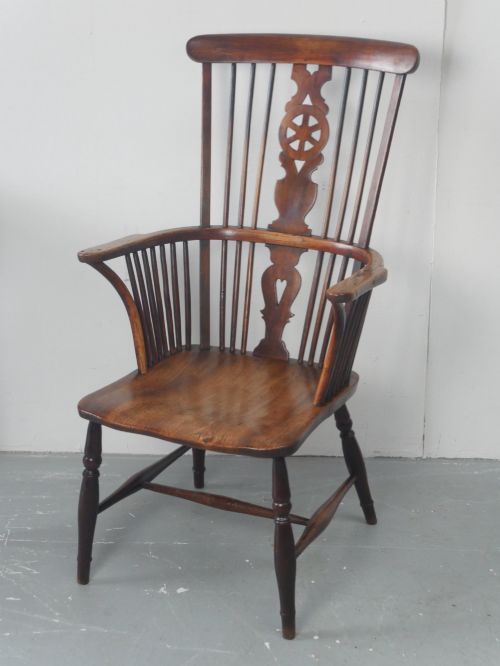
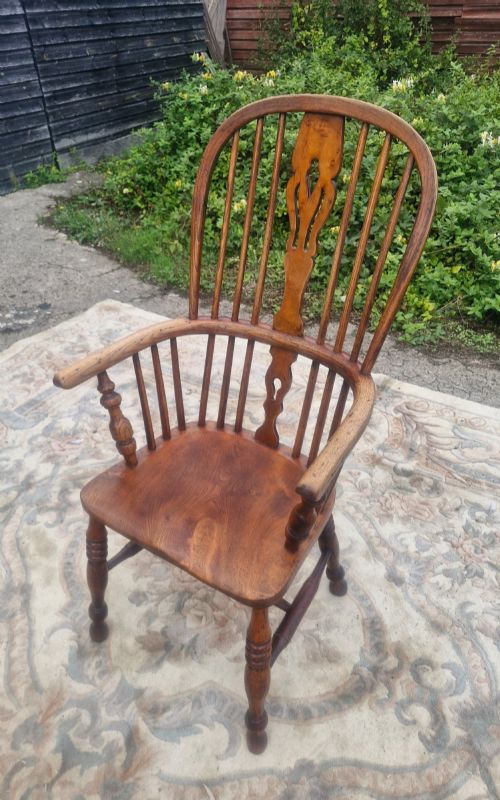
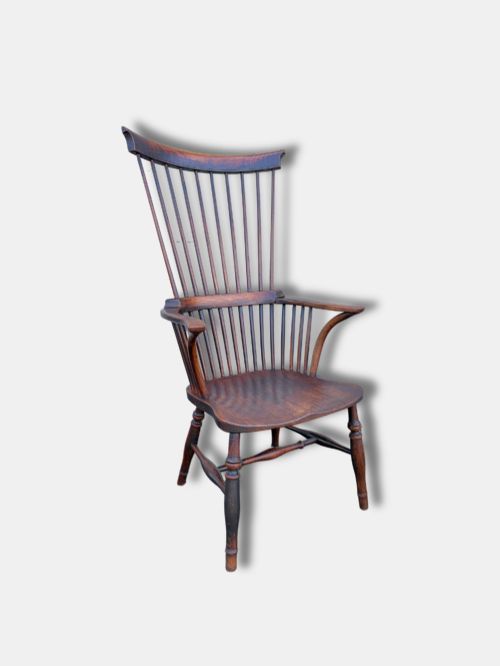
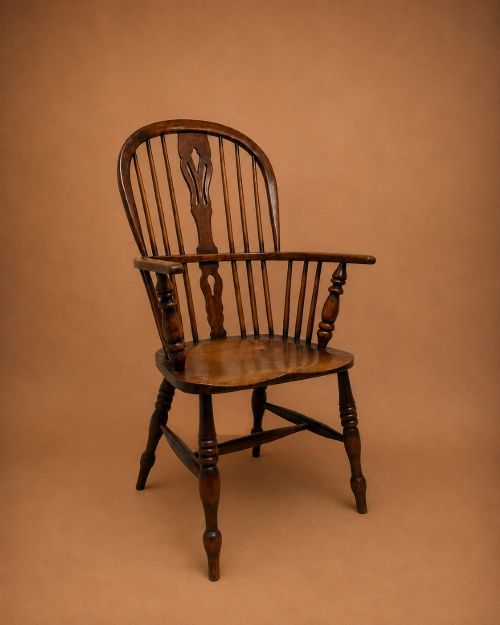
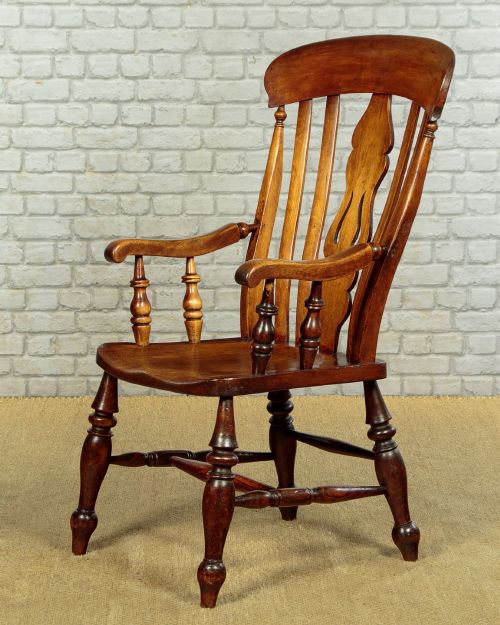
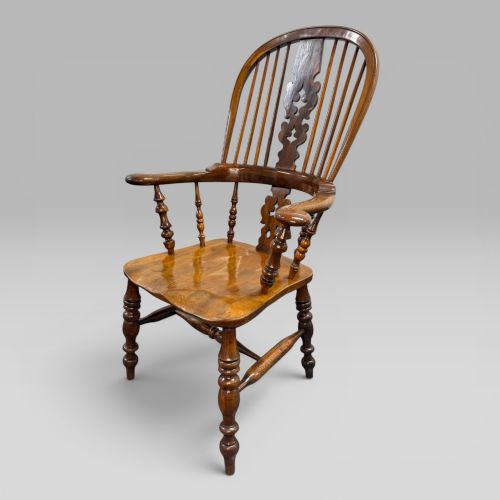
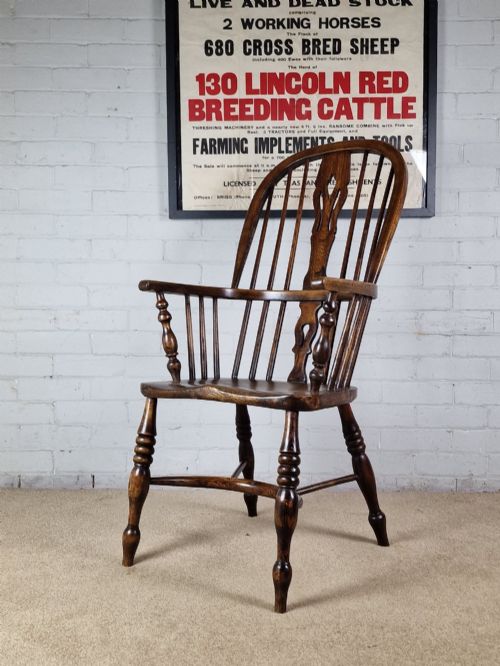
The versions most frequently met on this page combine traditional Windsor framing with elevated legs and protective front rails or trays. Makers utilise durable native timbers to construct high-backed or hoop-backed seating that keeps young children secure. The stylistic vocabulary spans simple farmhouse interpretations to gothic revival influences.
Examples date across the nineteenth century, reflecting regional cabinet-making quirks from various English counties. They connect domestic history directly to utilitarian seating forms found in kitchens and dining rooms of the era.
How They Were Made
Constructors build these chairs using mixed timber techniques, pairing sturdy frames with flexible seats. Workshops select dense woods for structural integrity and contrasting grain patterns for visual interest.
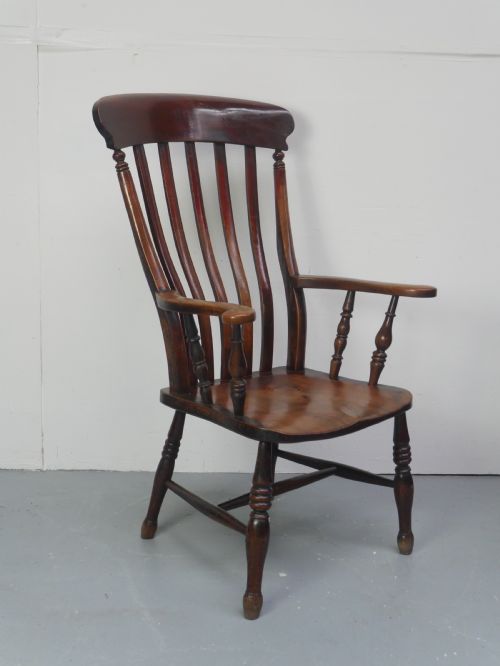
Turned spindles and shaped comb-backs are fitted directly into solid timber seats using traditional dowel and wedge joints. Cabinet makers shape legs and stretchers on lathes before assembling the components by hand.
Current listings demonstrate timber selections including elm, ash, beech, and yew across nineteenth-century Victorian forms.
What Varies In Quality
Quality rests upon the selection of timbers and the integrity of the joinery connecting the elevated seat to the underframe. Superior examples display thoughtful timber matching between elm seats and ash or beech spindles.
Duncan McKellar of Fenwick
The Victorian Wooden High Chair Glossary
- Windsor chair
- A chair built with a solid wooden seat into which the back and legs are bored directly. This construction method provides immense strength.
- Comb-back
- A Windsor chair variation where the top rail resembles the teeth of a comb. It often incorporates an extended headrest.
- Stretcher
- A horizontal wooden rod connecting the legs of a chair to provide structural rigidity. These reinforce the underframe against daily strain.
- Vernacular
- Everyday furniture built by local craftsmen following regional traditions rather than high-style metropolitan fashions. These pieces prioritise utility above all.
- Yew
- A dense, richly grained native softwood favoured by chair makers for its durability and flexibility. It commands attention for its warm reddish hue.
Victorian Wooden High Chair: Frequently Asked Questions
How were they used?
These elevated seats placed young children safely at adult dining height during family meals in nineteenth-century homes. They provided stable confinement for infants before modern folding high chairs existed.
Built to withstand heavy daily domestic routines, they served generations of children within bustling farmhouses and town houses alike.
How do I clean the wood?
Maintain the surface by applying traditional beeswax sparingly with a soft cloth to nourish the historic timber. Avoid modern chemical sprays that strip the aged patina built up over decades.
Buff the wood gently after application to preserve the natural grain and deep colour inherent in nineteenth-century furniture.
Are they safe for children?
While historic pieces were built for utility, contemporary safety standards differ significantly from nineteenth-century manufacturing practices. Many collectors now display them as decorative items rather than utilising them for active daily seating.
Examine the structural integrity of the safety rails and leg joints carefully if intending practical use in a modern household.
How can I date them?
Dating relies upon identifying construction techniques, timber choices, and stylistic markers such as gothic revival motifs or simpler farmhouse turnings. Mid-nineteenth-century examples often exhibit distinct regional characteristics tied to specific English counties.
Compare the tool marks, joinery methods, and wear patterns against documented pieces from the broader Victorian era to narrow the decade of production.