




Victorian Wooden Coal Scuttle
These Victorian wooden coal scuttles combine robust timber construction with functional hearthside storage for domestic fuel.
Victorian Wooden Coal Scuttle
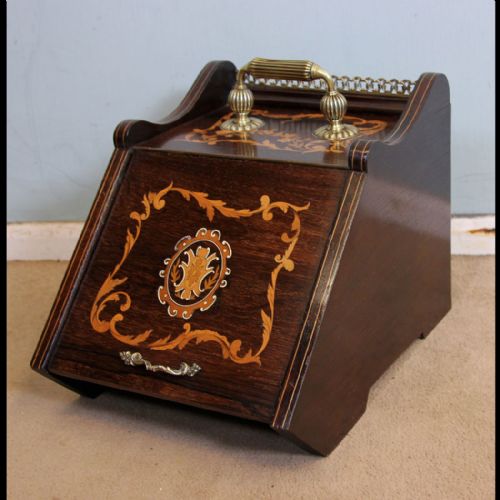
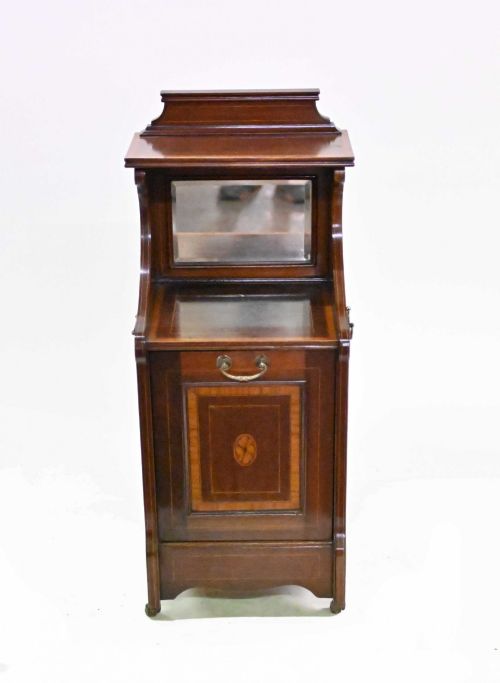
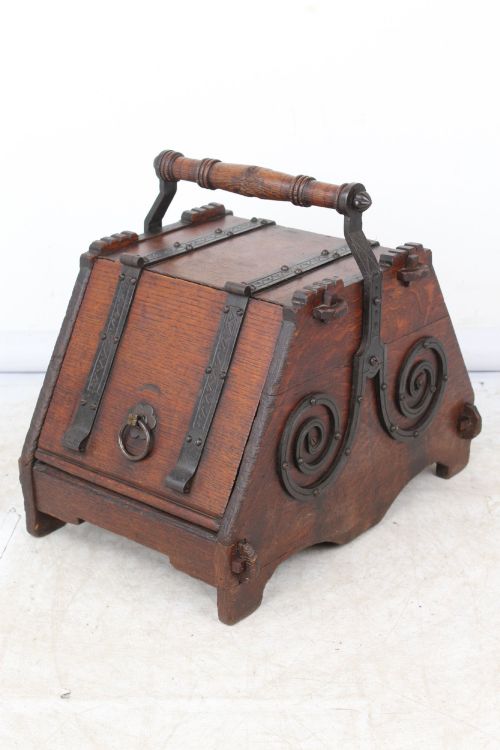
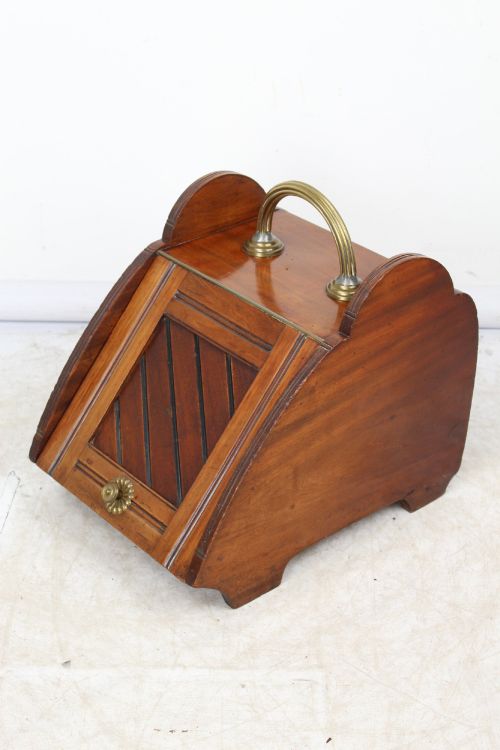
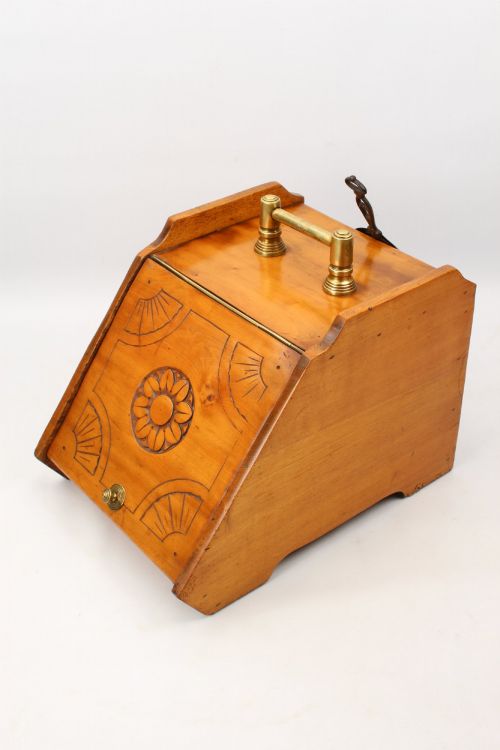
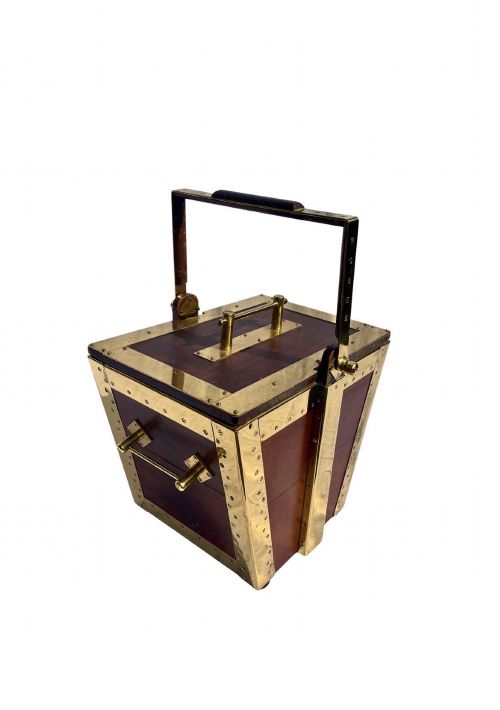
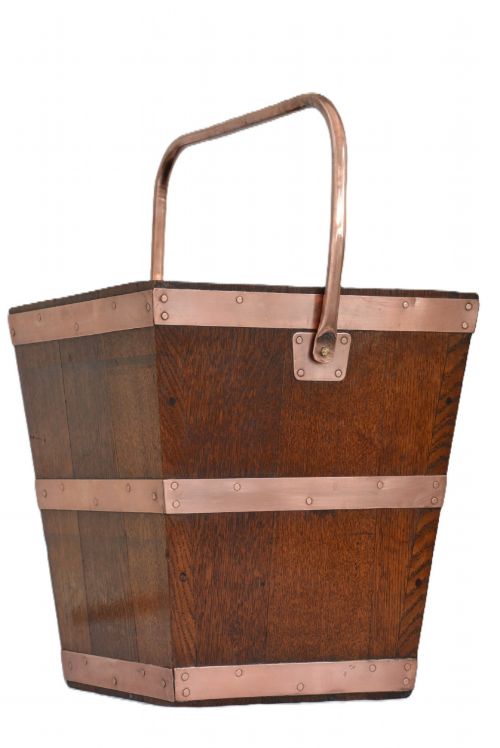
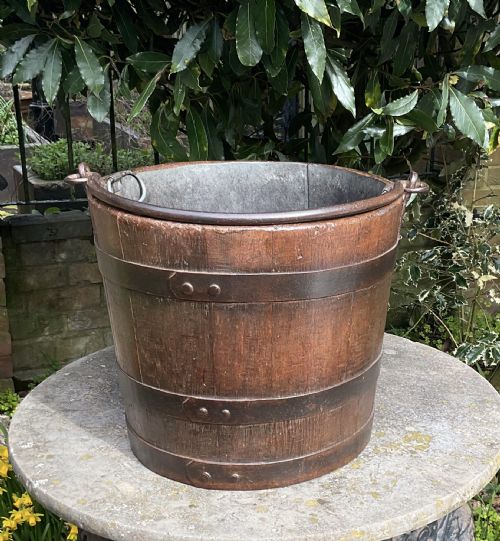
A victorian wooden coal scuttle serves as a functional fireside container designed to hold solid fuel close to the hearth. These domestic items take various forms, ranging from traditional hinged coal boxes and purdoniums to coopered oak buckets and hods.
Most examples date from the nineteenth century into the Edwardian era, utilising durable timbers suited to heavy daily use in period drawing rooms and parlours. Buyers encounter both simple vernacular pieces and elaborate carved or inlaid designs.
Makers utilised resilient hardwoods to construct vessels that could withstand the weight of coal or peat. Many survive with their original metal liners and matching shovels intact.
Materials and Construction
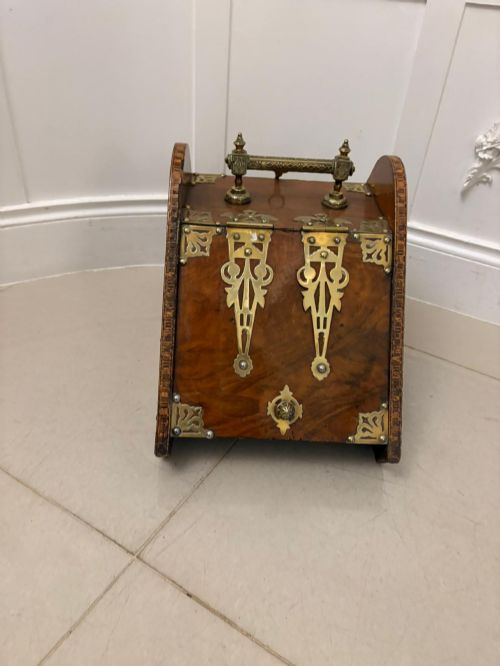
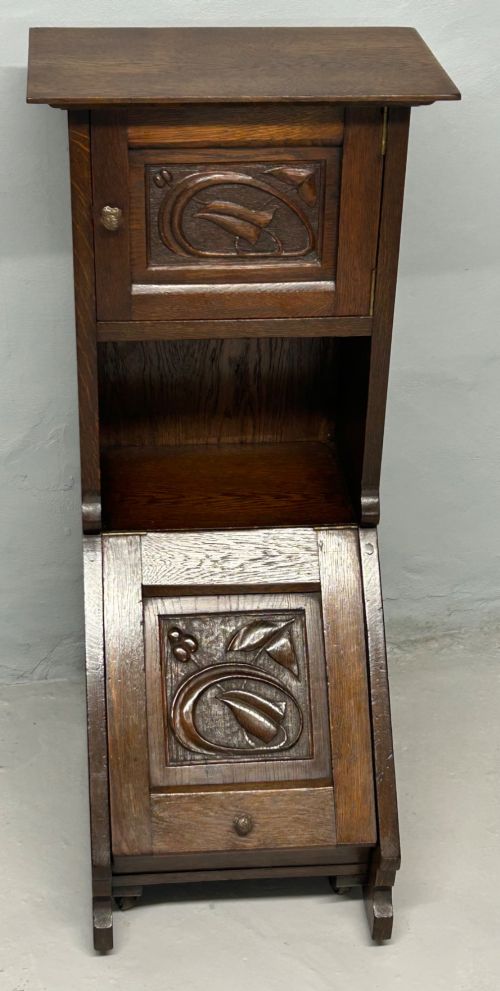
Joiners and cabinetmakers built these fireside pieces using dense timbers such as oak, mahogany, walnut, and rosewood, often pairing them with contrasting brass mounts and handles. Coopered vessels rely on tight stave construction bound with metal bands, echoing traditional vessel-making techniques.
Decoration frequently involved carved detailing, contrasting wood veneers, or metal inlays influenced by prevailing revival styles. Internal protection typically required a removable metal liner to contain coal dust and moisture.
Victorian Wooden Coal Scuttle Retail Price Guide 2026
Typical asking prices for victorian wooden coal scuttle among the pieces listed under this phrase on Sellingantiques today, from the lower quarter to the upper quarter. They describe what is for sale here now, not the wider market.
Listings feature oak, mahogany, walnut, and rosewood alongside brass and iron hardware across the Victorian and Edwardian periods.
Defining Quality in Hearthside Storage
Superior examples distinguish themselves through the choice of timber and the precision of the joinery or coopering. Fine grain figures in walnut or pollard oak elevate a piece beyond standard utility.
Hardware selection plays a role, with heavy cast brass handles, hinges, and original liners indicating a higher grade of production. Carved ornamentation or delicate marquetry inlay demonstrates the touch of a skilled workshop.
Christopher Dresser
The Victorian Wooden Coal Scuttle Glossary
- Purdonium
- A specialised coal box featuring a sloping fall-front door and an internal shovel compartment. This design kept domestic fuel contained neatly beside the fireplace.
- Coopered
- A construction method utilising curved wooden staves bound together with metal hoops. This technique originates from barrel-making and provides immense structural strength.
- Peat bucket
- A deep fireside container traditionally used for holding dried turf or peat. These vessels often include sturdy drop handles for lifting.
- Metamorphic
- Describing a piece of furniture or accessory that transforms or conceals its primary function. In fireside storage, this involves hinged compartments and drop-down fronts.
- Ormolu
- Gilded bronze mountings applied to furniture and decorative boxes. This decorative metalwork adds contrast against dark hardwoods like walnut.
Victorian Wooden Coal Scuttle: Frequently Asked Questions
What is a purdonium?
A purdonium is a specific type of Victorian coal box fitted with a sloping front door that drops open. It usually includes an internal metal scoop and a dedicated shovel slot.
These pieces were designed to sit beside the fireplace while keeping coal dust concealed from the room.
How do I use an antique coal scuttle today?
Many people continue to use these wooden vessels beside working fireplaces for logs, kindling, or coal. The removable metal liner protects the historical timber from moisture and debris.
Alternatively, they function well as storage bins for blankets, toys, or magazines in period interiors.
Are original liners common?
Original metal liners appear in a good portion of surviving pieces, though some have been replaced over time due to corrosion. These liners were essential for catching soot and small fragments of fuel.
Finding a piece with its matching shovel and liner adds to the completeness of the accessory.
What is the difference between a bucket and a box?
Buckets typically feature coopered stave construction with side handles, often drawing inspiration from maritime or agricultural vessels. Boxes are generally square or rectangular case pieces with hinged lids or drop fronts.
Both styles served the same fundamental purpose of holding hearth fuel.